How to Migrate from AWS S3 to Azure Blob Storage — Cross-Cloud Migration with RcloneView
Your company is standardizing on Microsoft Azure. Step one: move terabytes of data from S3 buckets to Azure Blob Storage without losing files, breaking applications, or blowing the budget on egress fees.
Migrating between major cloud providers is a significant undertaking. AWS S3 and Azure Blob Storage use different APIs, different naming conventions, and different access models. RcloneView abstracts these differences — you see both as simple file trees in a two-pane explorer and transfer between them with a click.
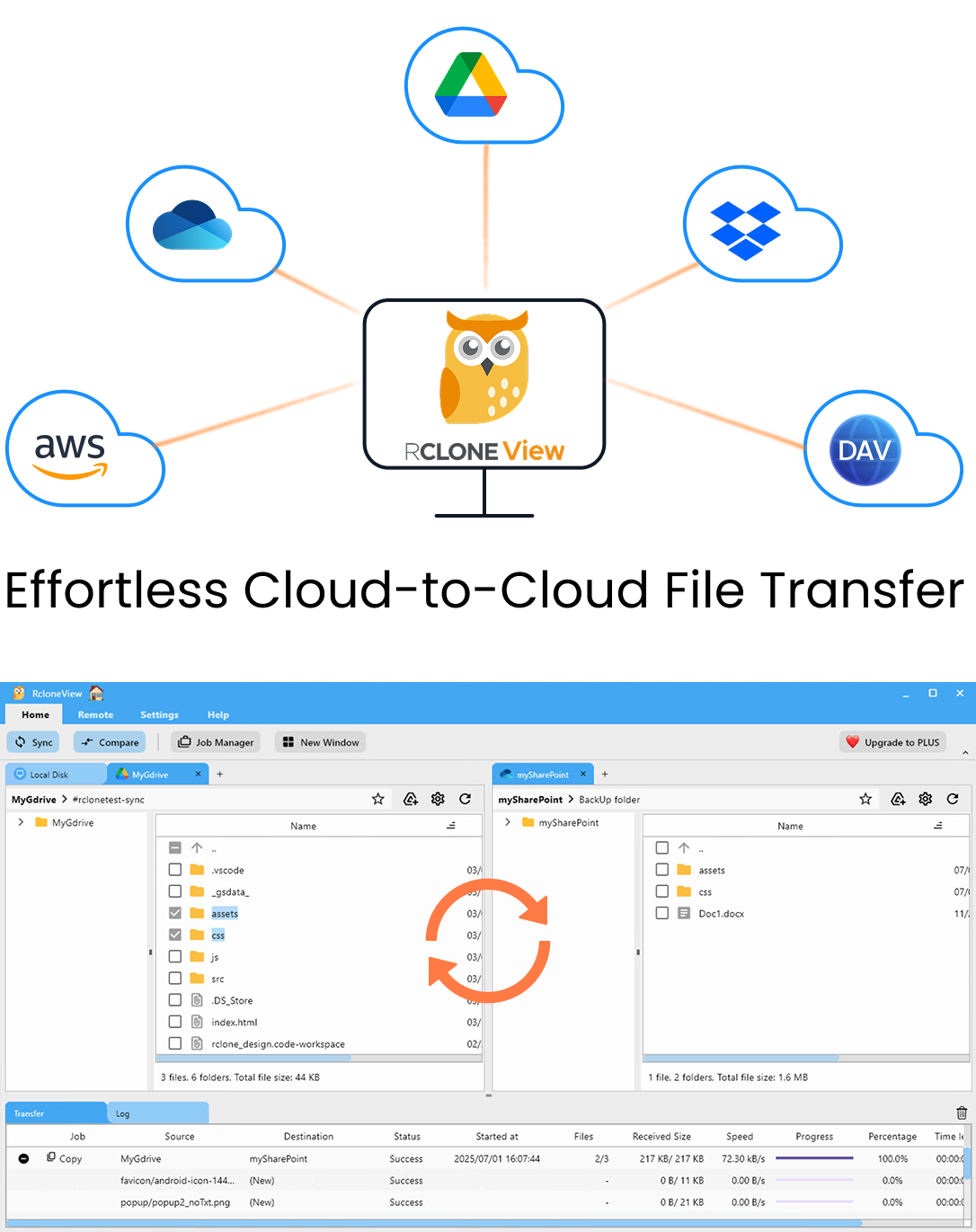
Manage & Sync All Clouds in One Place
RcloneView is a cross-platform GUI for rclone. Compare folders, transfer or sync files, and automate multi-cloud workflows with a clean, visual interface.
- One-click jobs: Copy · Sync · Compare
- Schedulers & history for reliable automation
- Works with Google Drive, OneDrive, Dropbox, S3, WebDAV, SFTP and more
Free core features. Plus automations available.
Planning the Migration
Cost considerations
S3 egress: $90/TB for the first 10 TB. For a 10 TB migration, budget $900 in AWS egress fees.
Cost reduction strategies:
- Migrate in phases across billing cycles.
- Use bandwidth limiting to spread egress over time.
- Archive cold data to Glacier first (if not needed immediately on Azure).
Mapping S3 to Azure
| AWS S3 Concept | Azure Equivalent |
|---|---|
| Bucket | Container |
| Object | Blob |
| S3 Standard | Hot tier |
| S3 Standard-IA | Cool tier |
| S3 Glacier | Archive tier |
Step-by-Step Migration
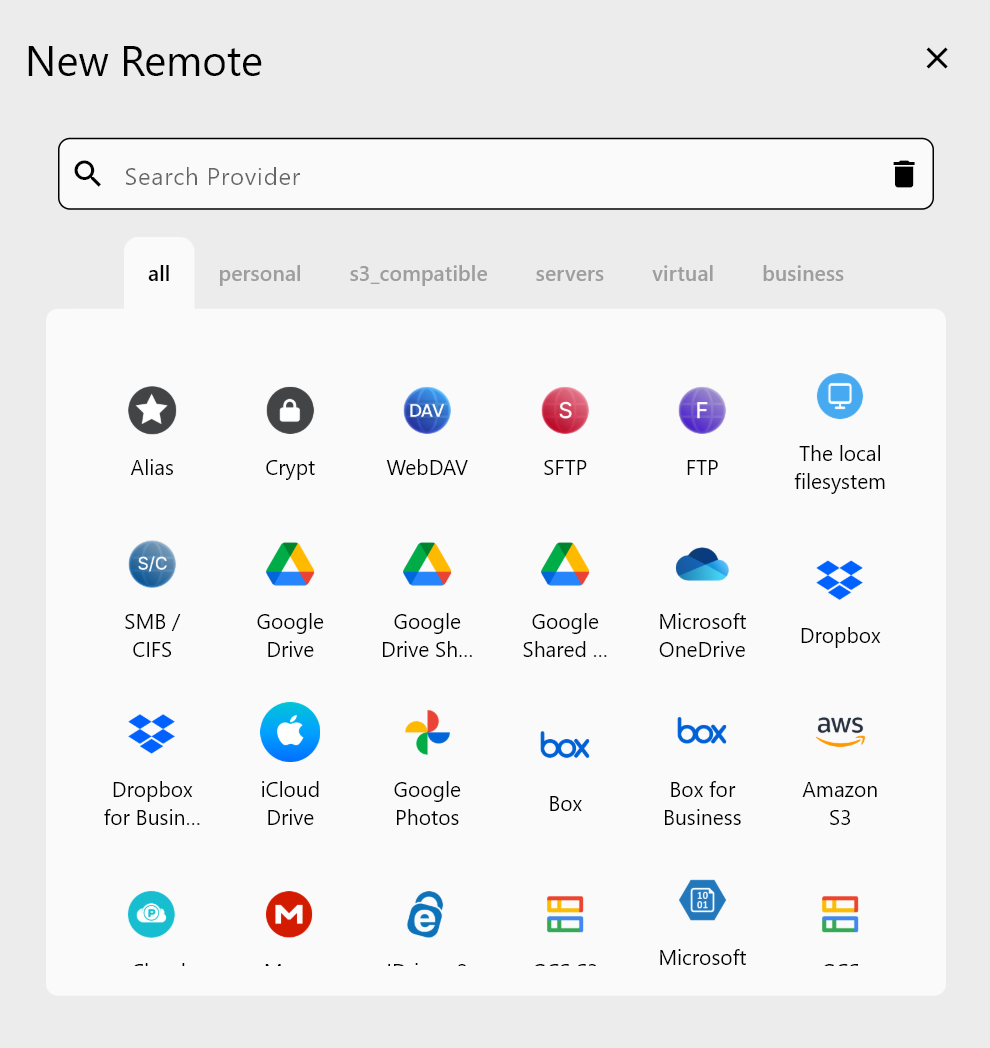
1) Add both remotes
2) Browse and assess
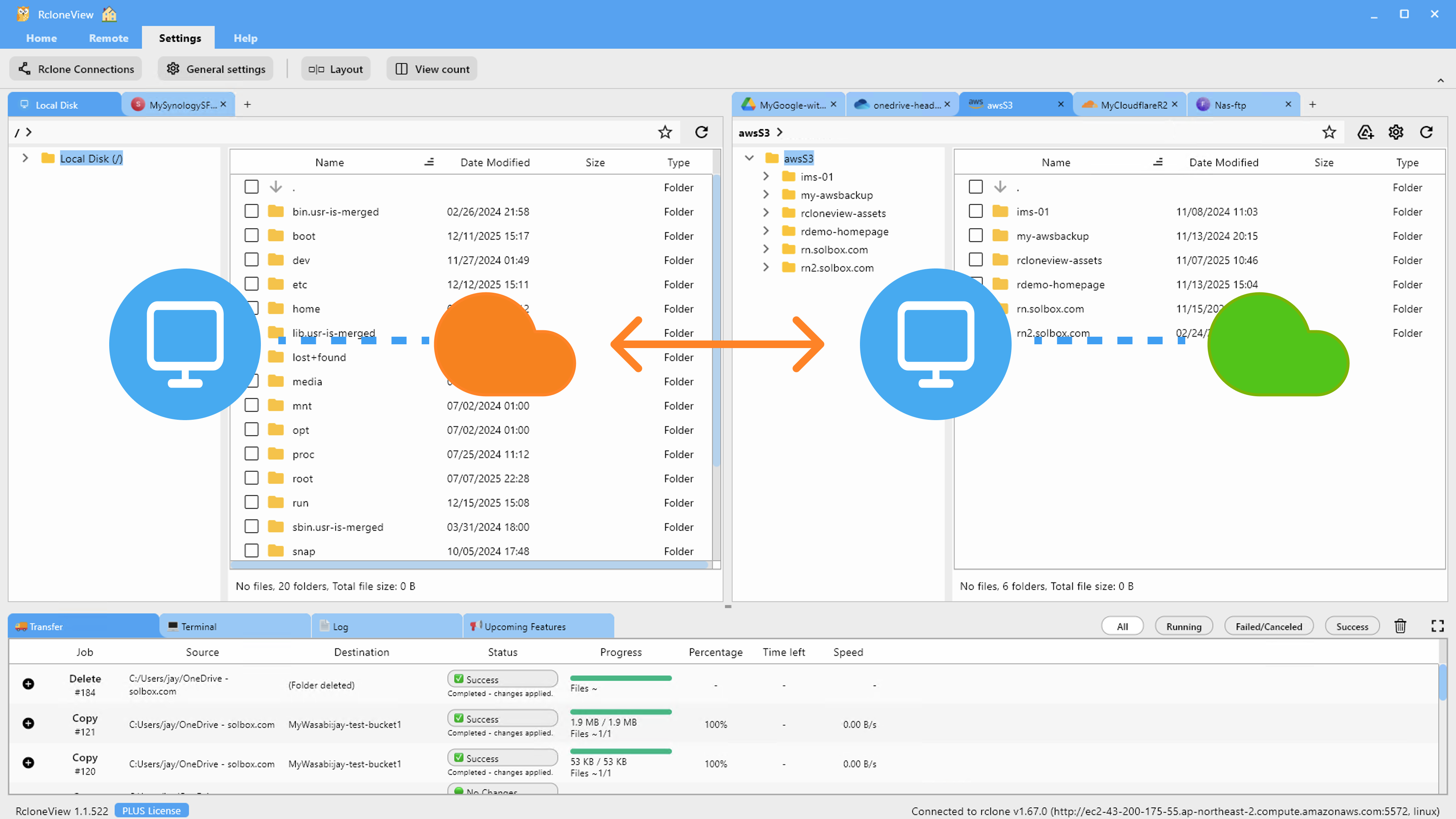
3) Run Copy job
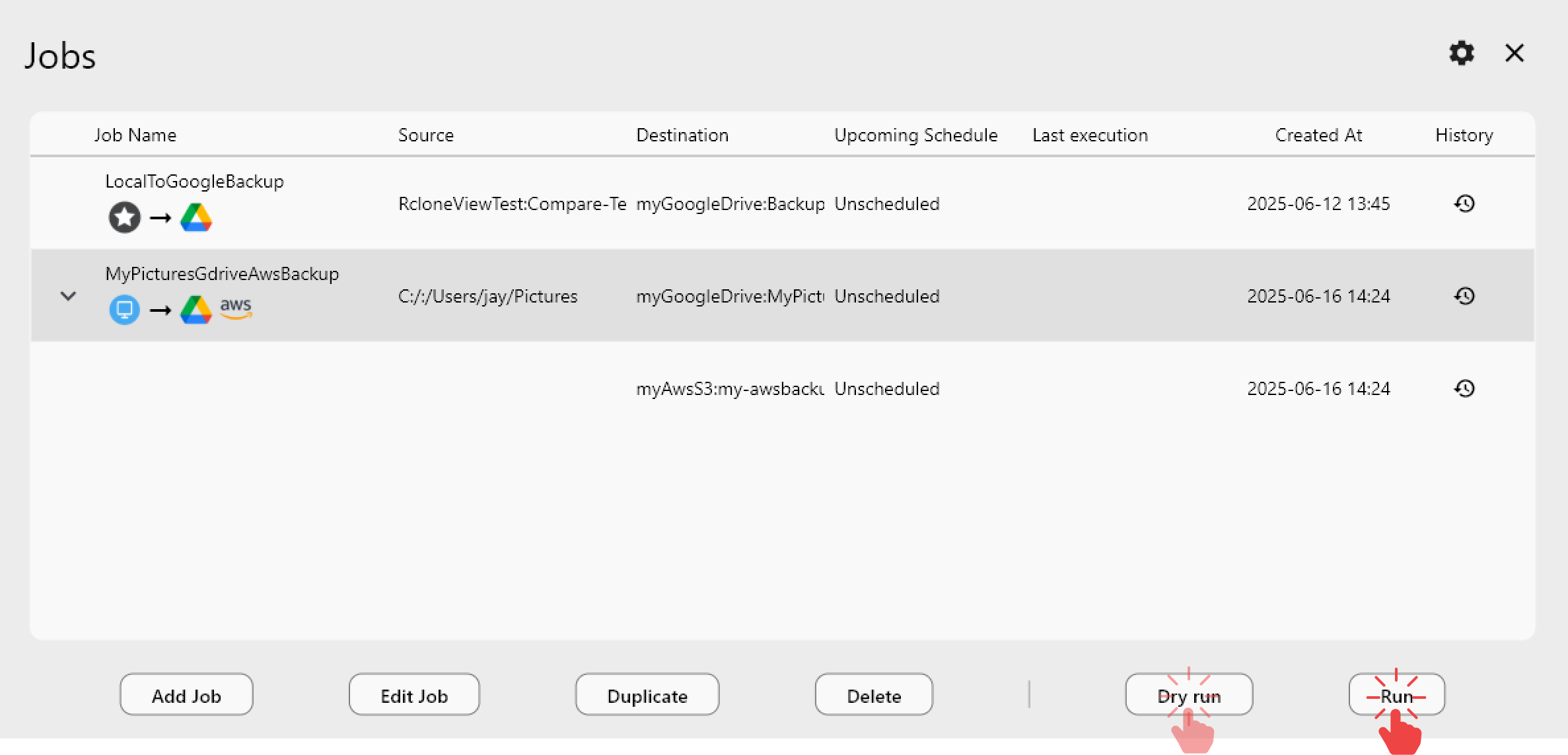
Use high parallelism (8–16 transfers) for optimal throughput.
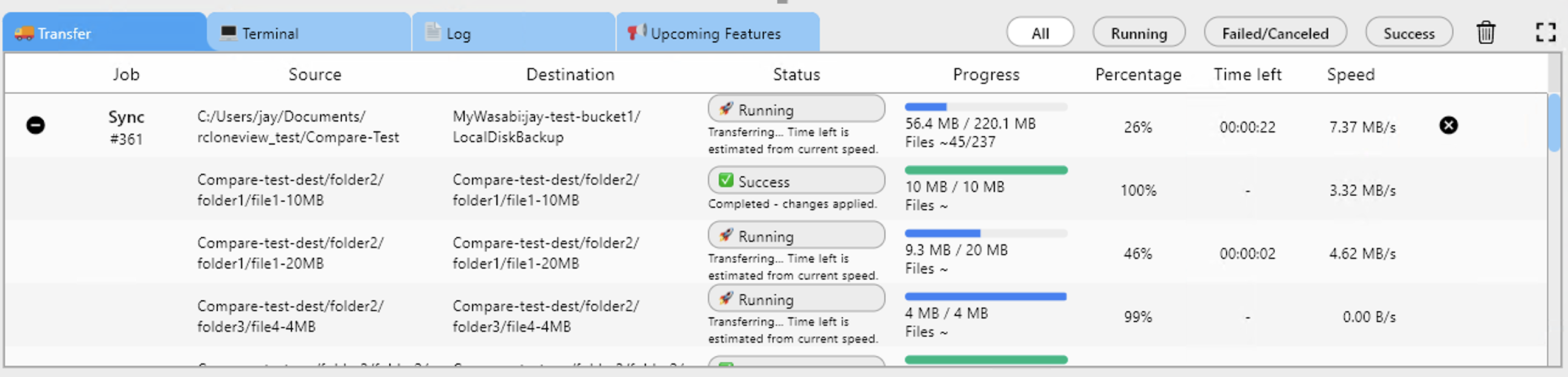
4) Monitor progress
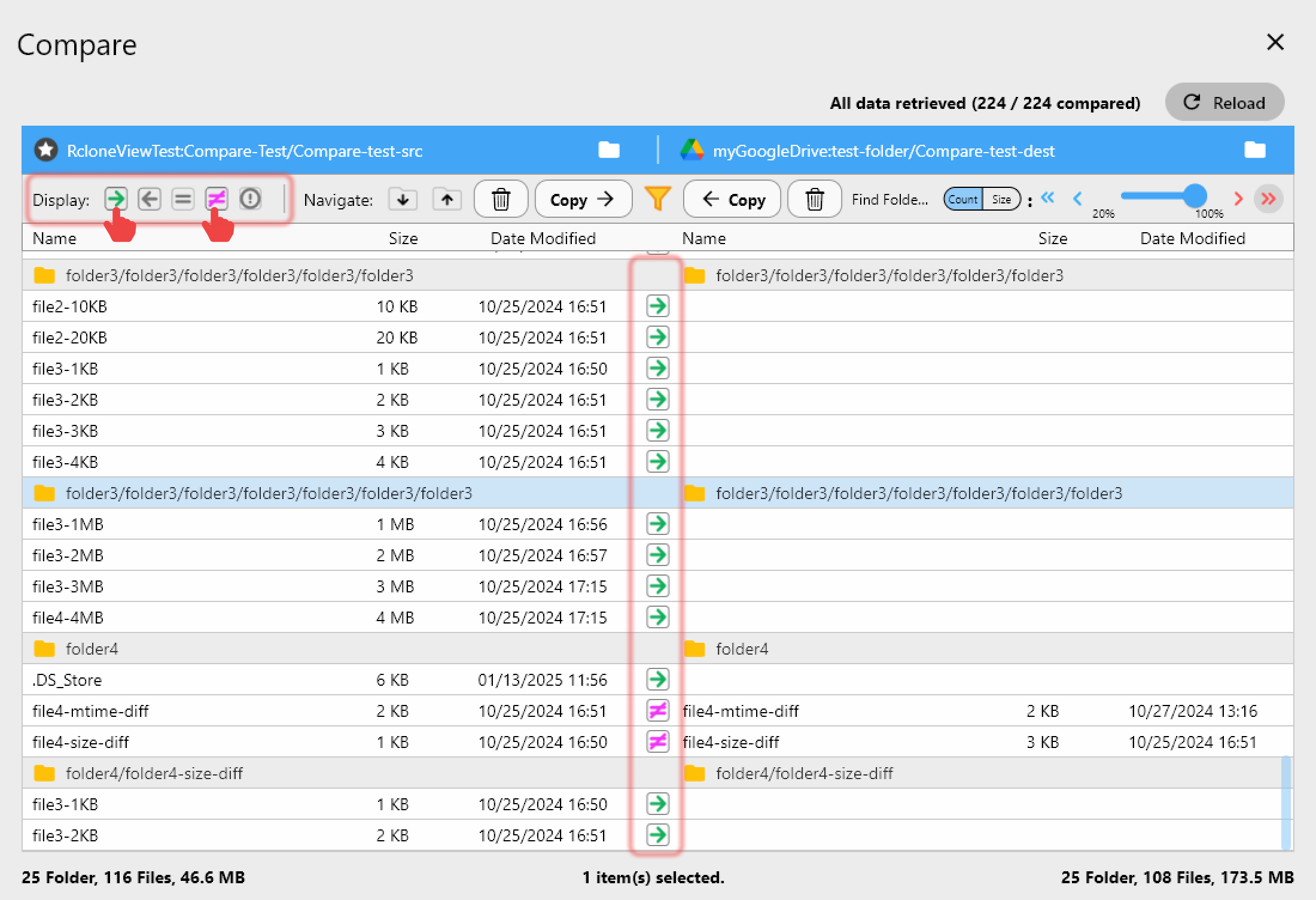
5) Verify completeness
Post-Migration
- Verify all data with Folder Comparison.
- Update application configs — change S3 endpoints to Azure endpoints.
- Test thoroughly — ensure all applications work with Azure.
- Run incremental sync to catch changes during migration.
- Keep S3 for 30 days as fallback.
- Decommission S3 after confirming stability.
Getting Started
- Download RcloneView from rcloneview.com.
- Add AWS S3 and Azure Blob as remotes.
- Run Copy job with monitoring.
- Verify with Folder Comparison.
Different clouds, same simple process.
Related Guides:
Supported Cloud Providers