Migrate OpenDrive to OneDrive — Transfer Files with RcloneView

Move an OpenDrive account's files straight into Microsoft OneDrive with RcloneView, without routing anything through a local download-then-upload step.
Consolidating storage onto fewer providers is a common reason to leave OpenDrive behind, especially for teams already standardized on Microsoft 365 for collaboration. RcloneView connects to both services in the same window and transfers data directly between them, so the migration doesn't depend on filling up local disk space with a temporary copy of everything first.
Manage & Sync All Clouds in One Place
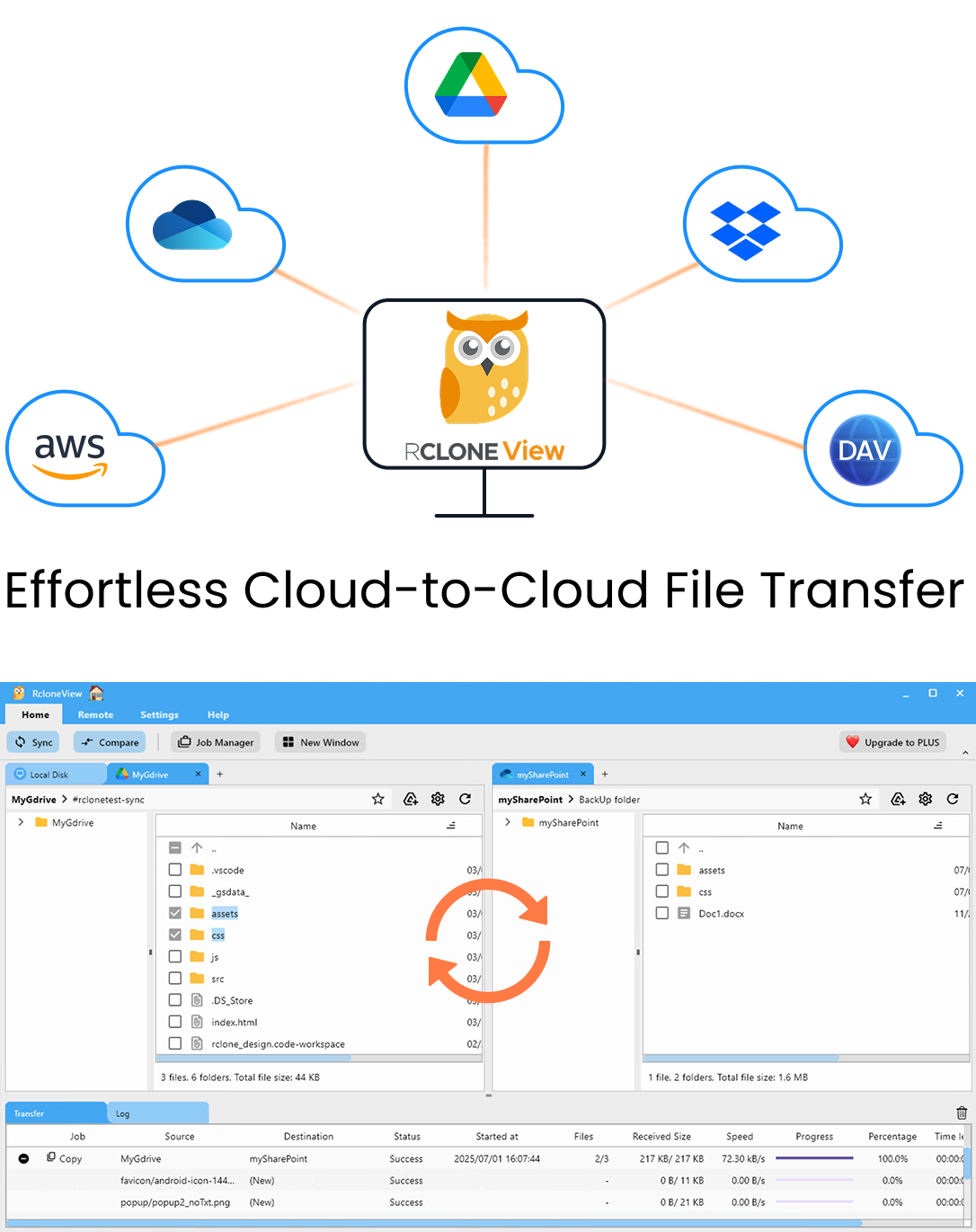
RcloneView is a cross-platform GUI for rclone. Compare folders, transfer or sync files, and automate multi-cloud workflows with a clean, visual interface.
- One-click jobs: Copy · Sync · Compare
- Schedulers & history for reliable automation
- Works with Google Drive, OneDrive, Dropbox, S3, WebDAV, SFTP and more
Free core features. Plus automations available.
Connecting Both Remotes
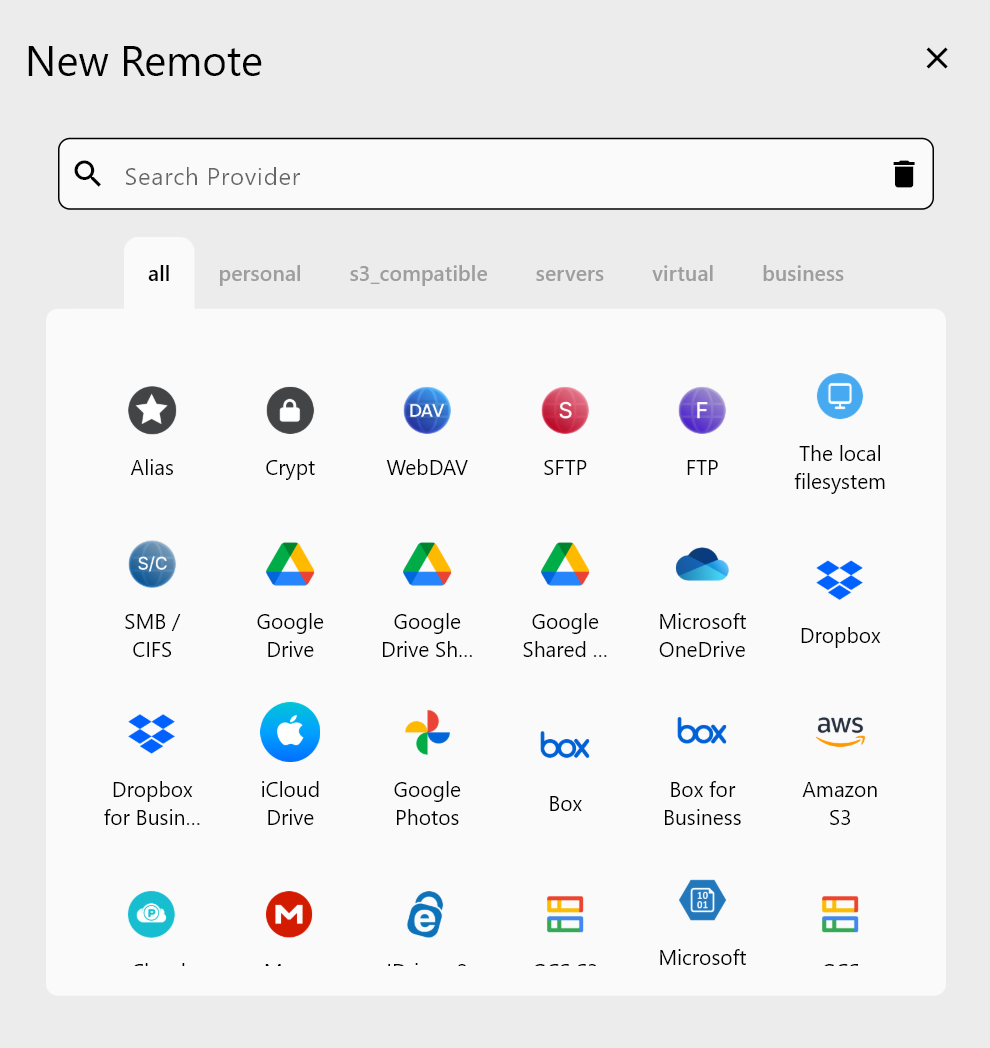
Add OpenDrive as a remote through the New Remote wizard, entering the account details it requests, then add OneDrive as a second remote using its browser-based OAuth login. Both remotes appear as separate tabs in the Explorer panel, and RcloneView mounts AND syncs 90+ providers from one window, on Windows, macOS, and Linux, so there's no need for a separate tool once both accounts are connected.
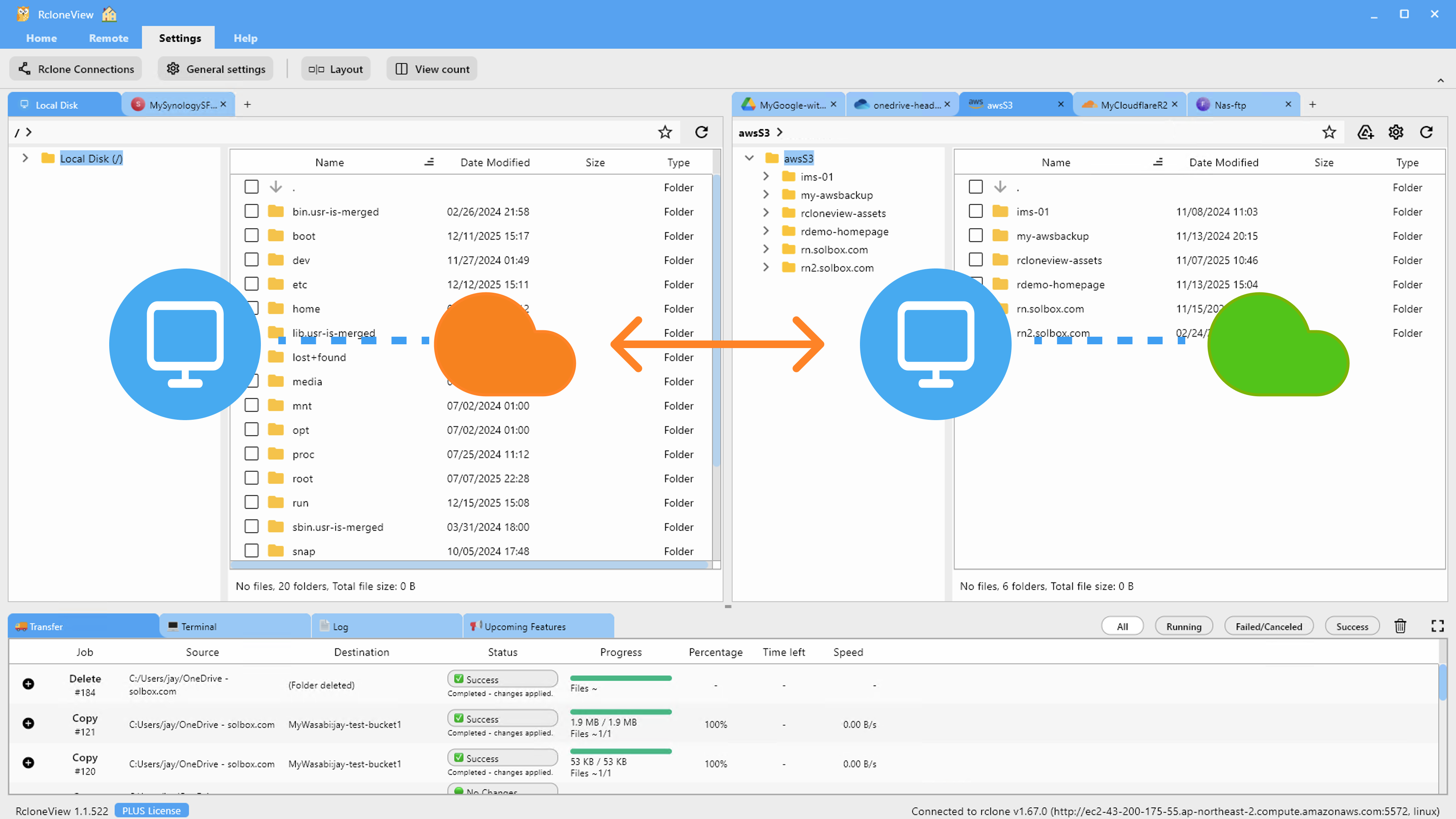
With both remotes visible side by side, drag-and-drop between them triggers a direct copy — dragging between different remotes always copies rather than moves, so the original OpenDrive files stay untouched until you've verified the transfer.
Running the Migration as a Sync Job
For a full account migration rather than a one-off folder copy, the 4-step Sync wizard is the more reliable path. Select the OpenDrive remote and folder as the source, OneDrive as the destination, and choose one-way sync so the destination is built out to match the source without any risk of changes flowing back. Advanced settings let you tune the number of concurrent file transfers and enable checksum comparison, which confirms each file matches by hash and size rather than relying on size alone — worth turning on for a migration where data integrity matters more than raw speed.
Before committing to the full run, Dry Run previews exactly which files will be copied, so you can catch anything unexpected — like a stale shared folder — before it lands in OneDrive.
Verifying the Transfer Completed Cleanly
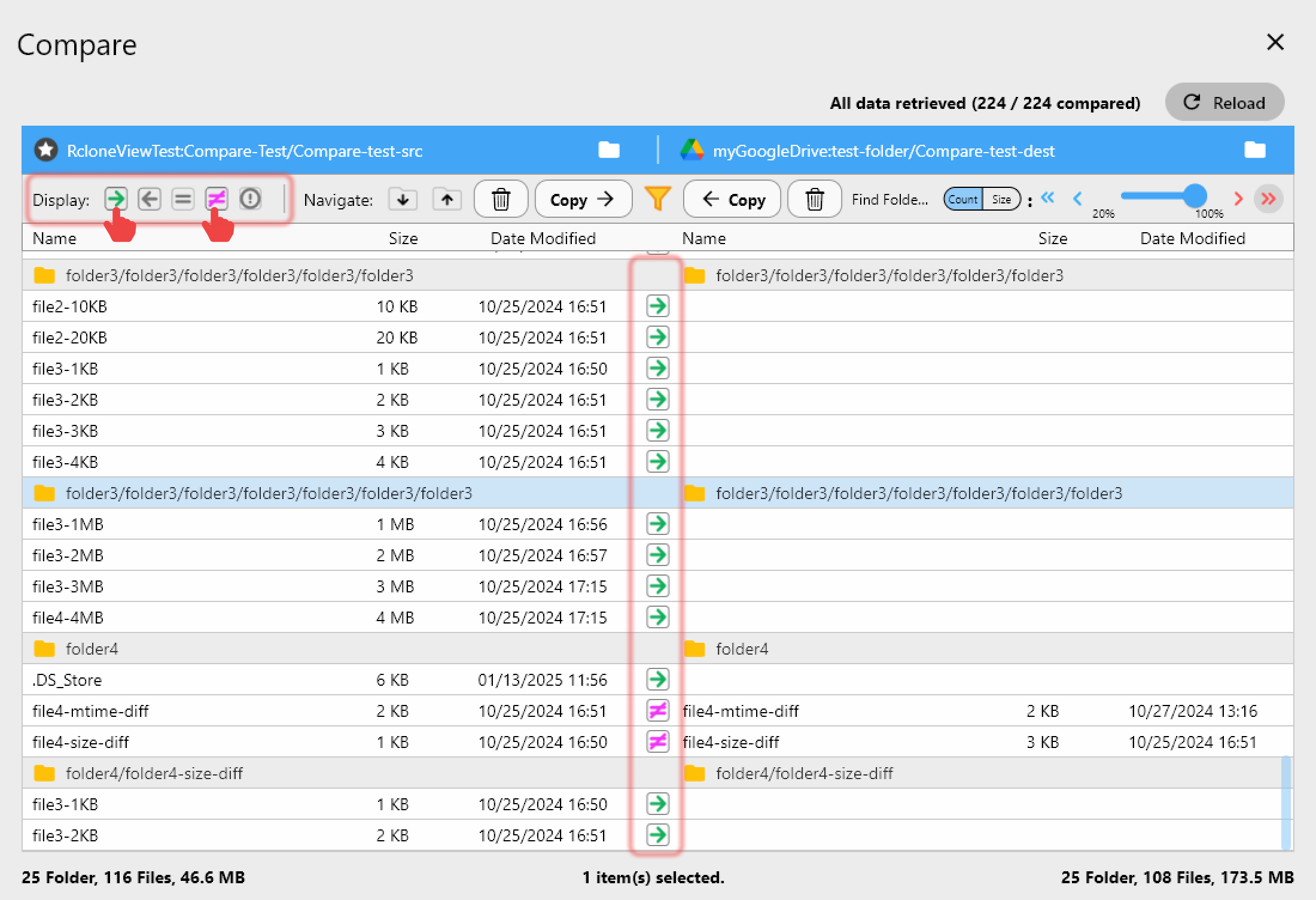
After the sync finishes, the Compare feature checks the OpenDrive source against the OneDrive destination side by side, flagging left-only files, right-only files, and anything with a different size. This catches partial transfers or skipped files before you consider the OpenDrive account safe to close, and any gaps it surfaces can be copied over directly from the comparison view.
Tracking the Migration in Job History
Every run of the migration job — whether it's a manual re-run to catch stragglers or a retry after a network hiccup — is logged in Job History with start time, duration, status, total size, and file count. That record is useful for confirming exactly what moved and when, which matters if you need to account for the migration later.
Getting Started
- Download RcloneView from rcloneview.com.
- Add both OpenDrive and OneDrive as remotes.
- Configure a one-way Sync job from OpenDrive to OneDrive, run a Dry Run first, then execute the transfer.
- Use Compare to verify every file landed before retiring the OpenDrive account.
A direct cloud-to-cloud migration keeps the process fast and avoids the local storage crunch that comes with downloading everything first.
Related Guides:
- Manage OneDrive Storage — Sync and Backup Files with RcloneView
- Sync OpenDrive to Google Drive — Cloud Backup with RcloneView
- Backup OpenDrive to AWS S3 — External Storage with RcloneView
Supported Cloud Providers