Cloud Storage for E-Commerce — Manage Product Images, Catalogs, and Backups with RcloneView
A mid-size online store has 10,000 product images, supplier catalogs in Dropbox, marketing assets on Google Drive, and backups on S3. Managing it all means logging into four different dashboards — or using one tool that connects them all.
E-commerce businesses generate a surprising amount of file data: product photography at multiple resolutions, supplier documents, marketing materials, order exports, and inventory data. These files end up scattered across multiple cloud accounts — photography on Google Drive, supplier files on Dropbox, CDN assets on S3, backups on B2. RcloneView unifies this chaos into a single, manageable interface.
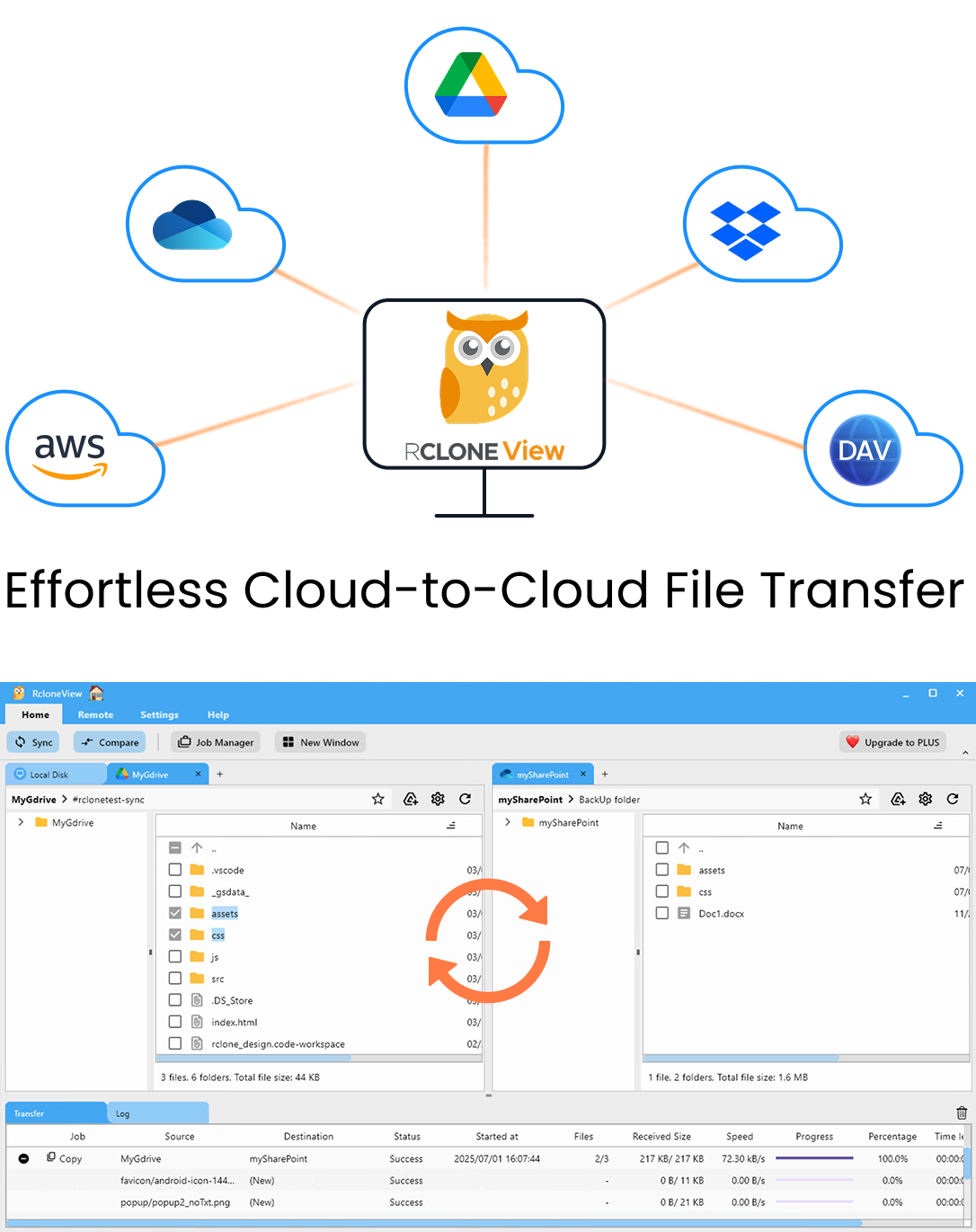
Manage & Sync All Clouds in One Place
RcloneView is a cross-platform GUI for rclone. Compare folders, transfer or sync files, and automate multi-cloud workflows with a clean, visual interface.
- One-click jobs: Copy · Sync · Compare
- Schedulers & history for reliable automation
- Works with Google Drive, OneDrive, Dropbox, S3, WebDAV, SFTP and more
Free core features. Plus automations available.
The E-Commerce File Challenge
A typical e-commerce operation juggles files across multiple platforms:
| File Type | Common Location | Volume |
|---|---|---|
| Product images (raw) | Google Drive, NAS | 50-500 GB |
| Optimized images | S3 / CDN | 10-100 GB |
| Supplier catalogs | Dropbox, email | 5-50 GB |
| Marketing assets | Google Drive | 10-100 GB |
| Order/inventory exports | OneDrive | 1-10 GB |
| Backups | Backblaze B2 | Full mirror |
Key Workflows
Distribute product images to CDN
After photographing products, push optimized images from your editing workspace to S3 for CDN delivery:
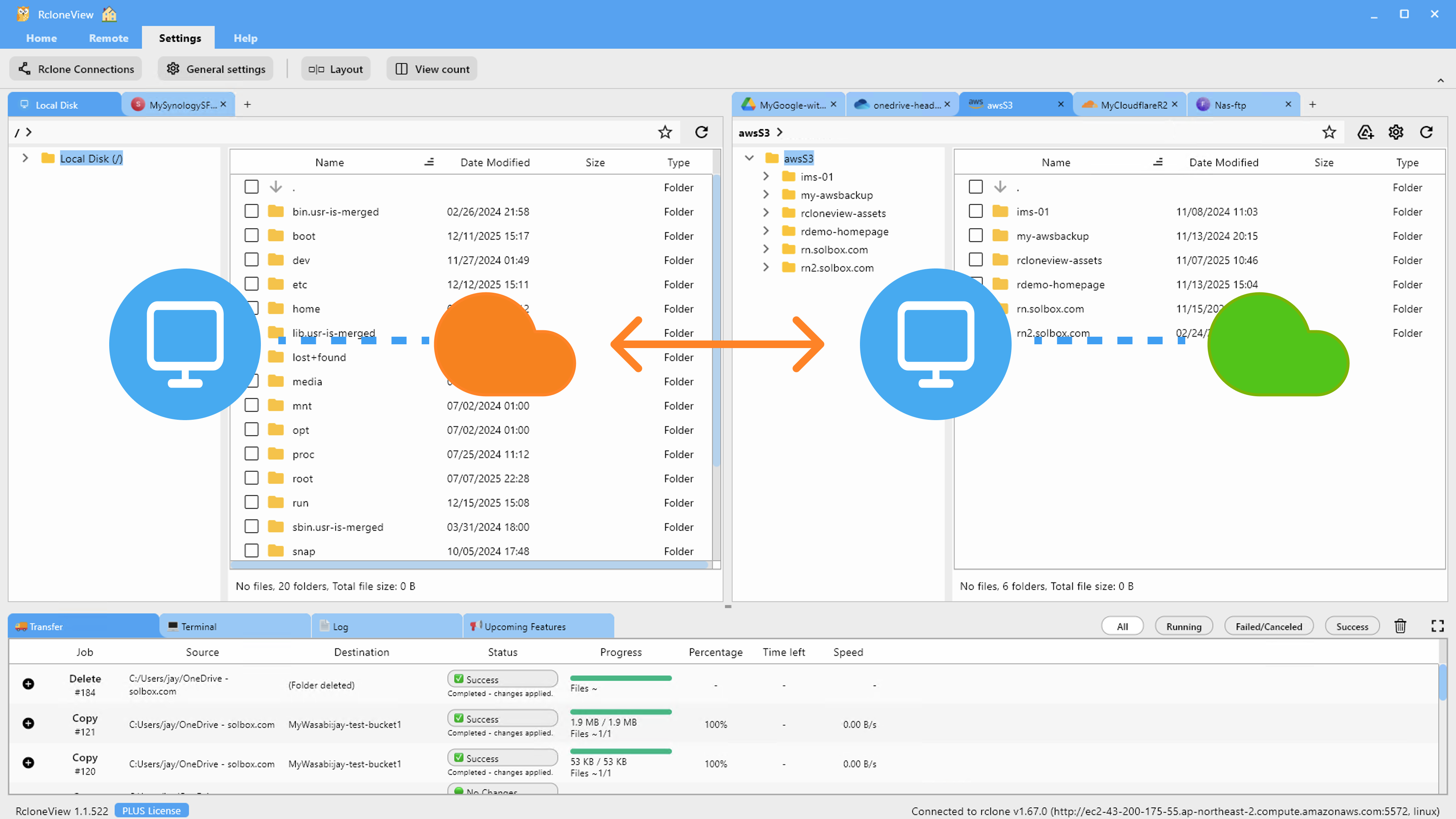
Consolidate supplier files
Suppliers send catalogs through various channels. Sync everything into one organized location:
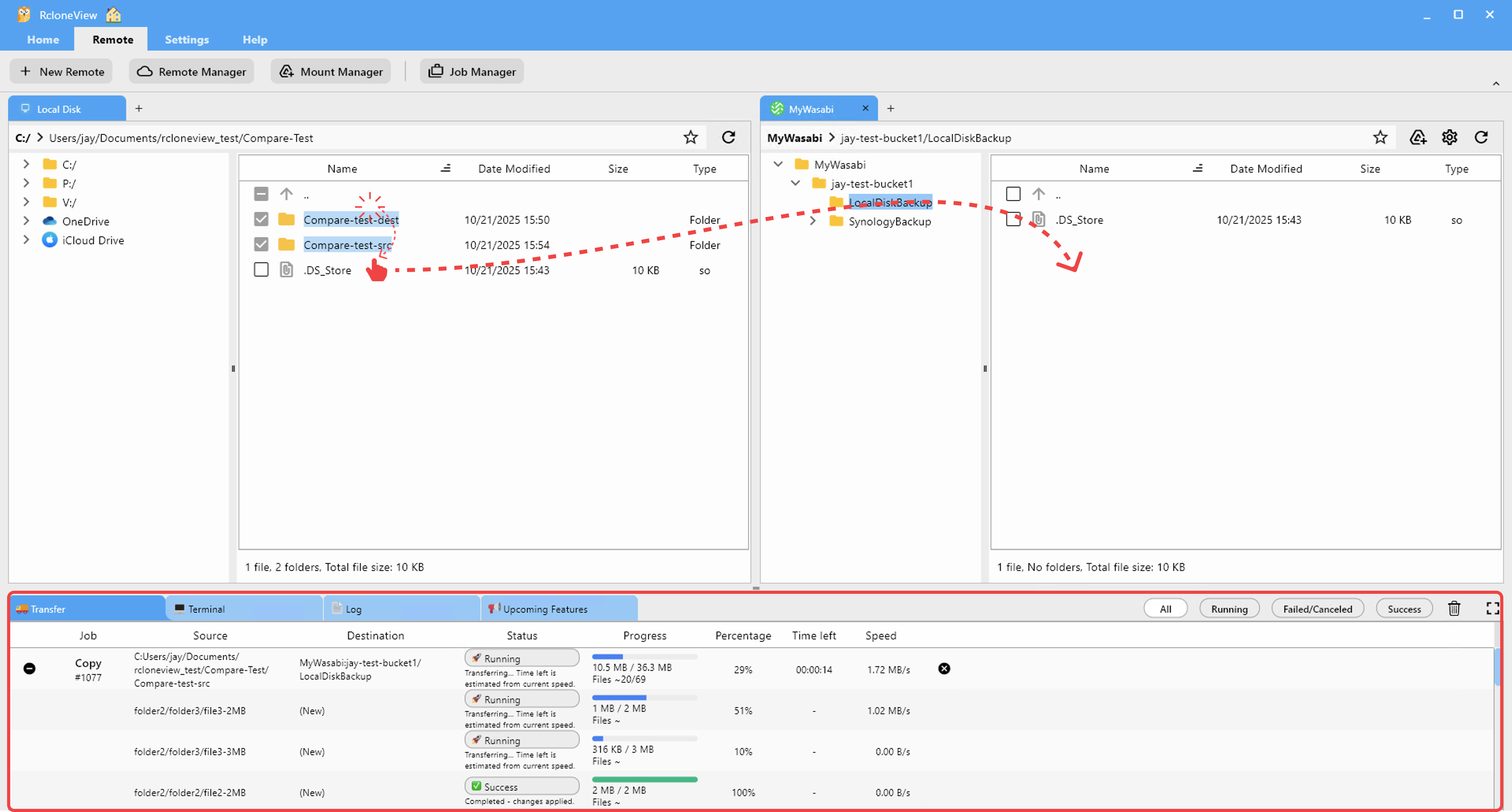
Back up everything automatically
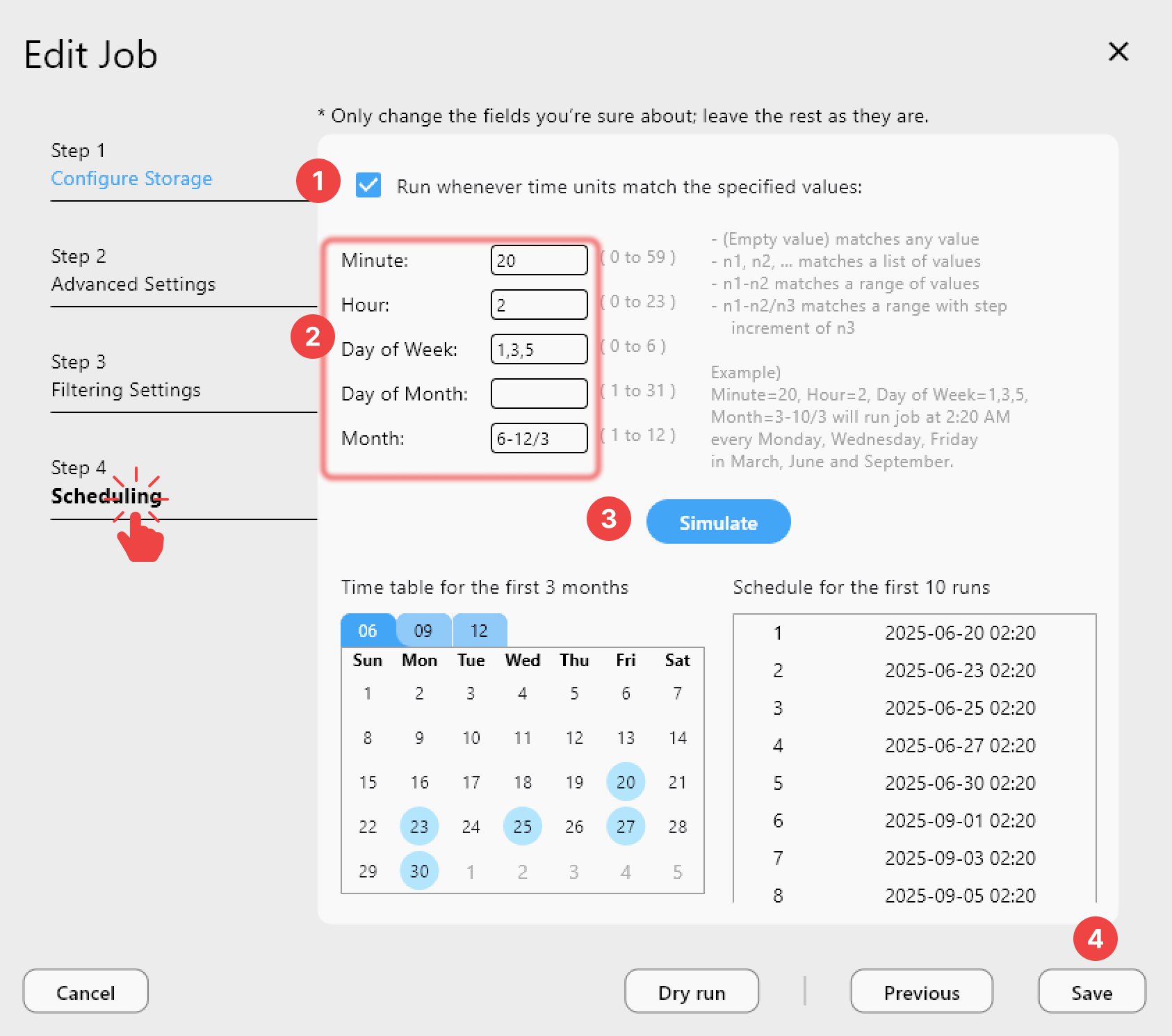
Schedule nightly backups of all your e-commerce data to a single backup destination:
Verify backup completeness
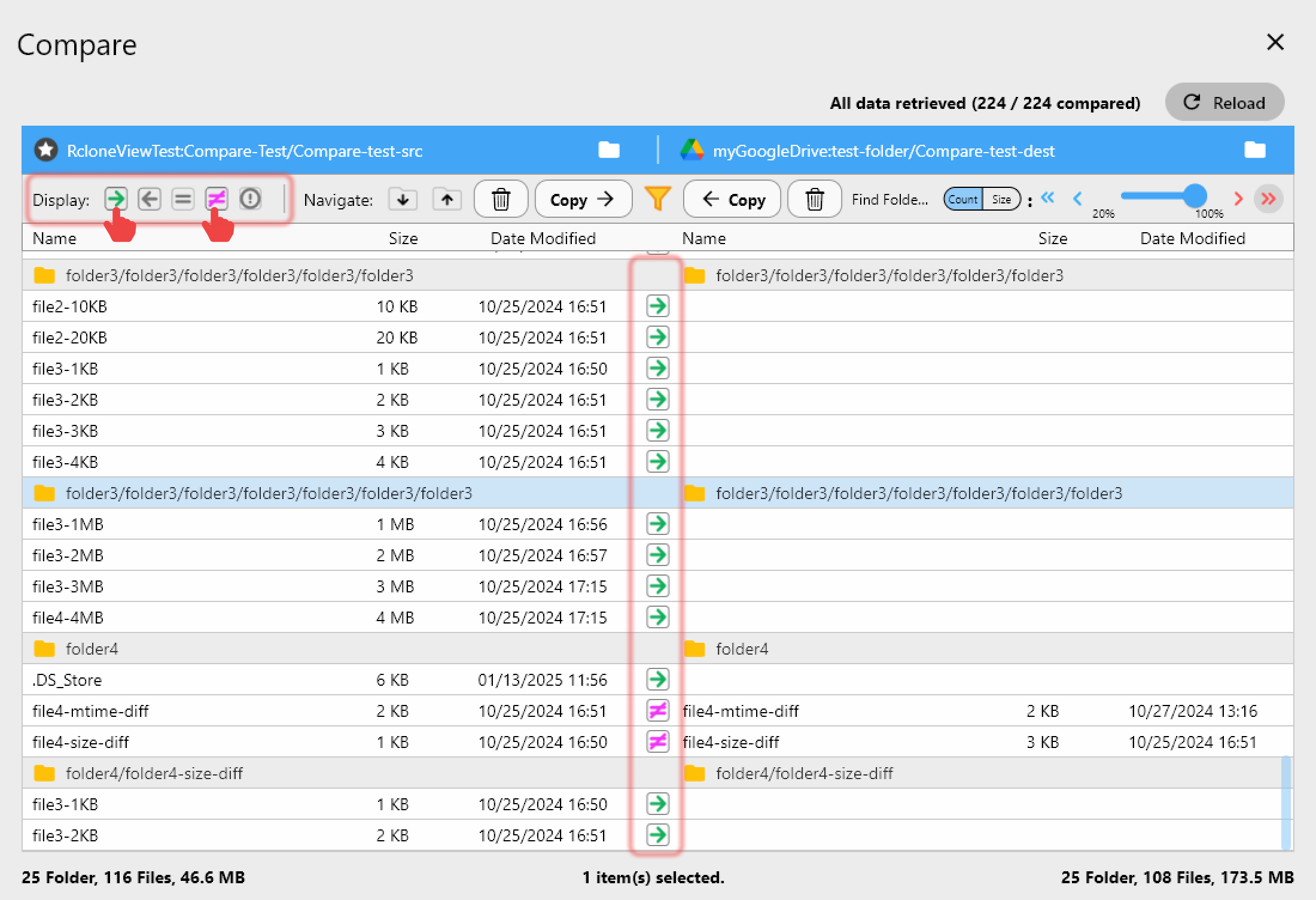
Use Folder Comparison to confirm that your backup matches your production data:
Seasonal archive
After peak season, archive older product images and order data to cold storage to reduce costs.
Cost-Effective Strategy
| Tier | Use | Provider | Approx. Cost |
|---|---|---|---|
| Active | Daily operations | Google Drive, S3 | Standard pricing |
| CDN | Public product images | S3, CloudFlare R2 | Low egress |
| Backup | Nightly mirror | Backblaze B2 | ~$5/TB/mo |
| Archive | Past seasons | S3 Glacier | ~$1/TB/mo |
RcloneView automates the flow between tiers.
Getting Started
- Download RcloneView from rcloneview.com.
- Connect all your cloud accounts — Google Drive, S3, Dropbox, B2.
- Organize your files with the two-pane explorer.
- Schedule backups for overnight automation.
- Archive seasonally to control costs.
Your product data is your business. Protect and organize it accordingly.
Related Guides:
Supported Cloud Providers