Cloud Storage for Photographers — Back Up RAW Files, Sync Lightroom Catalogs, and Deliver to Clients
You come home from a wedding shoot with 2,000 RAW files totaling 80 GB. They need to be backed up tonight, the best shots need to be edited and delivered to the client by Friday, and the archive needs to be kept for years. Here's how to automate all of that.
Photography is one of the most storage-intensive creative professions. RAW files from modern cameras range from 25–100 MB each. A single event can generate hundreds of gigabytes. Most photographers juggle local drives, NAS, and multiple cloud accounts — with no unified management tool. RcloneView changes that.
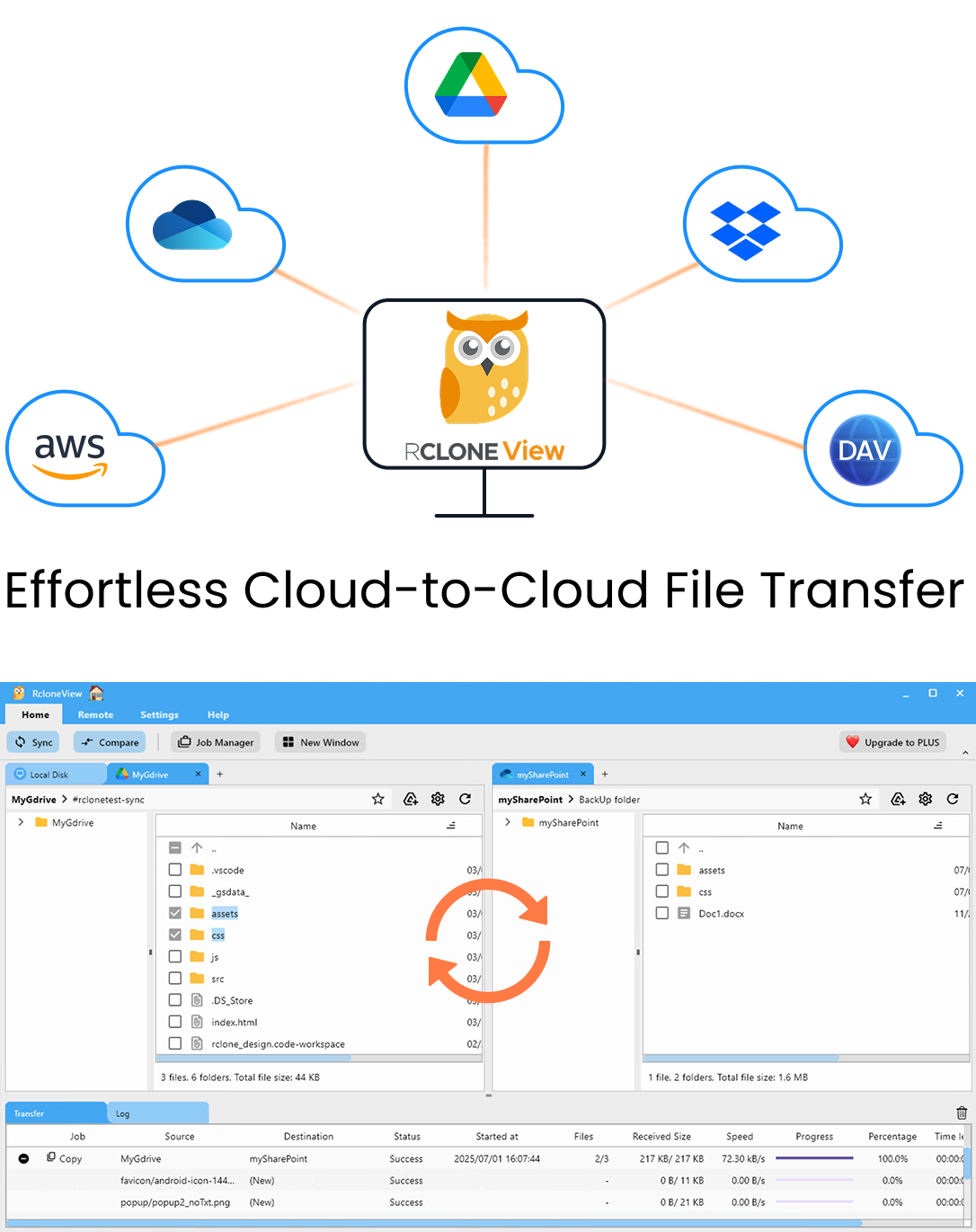
Manage & Sync All Clouds in One Place
RcloneView is a cross-platform GUI for rclone. Compare folders, transfer or sync files, and automate multi-cloud workflows with a clean, visual interface.
- One-click jobs: Copy · Sync · Compare
- Schedulers & history for reliable automation
- Works with Google Drive, OneDrive, Dropbox, S3, WebDAV, SFTP and more
Free core features. Plus automations available.
The Photography Storage Problem
Storage lifecycle
| Phase | Data | Size | Duration |
|---|---|---|---|
| Ingest | Camera cards → Local SSD | 50–200 GB/shoot | Hours |
| Edit | Lightroom/Capture One + RAW | Same | Days–weeks |
| Deliver | JPEGs to client | 2–10 GB | After editing |
| Archive | RAW + edits + finals | 50–200 GB | Years |
What can go wrong
- Drive failure — A single hard drive crash can destroy an entire wedding.
- No off-site backup — Fire, theft, or flood takes out local copies.
- Client delivery — Manual upload to Google Drive or Dropbox after every job.
- Archive sprawl — Old shoots scattered across multiple drives with no organization.
RcloneView Photography Workflow
1) Connect your storage ecosystem
Add your local drives, NAS, and cloud accounts:
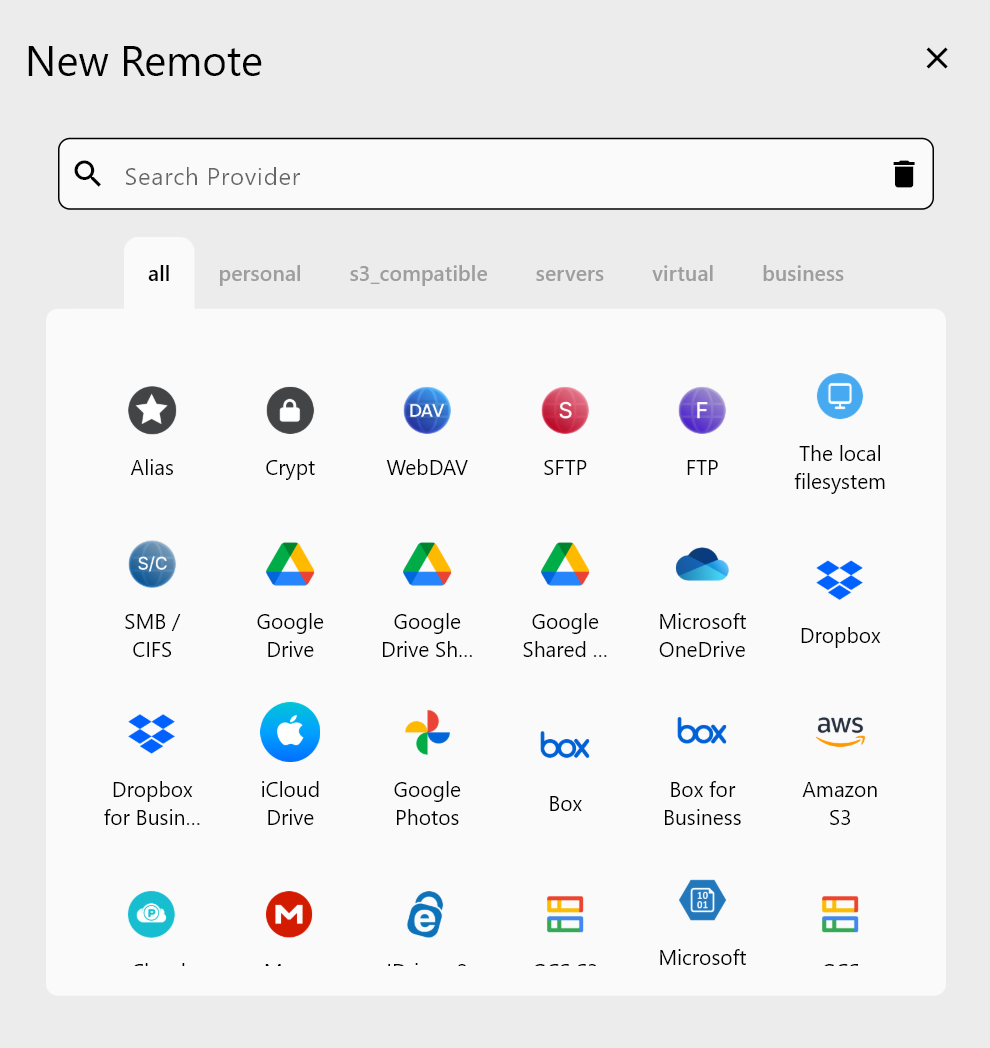
Typical setup:
- Local NVMe SSD (active editing).
- Synology NAS (central storage).
- Backblaze B2 (off-site archive).
- Google Drive (client delivery).
2) Immediate backup after ingest
After importing from camera cards, run a Copy job from your working drive to NAS:
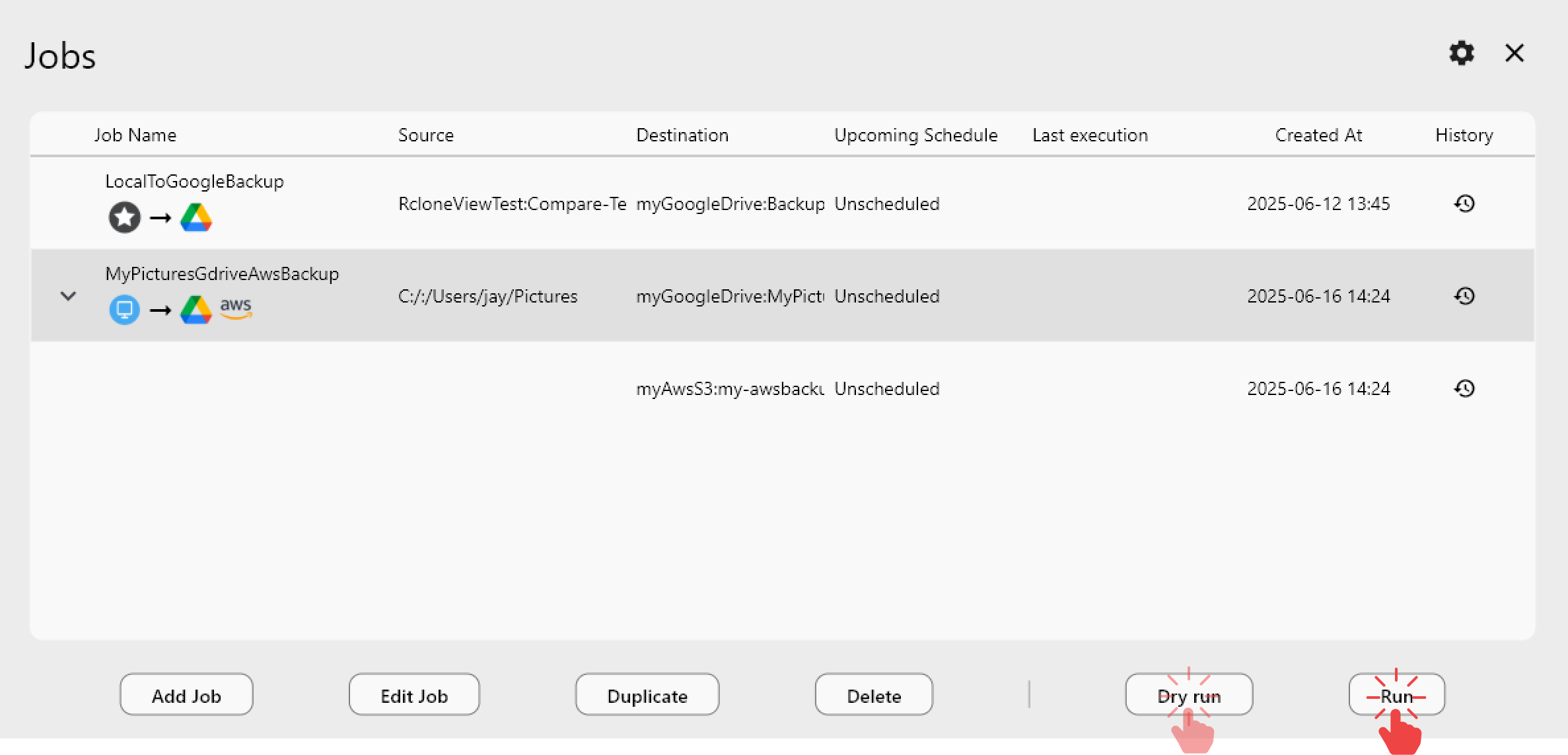
3) Schedule nightly off-site backup
Back up your NAS to cloud storage every night:
NAS → Backblaze B2 (encrypted, nightly)
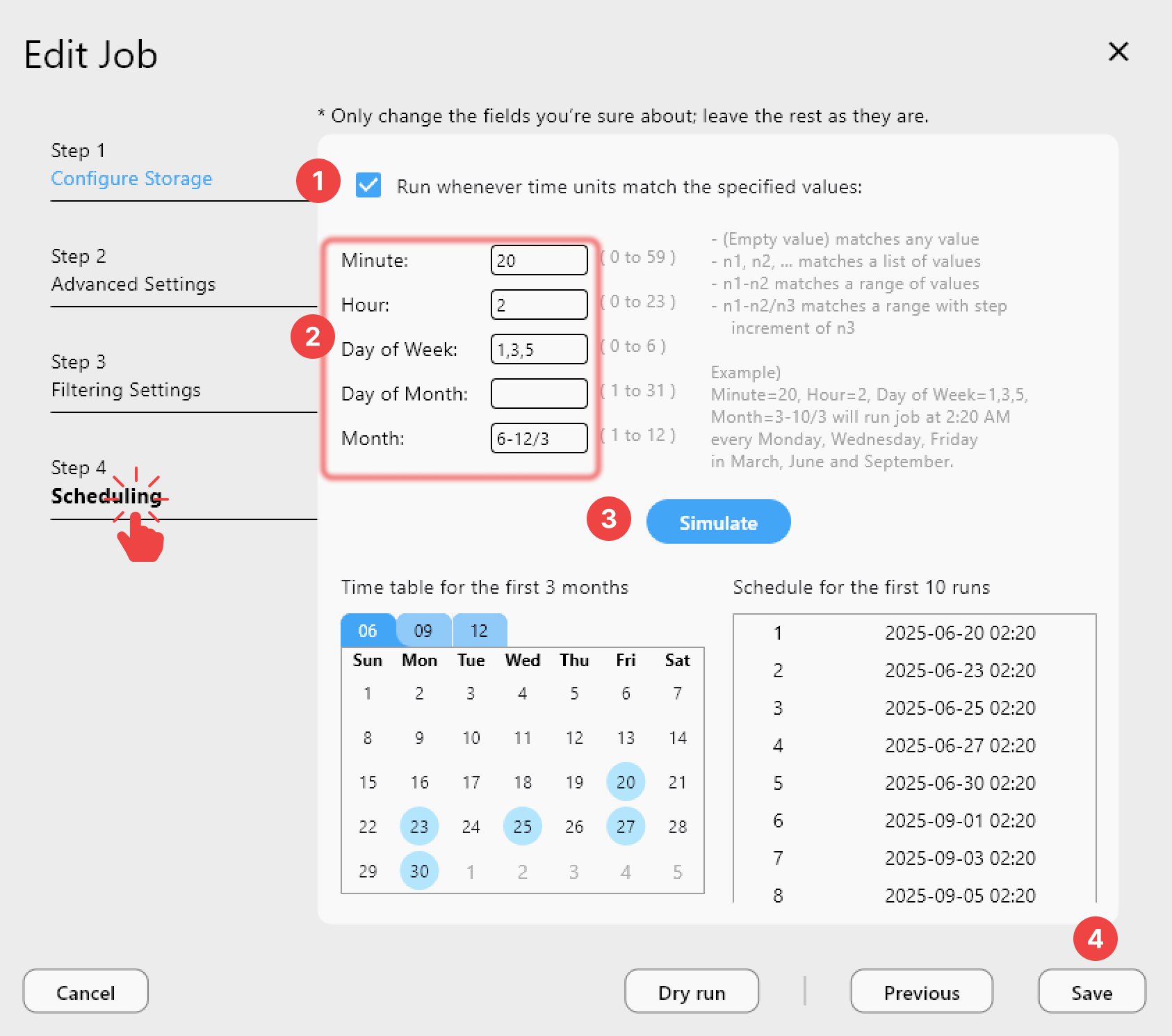
At $6/TB/month, B2 is affordable even for multi-TB archives.
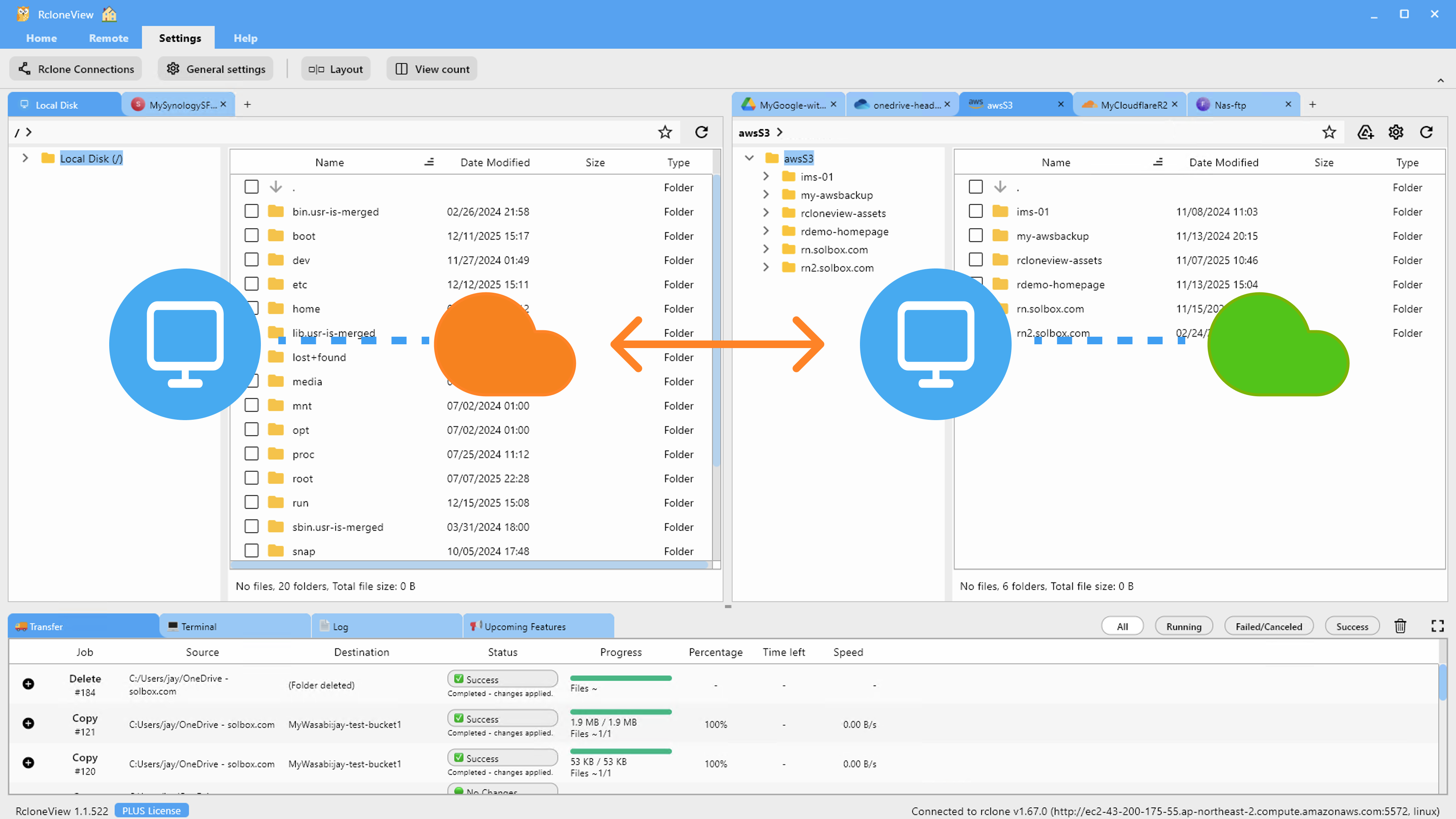
4) Client delivery
When edits are done, copy the final JPEGs to the client's Google Drive or Dropbox folder:
5) Archive completed jobs
After client approval, move the entire project to archive storage:
- Use Move to free up space on your working drive.
- Archive goes to NAS + B2 (redundant copies).
Filter Rules for Photographers
Use rclone filters to manage different file types:
Back up only RAW files
--include "*.cr3"
--include "*.nef"
--include "*.arw"
--include "*.raf"
--include "*.dng"
--exclude "*"
Deliver only finals
--include "*/Finals/**"
--include "*/Delivery/**"
--exclude "*"
Skip previews and cache
--exclude "Lightroom Catalog Previews.lrdata/**"
--exclude ".cache/**"
--exclude "Thumbs.db"
Verify Your Backups
Verify that your NAS and cloud archive match:
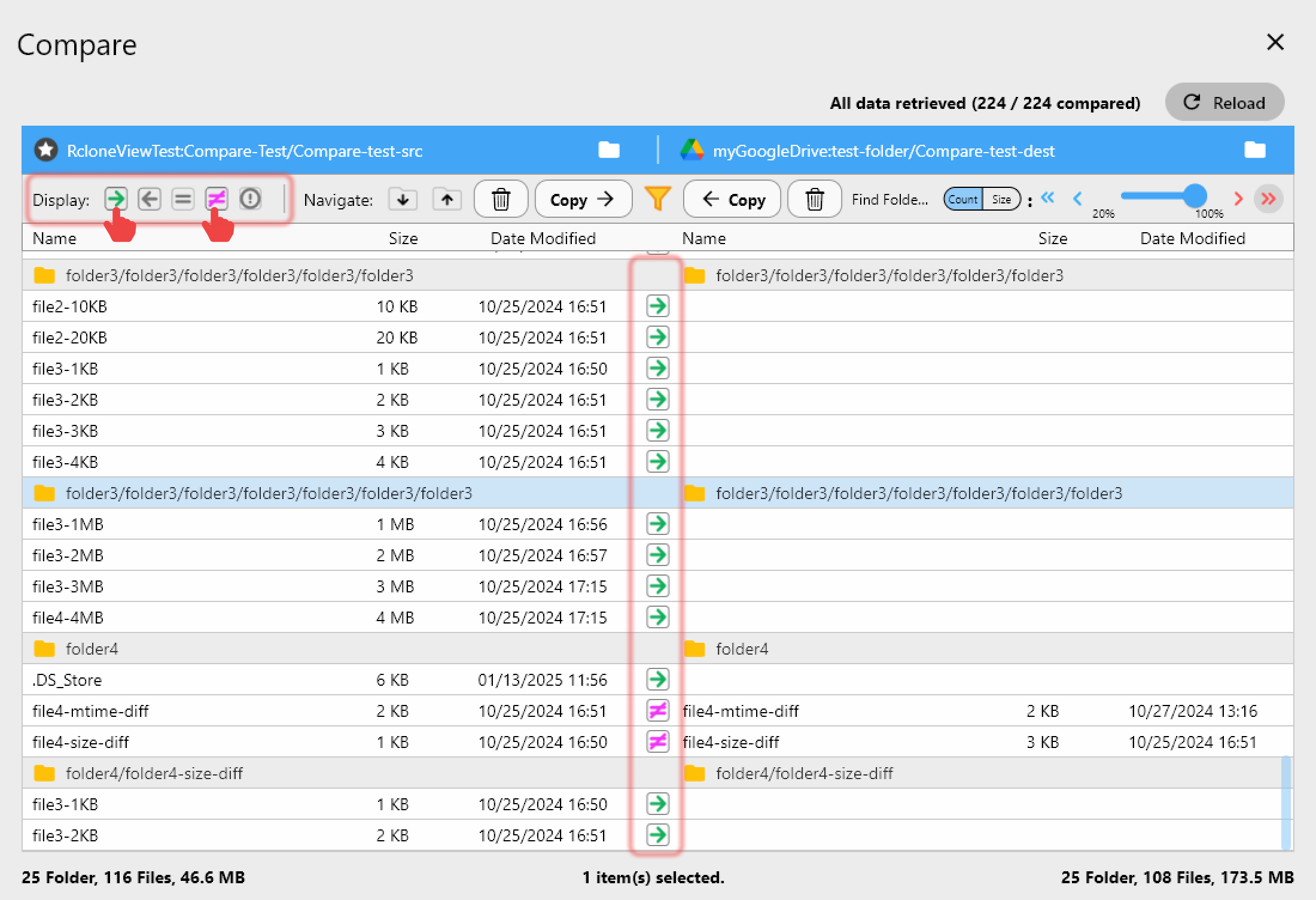
For irreplaceable photos, verification isn't optional.
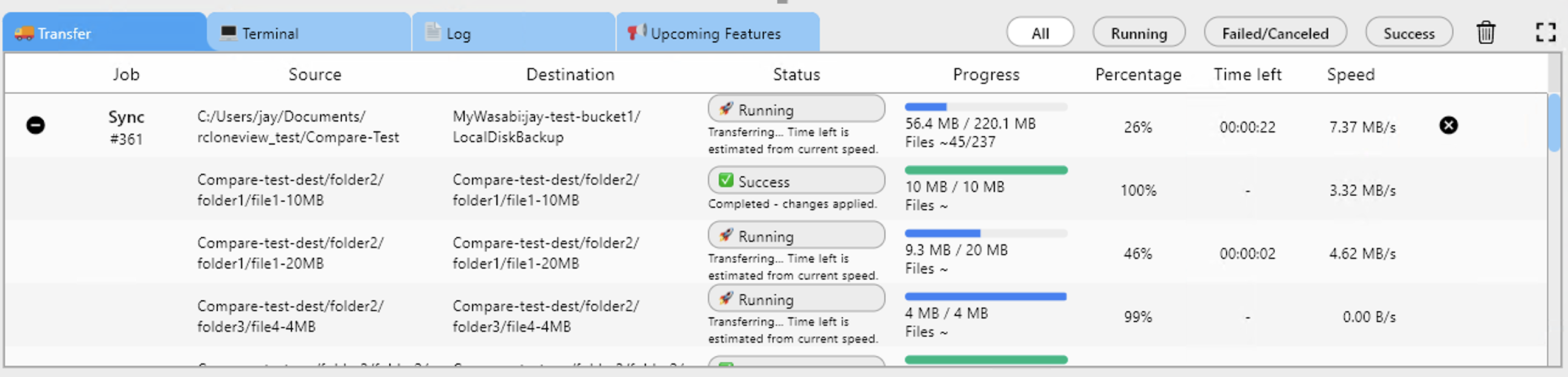
Monitor Large Transfers
RAW file transfers are big. Monitor progress:
Recommended Storage Architecture
| Storage | Purpose | Cost |
|---|---|---|
| Local NVMe (1–2 TB) | Active editing | One-time purchase |
| NAS (Synology 4-bay) | Central storage, local archive | One-time + drives |
| Backblaze B2 | Off-site encrypted backup | $6/TB/month |
| Google Drive | Client delivery | $10/month (2 TB) |
Batch Jobs for End-to-End Workflow
Automate the entire post-shoot workflow with v1.3 Batch Jobs:
- Copy RAW from working drive → NAS.
- Copy Finals from NAS → Client Google Drive.
- Copy RAW from NAS → Backblaze B2 (encrypted).
- Compare NAS vs B2 to verify.
- Notify via Slack when complete.
One click after every shoot.
Getting Started
- Download RcloneView from rcloneview.com.
- Connect your drives, NAS, and cloud accounts.
- Create backup and delivery jobs.
- Schedule nightly archive backups.
- Verify with Folder Comparison — your photos are irreplaceable.
Every photographer needs a backup plan. Make it automated.
Related Guides:
Supported Cloud Providers