Fix Backblaze B2 Upload Errors — Troubleshoot Cloud Transfer Issues with RcloneView

Diagnose and fix the most common Backblaze B2 upload errors directly from RcloneView's interface — without touching the command line.
Backblaze B2 is a popular object storage backend for backups and archives, but upload errors surface for several reasons: expired or misconfigured credentials, bucket permission mismatches, API rate limits, or stalled transfers on large files. A video production company pushing daily render outputs to a B2 bucket, or a developer syncing a multi-terabyte dataset, can hit these issues without a clear path to resolution. RcloneView provides the diagnostic tools and transfer controls to identify and fix these problems from a single GUI interface — including detailed error logs, remote credential editing, and per-job transfer tuning.
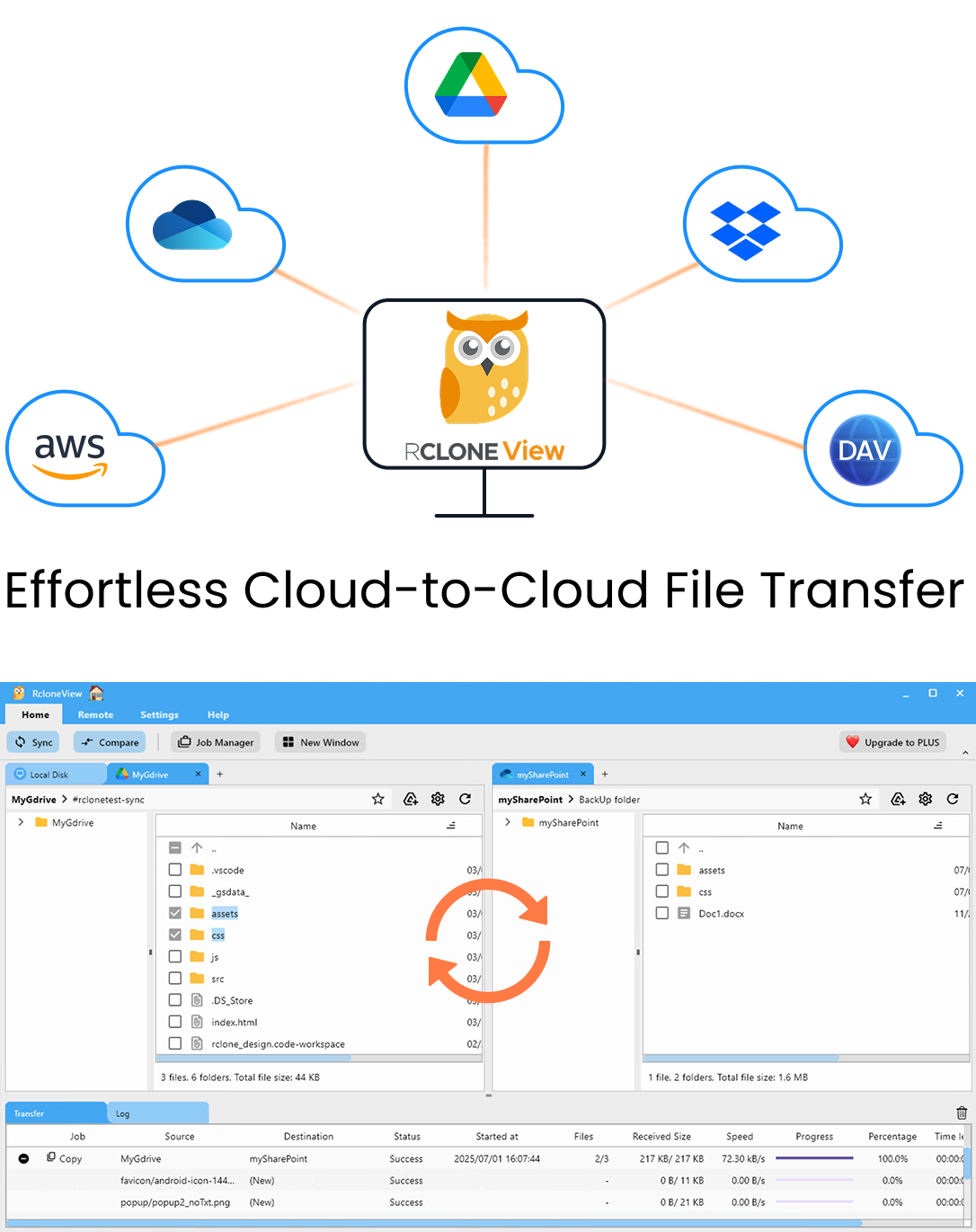
Manage & Sync All Clouds in One Place
RcloneView is a cross-platform GUI for rclone. Compare folders, transfer or sync files, and automate multi-cloud workflows with a clean, visual interface.
- One-click jobs: Copy · Sync · Compare
- Schedulers & history for reliable automation
- Works with Google Drive, OneDrive, Dropbox, S3, WebDAV, SFTP and more
Free core features. Plus automations available.
Diagnosing Authentication and Credential Errors
The most frequent cause of B2 upload failures is invalid or expired credentials. Backblaze B2 uses Application Key IDs and Application Keys — not your main account password — and these keys can be deleted or rotated in the B2 console at any time. When RcloneView encounters an Unauthorized or "Bad credentials" error, the cause is almost always a key mismatch.
To diagnose this in RcloneView, open the Remote tab and click Remote Manager. Locate your B2 remote and click Edit to review the configured Application Key ID. Compare this value against the keys listed in your Backblaze B2 console under App Keys. If the key has been deleted or is no longer visible, generate a new Application Key and update the remote configuration in RcloneView with the new credentials.
Another common authentication issue is key scope. Application keys in B2 can be restricted to specific buckets. If your key was created with access to bucket A but you are trying to upload to bucket B, the transfer will fail with a permissions error. Always verify that your key's bucket scope matches the destination bucket configured in your sync job.
Fixing Rate Limiting and Slow Transfers
Backblaze B2 applies rate limits on API calls, which can cause uploads to fail or stall when too many concurrent requests run simultaneously. In RcloneView, address this by adjusting the transfer concurrency settings on your sync job. Open the job in Job Manager, navigate to Step 2 (Advanced Settings), and reduce the Number of file transfers to 2 or 3. For the Number of multi-thread transfers, setting this to 0 disables multi-part chunking and reduces total API call volume.
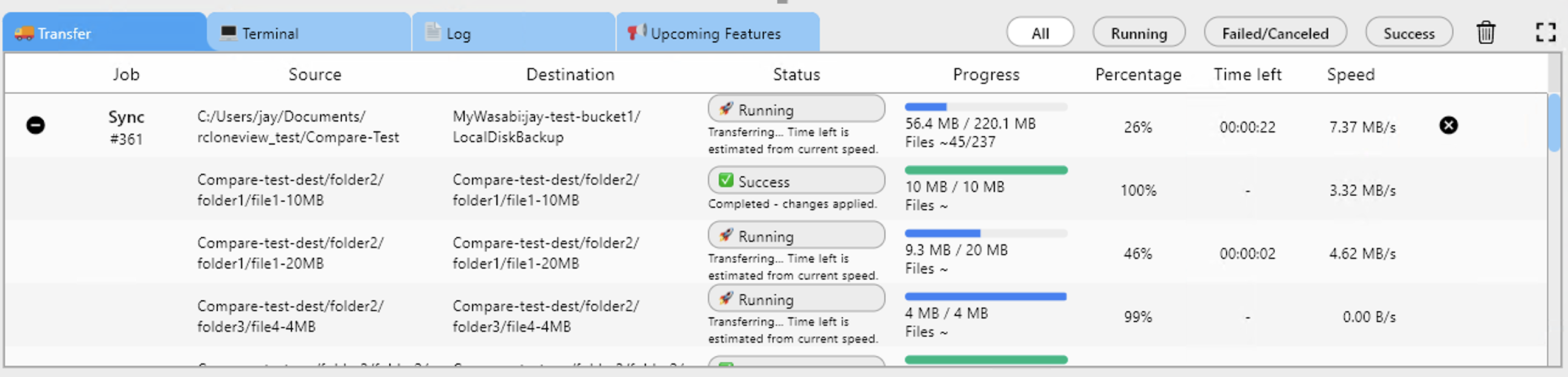
If you need to run B2 transfers alongside other operations without saturating your connection, RcloneView's Transferring tab shows live speed and file counts. Watch for transfers that start fast and then degrade — this indicates B2 is rate-capping your connection. Reducing concurrency and restarting the job typically resolves intermittent rate-limit failures.
Resolving Large File and Permission Errors
Backblaze B2 splits files larger than 5 MB into parts using multipart upload. If a multipart upload is interrupted mid-transfer — due to a network drop or app restart — incomplete parts can remain in B2, blocking re-uploads from completing cleanly. RcloneView's built-in retry mechanism (configurable in Step 2 under "Retry entire sync if fails") handles most transient failures automatically. For persistent failures on large files, running a fresh sync job clears stalled multipart state and restarts cleanly.
Permission errors manifest as "Access Denied" messages in RcloneView's log view. Beyond bucket scope issues, these occur when your B2 Application Key lacks write access to the target bucket. In the Backblaze console, confirm the key has both Read and Write permissions on the destination. After updating key permissions in B2, simply edit the remote in RcloneView to re-enter credentials — the updated permissions take effect immediately without recreating the remote.
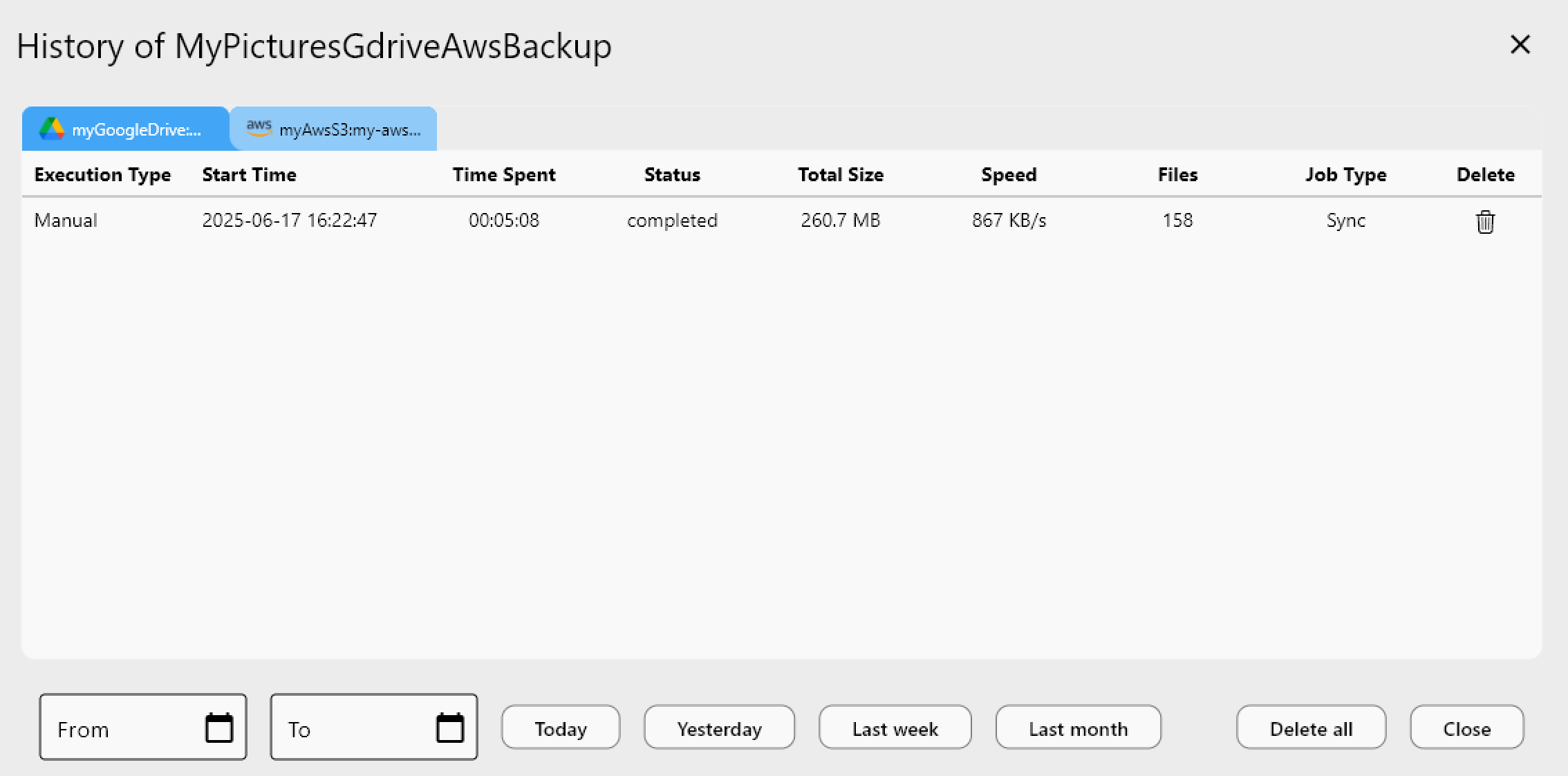
Use the Job History tab after each run to review status, error counts, and transfer sizes. Filtering by "Errored" status isolates failed jobs quickly, and the log detail for each run shows the exact error messages returned by B2's API — making it straightforward to distinguish an authentication error from a network timeout or a rate limit response.
Getting Started
- Download RcloneView from rcloneview.com.
- Open Remote Manager and verify your Backblaze B2 Application Key ID and key value.
- Confirm the key's bucket scope matches your upload destination in the B2 App Keys console.
- In Job Manager, reduce concurrent transfers to 2–3 if you observe rate-limit failures.
- Check Job History with the Errored filter to read exact API error messages for targeted fixes.
With RcloneView's built-in diagnostics and transfer controls, resolving Backblaze B2 upload errors is a matter of verifying credentials, adjusting concurrency, and reading the job log — no command-line flags required.
Related Guides:
- Manage Backblaze B2 Cloud Storage — Sync and Backup Files with RcloneView
- Fix Cloudflare R2 Upload Errors — Troubleshoot with RcloneView
- Fix Backblaze B2 Cap Exceeded Errors — Resolve Storage Limit Issues with RcloneView
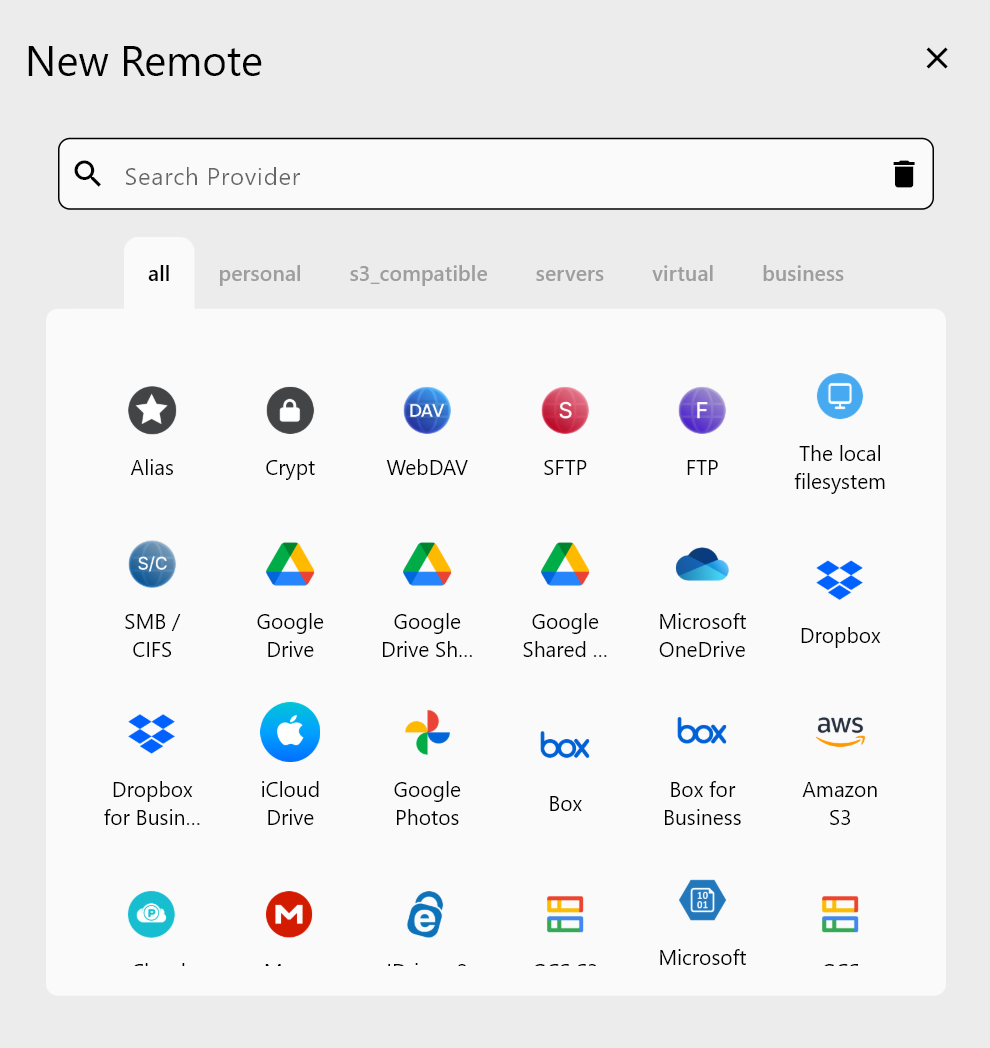
Supported Cloud Providers