Manage Backblaze B2 Storage — Sync and Backup Files with RcloneView
Backblaze B2 offers enterprise-grade object storage at a fraction of the cost of AWS S3, and RcloneView makes managing it effortless.
Backblaze B2 has become a go-to choice for teams and individuals who need affordable, reliable cloud storage without the complexity of traditional S3 providers. At $0.006 per GB/month for storage and $0.01 per GB for egress (with the first 10 GB free daily under the Cloudflare bandwidth alliance), B2 undercuts most competitors significantly. RcloneView gives you a full graphical interface to manage your B2 buckets — browse files, schedule backups, run syncs, and transfer data to or from other clouds without touching the command line.
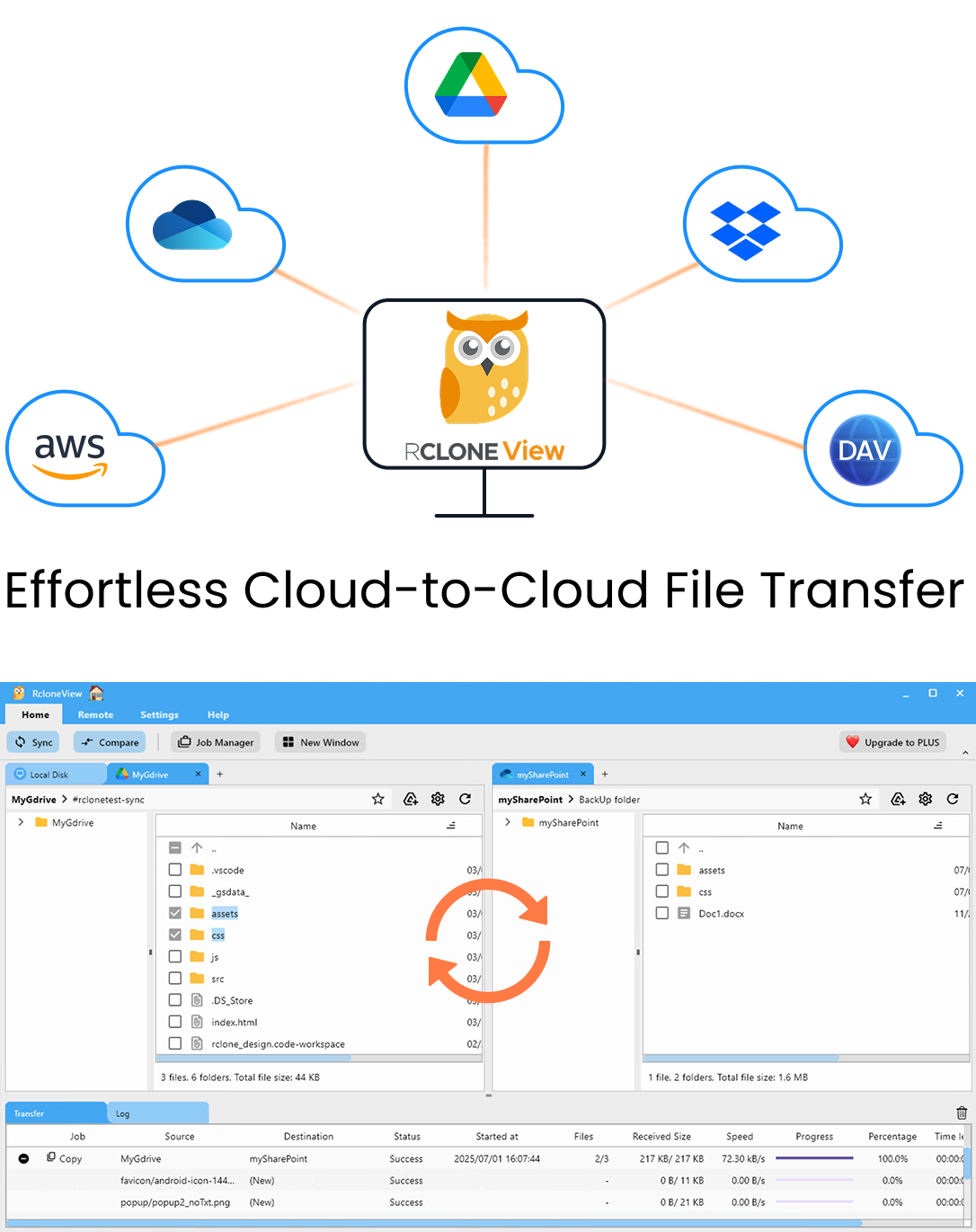
Manage & Sync All Clouds in One Place
RcloneView is a cross-platform GUI for rclone. Compare folders, transfer or sync files, and automate multi-cloud workflows with a clean, visual interface.
- One-click jobs: Copy · Sync · Compare
- Schedulers & history for reliable automation
- Works with Google Drive, OneDrive, Dropbox, S3, WebDAV, SFTP and more
Free core features. Plus automations available.
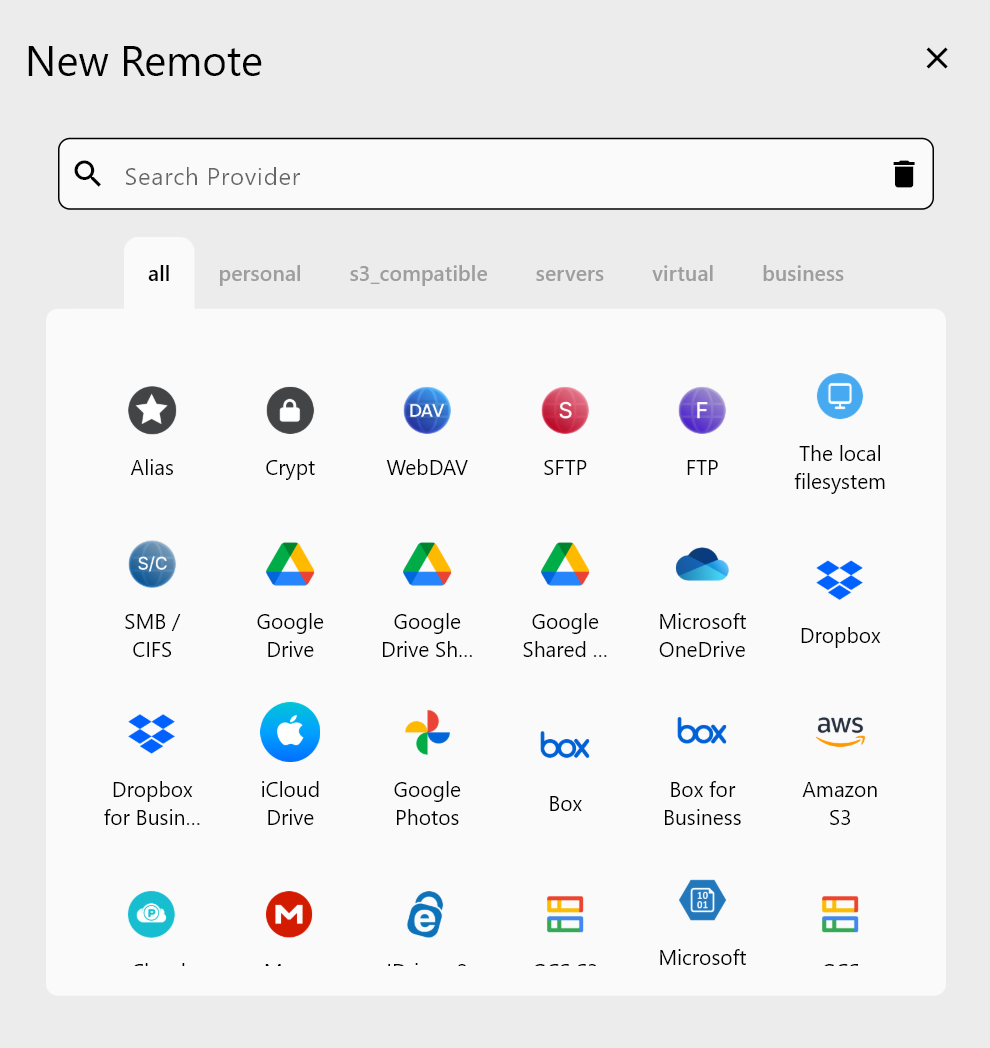
Connecting Backblaze B2 in RcloneView
Setting up Backblaze B2 in RcloneView takes under a minute. Open the Remote Manager, select Backblaze B2 as the provider, and enter your Application Key ID and Application Key. You can use either a master key or an app-specific key scoped to a single bucket. App-specific keys are strongly recommended for production workflows because they follow the principle of least privilege — if a key is compromised, only one bucket is exposed.
Once connected, RcloneView lists all accessible buckets in the two-pane explorer. You can browse directories, preview files, and check metadata such as file size, modification time, and SHA-1 checksums that B2 calculates server-side.
Syncing and Transferring Files with B2
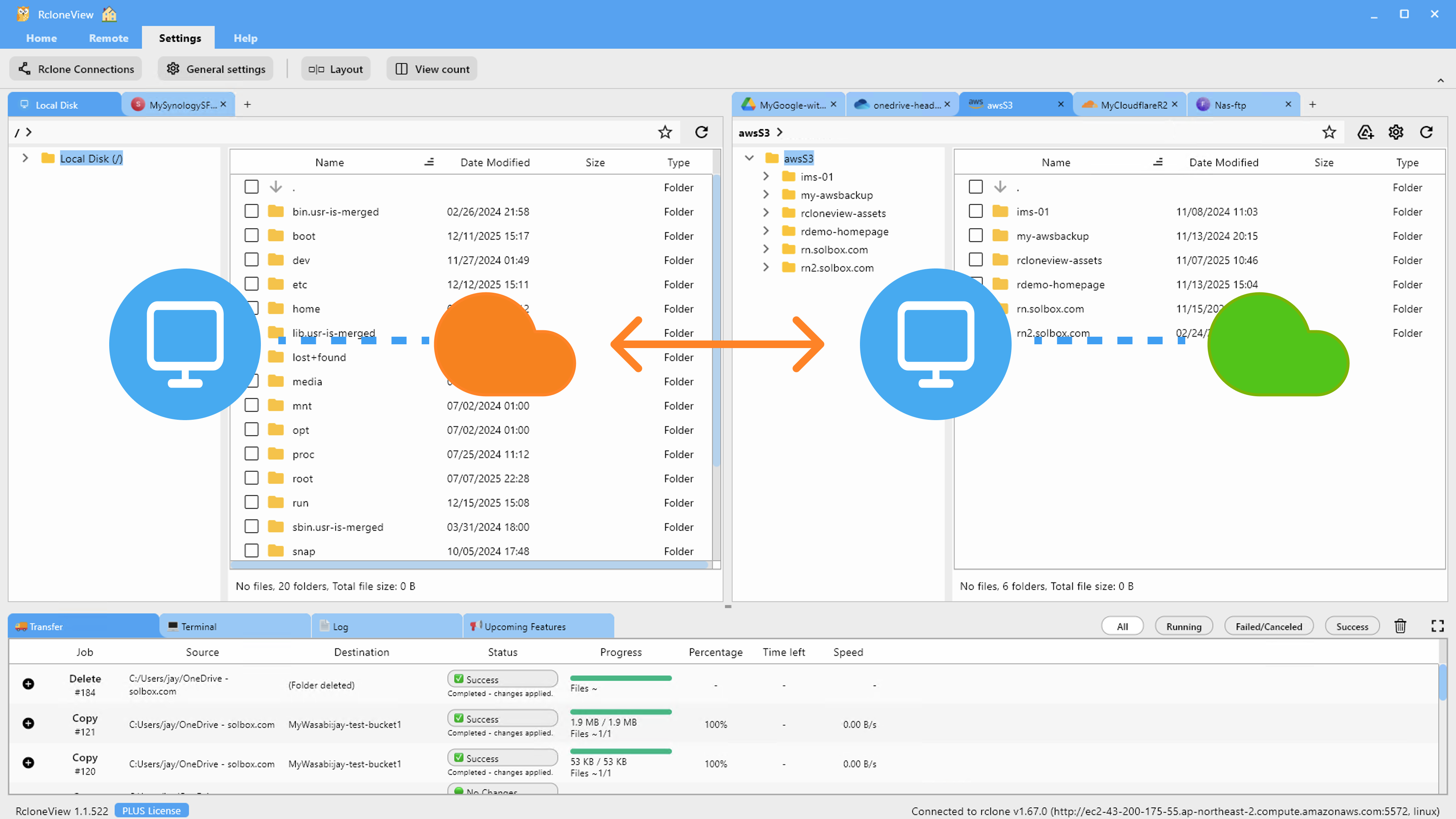
RcloneView supports sync, copy, and move operations between Backblaze B2 and any other configured remote — including local drives, Google Drive, Dropbox, AWS S3, and Wasabi. The two-pane explorer lets you drag and drop files directly, while the job system handles queuing and retry logic automatically.
For large migrations, B2's free egress through Cloudflare or Fastly CDN partnerships means you can pull data out of B2 without spiraling bandwidth costs. RcloneView's built-in bandwidth throttling and multi-threaded transfers let you saturate your connection when speed matters or dial back usage during business hours.
When syncing folders, RcloneView compares checksums by default. B2 stores SHA-1 hashes for every file, and RcloneView uses them to skip unchanged files — saving both time and API calls. This is especially valuable since B2 charges $0.004 per 10,000 Class B (download) transactions.
Scheduling Automated Backups to B2
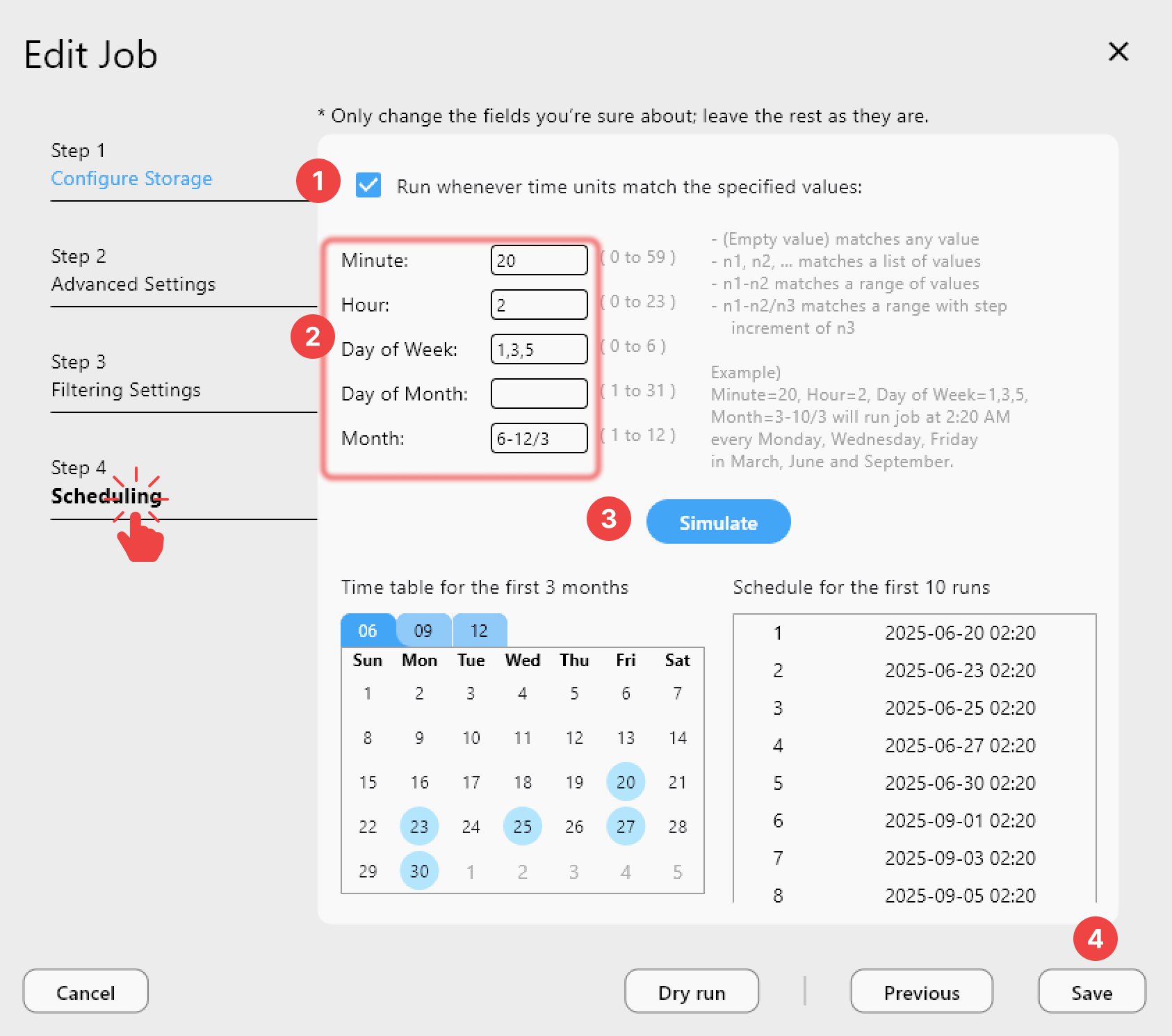
One of B2's strongest use cases is as a backup target. RcloneView's job scheduler lets you define recurring backup jobs — daily, weekly, or on a custom cron schedule. Set a local folder or another cloud remote as the source, B2 as the destination, and let the scheduler handle the rest.
B2's lifecycle rules complement this workflow. You can configure buckets to automatically hide files after a set period or permanently delete old versions, keeping storage costs predictable. RcloneView's job history panel gives you a clear audit trail of every transfer, including file counts, bytes transferred, errors, and elapsed time.
For teams subject to compliance requirements, combining RcloneView's scheduled sync with B2's Object Lock feature provides immutable backups that cannot be modified or deleted during the retention period.
Mounting B2 as a Local Drive
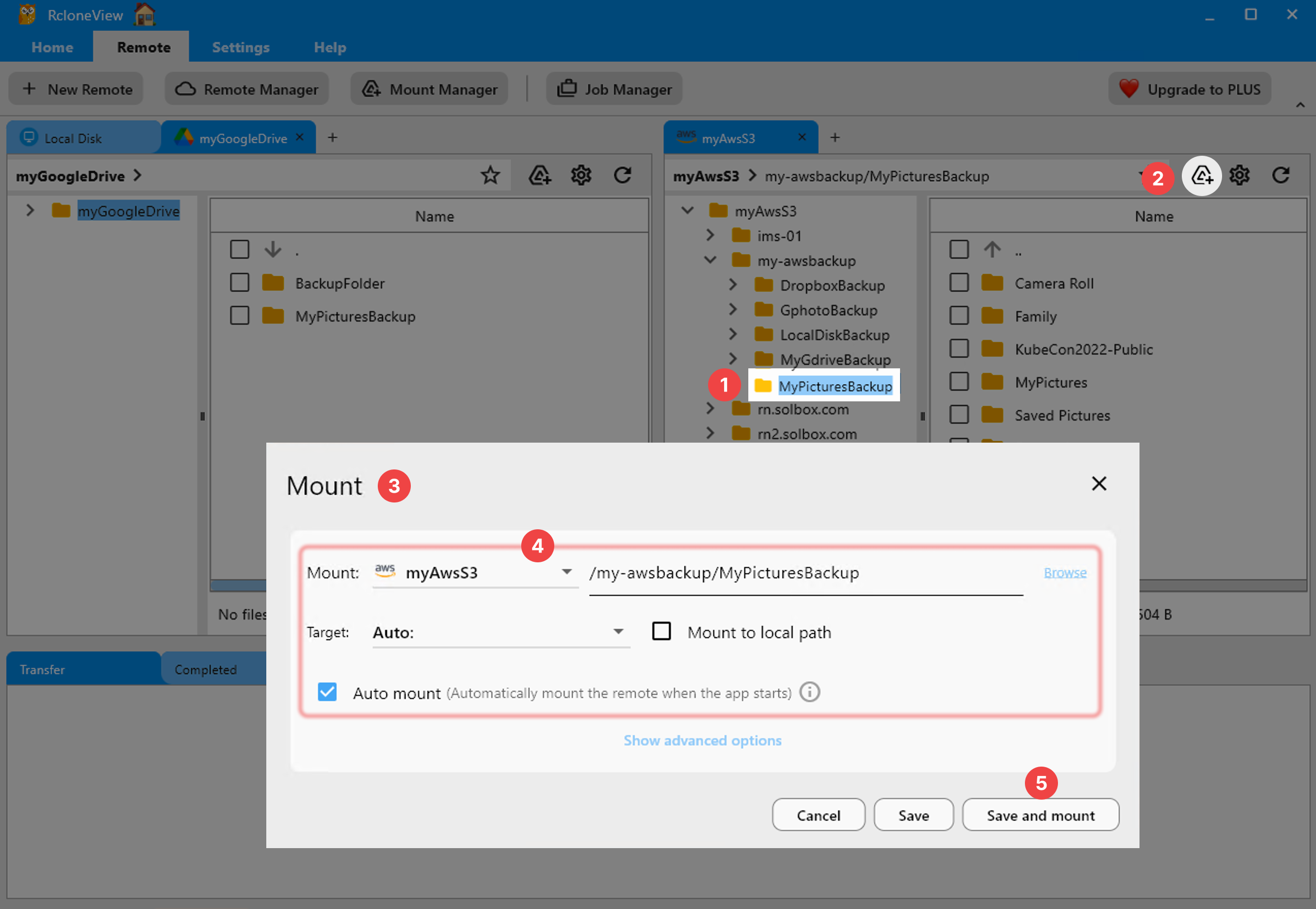
RcloneView's mount feature lets you map a B2 bucket as a local drive letter on Windows or a mount point on macOS and Linux. This is useful for applications that expect local file access — media players, photo editors, or scripts that process files from a directory. The VFS cache layer handles read-ahead buffering, so sequential reads perform well even over moderate internet connections.
Getting Started
- Download RcloneView from rcloneview.com.
- Generate an Application Key in your Backblaze B2 dashboard and add it as a new remote in RcloneView.
- Browse your buckets in the two-pane explorer and drag files to sync or transfer.
- Create a scheduled job to automate nightly backups to B2.
Backblaze B2 delivers the storage economics that make cloud backup practical at scale, and RcloneView removes the CLI barrier so your entire team can manage it.
Related Guides:
- Migrate Backblaze B2 to AWS S3 with RcloneView
- Sync Google Drive to Backblaze B2 with RcloneView
- Backup Dropbox to Backblaze B2 — Affordable Storage with RcloneView
Supported Cloud Providers