Empty Folders Missing After Sync — How to Resolve with RcloneView

Placeholder folders and empty project directories often disappear after a cloud sync — here's the setting that brings them back.
A team migrates a folder structure to the cloud and notices that half the empty placeholder directories — the ones reserved for future files, client deliverables, or archive buckets — simply never show up on the destination. This is expected default behavior in rclone: sync operations only recreate directories that contain files. RcloneView exposes the setting needed to change that, and knowing where to find it saves a lot of confused rework.
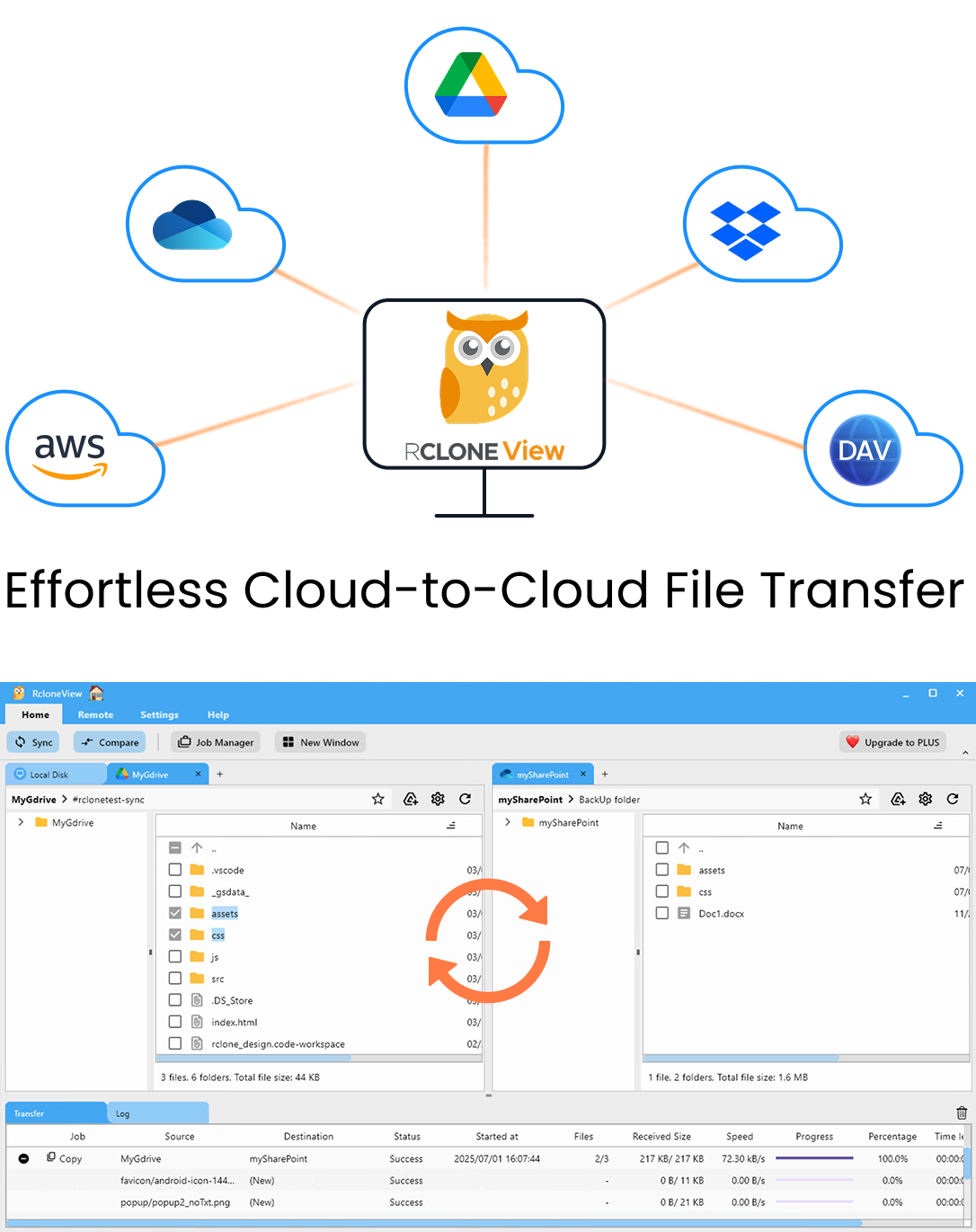
Manage & Sync All Clouds in One Place
RcloneView is a cross-platform GUI for rclone. Compare folders, transfer or sync files, and automate multi-cloud workflows with a clean, visual interface.
- One-click jobs: Copy · Sync · Compare
- Schedulers & history for reliable automation
- Works with Google Drive, OneDrive, Dropbox, S3, WebDAV, SFTP and more
Free core features. Plus automations available.
Why Empty Folders Get Skipped
Rclone's sync and copy engine walks the source tree and transfers objects — files. A directory with zero files inside it produces no transfer operation, so by default the destination never learns that directory should exist. This isn't a bug; it's how most cloud storage APIs represent "folders" in the first place — as a side effect of object keys rather than as standalone entities. The practical result is that a source tree with intentional placeholder folders (a 03-invoices/ folder waiting for next month's files, or a category structure a client expects to see) can arrive at the destination missing pieces.
This becomes especially noticeable during a Folder Compare or an initial migration, where the destination structure needs to visually mirror the source before files even start landing in it.
The Fix: Create Empty Directories
RcloneView's Sync wizard includes a Create empty directories toggle in Step 1 (Configure Storage), alongside the source/destination remote and folder selection. Enabling it tells the underlying sync operation to also recreate directories that have no files, so the destination folder tree matches the source structure exactly — not just the files within it.
For a one-time structural migration, run a Dry Run first with the option enabled. Dry Run lists exactly which folders and files will be created without touching the destination, which is the fastest way to confirm the empty-folder issue is actually resolved before committing to the transfer.
Confirming the Result with Folder Compare
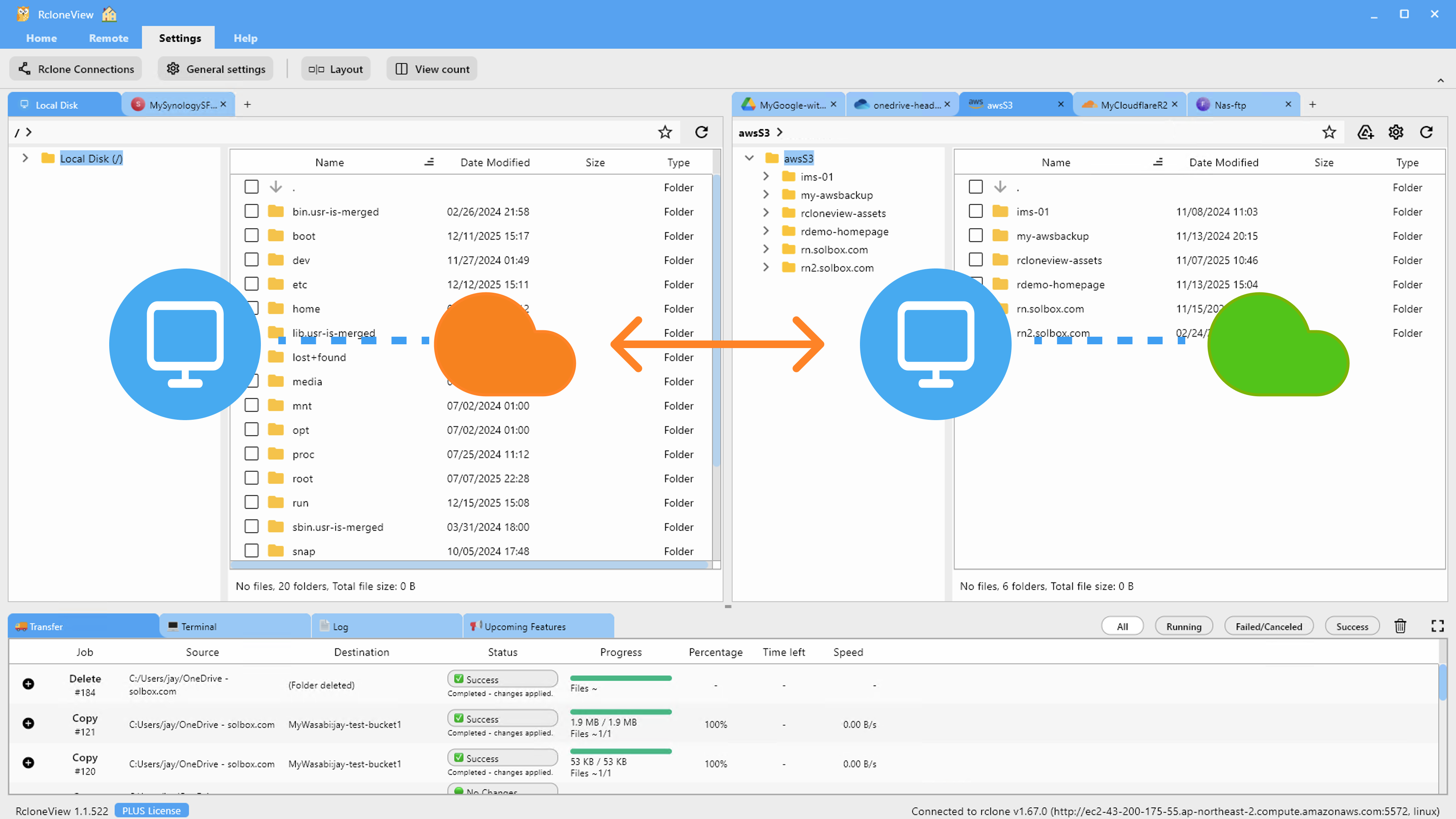
After running the sync, use RcloneView's Folder Compare to check both sides directory-by-directory. RcloneView mounts AND syncs 90+ providers from one window, on Windows, macOS, and Linux, so you can visually diff the source and destination trees side by side without switching tools. The "Show left-only files" and "Show right-only files" filters make it immediate whether a folder made it across.
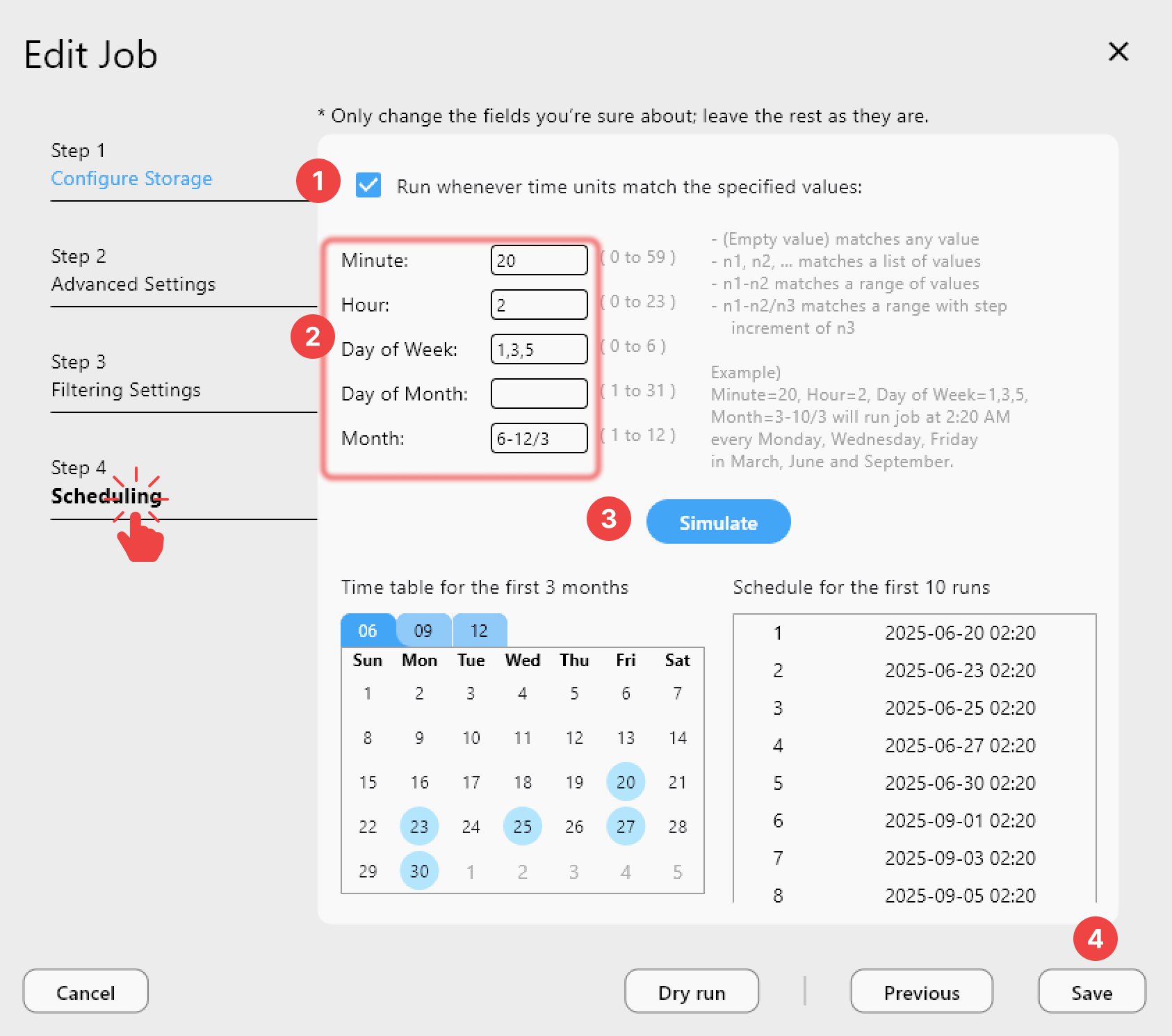
If you're maintaining the structure long-term rather than doing a one-off migration, save the job with the empty-directories option checked so every scheduled run keeps recreating the placeholder folders as needed.
Getting Started
- Download RcloneView from rcloneview.com.
- Open the Sync wizard and select your source and destination remotes.
- In Step 1, enable Create empty directories before configuring filters.
- Run a Dry Run to confirm the folder structure, then execute the sync.
A folder structure that matches on both ends makes onboarding new team members and auditing storage far less error-prone.
Related Guides:
- macOS Empty Folders and Permissions — Fix with RcloneView
- Cleanup Empty Trash in Cloud Storage with RcloneView
- Fix Cloud Sync Missing Files After Transfer — RcloneView
Supported Cloud Providers