Fix Google Cloud Storage Authentication Errors — Resolve with RcloneView

Most Google Cloud Storage authentication failures in RcloneView trace back to one missing field or one expired token — here's how to isolate and fix both.
Google Cloud Storage stands apart from a personal Google Drive connection: it requires a Project Number during remote setup, and its permission model is governed by IAM roles rather than simple account sharing. When either piece is misconfigured, RcloneView throws an authentication or permission error the moment you try to browse the bucket. This guide walks through the most common causes and how to resolve each one directly inside RcloneView.
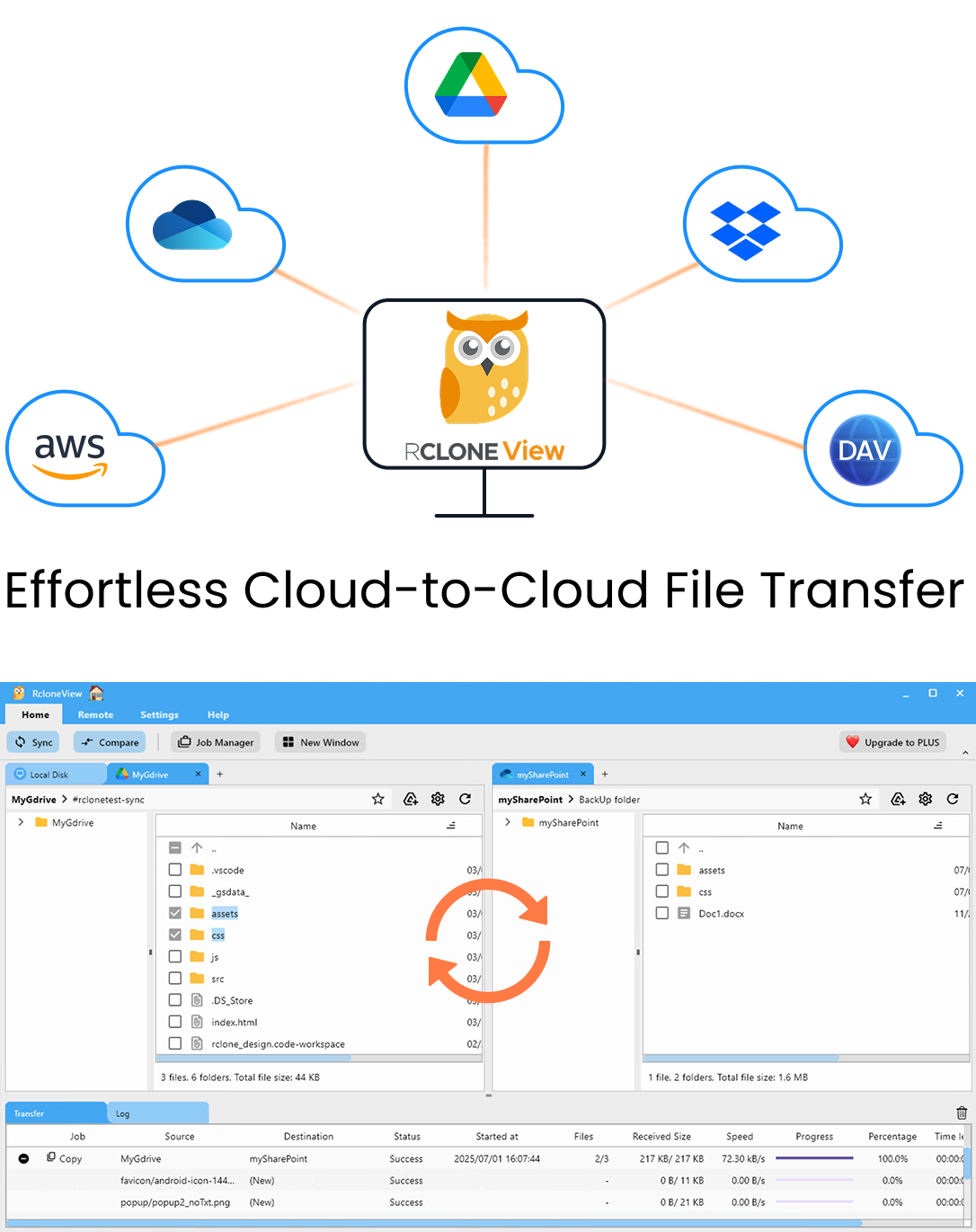
Manage & Sync All Clouds in One Place
RcloneView is a cross-platform GUI for rclone. Compare folders, transfer or sync files, and automate multi-cloud workflows with a clean, visual interface.
- One-click jobs: Copy · Sync · Compare
- Schedulers & history for reliable automation
- Works with Google Drive, OneDrive, Dropbox, S3, WebDAV, SFTP and more
Free core features. Plus automations available.
Diagnosing the Root Cause
Authentication errors on a Google Cloud Storage remote generally fall into three buckets: a missing or incorrect Project Number entered during remote creation, an OAuth token that has expired or was revoked from the Google account side, or an IAM role on the service account that doesn't grant storage read/write access to the target bucket. Open Remote Manager and check the remote's configuration first — if the Project Number field is blank or doesn't match the project that owns the bucket, that's almost always the culprit.
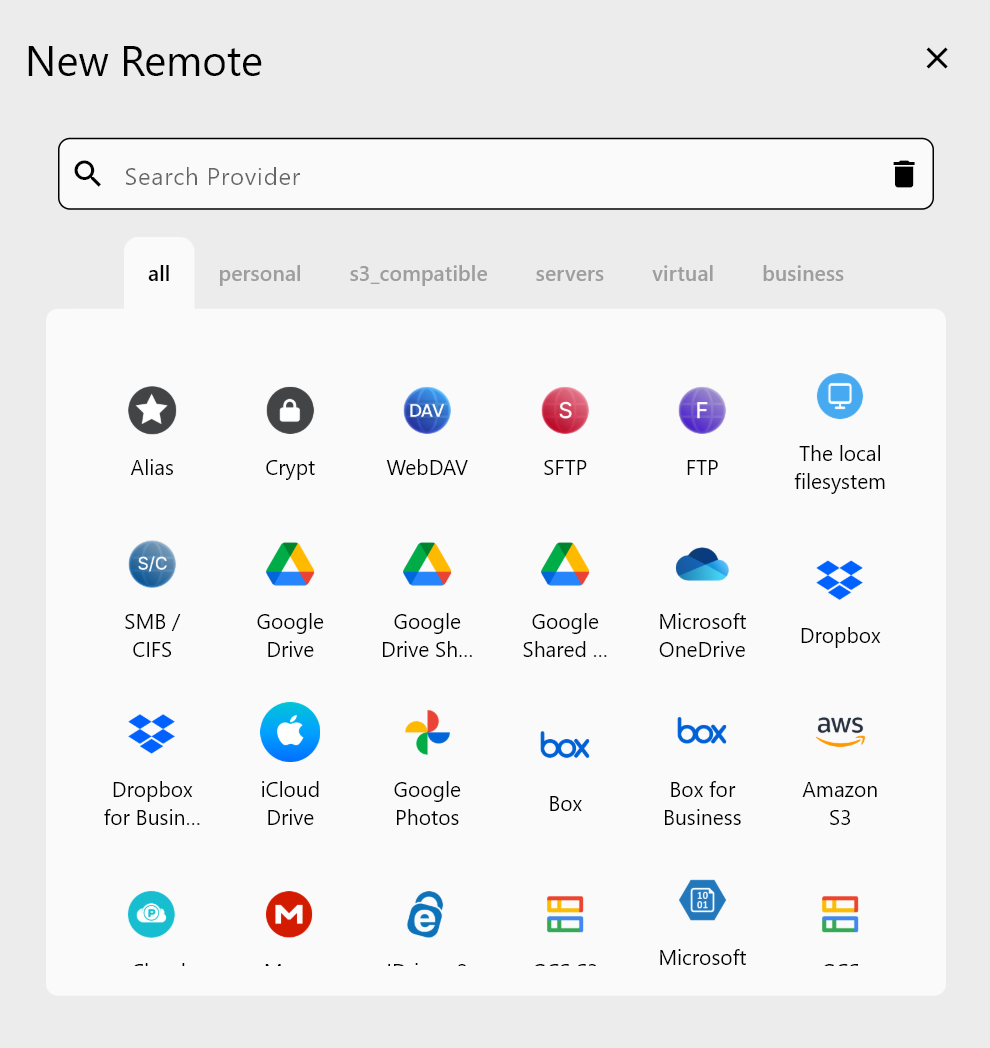
If the Project Number looks correct, the next suspect is the OAuth session itself. Tokens can be invalidated by a password change, a revoked app authorization in your Google account security settings, or simply expiring after a long period of inactivity.
Re-Authenticating and Fixing Project Configuration
To fix a stale token, edit the remote and re-run the browser-based OAuth login flow — this refreshes the credentials without requiring you to rebuild the remote from scratch. For a Project Number mismatch, update the field to match the correct project ID shown in your Google Cloud Console, then save and reconnect.
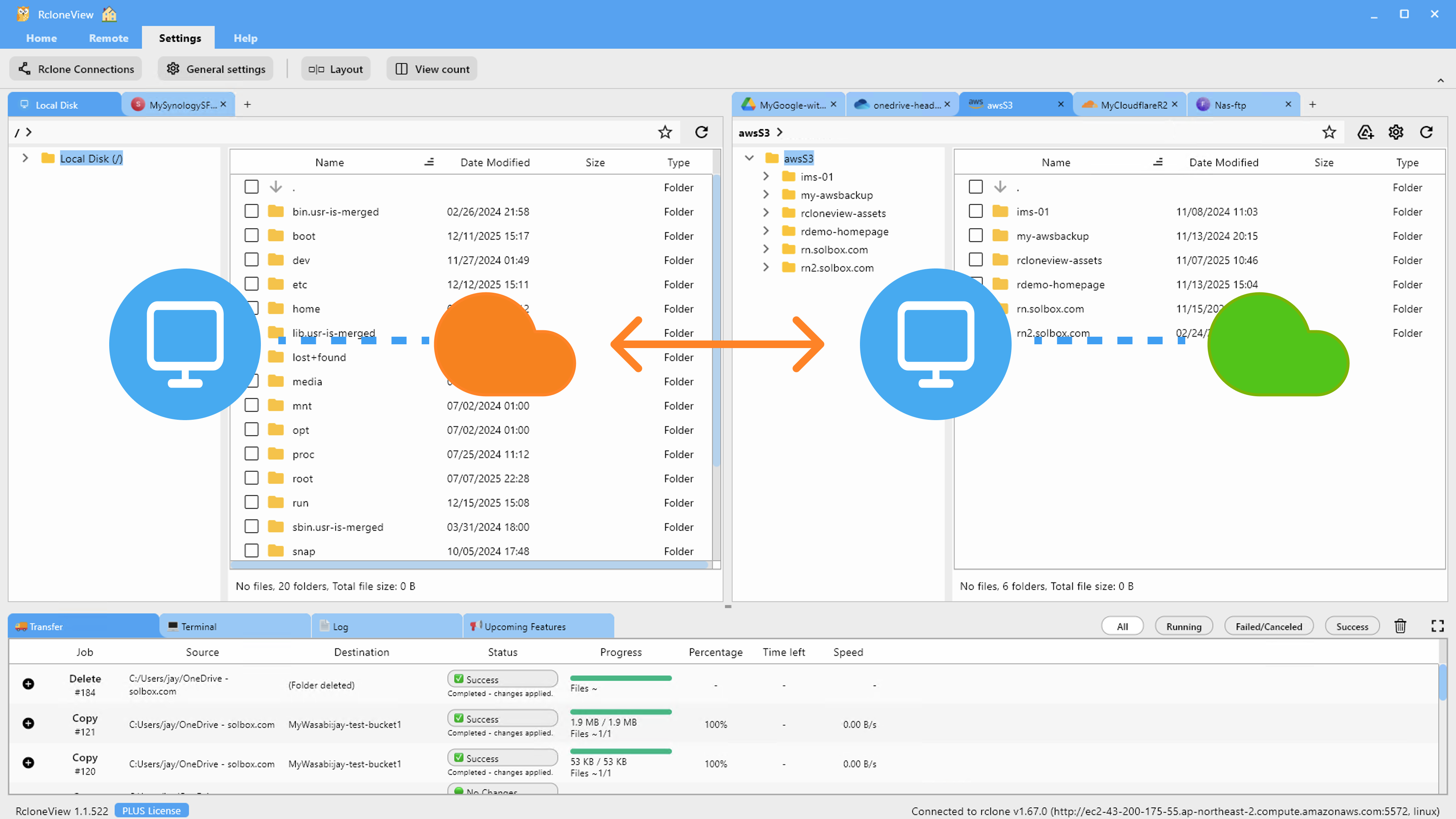
RcloneView mounts AND syncs 90+ providers from one window on Windows, macOS, and Linux, so once the remote reconnects you can immediately resume whatever sync or mount job was interrupted without reconfiguring anything else. Before rebuilding a large sync job, use the built-in Rclone Terminal to run rclone about "yourremote:" — a quick way to confirm the fix worked before you trust it with a real transfer.
Preventing Repeat Failures
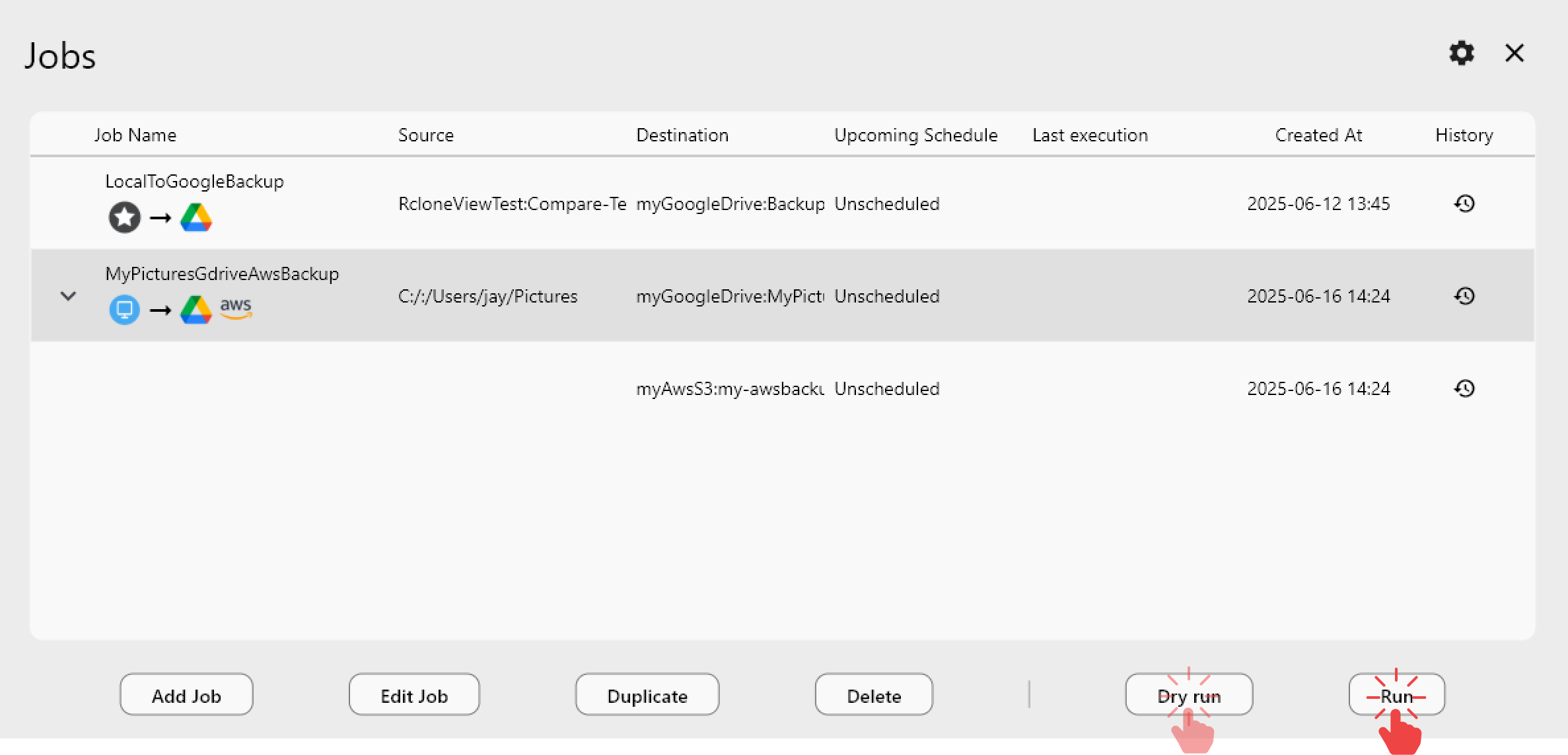
If the error keeps recurring on a schedule, check whether the underlying Google Cloud IAM role was scoped too narrowly — a role that only grants read access will authenticate successfully but then fail on any upload or delete operation, which can look like an intermittent auth error rather than a permissions gap. For persistent or unclear cases, turn on Enable rclone Logging in Settings with the log level set to DEBUG, reproduce the failure, and review the detailed log entries in the Log tab to pinpoint exactly which API call is being rejected.
Getting Started
- Download RcloneView from rcloneview.com.
- Open Remote Manager and verify the Project Number on your Google Cloud Storage remote.
- Re-run the OAuth login if the token has expired, or correct the Project Number if it's mismatched.
- Confirm the fix with
rclone aboutin the Terminal tab before resuming sync or backup jobs.
A five-minute check of these two settings resolves the overwhelming majority of Google Cloud Storage authentication issues.
Related Guides:
- Manage Google Cloud Storage Buckets — Sync and Backup with RcloneView
- Fix OAuth Token Expired — Resolve Cloud Sync Errors with RcloneView
- Sync Amazon S3 to Google Cloud Storage with RcloneView
Supported Cloud Providers