Manage Box for Business — Sync and Backup Files with RcloneView
Treat your organization's Box for Business account like any other drive — browse, sync, mount, and back it up from one desktop app.
Box for Business accounts often hold years of shared departmental files spread across dozens of nested team folders, and IT staff need a reliable way to inspect, move, and protect that content without living inside a browser tab. RcloneView connects to Box for Business through the same OAuth login used for personal Box accounts, then applies the enterprise-specific configuration flag so the app can see your organization's full folder structure. Once connected, the account behaves like any other remote in RcloneView's explorer, sync, and mount tools, with sync and folder compare available on the FREE license.
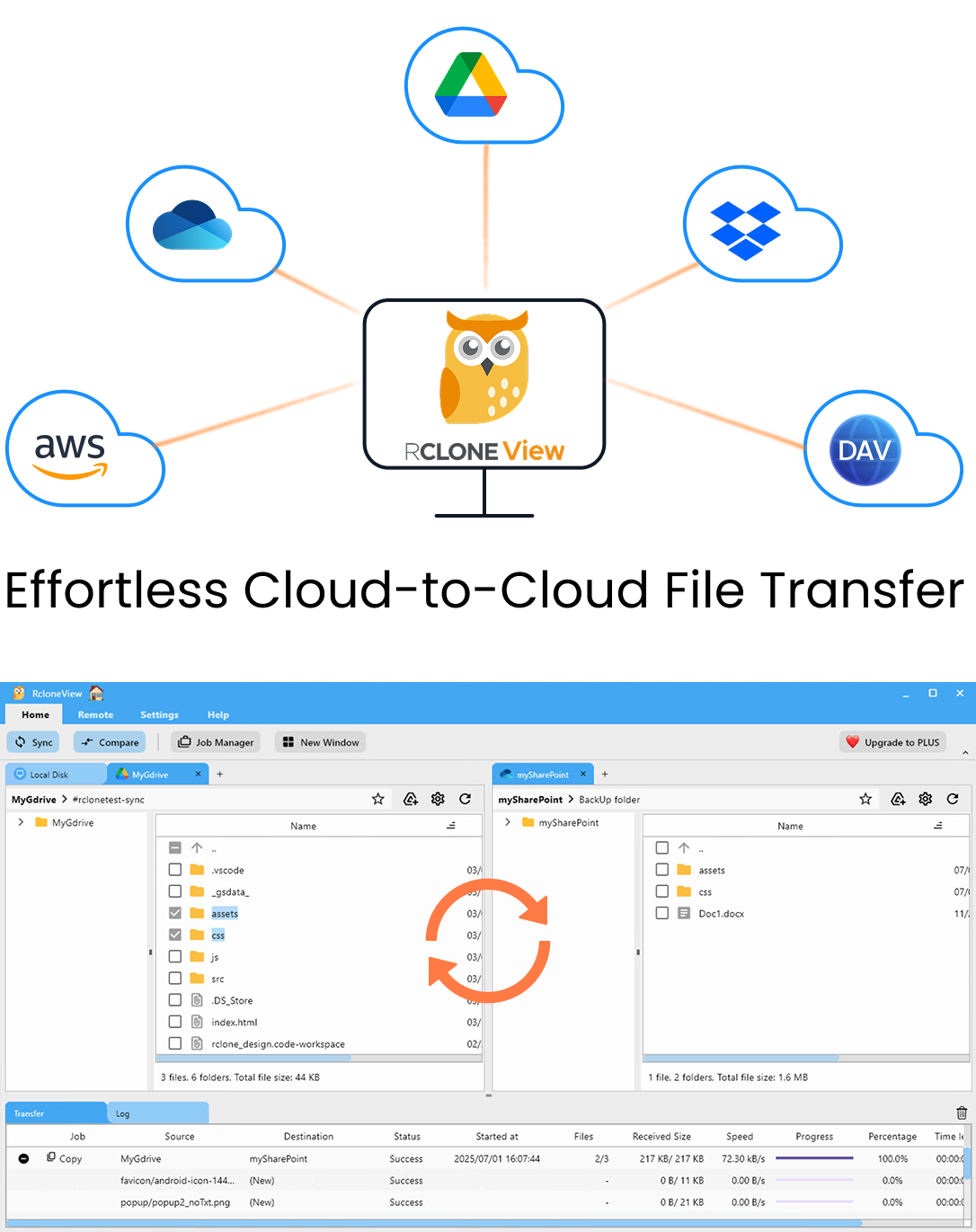
Manage & Sync All Clouds in One Place
RcloneView is a cross-platform GUI for rclone. Compare folders, transfer or sync files, and automate multi-cloud workflows with a clean, visual interface.
- One-click jobs: Copy · Sync · Compare
- Schedulers & history for reliable automation
- Works with Google Drive, OneDrive, Dropbox, S3, WebDAV, SFTP and more
Free core features. Plus automations available.
Setting Up Your Box for Business Remote
Create a new remote in RcloneView and choose Box — the app opens your browser for the standard OAuth login, so no API keys or manual token entry are required. Sign in with your corporate Box credentials to authorize the connection.
Box for Business accounts need one additional setting beyond a personal Box login: box_sub_type = enterprise, entered in the remote's advanced configuration. This tells rclone to look at the organization's shared team structure rather than a single personal account, which is what surfaces company-wide folders in the RcloneView explorer panel.
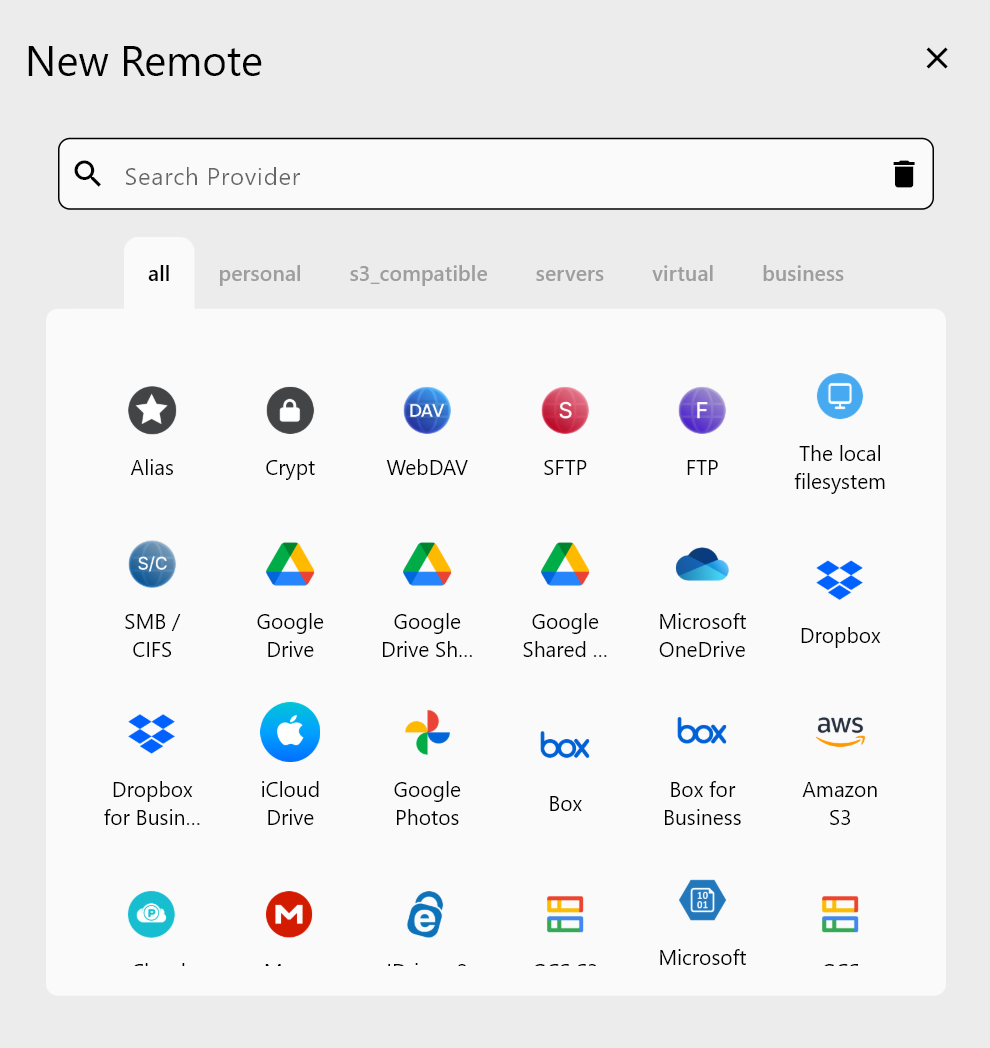
If you manage several Box for Business accounts across departments, the Remote Manager keeps each one separate so you can edit credentials or the enterprise flag independently.
Comparing and Syncing Enterprise Folders
Before migrating a department off an old file server or consolidating duplicate team folders, use Folder Compare to see exactly what's different between your Box for Business folder and a target location. The comparison view filters results by left-only, right-only, identical, and different files, so you can copy only what's missing instead of re-uploading everything.
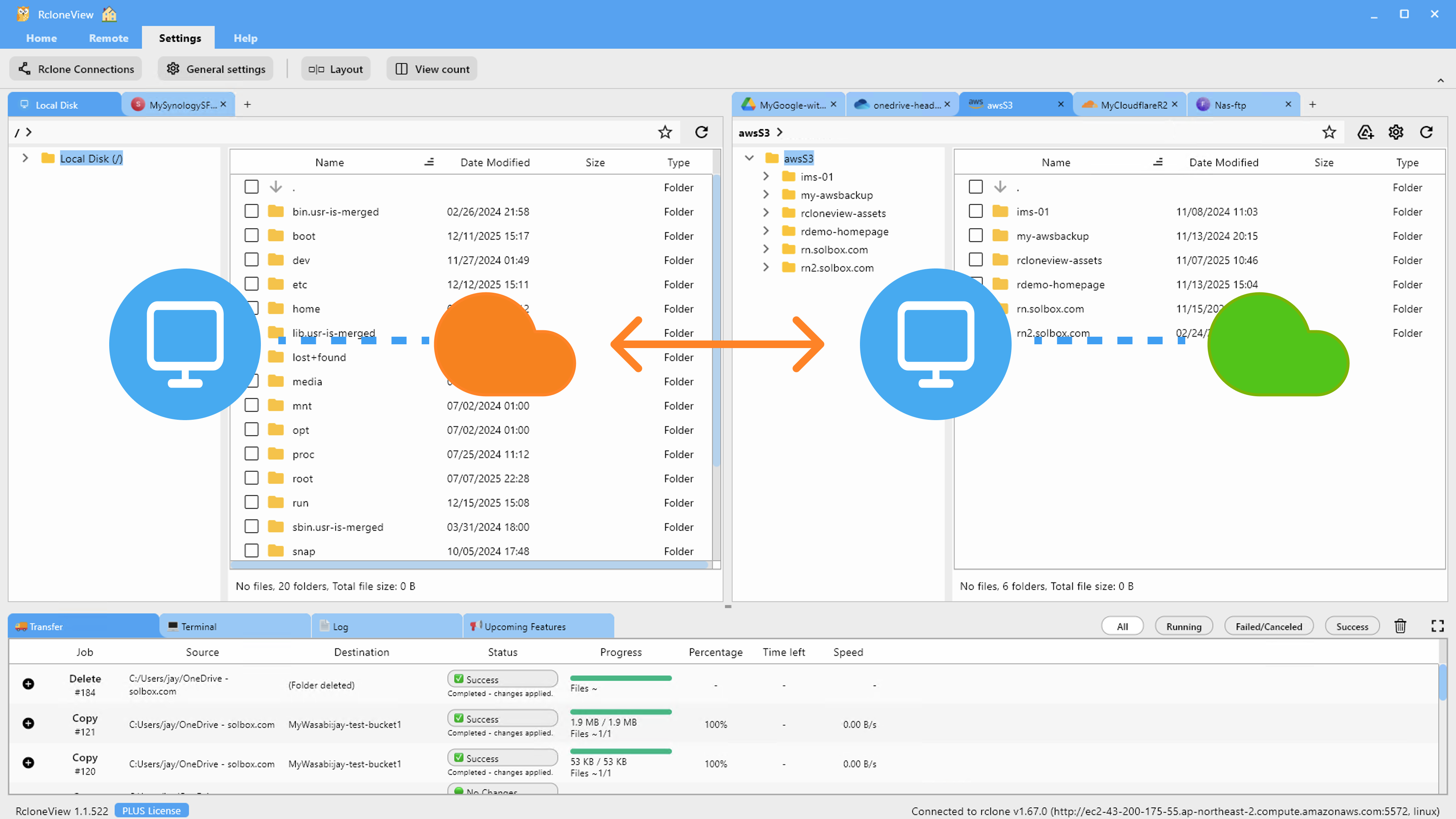
For ongoing protection, a one-way sync job keeps a secondary copy of critical Box for Business folders current without touching the source, and a dry run shows exactly which files will be copied or deleted before anything actually moves.
Scheduling Backups and Monitoring Jobs
The Job Manager lets you configure a sync, copy, or 1:N job that mirrors the same Box for Business content to two destinations simultaneously — for example, a local NAS and an S3-compatible bucket, so a single sync job satisfies both an on-site and off-site backup requirement. Job History then records the start time, duration, status, and file count for every run, which is useful when an admin needs to confirm a nightly backup actually completed.
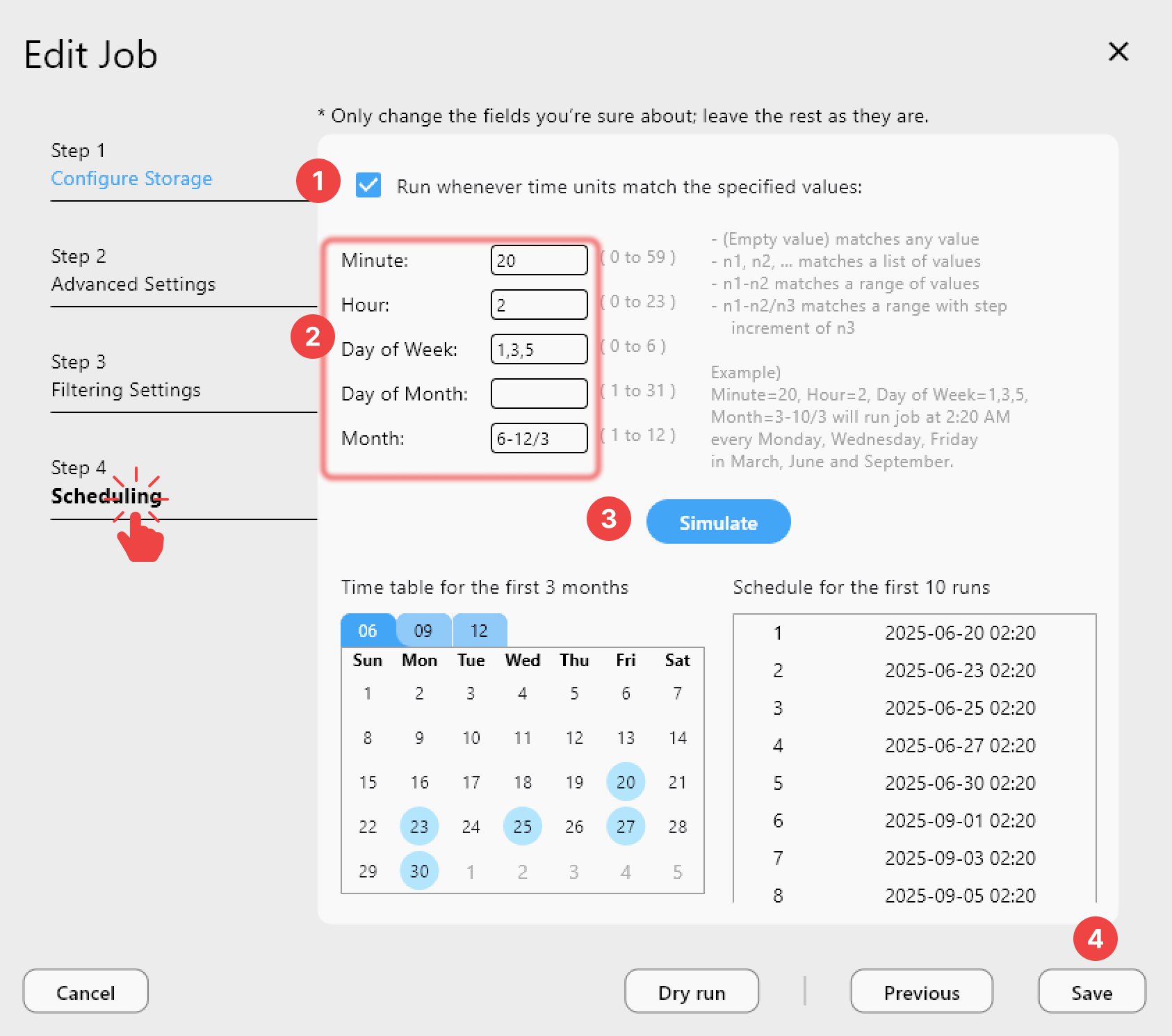
PLUS license users can automate this further with crontab-style scheduling, so backups run overnight without anyone triggering them manually.
Getting Started
- Download RcloneView from rcloneview.com.
- Add a new Box remote and complete the OAuth login with your corporate account.
- Edit the remote's advanced settings and set
box_sub_type = enterpriseto unlock company folders. - Configure a sync job or mount to start managing your Box for Business content.
Once your enterprise Box account sits alongside every other remote in one interface, day-to-day file management and disaster-recovery backups stop being two separate workflows.
Related Guides:
- Manage Box Storage — Sync and Backup Files with RcloneView
- How to Migrate from Box to SharePoint or OneDrive — Enterprise Cloud Migration with RcloneView
- Mount Box Storage as a Network Drive with RcloneView for Seamless Team Access
Supported Cloud Providers