Fix MinIO Connection and Authentication Errors — Resolve with RcloneView

Diagnose and resolve the endpoint, credential, and certificate issues that keep RcloneView from reaching your self-hosted MinIO instance.
MinIO's appeal is running your own S3-compatible storage on hardware you control, but that same flexibility means connection details that a managed provider would handle for you — endpoint URLs, TLS certificates, network reachability — are entirely your responsibility. When a MinIO remote in RcloneView fails to connect or rejects credentials, the cause is almost always one of a handful of configuration mismatches rather than a bug in the client itself.
RcloneView mounts AND syncs 90+ providers from one window, on Windows, macOS, and Linux, so the same troubleshooting steps below apply whether you're connecting to MinIO from a workstation or a server.
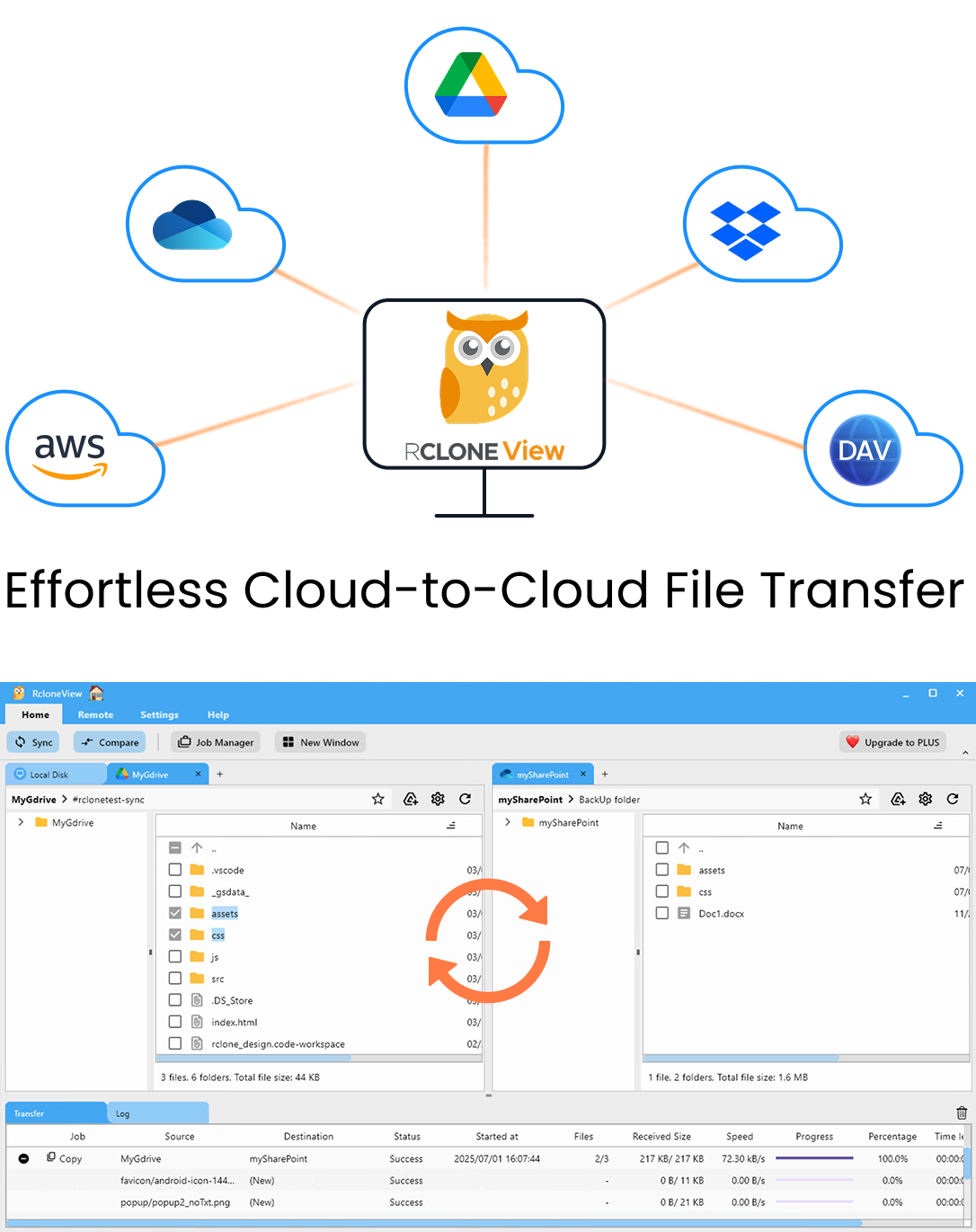
Manage & Sync All Clouds in One Place
RcloneView is a cross-platform GUI for rclone. Compare folders, transfer or sync files, and automate multi-cloud workflows with a clean, visual interface.
- One-click jobs: Copy · Sync · Compare
- Schedulers & history for reliable automation
- Works with Google Drive, OneDrive, Dropbox, S3, WebDAV, SFTP and more
Free core features. Plus automations available.
Connection Refused or Timeout Errors
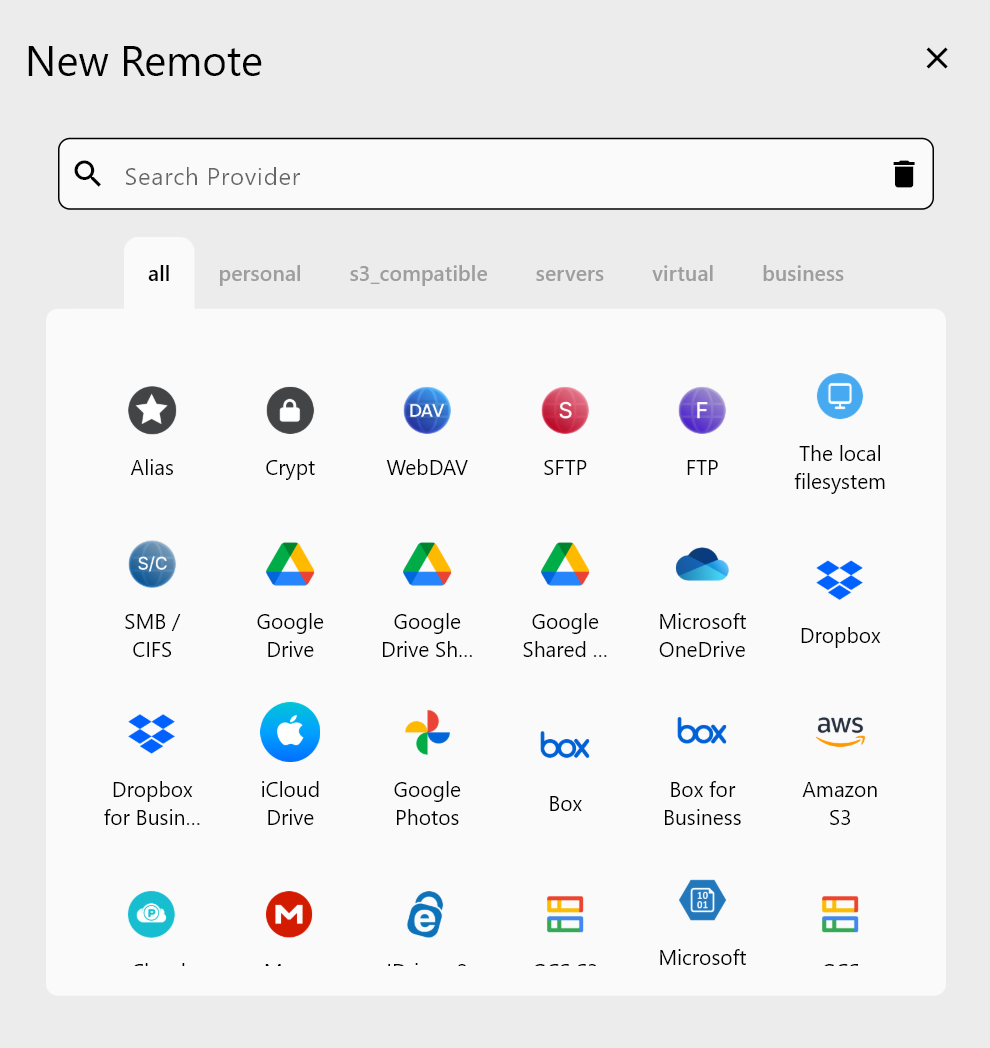
MinIO is configured as an S3-compatible remote in RcloneView, which means the Endpoint field must point to the exact address and port your MinIO server listens on — typically something like http://192.168.1.50:9000 or a domain behind a reverse proxy. A "connection refused" error almost always means one of three things: the endpoint URL is missing the port, the MinIO service isn't running, or a firewall between RcloneView and the server is blocking the port.
If MinIO runs on a remote server or in Docker, verify the container's port mapping exposes 9000 (or your configured API port) to the network RcloneView reaches it from. Testing the endpoint in a browser or with a basic connectivity check from the same machine running RcloneView narrows down whether the problem is the app or the network path.
Access Key and Secret Key Mismatches
Authentication failures on MinIO typically surface as an access denied or signature mismatch error. Double-check that the Access Key and Secret Key entered in RcloneView match a valid MinIO user with permissions on the target bucket — not just the root credentials, if your MinIO instance uses IAM-style users and policies. A key copied with a trailing space or truncated during copy-paste is a common, easy-to-miss cause.
If your MinIO deployment enforces bucket policies, confirm the user has explicit read/write permissions on the bucket path you're trying to browse, since a valid login with no bucket access produces a similar-looking authentication error.
TLS and Self-Signed Certificate Issues
Self-hosted MinIO instances frequently use self-signed certificates, which causes RcloneView (via rclone) to reject the connection with a certificate verification error when connecting over HTTPS. If you control the environment and understand the risk, the Global Rclone Flags setting in Embedded Rclone preferences accepts flags like --no-check-certificate to bypass verification for testing. For a production setup, importing your MinIO server's certificate into the system's trusted certificate store is the safer long-term fix.
Region mismatches can also trigger connection errors — MinIO doesn't require a real AWS region, but some client configurations expect a placeholder value like us-east-1 rather than an empty field.
Getting Started
- Download RcloneView from rcloneview.com.
- Re-check your MinIO remote's Endpoint field for the correct address and port.
- Verify Access Key and Secret Key against a MinIO user with bucket permissions.
- Adjust certificate or region settings if you're running self-signed HTTPS.
Most MinIO connection problems trace back to one of these three areas — working through them methodically gets your self-hosted storage back online faster than guesswork.
Related Guides:
- Manage MinIO Self-Hosted Cloud Sync
- Fix SSL/TLS Certificate Errors in Cloud Sync
- Manage Ceph Object Storage via S3
Supported Cloud Providers