Manage MinIO Self-Hosted Storage — Sync and Backup Files with RcloneView
RcloneView connects to your MinIO server via S3-compatible credentials, giving you a full GUI to browse, sync, and back up on-premises buckets without the command line.
MinIO is the most widely deployed self-hosted object storage solution, offering Amazon S3-compatible APIs for teams running private infrastructure. DevOps teams, data engineers, and on-premises storage administrators use MinIO to store backups, datasets, and application artifacts. With RcloneView, you can manage MinIO buckets visually and integrate them into a broader multi-cloud backup strategy alongside AWS S3, Cloudflare R2, and other providers.
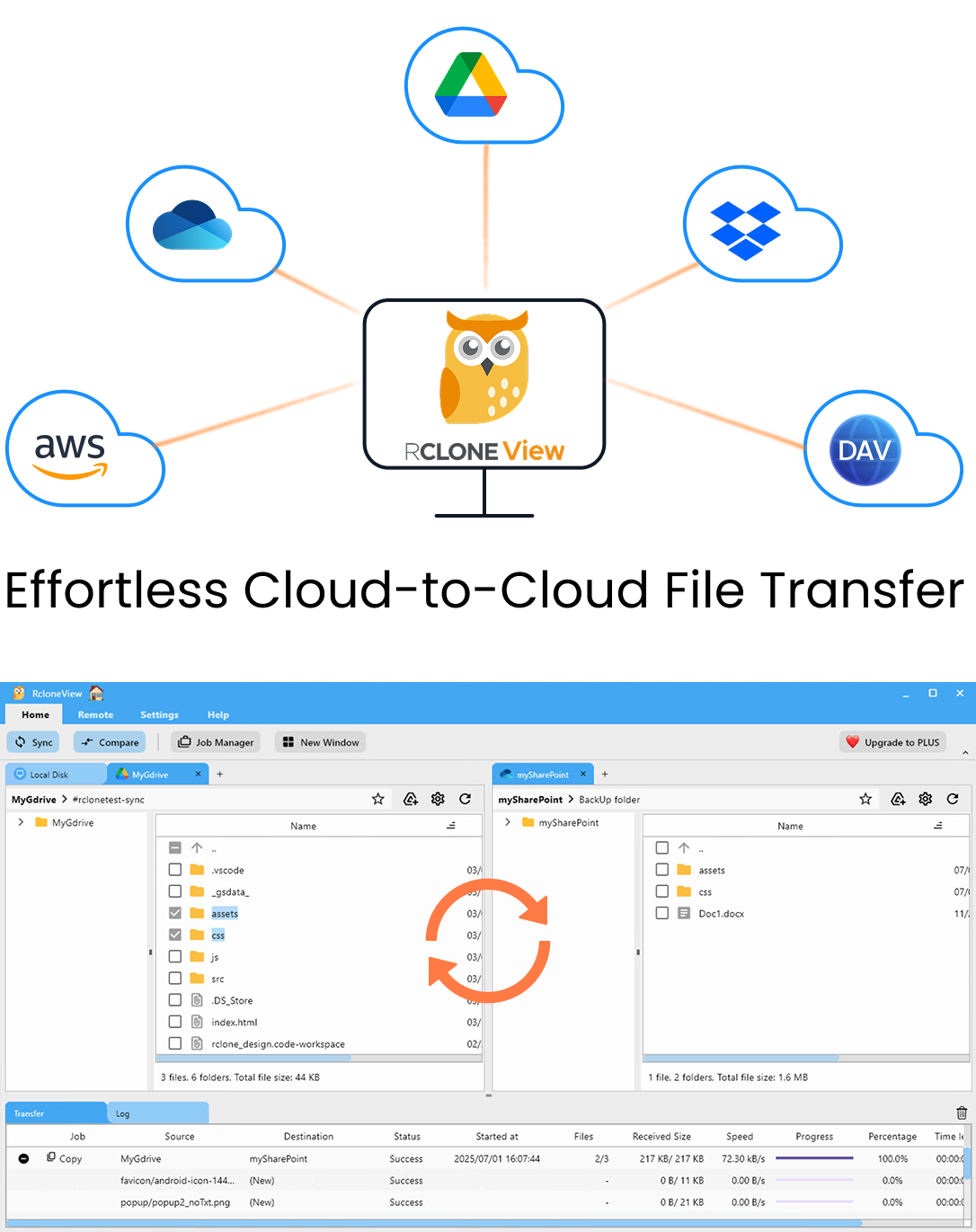
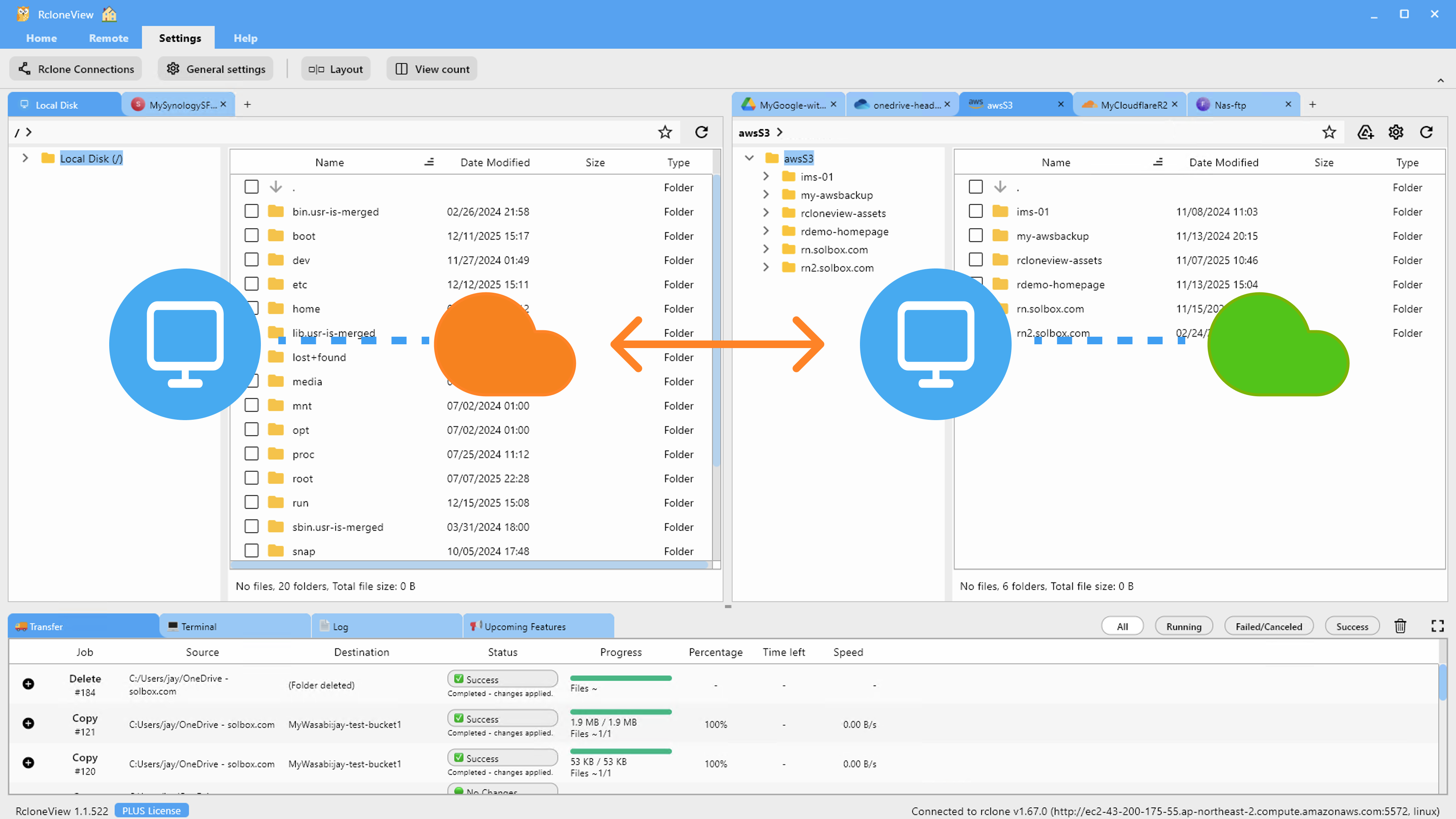
Manage & Sync All Clouds in One Place
RcloneView is a cross-platform GUI for rclone. Compare folders, transfer or sync files, and automate multi-cloud workflows with a clean, visual interface.
- One-click jobs: Copy · Sync · Compare
- Schedulers & history for reliable automation
- Works with Google Drive, OneDrive, Dropbox, S3, WebDAV, SFTP and more
Free core features. Plus automations available.
Connect MinIO to RcloneView
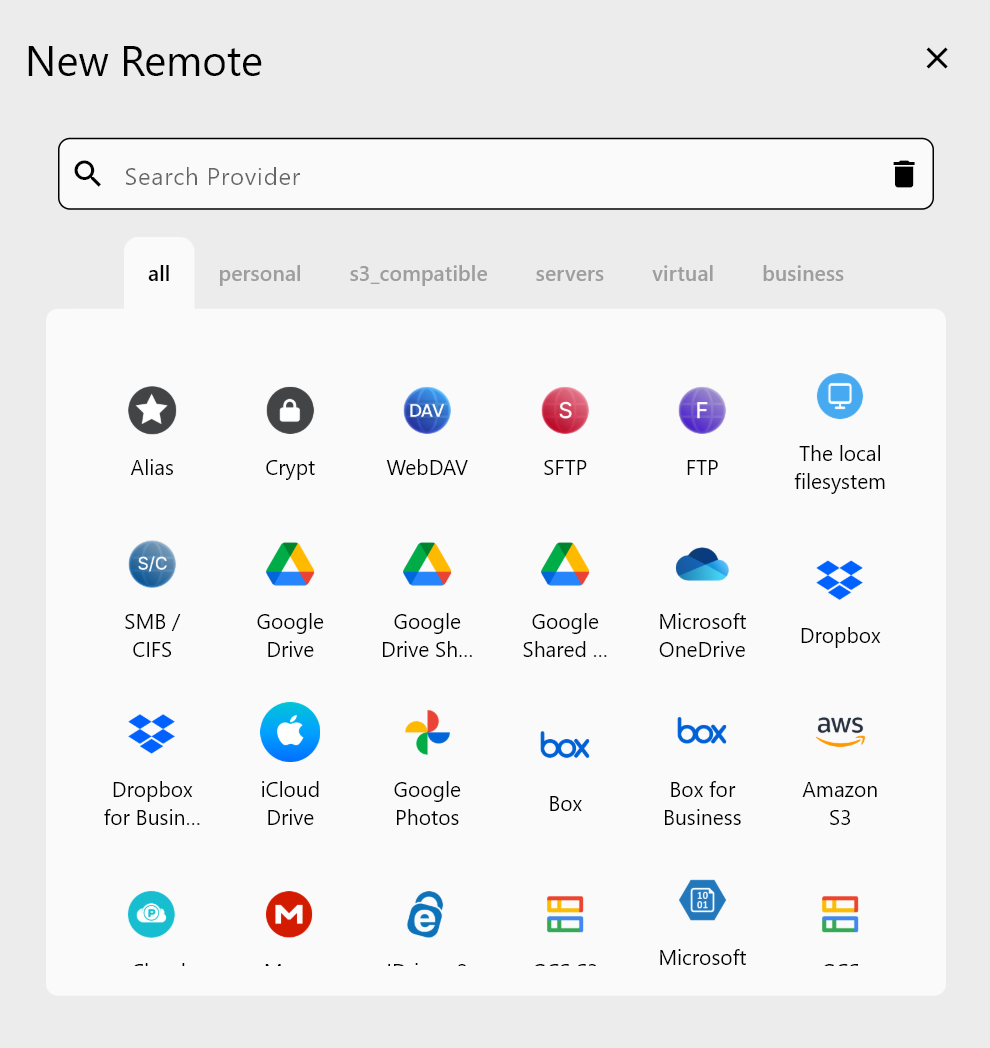
MinIO's S3-compatible API makes it straightforward to add as a remote in RcloneView. Go to Remote tab > New Remote, select Amazon S3 as the provider type, and enter:
- Access Key ID and Secret Access Key from your MinIO console or
mcconfig - Region (set to
us-east-1or your MinIO-configured region) - Endpoint pointing to your MinIO server (e.g.,
http://192.168.1.100:9000orhttps://minio.internal.company.com) - Path style enabled (required for MinIO compatibility)
Save the remote and your MinIO buckets appear in the file explorer immediately. You can browse objects, create folders, upload and download files, and manage bucket contents with the same right-click operations available for any other remote.
Sync Local Data to MinIO Buckets
Teams running MinIO as a local backup destination can use RcloneView's sync wizard to configure structured backup jobs. A data engineering team processing daily pipeline outputs might sync results from a network share to a MinIO data-archive bucket each night. The sync job's filtering options let you exclude temporary files (.tmp, .lock) and limit transfers to files modified within the past 24 hours.
Concurrent file transfers are configurable in RcloneView's advanced settings — increasing the transfer count speeds up ingestion for large directories with many small files.
Mirror MinIO to Public Cloud for Off-Site Backup
MinIO is often used as a local, fast-access tier, with public cloud serving as the off-site backup. RcloneView's cloud-to-cloud sync engine can push MinIO bucket contents directly to Amazon S3, Wasabi, or Cloudflare R2 without downloading data locally. This is ideal for disaster recovery: on-premises storage provides low-latency access, while the cloud copy provides geographic redundancy.
Enable checksum verification in the sync job to confirm every object transferred to the cloud matches the MinIO source — critical when replicating production data.
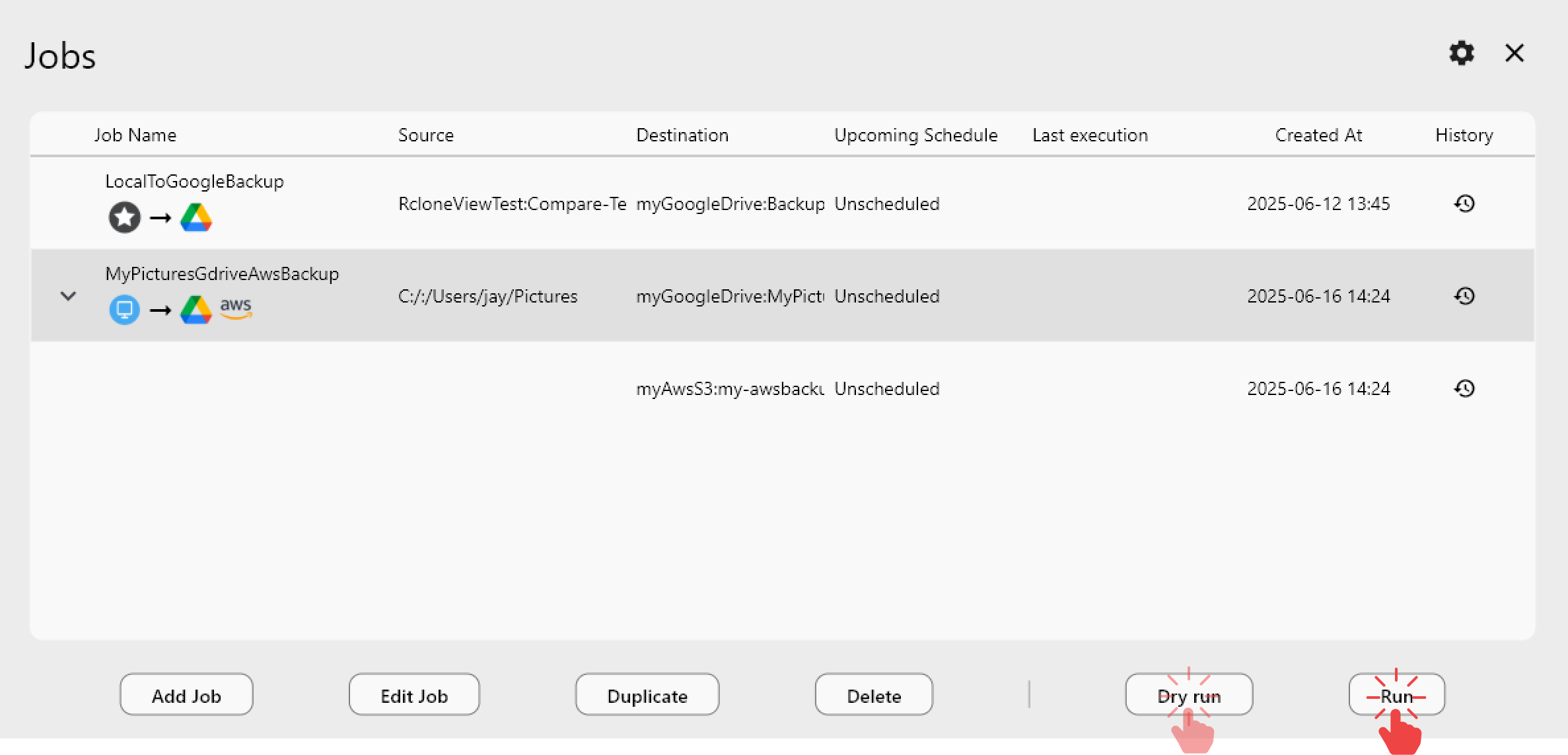
Schedule Automated MinIO Backup Jobs (PLUS)
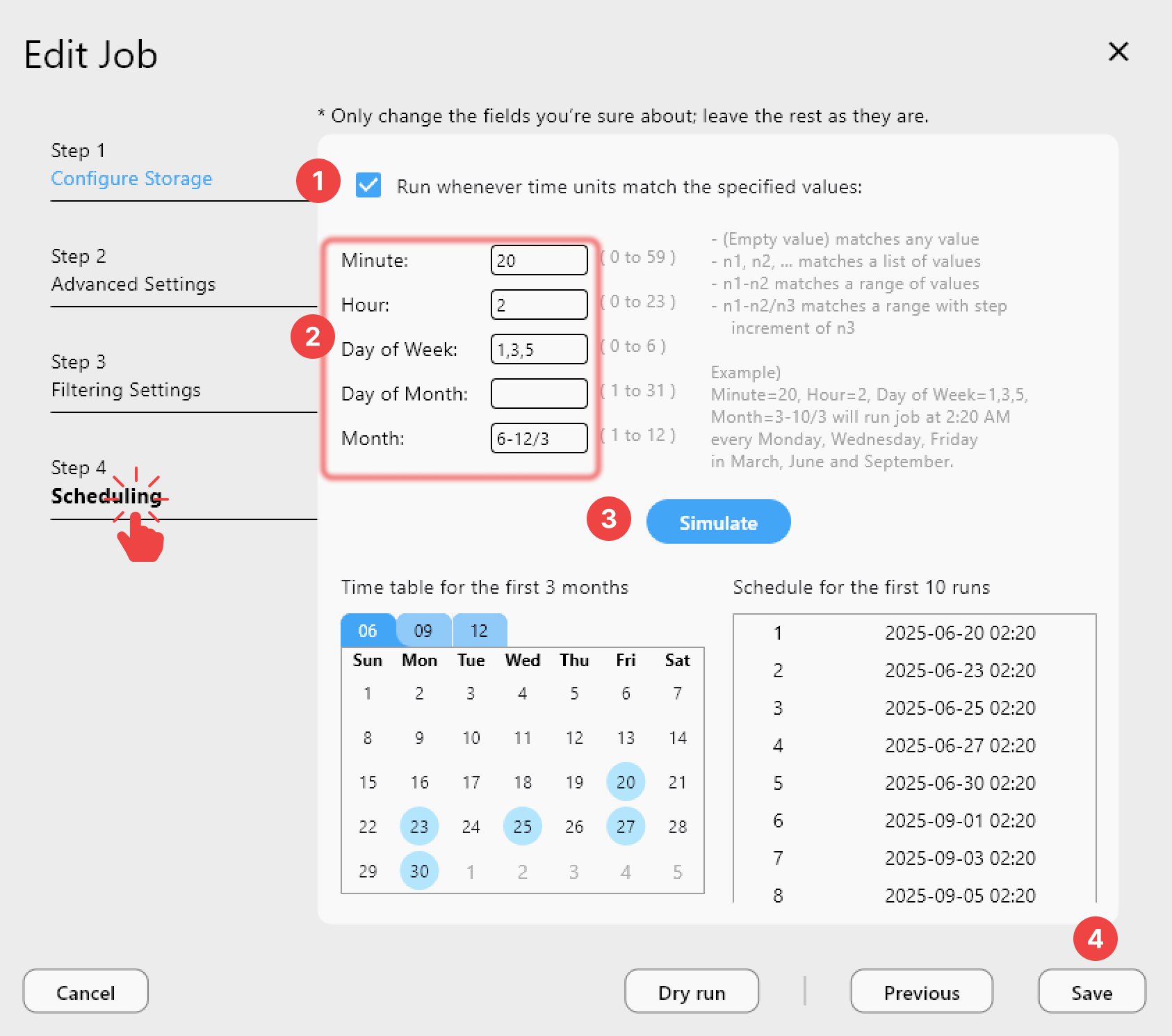
With a PLUS license, RcloneView schedules MinIO backup jobs using cron syntax. Configure incremental backups to run after business hours, weekly full syncs, or continuous mirrors for critical datasets. The job history panel logs every run's statistics, giving operations teams a clear record of on-premises-to-cloud data movement.
Getting Started
- Download RcloneView from rcloneview.com.
- Go to Remote tab > New Remote, select Amazon S3, and set your MinIO endpoint.
- Enter your MinIO access credentials and enable path-style access.
- Browse buckets in the explorer and create sync jobs to local or public cloud destinations.
RcloneView gives MinIO administrators the visual tooling they need to integrate on-premises object storage into a complete multi-cloud data strategy.
Related Guides:
- Manage Amazon S3 Storage — Sync and Backup Files with RcloneView
- Centralize S3, Wasabi, and R2 Buckets with RcloneView
- Manage Cloudflare R2 Storage — Sync and Backup Files with RcloneView
Supported Cloud Providers