Migrate Seafile to Backblaze B2 — Transfer Files with RcloneView

Move your self-hosted Seafile libraries into Backblaze B2 object storage without touching a command line.
Teams running Seafile on their own hardware or a private server eventually hit a wall: local disks fill up, server maintenance becomes a burden, or a project needs an off-site copy for disaster recovery. Backblaze B2 offers a cost-effective, durable destination for that data, but coordinating the transfer between a self-hosted sync platform and object storage isn't something most file managers handle well. RcloneView connects to both Seafile and Backblaze B2 as remotes in the same window, letting you browse, compare, and move libraries directly.
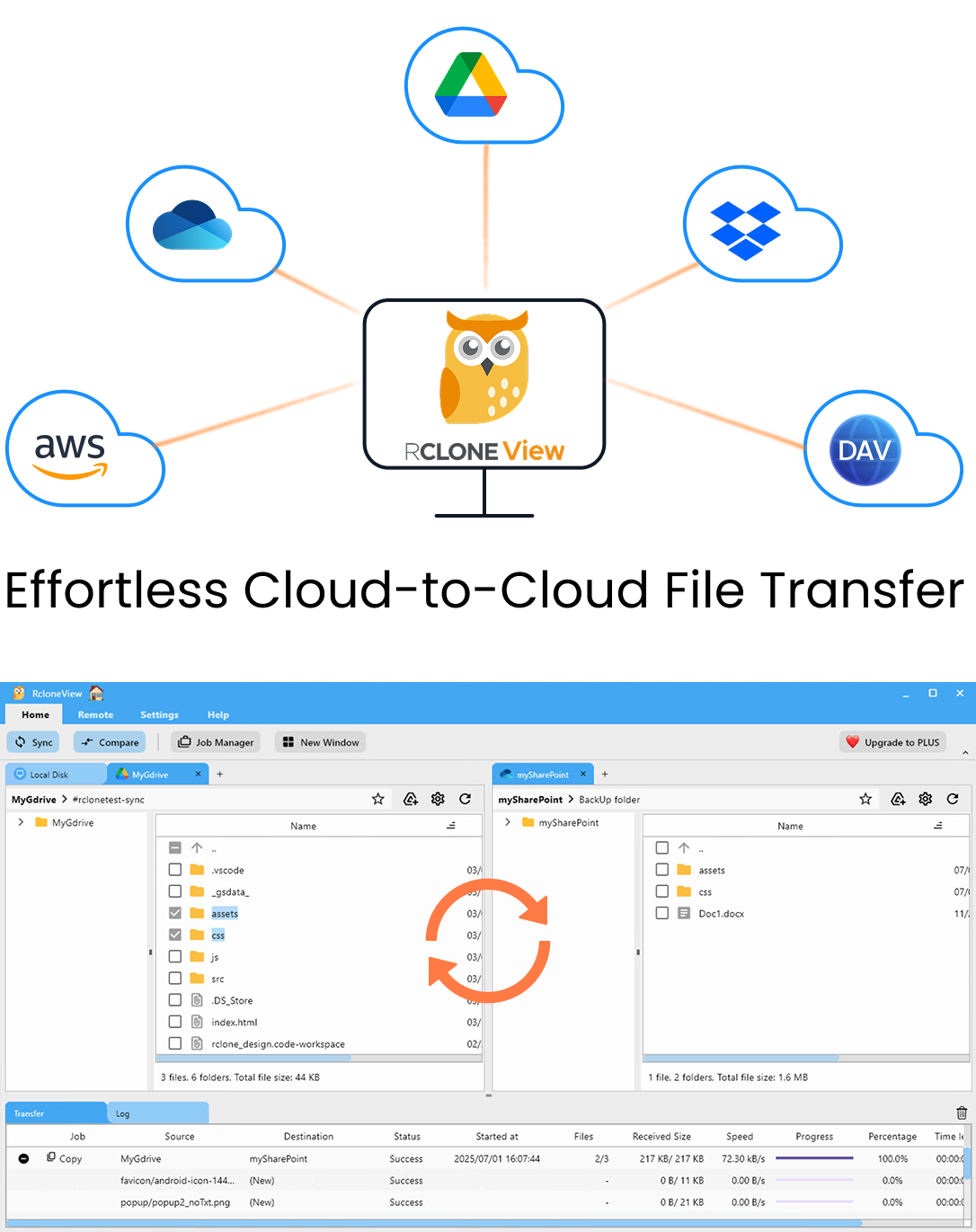
Manage & Sync All Clouds in One Place
RcloneView is a cross-platform GUI for rclone. Compare folders, transfer or sync files, and automate multi-cloud workflows with a clean, visual interface.
- One-click jobs: Copy · Sync · Compare
- Schedulers & history for reliable automation
- Works with Google Drive, OneDrive, Dropbox, S3, WebDAV, SFTP and more
Free core features. Plus automations available.
Connecting Seafile and Backblaze B2 as Remotes
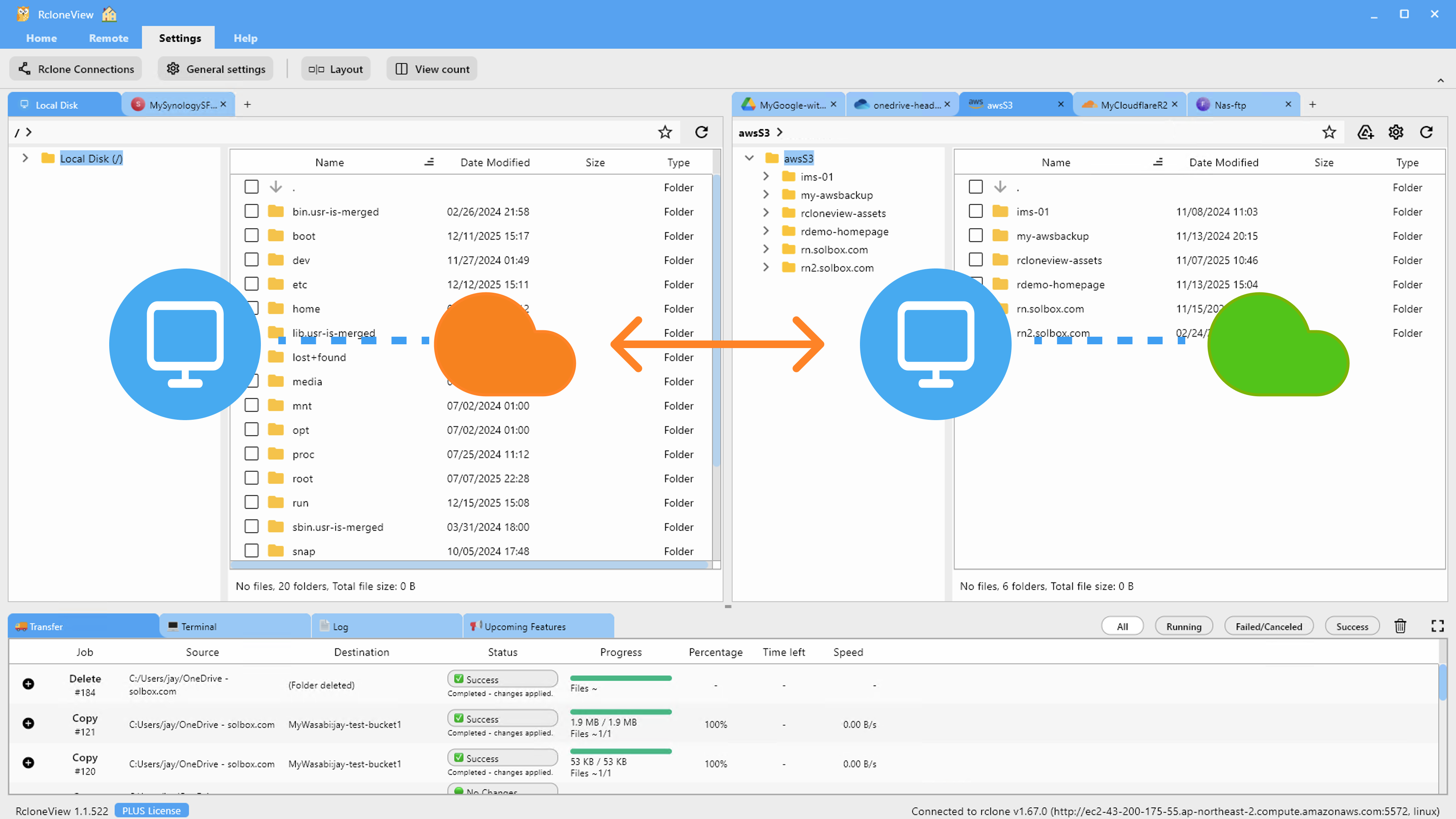
Seafile is added to RcloneView like any other remote, giving you a browsable file list of your libraries alongside the folder tree and breadcrumb path bar. Backblaze B2 requires an Application Key ID and Application Key, entered directly when creating the remote — no OAuth redirect, no separate CLI setup. Both remotes appear as tabs, and you can open Seafile in one panel and your B2 bucket in another using a horizontal or vertical split.
Unlike mount-only tools, RcloneView also syncs and compares folders — on the FREE license, so you aren't limited to simple drag-and-drop for a one-time transfer.
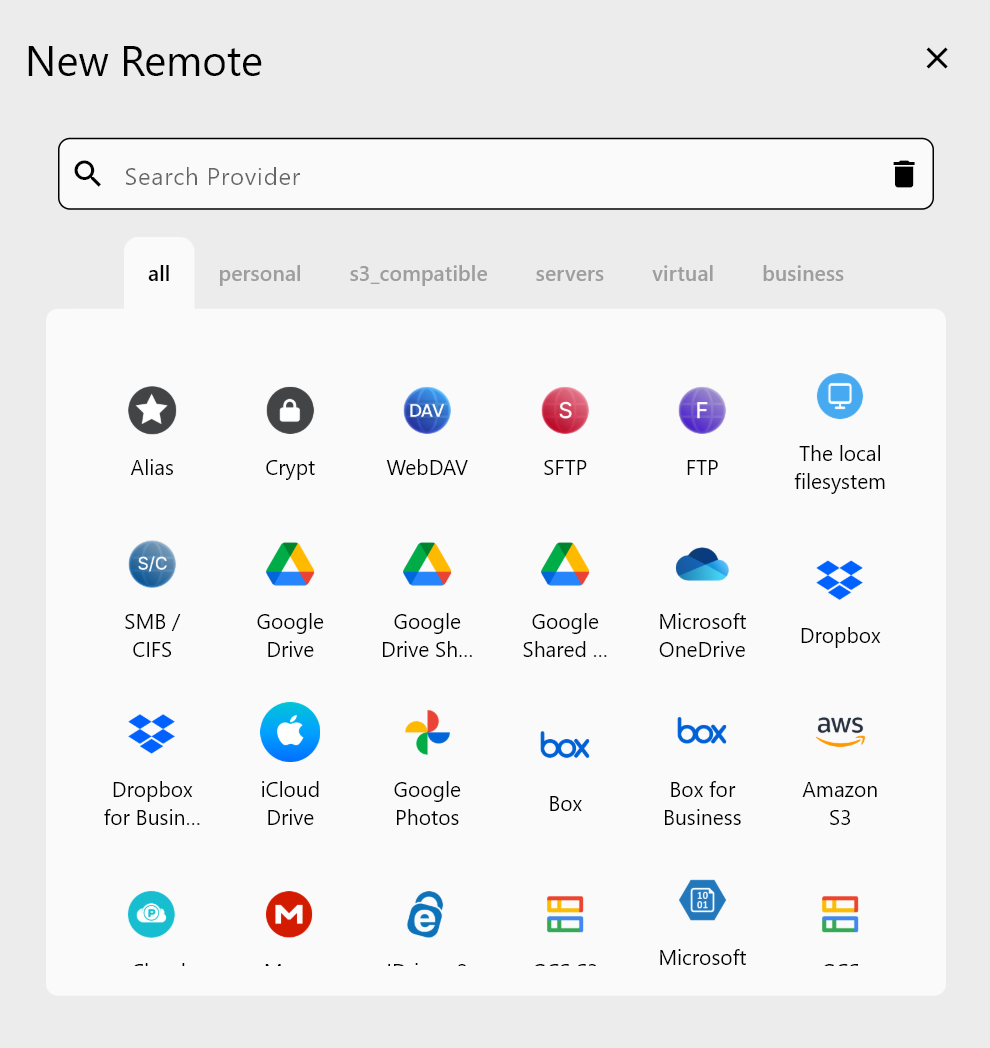
Once both remotes are visible, use drag-and-drop between panels for smaller libraries, or set up a Sync job for larger, ongoing transfers that need retries and filtering.
Running the Migration as a Sync Job
For a full library migration, configure a Sync job with Seafile as the source and your Backblaze B2 bucket as the destination. The 4-step wizard lets you set the number of concurrent file transfers and multi-thread transfer count, which matters when moving thousands of small files typical of shared document libraries. Enabling checksum comparison ensures files are verified by hash and size rather than assumed correct after a single pass.
Before committing to the transfer, run a Dry Run to preview exactly which files will be copied. This is especially useful when migrating a library that's been in active use for years, since it surfaces stale or unexpectedly large files before they consume B2 storage.
Filtering and Verifying the Transfer
Seafile libraries often mix document types, temporary files, and version history artifacts you don't want duplicated in B2. RcloneView's filtering settings let you exclude by file type, path, or age — for example, skipping .git/ folders in code-adjacent libraries or excluding anything older than a set number of years for an archive migration. Custom filters use simple patterns like .iso for extension exclusion or /.git/* for root-level path exclusion.
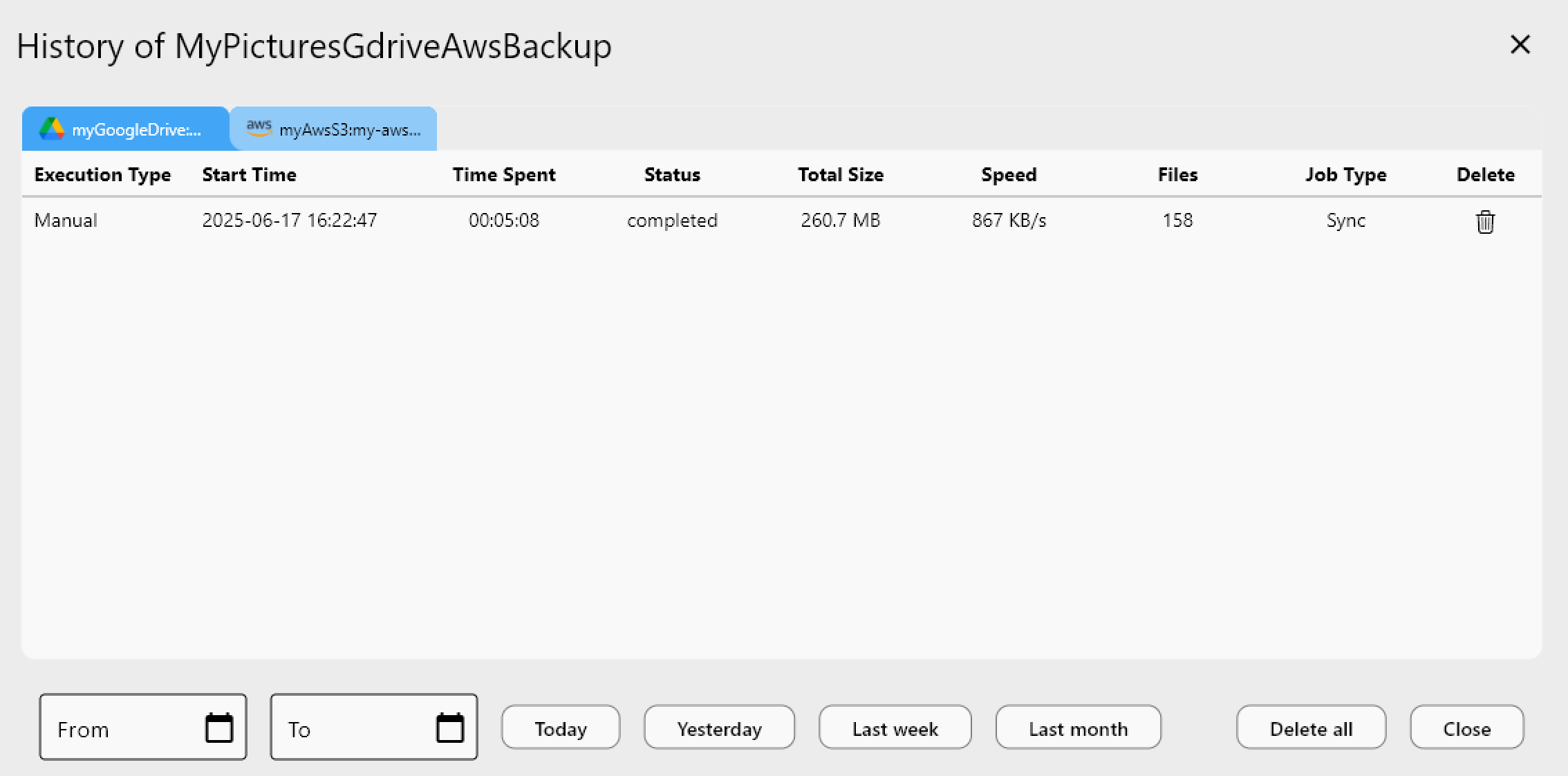
After the job completes, Job History records the execution type, duration, total size, transfer speed, and file count, giving you a record you can reference if a stakeholder asks whether the migration finished cleanly.
Getting Started
- Download RcloneView from rcloneview.com.
- Add your Seafile server as a remote using your account credentials.
- Create a Backblaze B2 remote with your Application Key ID and Application Key.
- Set up a Sync job from Seafile to B2, run a Dry Run, then execute and confirm in Job History.
Moving off self-hosted infrastructure doesn't have to mean rebuilding your workflow from scratch — with both endpoints in one explorer, the migration becomes a single tracked job.
Related Guides:
Supported Cloud Providers