Fix Put.io Sync Errors — Diagnose and Resolve with RcloneView

Work through the usual causes of failed Put.io transfers, from expired authorization to over-eager concurrency, using tools built into RcloneView.
A Put.io sync that stops halfway usually leaves you guessing: was it the login, the network, or the job settings? RcloneView puts the evidence in one place. The Transferring tab, Job History, and the log viewer each show a different slice of what happened, and Folder Compare tells you what is still missing afterward.
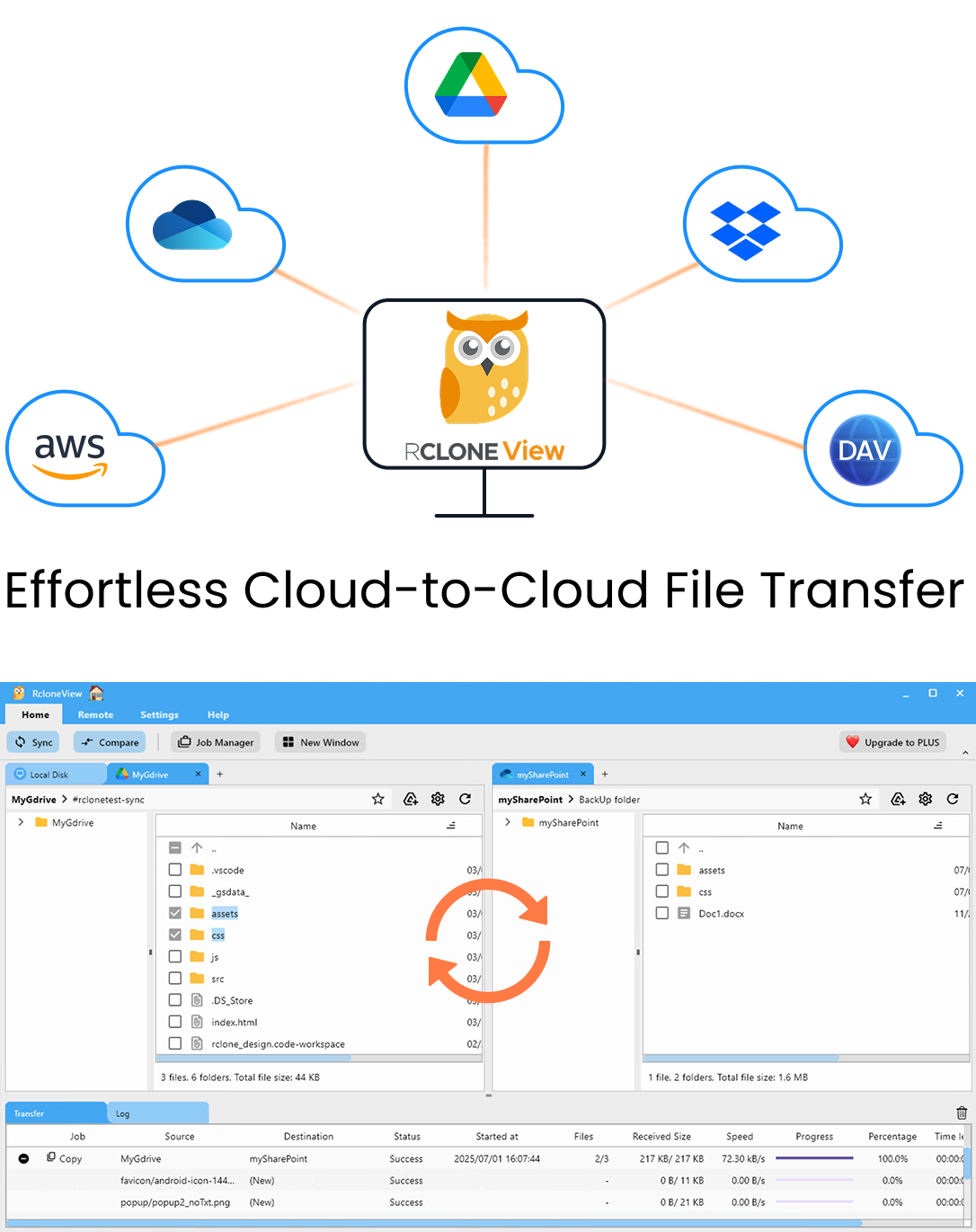
Manage & Sync All Clouds in One Place
RcloneView is a cross-platform GUI for rclone. Compare folders, transfer or sync files, and automate multi-cloud workflows with a clean, visual interface.
- One-click jobs: Copy · Sync · Compare
- Schedulers & history for reliable automation
- Works with Google Drive, OneDrive, Dropbox, S3, WebDAV, SFTP and more
Free core features. Plus automations available.
Start with Authorization
Put.io connects through browser-based OAuth. If a job fails immediately with an authentication or permission message, the stored authorization is the first suspect. Open Remote Manager from the Remote tab, edit the Put.io remote, and run through the browser login again. Make sure you sign in to the same Put.io account that holds the files, since a second account in the same browser is a common cause of empty listings.
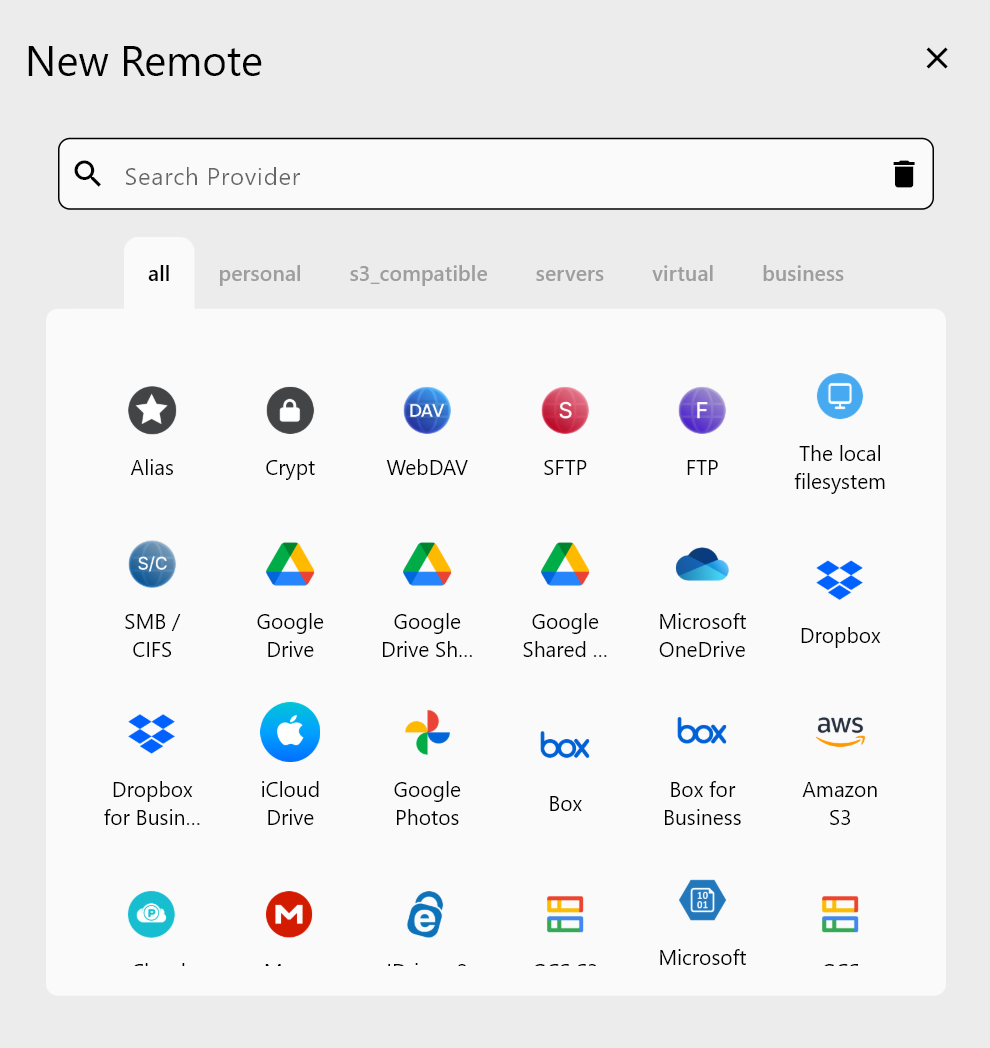
After re-authorizing, refresh the Put.io panel with F5 (Cmd+R on macOS) and confirm your folders list correctly before you re-run any job.
Read Job History and Logs
When a job fails partway, open Job History. Each run records its execution type, start time, time spent, status (Completed, Errored, or Canceled), total size, speed, and file count. Comparing a failed run with a previous good one shows whether it died early, which points at credentials, or late, which points at network or volume issues.
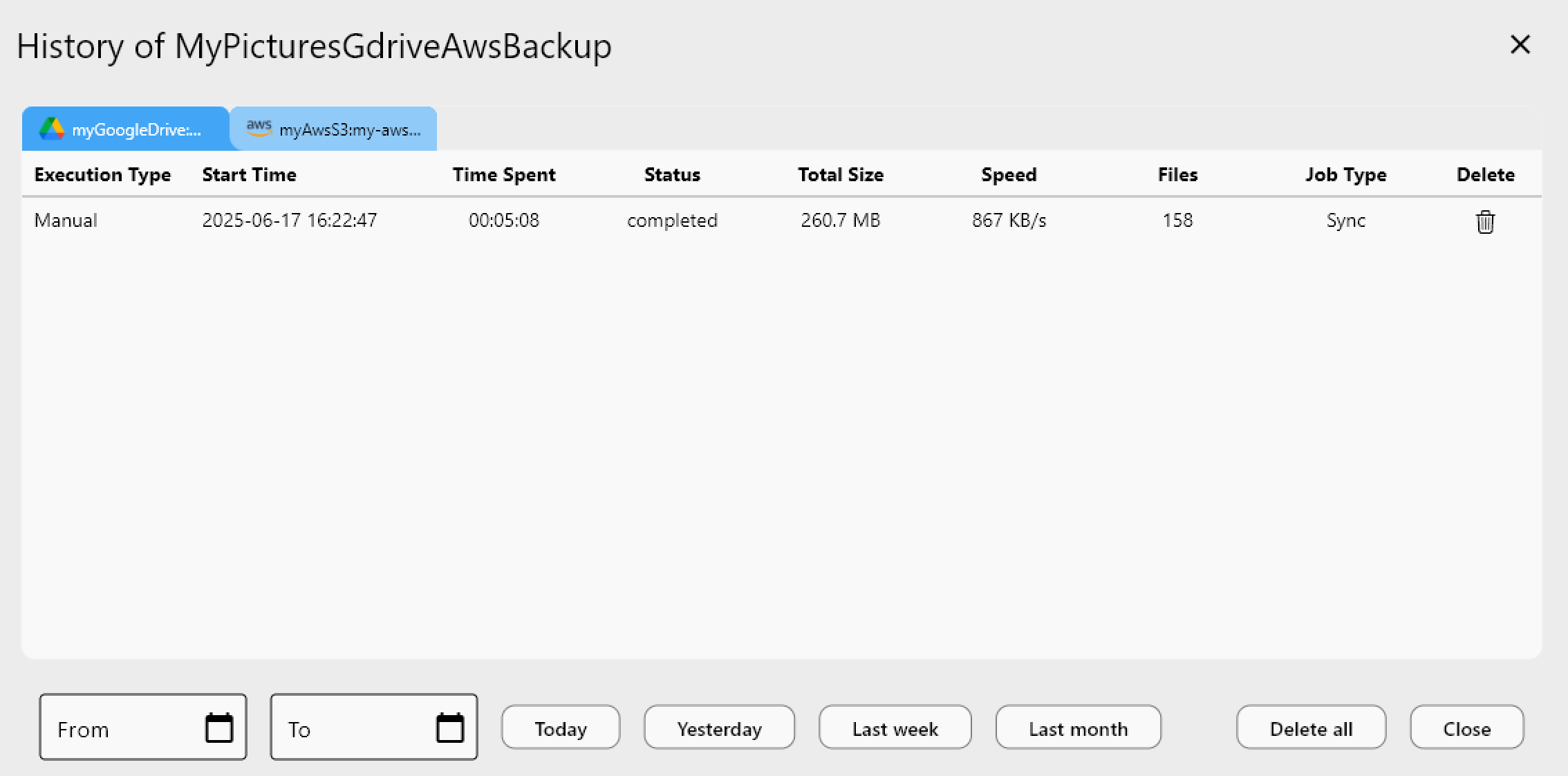
For details, turn on file logging under Settings > Embedded Rclone, set the log level to DEBUG, and click Restart Embedded Rclone. Reproduce the failure, then read the log tab for the failing file and error text. The Terminal tab also lets you run rclone about "putio:" (using your own remote name) to confirm the remote responds.
Tune the Job Settings
Transfer failures on remote services are often self-inflicted. In the sync wizard's Advanced Settings, lower Number of file transfers and Number of equality checkers; the defaults suggest keeping checkers at 4 or fewer for slow backends. Leave Retry entire sync if fails at its default of 3 so brief interruptions recover on their own. If very large files are the problem, use the max file size filter to split the work into a first pass of smaller files and a separate pass for the rest.
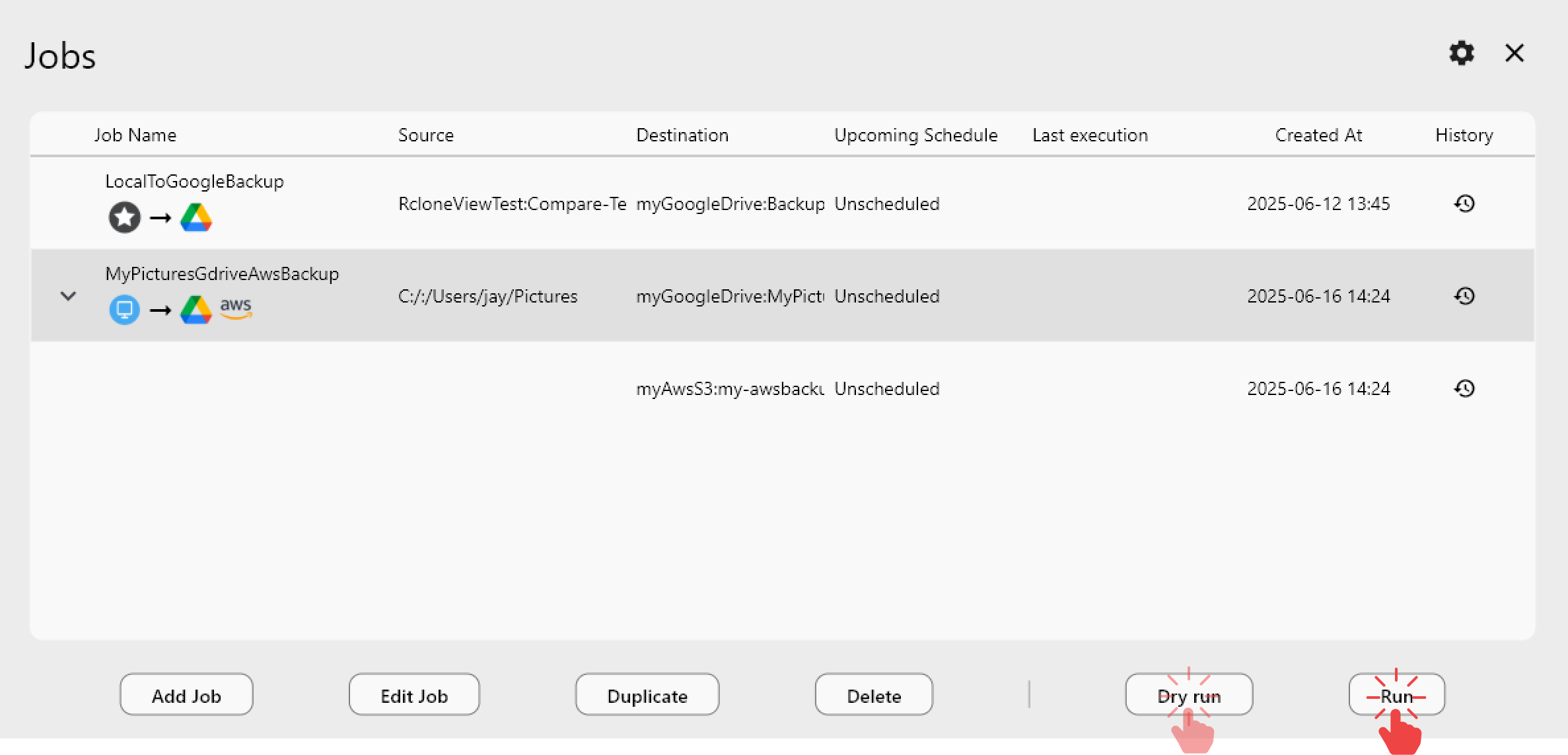
Confirm What Is Missing
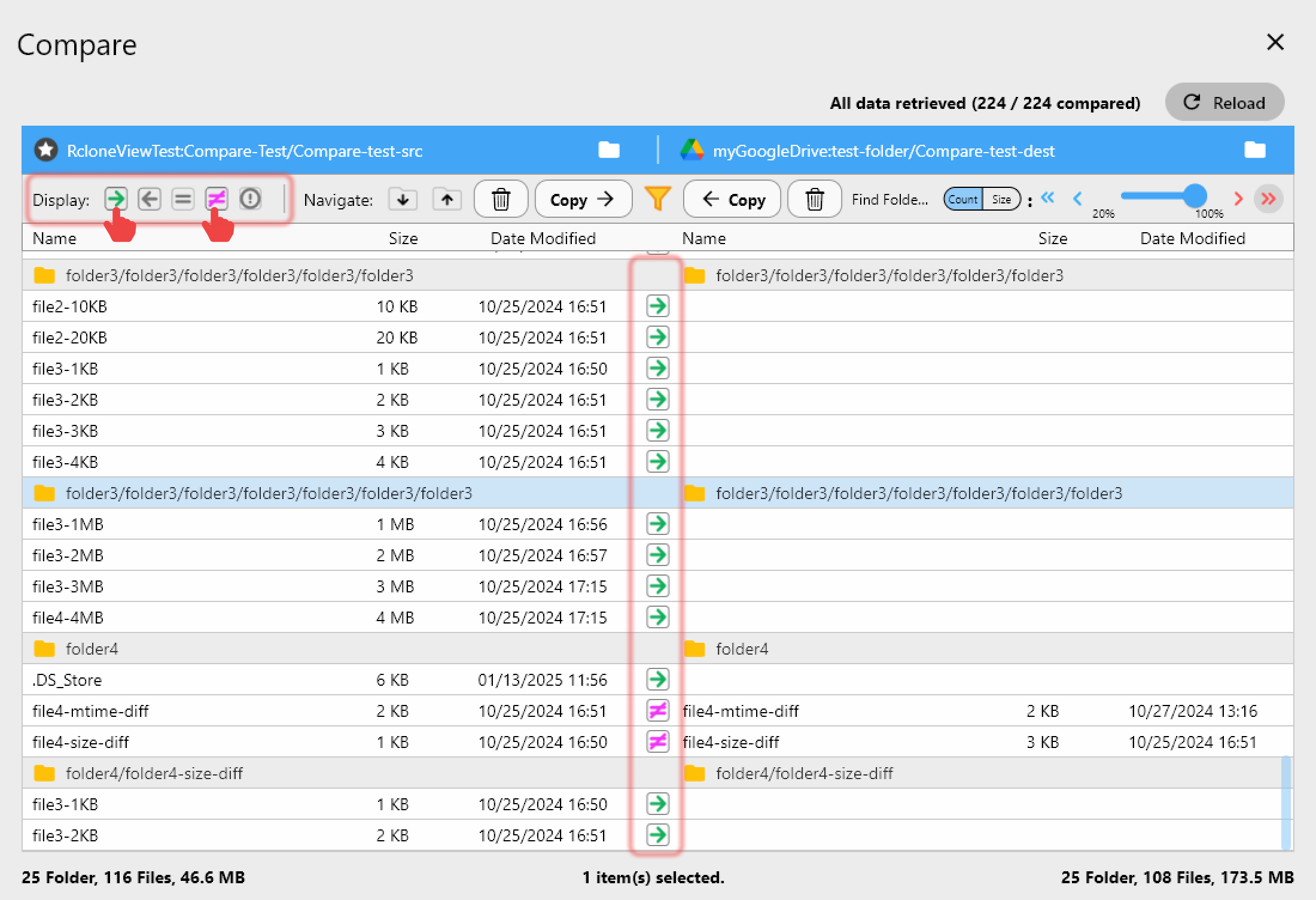
After a rerun, open Compare with Put.io on one side and your destination on the other. Left-only files are the ones that never arrived, and Copy right sends only those. RcloneView shows this on the FREE license, alongside mount and sync, so you can finish a recovery without upgrading.
Getting Started
- Download RcloneView from rcloneview.com.
- Re-authorize the Put.io remote in Remote Manager and refresh the listing.
- Review Job History, and enable DEBUG logging if the cause is not obvious.
- Lower concurrency, rerun, then use Compare to copy anything left over.
Reading the evidence first turns a vague failure into a specific, fixable setting.
Related Guides:
Supported Cloud Providers