Folder Compare with Filter — Precision Comparisons in RcloneView

A full folder comparison is only useful if the results aren't buried under files you never cared about in the first place.
Running a plain Folder Compare between two large storage locations often returns a wall of differences that have nothing to do with the data you actually need to verify — build caches, .git folders, temp files, and ISOs that were never meant to be backed up in the first place. RcloneView's Folder Compare with Filter lets you exclude those categories before the comparison runs, so the results reflect only the files that matter.
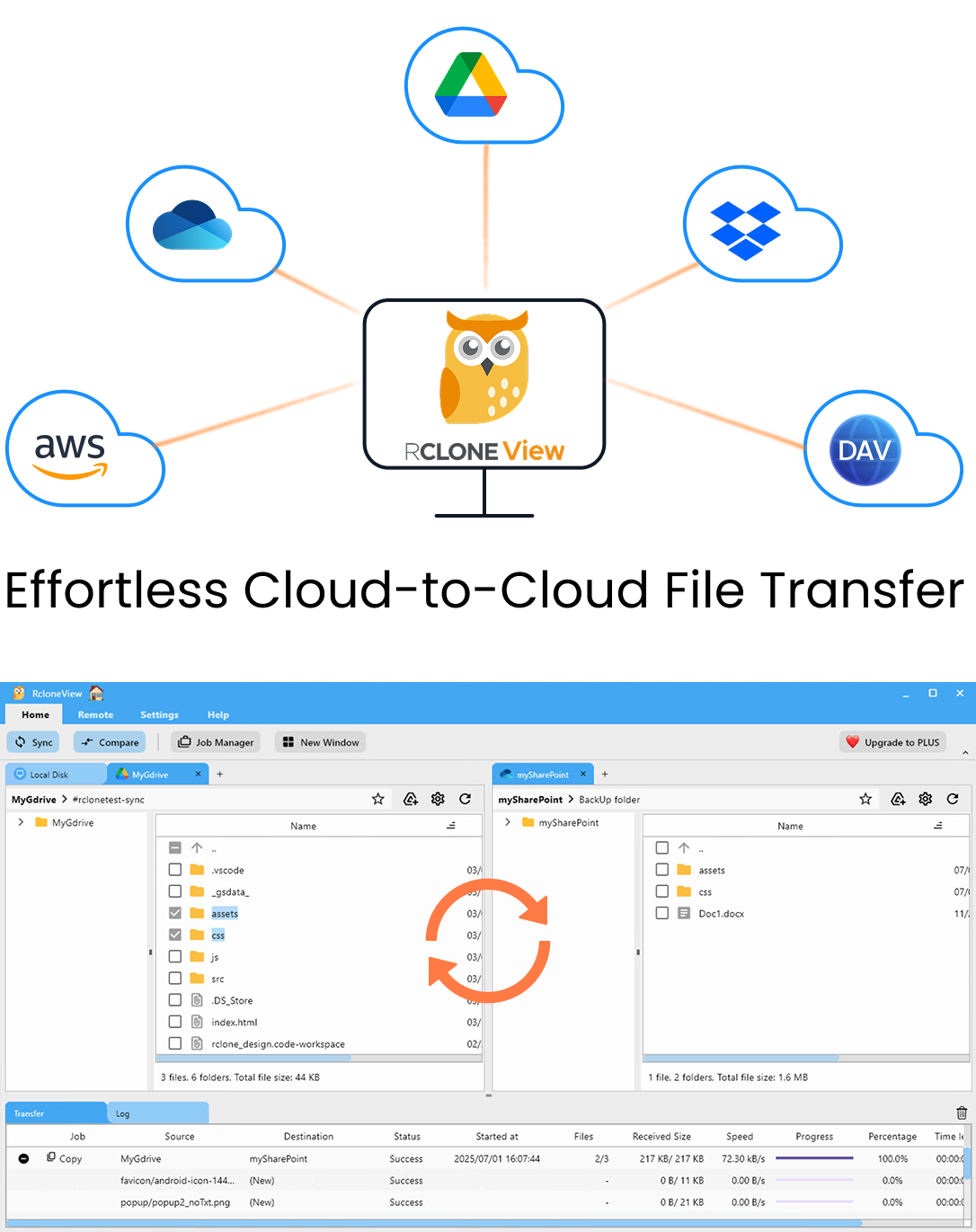
Manage & Sync All Clouds in One Place
RcloneView is a cross-platform GUI for rclone. Compare folders, transfer or sync files, and automate multi-cloud workflows with a clean, visual interface.
- One-click jobs: Copy · Sync · Compare
- Schedulers & history for reliable automation
- Works with Google Drive, OneDrive, Dropbox, S3, WebDAV, SFTP and more
Free core features. Plus automations available.
Why Filtered Comparisons Matter
A raw comparison between two large directory trees treats every file as equally important, which means a source repository with a bulky .git history or a project folder full of .iso images can dwarf the differences you're actually trying to catch. Filtering the comparison scope down to relevant folder names and file types turns a noisy, hard-to-read result into a focused list of exactly what changed in the data you care about.
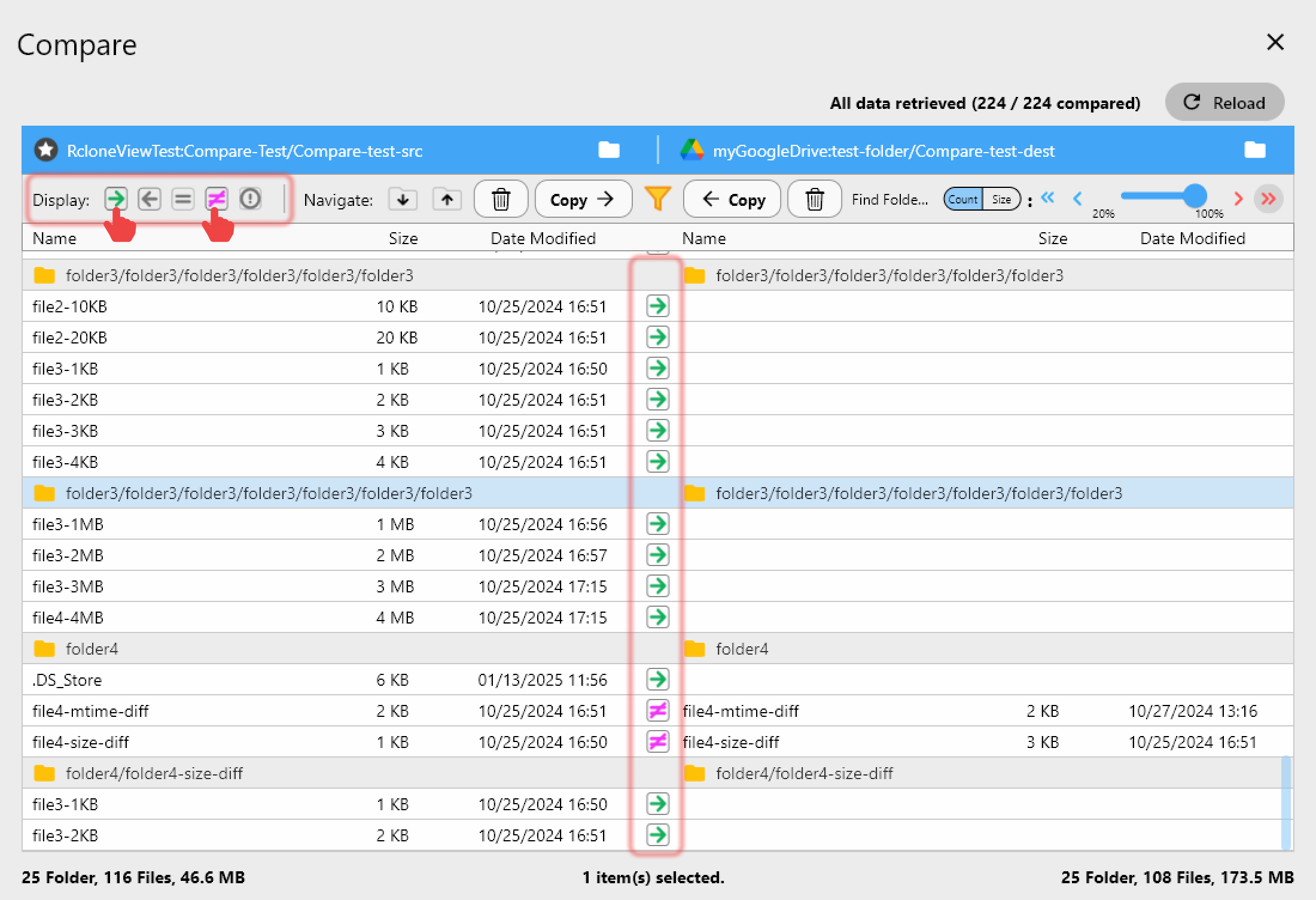
RcloneView also syncs and compares folders — on the FREE license — with filtered comparison layered on top as a PLUS-tier refinement for teams that need it.
Setting Up Filter Rules
Filter rules follow the same pattern used elsewhere in RcloneView: exclude by extension, folder path, or exact folder name. A rule like .iso drops every ISO file from the comparison regardless of where it sits, /.git/* excludes only the root-level .git files, /.git/ removes the root .git folder specifically, and .git/ strips every .git folder no matter how deep it's nested. Combine several rules to narrow the comparison down to exactly the file types and paths worth reviewing.
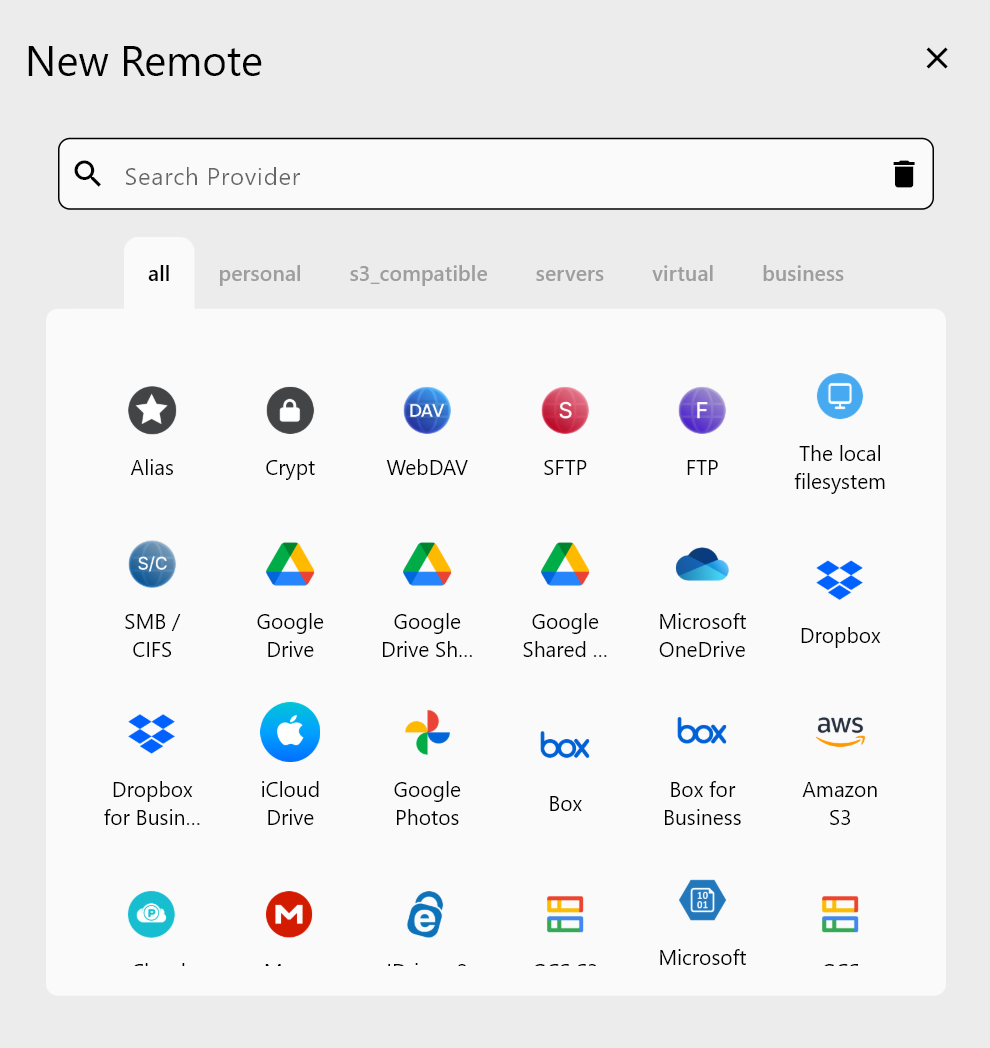
This is a PLUS-license feature — the base Folder Compare (unfiltered, showing left-only, right-only, same, and different files) is available on every license tier, and filtering builds on that same comparison engine.
Practical Filtering Scenarios
Development teams comparing a project folder against a cloud backup typically exclude node_modules/, .git/, and build output directories, since those are regenerable and shouldn't factor into whether the backup is complete. Media teams archiving RAW photo libraries often exclude sidecar cache files and thumbnail previews so the comparison focuses on the actual image assets. And anyone auditing a migration between two cloud accounts can exclude temp or scratch folders that were never meant to survive the move, keeping the left-only and right-only lists limited to files that genuinely need attention.
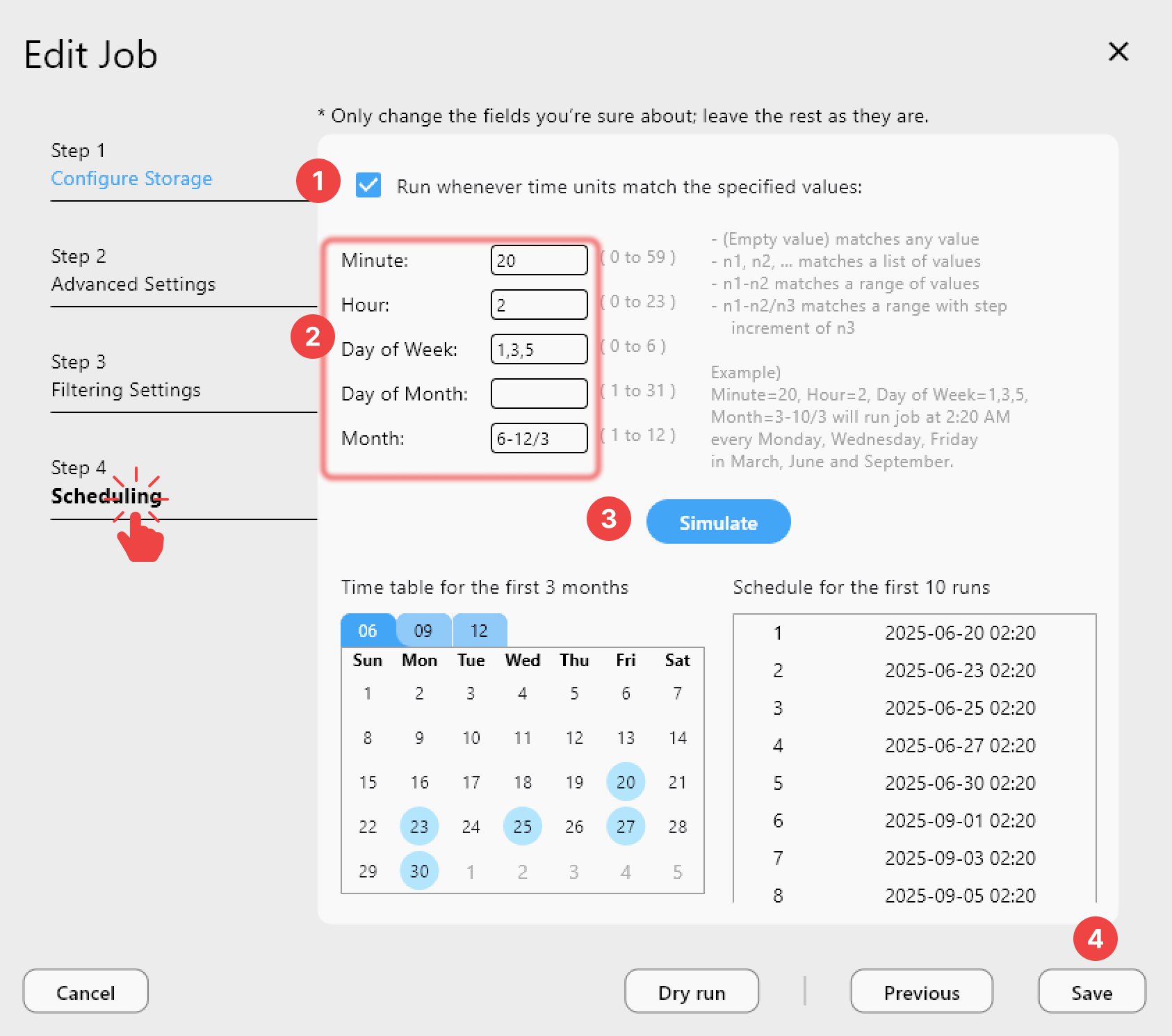
Once the filtered comparison finishes, the same actions apply as any other Folder Compare: copy left-only files to the right side, review right-only files before deleting, and update anything flagged as different — just without the distraction of files that were excluded on purpose.
Getting Started
- Download RcloneView from rcloneview.com.
- Launch Compare from the Home tab and select your two folders.
- Open the filter settings and add exclusion rules for the folder names and file types you want left out.
- Run the comparison and review a results list scoped to what actually matters.
A filtered comparison turns a wall of noise into a short, actionable list — exactly what you want before deciding what to copy, update, or leave alone.
Related Guides:
- Folder Comparison Deep Dive — Detect Every Difference Between Cloud Storage Locations
- Rclone Filter Rules Explained — Include and Exclude Patterns with RcloneView
- Filter Rules for Selective Sync — RcloneView Guide
Supported Cloud Providers