Sync Seafile Self-Hosted Cloud with Google Drive, S3, and External Storage Using RcloneView
Seafile gives you full control over your data with self-hosted cloud storage. But self-hosted doesn't mean self-isolated — RcloneView connects Seafile with 70+ external cloud providers for backup, collaboration, and migration.
Seafile is an open-source file sync and share platform that many organizations run on their own servers. It offers fast sync, file locking, and excellent performance with large files. The challenge: Seafile lives on your infrastructure, and you need off-site backup, cloud collaboration, or a way to migrate data in or out. RcloneView bridges Seafile with the rest of the cloud world.
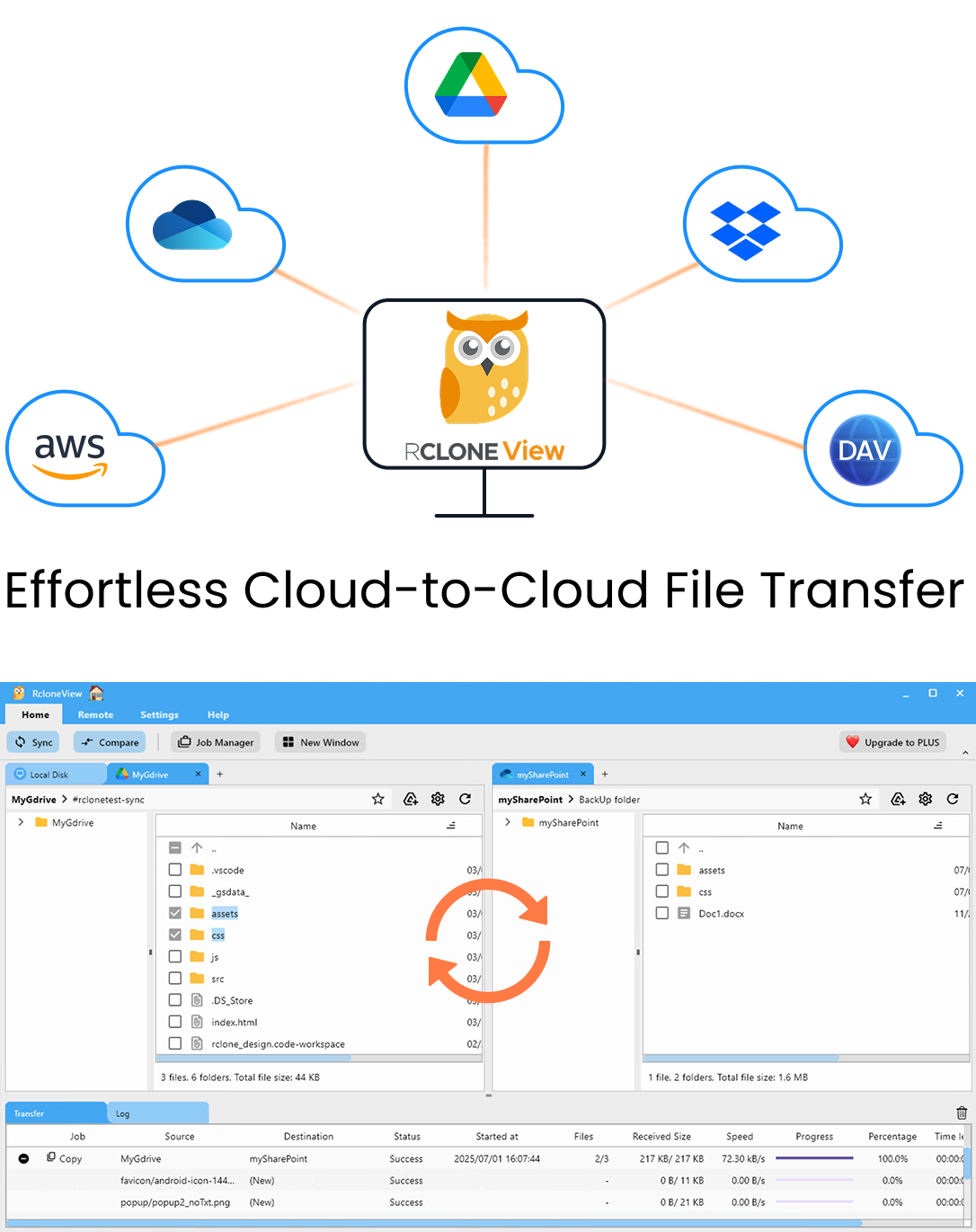
Manage & Sync All Clouds in One Place
RcloneView is a cross-platform GUI for rclone. Compare folders, transfer or sync files, and automate multi-cloud workflows with a clean, visual interface.
- One-click jobs: Copy · Sync · Compare
- Schedulers & history for reliable automation
- Works with Google Drive, OneDrive, Dropbox, S3, WebDAV, SFTP and more
Free core features. Plus automations available.
Why Connect Seafile to External Clouds?
- Off-site backup — Self-hosted means self-responsible. Back up to S3 or B2 for disaster recovery.
- Collaboration — Share files with external partners via Google Drive or Dropbox.
- Migration — Move data into Seafile from another cloud, or out when changing platforms.
- Hybrid setup — Sensitive data on Seafile, shared files on public cloud.
Setting Up Seafile in RcloneView
Add Seafile as a remote
- Open RcloneView and click Add Remote.
- Select Seafile as the type.
- Enter your Seafile server URL (e.g.,
https://seafile.yourcompany.com). - Enter your username and password (or API token).
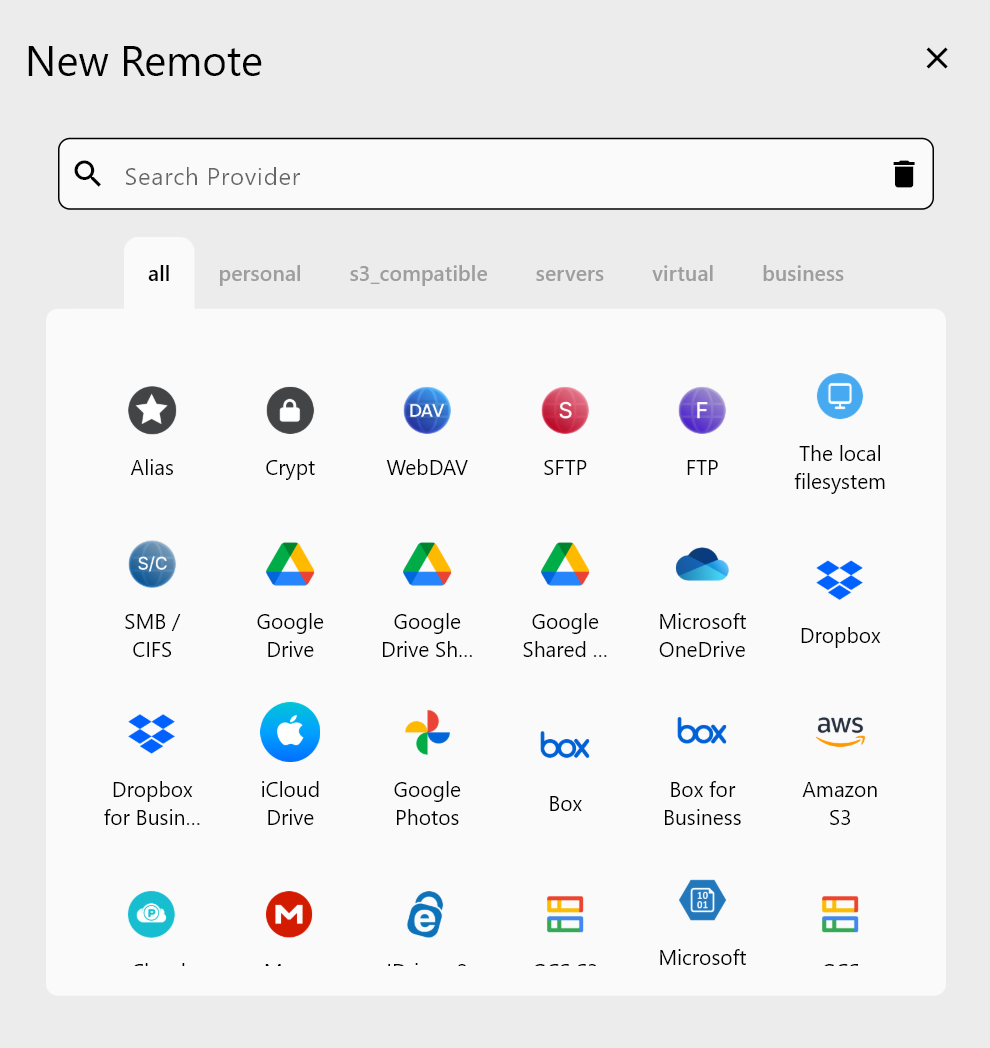
Your Seafile libraries appear in the two-pane explorer.
Key Workflows
1) Seafile → S3 (off-site backup)
Schedule nightly backups from Seafile to AWS S3 or Backblaze B2:
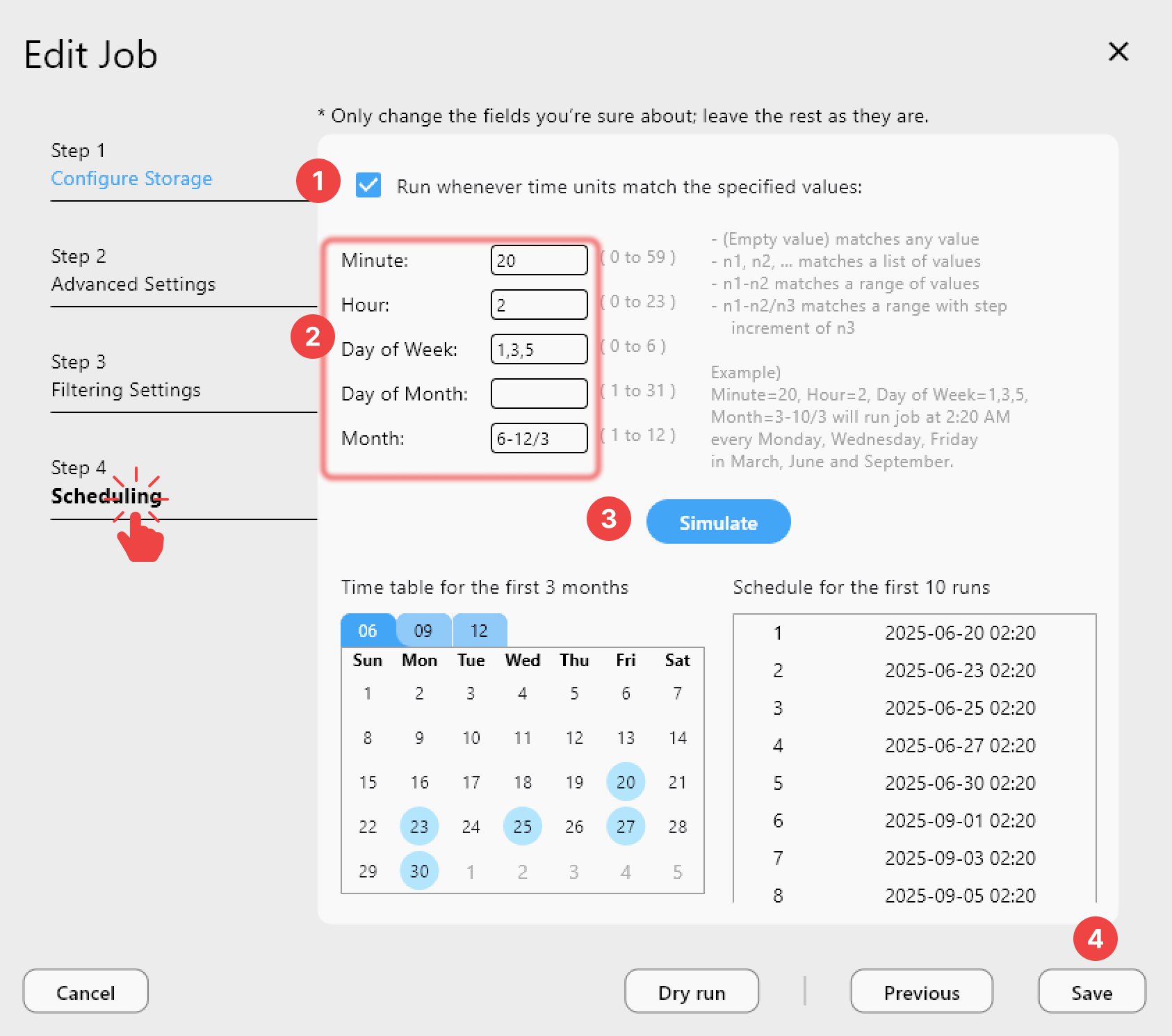
Your self-hosted data now has an independent off-site copy.
2) Google Drive → Seafile (migration)
Moving to self-hosted? Transfer files from Google Drive to Seafile:
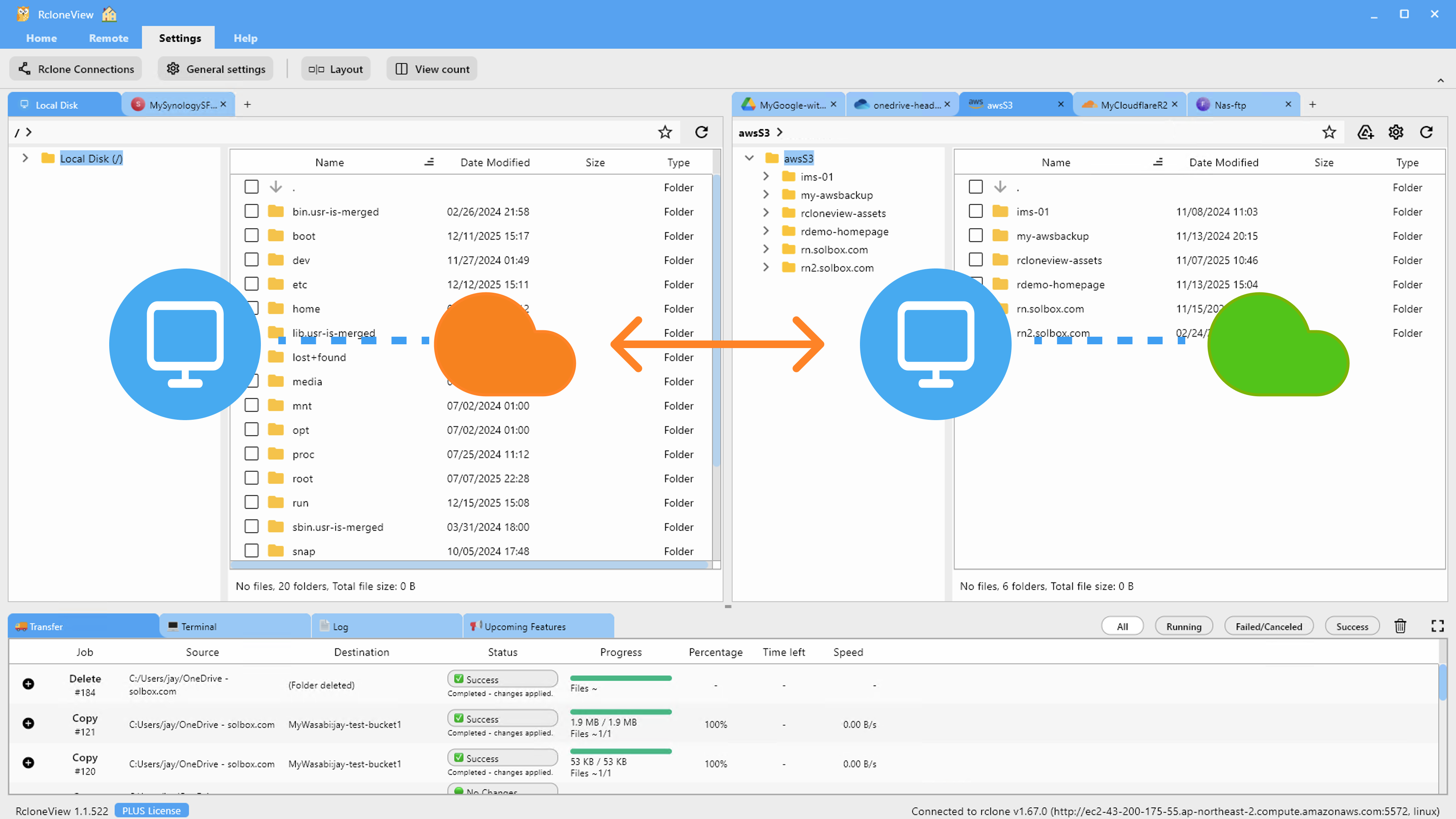
3) Seafile → Google Drive (external sharing)
Copy specific libraries to Google Drive for sharing with external partners who don't have Seafile access.
4) Encrypted off-site backup
Use a crypt remote to encrypt Seafile data before sending to cloud storage. Your self-hosted privacy extends to your off-site backup.
Verify Backups
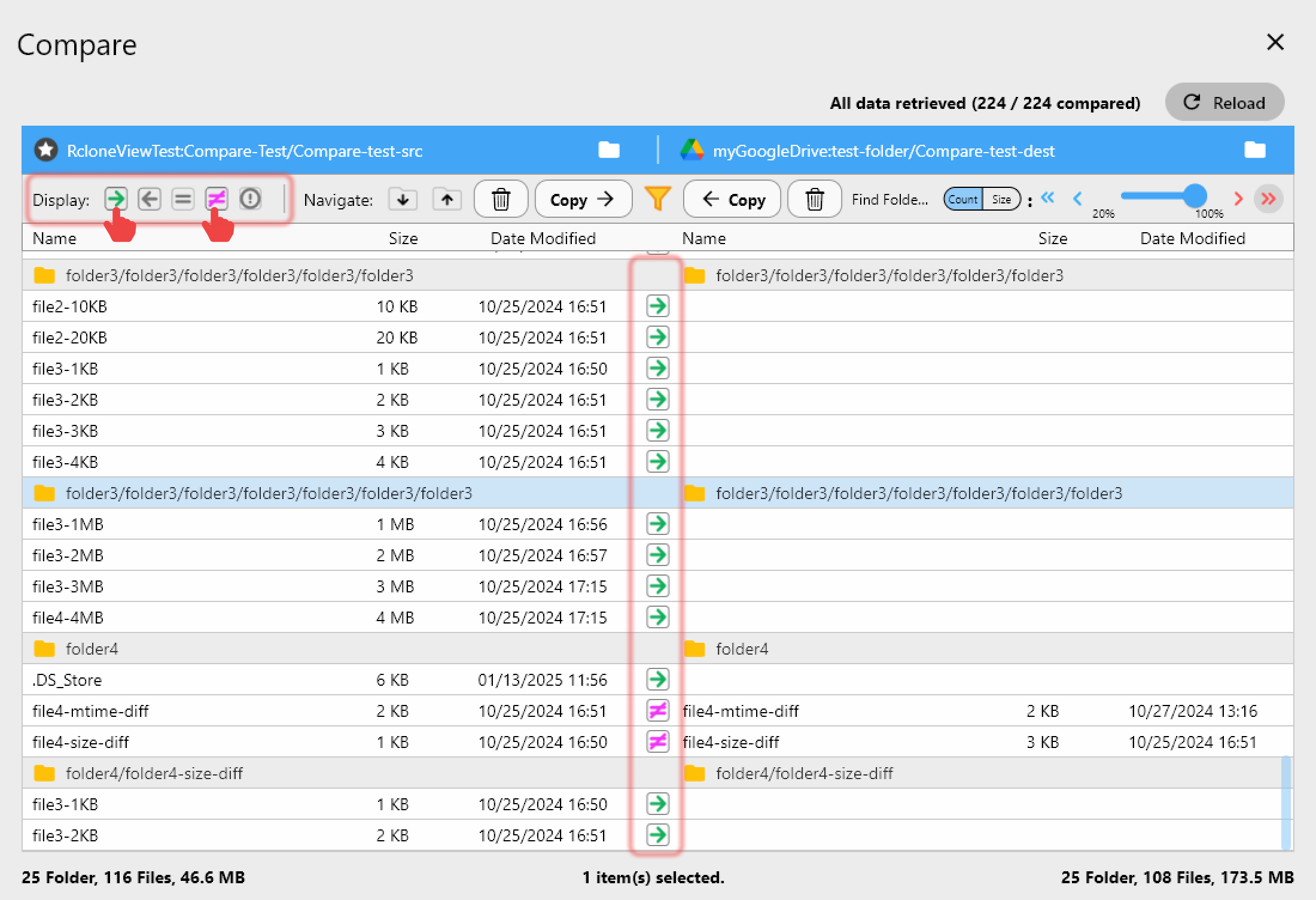
Compare Seafile libraries with backup destinations:
Batch Jobs for Complete Backup
Chain multiple Seafile backup operations with v1.3 Batch Jobs:
- Copy Library A → S3.
- Copy Library B → S3.
- Compare all libraries vs S3.
- Send Slack notification.
Getting Started
- Download RcloneView from rcloneview.com.
- Add Seafile alongside your cloud accounts.
- Create backup jobs from Seafile to external storage.
- Schedule and verify for reliable off-site protection.
Self-hosted doesn't mean self-limited. Connect Seafile to everything.
Related Guides:
Supported Cloud Providers