Migrate Dropbox to Storj — Transfer Files with RcloneView
Storj offers decentralized cloud storage with end-to-end encryption and competitive durability — RcloneView migrates your Dropbox content directly to Storj without any local download-and-reupload workflow.
Storj is a decentralized cloud storage network offering high durability through erasure coding, end-to-end encryption by default, and cost-effective pricing — an appealing alternative for developers and privacy-conscious users. Migrating files from Dropbox manually would mean downloading everything locally first, but RcloneView enables a direct cloud-to-cloud transfer, streaming data from Dropbox to Storj without consuming local disk space.
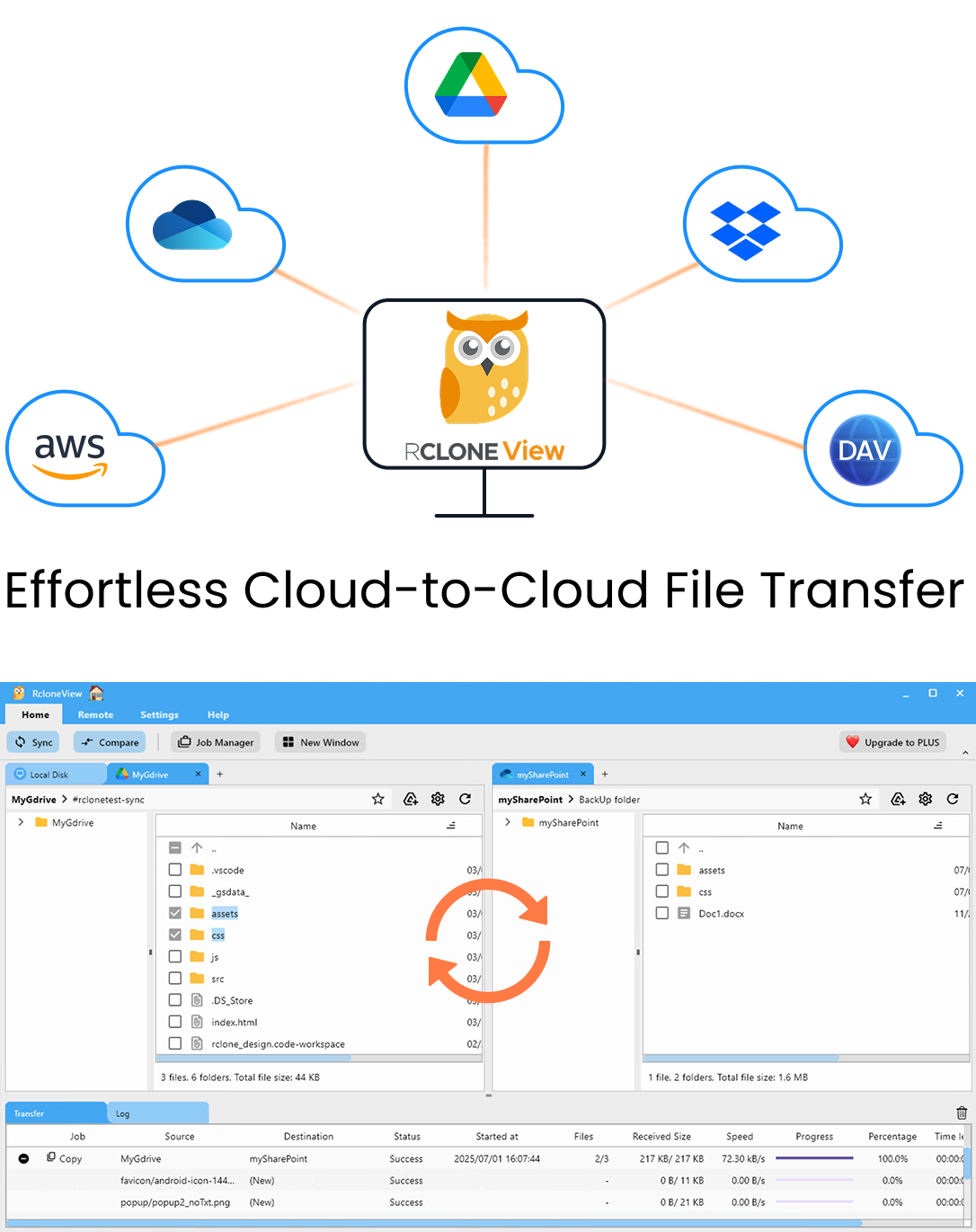
Manage & Sync All Clouds in One Place
RcloneView is a cross-platform GUI for rclone. Compare folders, transfer or sync files, and automate multi-cloud workflows with a clean, visual interface.
- One-click jobs: Copy · Sync · Compare
- Schedulers & history for reliable automation
- Works with Google Drive, OneDrive, Dropbox, S3, WebDAV, SFTP and more
Free core features. Plus automations available.
Connecting Dropbox and Storj
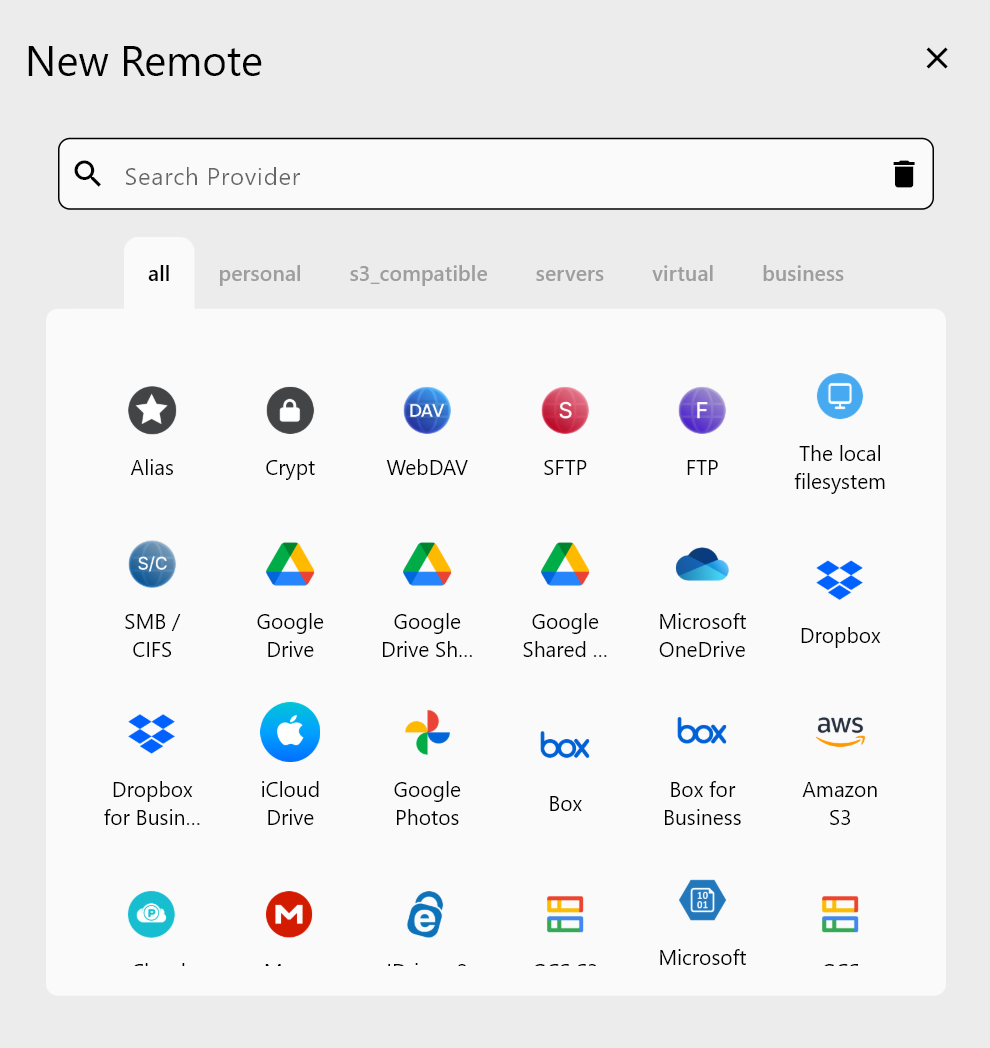
Add Dropbox in RcloneView through the OAuth browser flow — Remote tab > New Remote > Dropbox. For Storj, add a new remote and configure rclone's Storj backend with your credentials. After setting up both remotes, open them side by side in the dual-panel explorer — Dropbox on the left, Storj bucket on the right — to review your content before migrating.
For Dropbox for Business accounts, configure the dropbox_business flag when creating the remote to access team space and member folders correctly.
Running the Migration
In Job Manager, set the source to your Dropbox folder and the destination to your Storj bucket path. For a clean migration of a 300 GB project archive, use the Copy job type rather than Sync — this preserves source files on Dropbox while copying everything to Storj, giving you time to verify the migration before removing originals.
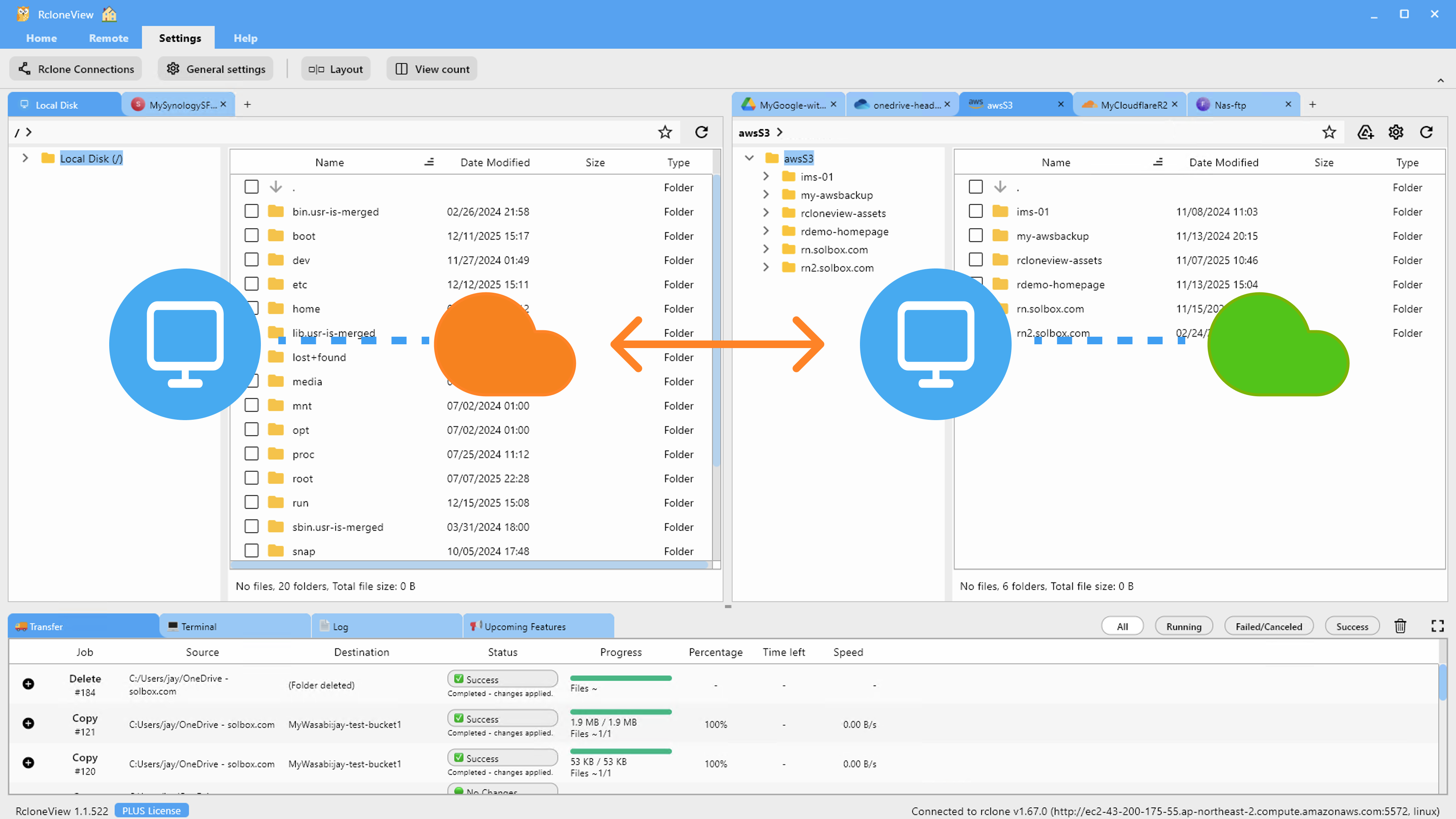
Enabling checksum verification in the job settings ensures each file transfers correctly. Storj's architecture distributes erasure-coded shards across a global node network, so you're not just getting a copy — you're getting a redundancy-hardened archive. RcloneView's Transferring tab shows real-time progress, transfer speed, and file counts throughout the migration.
Post-Migration Verification
After the job completes, use RcloneView's Folder Compare to compare the Dropbox source against the Storj destination. Files appearing as "equal" confirm both size and modification time match. Left-only files identify anything that didn't transfer — running the job again resolves these, since rclone only transfers what's missing or different.
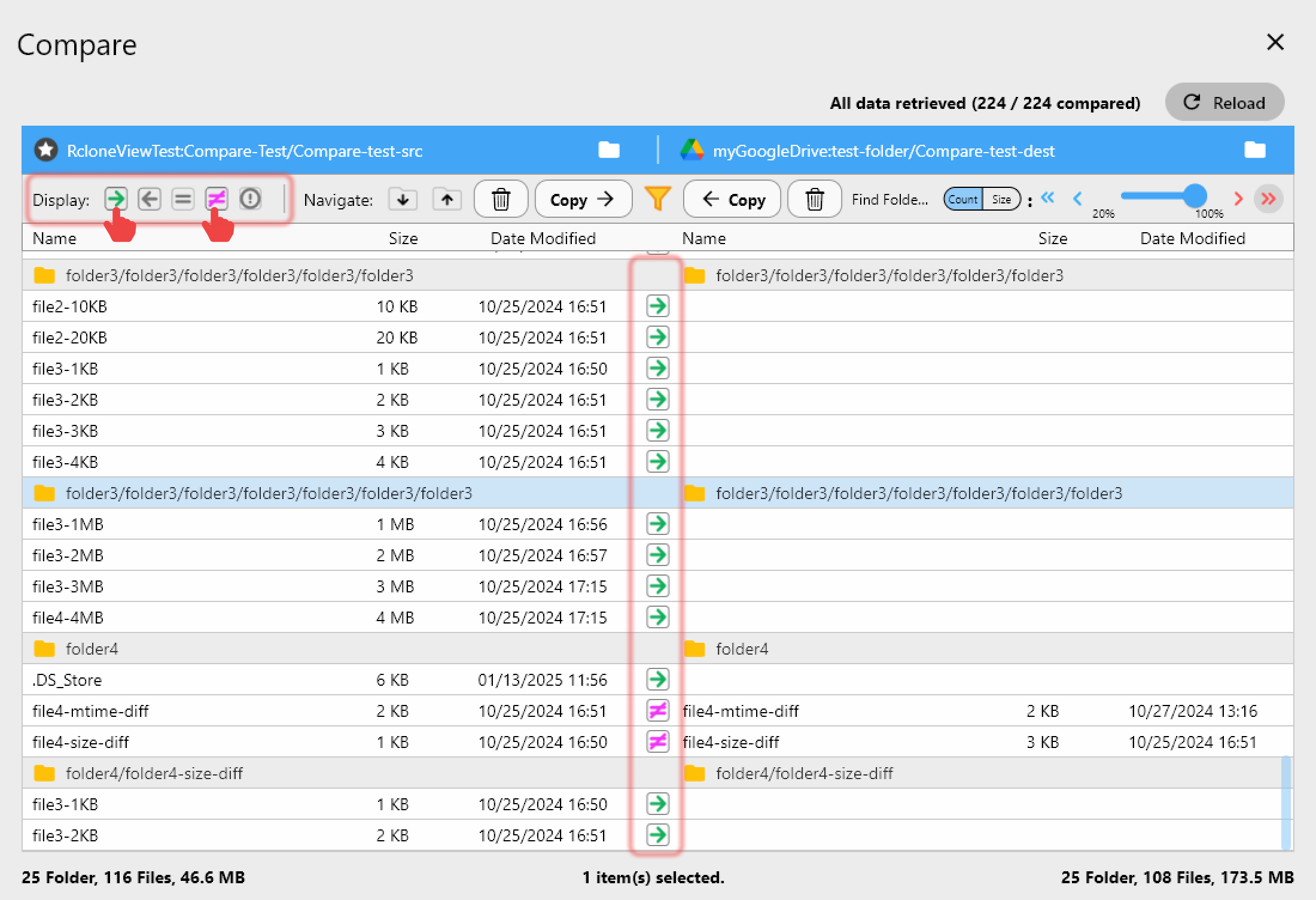
Once the comparison confirms all files are present on Storj, you can safely archive or delete your Dropbox content. The Job History tab provides a permanent record of the migration: what transferred, when, and how much data moved.
Getting Started
- Download RcloneView from rcloneview.com.
- Add Dropbox remote (OAuth) and Storj remote (credentials).
- Create a Copy job in Job Manager from Dropbox to your Storj bucket.
- Use Folder Compare to verify migration completeness before removing Dropbox content.
Migrating to Storj through RcloneView brings decentralized storage's resilience and privacy benefits without the effort of a local download-and-reupload workflow.
Related Guides:
- Manage Storj Decentralized Cloud Sync with RcloneView
- Backup Dropbox to Backblaze B2 — Affordable Storage with RcloneView
- Transfer Storj and Google Drive Files with RcloneView
Supported Cloud Providers