Manage Yandex Disk Storage — Sync and Backup Files with RcloneView
Yandex Disk offers generous storage and strong performance for European users — RcloneView connects to it via OAuth and brings your Yandex content into a unified multi-cloud file manager.
Yandex Disk provides reliable cloud storage with a solid performance record for users across Europe and Russia, but moving files between Yandex Disk and other platforms has typically required the standalone Yandex client or manual downloads. RcloneView connects directly to Yandex Disk via browser OAuth and gives you a unified file management interface — alongside your other cloud remotes — without any extra software.
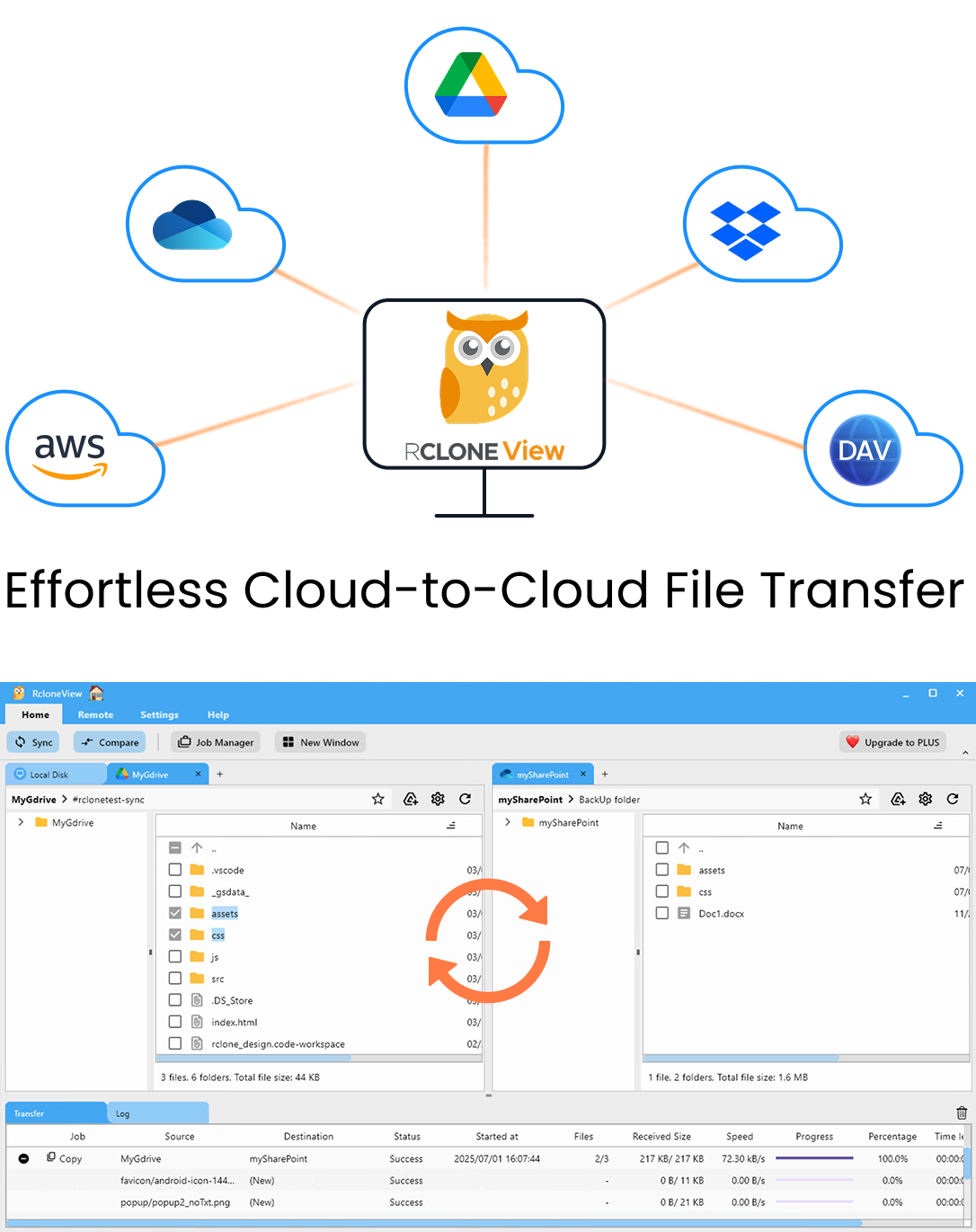
Manage & Sync All Clouds in One Place
RcloneView is a cross-platform GUI for rclone. Compare folders, transfer or sync files, and automate multi-cloud workflows with a clean, visual interface.
- One-click jobs: Copy · Sync · Compare
- Schedulers & history for reliable automation
- Works with Google Drive, OneDrive, Dropbox, S3, WebDAV, SFTP and more
Free core features. Plus automations available.
Setting Up Yandex Disk in RcloneView
Click Remote tab > New Remote in RcloneView and select Yandex Disk from the list. Authentication happens through a browser OAuth flow — a Yandex login page opens in your default browser, you sign in to your account, and RcloneView receives the access token automatically. There's no manual key generation or API configuration required.
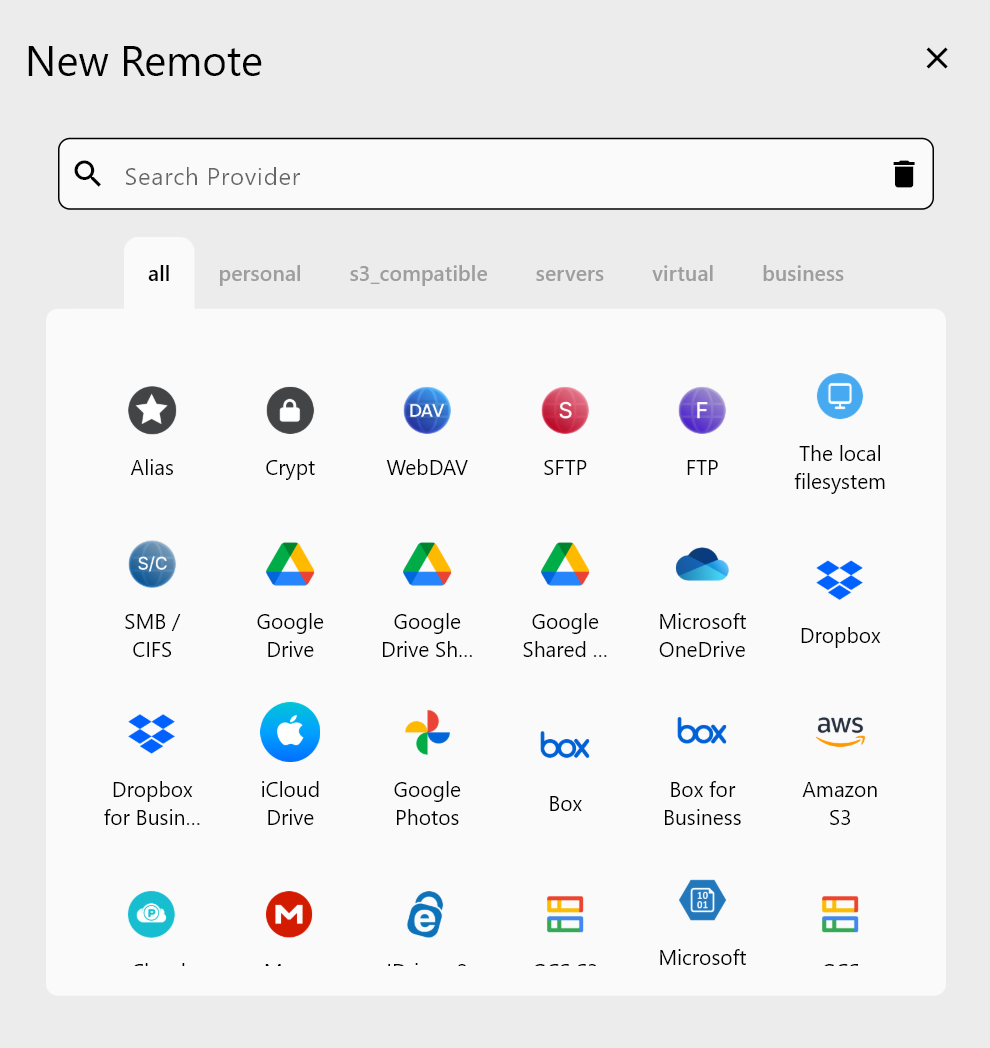
After connecting, your Yandex Disk appears as a browsable remote in the explorer panel. You can view folders and files, check sizes and modification dates, and create new folders directly from the interface. The thumbnail view makes it easy to browse photo libraries stored on Yandex Disk without opening a browser or the Yandex app.
Syncing Yandex Disk Files to Local or Another Cloud
For content creators storing project files on Yandex Disk, setting up a one-way sync to a local external drive creates an offline backup that survives internet outages. Configure a sync job in the Job Manager: source is your Yandex Disk folder, destination is your external drive path. Subsequent runs only transfer changed files — keeping syncs fast even for large libraries.
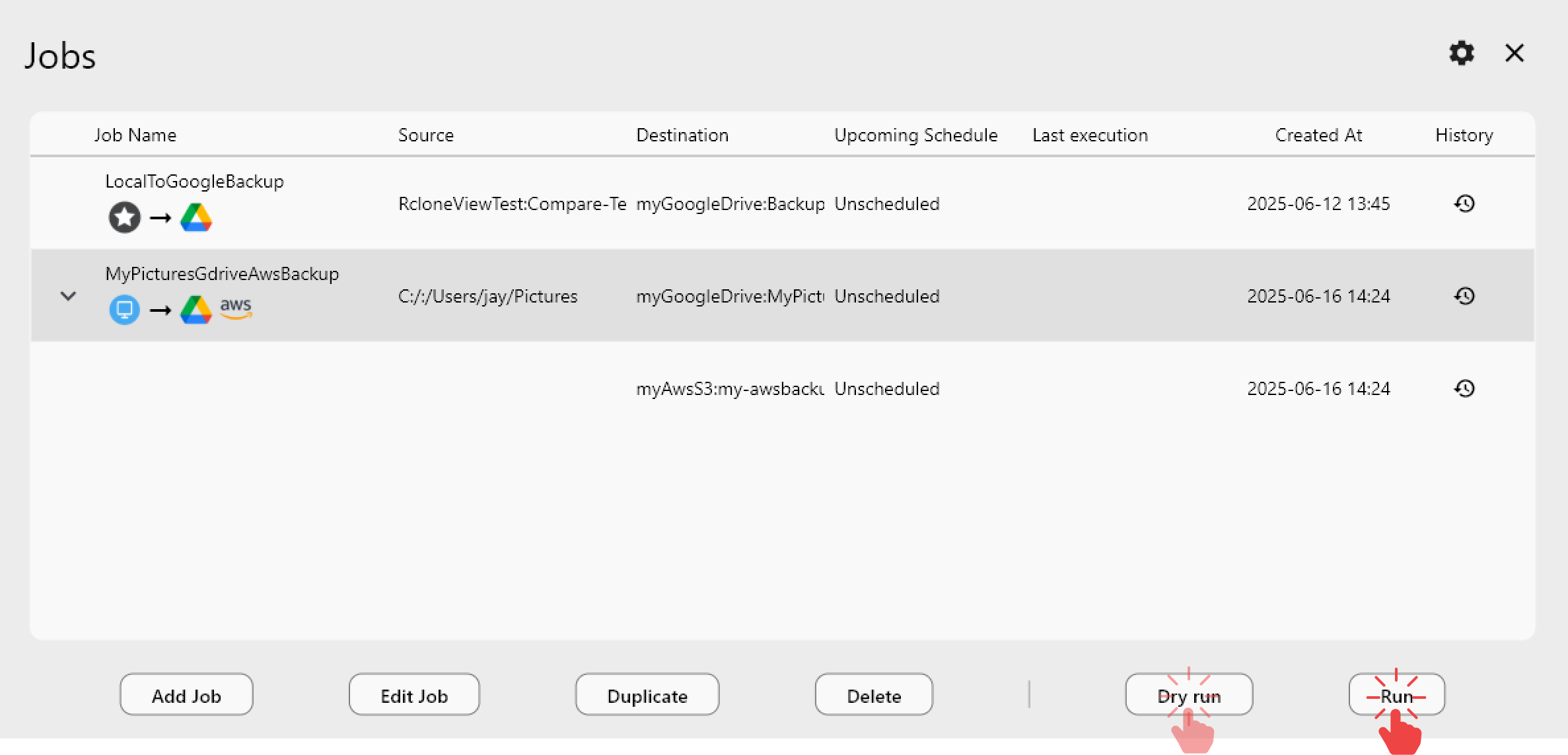
Cross-provider transfers are equally straightforward. A team using Yandex Disk for European file distribution but Google Drive for collaborative editing can configure a periodic sync between both remotes, ensuring consistent content on both platforms without manual uploads. RcloneView compares files by size and modification time, transferring only what's new or changed.
Backing Up to Yandex Disk
Yandex Disk works well as a secondary backup target for files already stored on other clouds. A photographer with primary storage on Google Drive can use RcloneView to push copies to Yandex Disk monthly — creating a provider-diverse backup strategy that protects against a single cloud going down or restricting access.
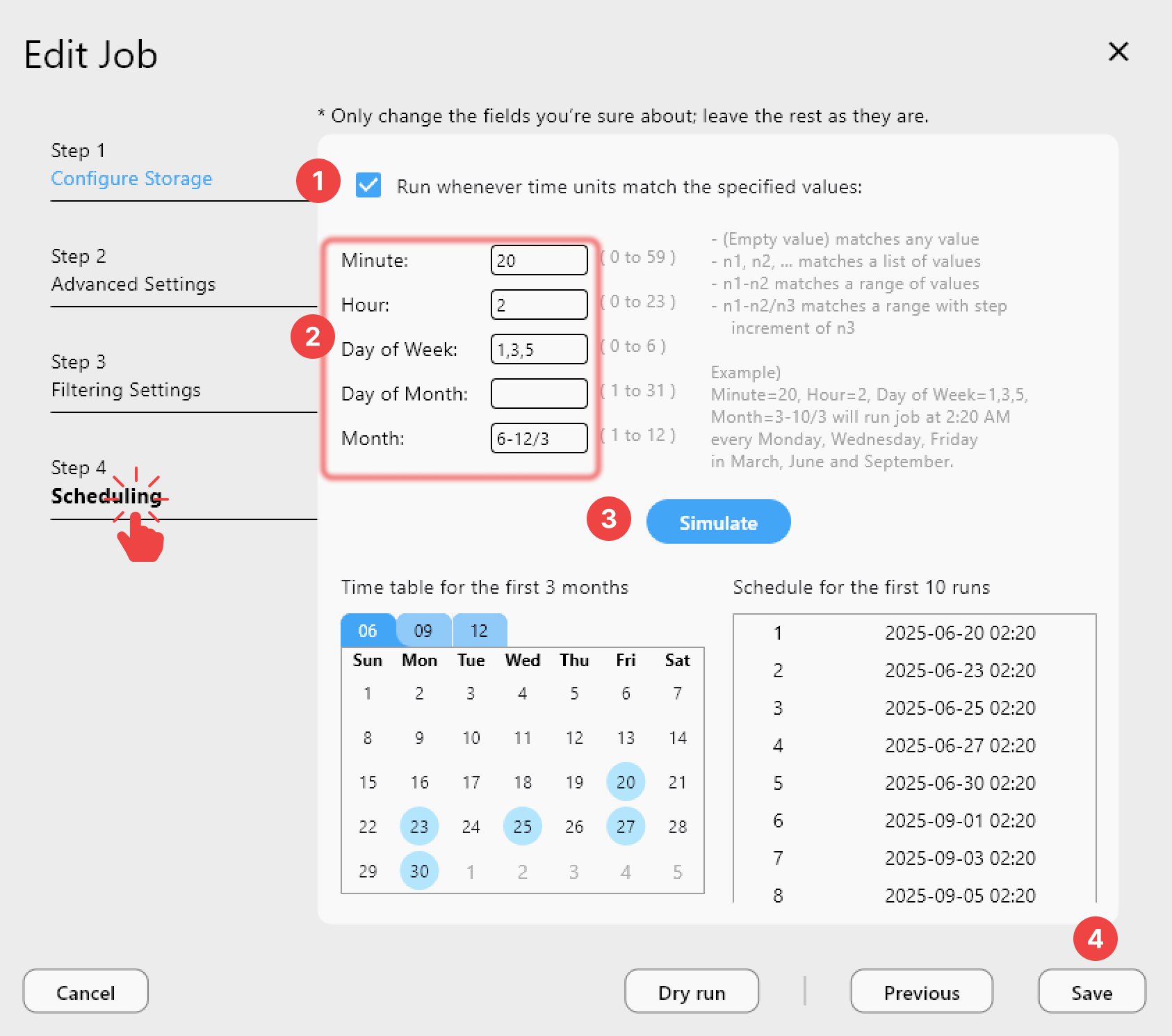
With a PLUS license, scheduling runs the backup automatically — daily, weekly, or on any cron-based interval. The Job History tab records each run's outcome: transfer size, speed, file count, and completion status, giving you an audit trail of every backup cycle.
Getting Started
- Download RcloneView from rcloneview.com.
- Go to Remote tab > New Remote, select Yandex Disk, and authenticate via your browser.
- Browse your Yandex Disk files in the explorer panel.
- Create a sync job in Job Manager to back up to local storage or another cloud.
Managing Yandex Disk through RcloneView means one consistent interface for all your cloud storage — whether you're backing up ongoing projects or migrating files to a new provider.
Related Guides:
- Sync Yandex Disk with Google Drive Using RcloneView
- Manage Dropbox Cloud Storage — Sync and Backup with RcloneView
- Transfer Yandex Disk and Google Drive Files with RcloneView
Supported Cloud Providers