Migrate iCloud Drive to OneDrive — Transfer Files with RcloneView

Switching from Apple's iCloud ecosystem to Microsoft OneDrive doesn't have to mean manually downloading and re-uploading gigabytes of files—RcloneView runs the migration as a direct cloud-to-cloud transfer.
When teams standardize on Microsoft 365, or when individual users move from Mac-centric workflows to Windows, getting iCloud Drive files into OneDrive is the first practical hurdle. Downloading everything to a local disk and re-uploading it is slow, interruption-prone, and leaves you with no easy way to verify that every file arrived intact. RcloneView handles this as a server-side transfer with built-in progress tracking, dry-run preview, and folder-compare verification.
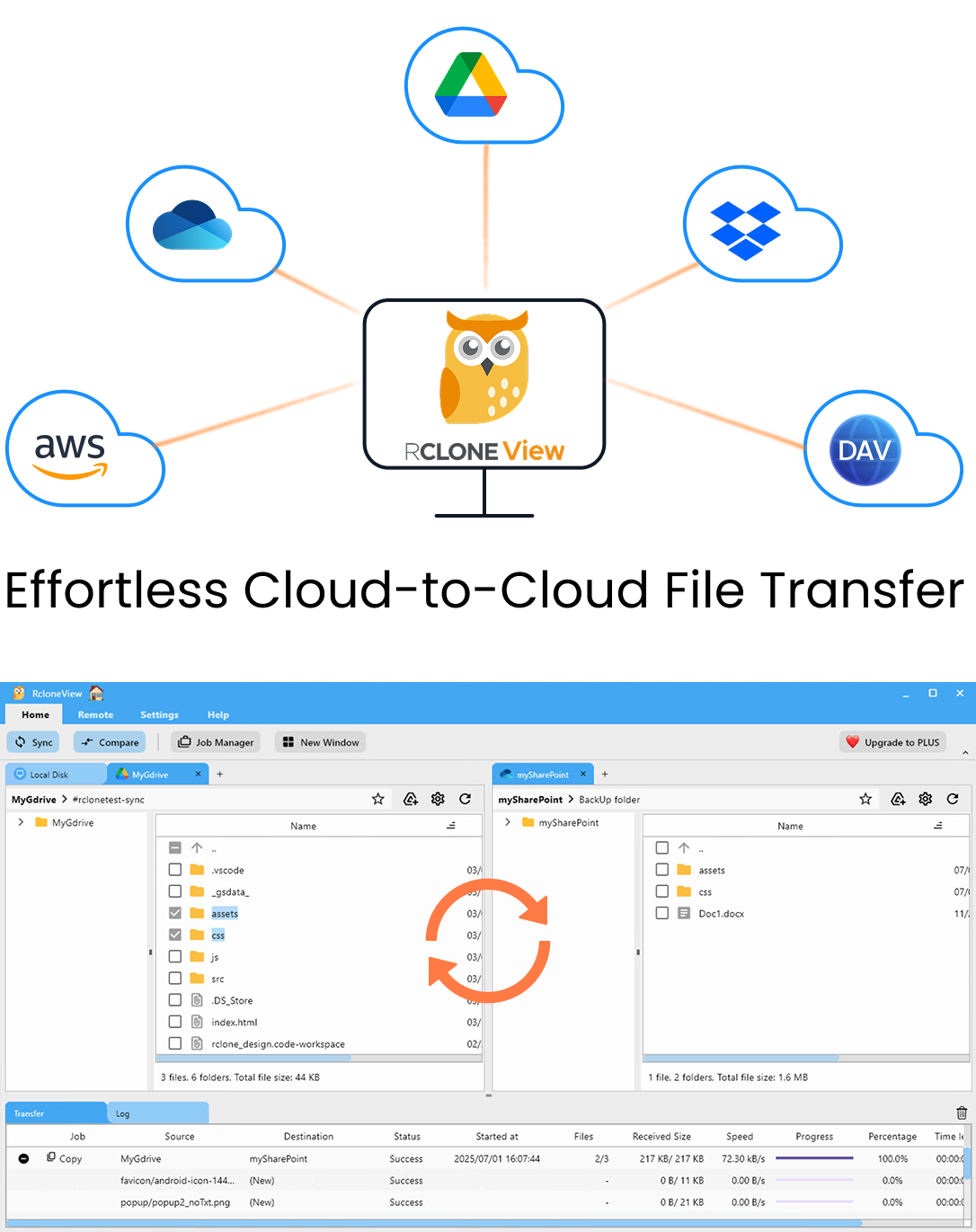
Manage & Sync All Clouds in One Place
RcloneView is a cross-platform GUI for rclone. Compare folders, transfer or sync files, and automate multi-cloud workflows with a clean, visual interface.
- One-click jobs: Copy · Sync · Compare
- Schedulers & history for reliable automation
- Works with Google Drive, OneDrive, Dropbox, S3, WebDAV, SFTP and more
Free core features. Plus automations available.
Why Move from iCloud Drive to OneDrive?
iCloud Drive works seamlessly within Apple hardware but offers limited native integration outside that ecosystem. OneDrive, by contrast, is embedded in Windows File Explorer, connects directly to Microsoft Office and Teams, and works across Windows, macOS, iOS, and Android with consistent sync behavior. Organizations rolling out Microsoft 365 often require employees to move existing file libraries into OneDrive so collaboration, version history, and access policies all flow through a single managed system.
iCloud Drive support in RcloneView requires rclone v1.69 or later. RcloneView ships with an embedded rclone binary that already meets this requirement, so there is no separate rclone installation step before you can begin.
Setting Up Both Remotes in RcloneView
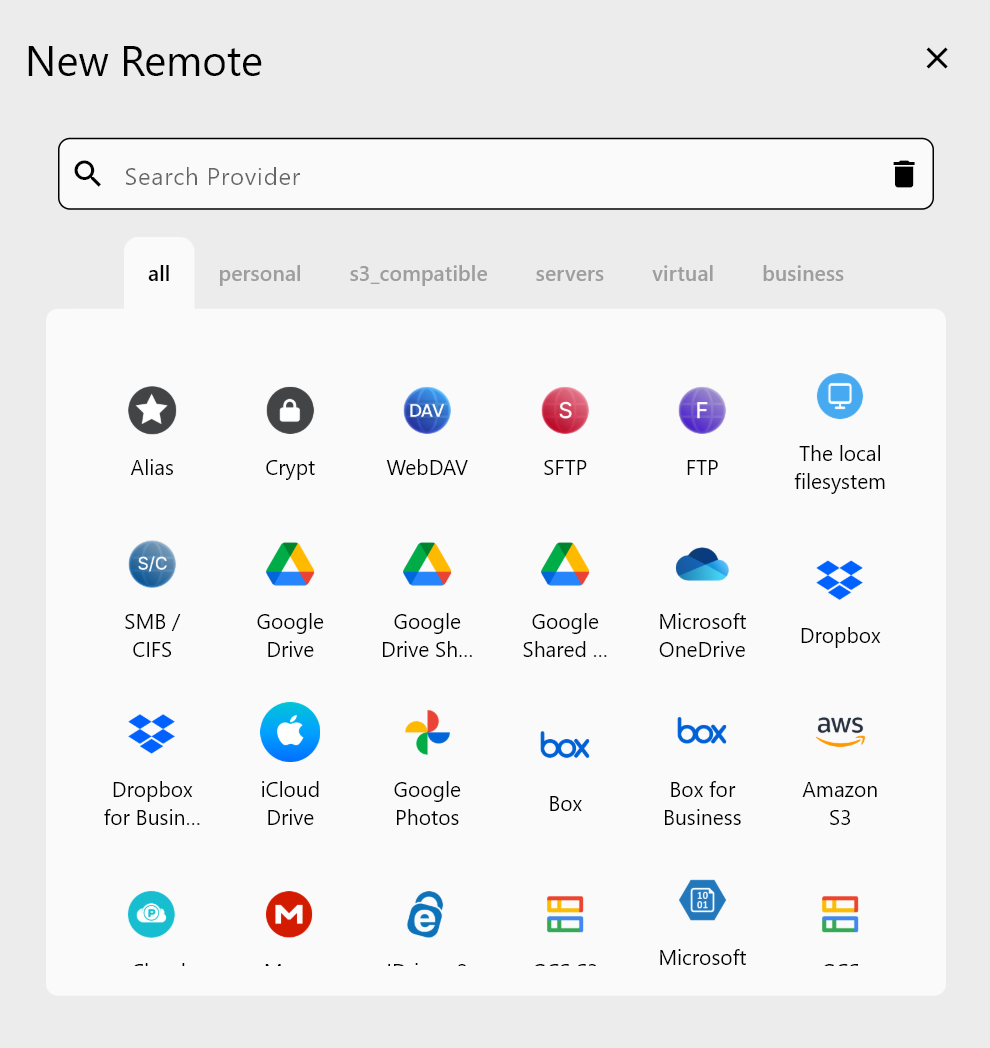
Start by adding your iCloud Drive remote: go to the Remote tab, click New Remote, and choose iCloud Drive. Follow the on-screen prompts to authenticate with your Apple account. Then add your OneDrive remote in the same way — OneDrive uses OAuth browser login, so a browser window opens for your Microsoft account sign-in, and the remote is saved once authorization completes.
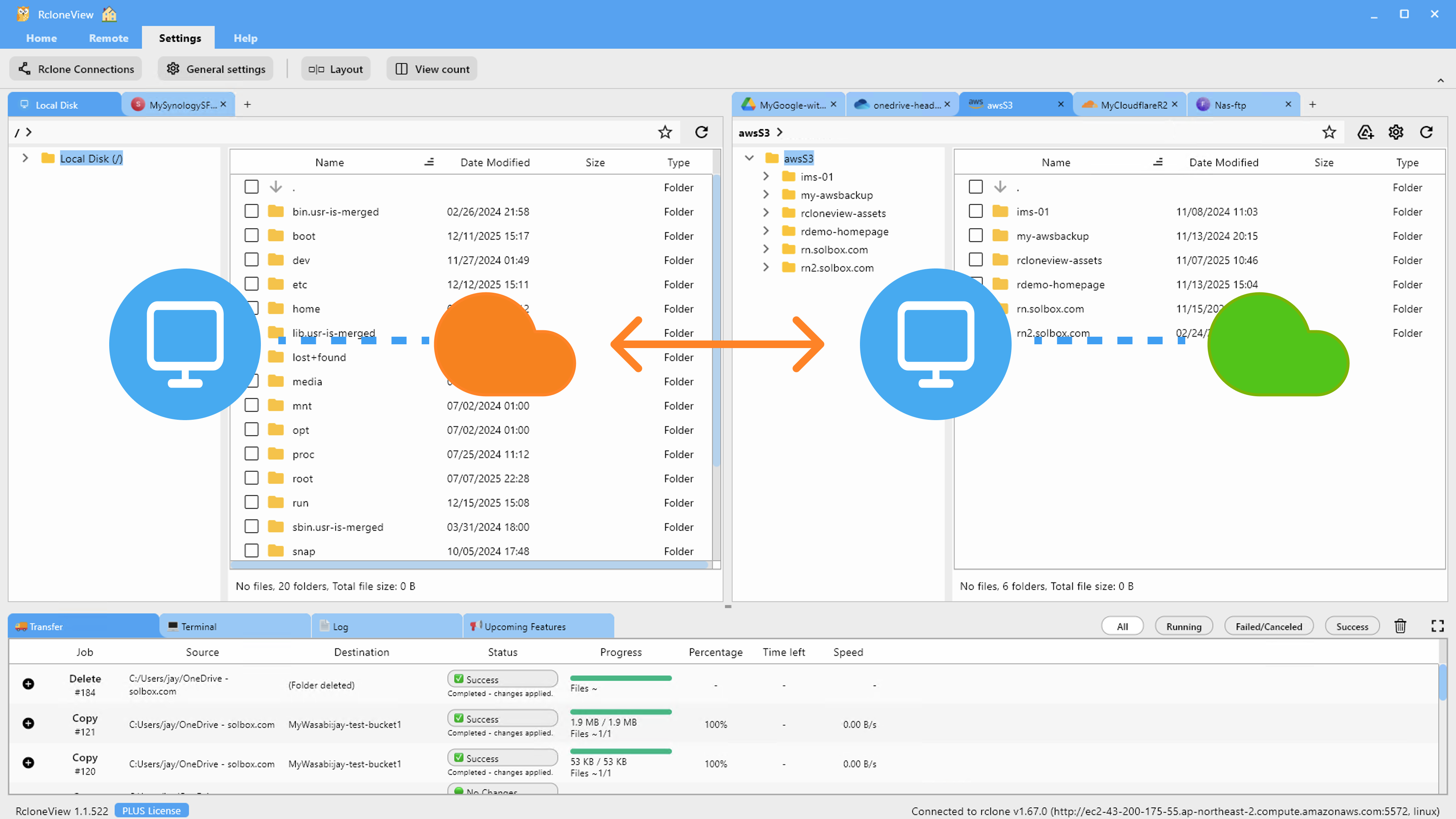
With both remotes registered, open them side by side in the Explorer panels. This gives you a live view of both file trees before any transfer begins. Use Get Size on the iCloud Drive root to confirm the total data volume, and scan folder structures to spot any naming differences or deeply nested paths that might behave differently on OneDrive.
Running the Migration with a Sync Job
Create a new Sync job from the Home tab. Set iCloud Drive (or a specific subfolder) as the source and the target OneDrive path as the destination. Before executing, run a Dry Run: RcloneView lists every file and folder it would transfer without actually moving anything. On a 50 GB iCloud library this scan takes only a few minutes and surfaces any oversized files or filename characters that OneDrive handles differently.
Unlike mount-only tools, RcloneView also syncs and compares folders on the FREE license—so the full migration workflow, from dry-run through live transfer to verification, requires no paid upgrade.
Once the dry-run output looks correct, start the live transfer. The Transferring tab shows live progress, speed, and the current file being transferred. If the connection drops, simply re-run the same job: rclone skips files that already exist at the destination with matching size, so the transfer resumes efficiently from where it stopped.
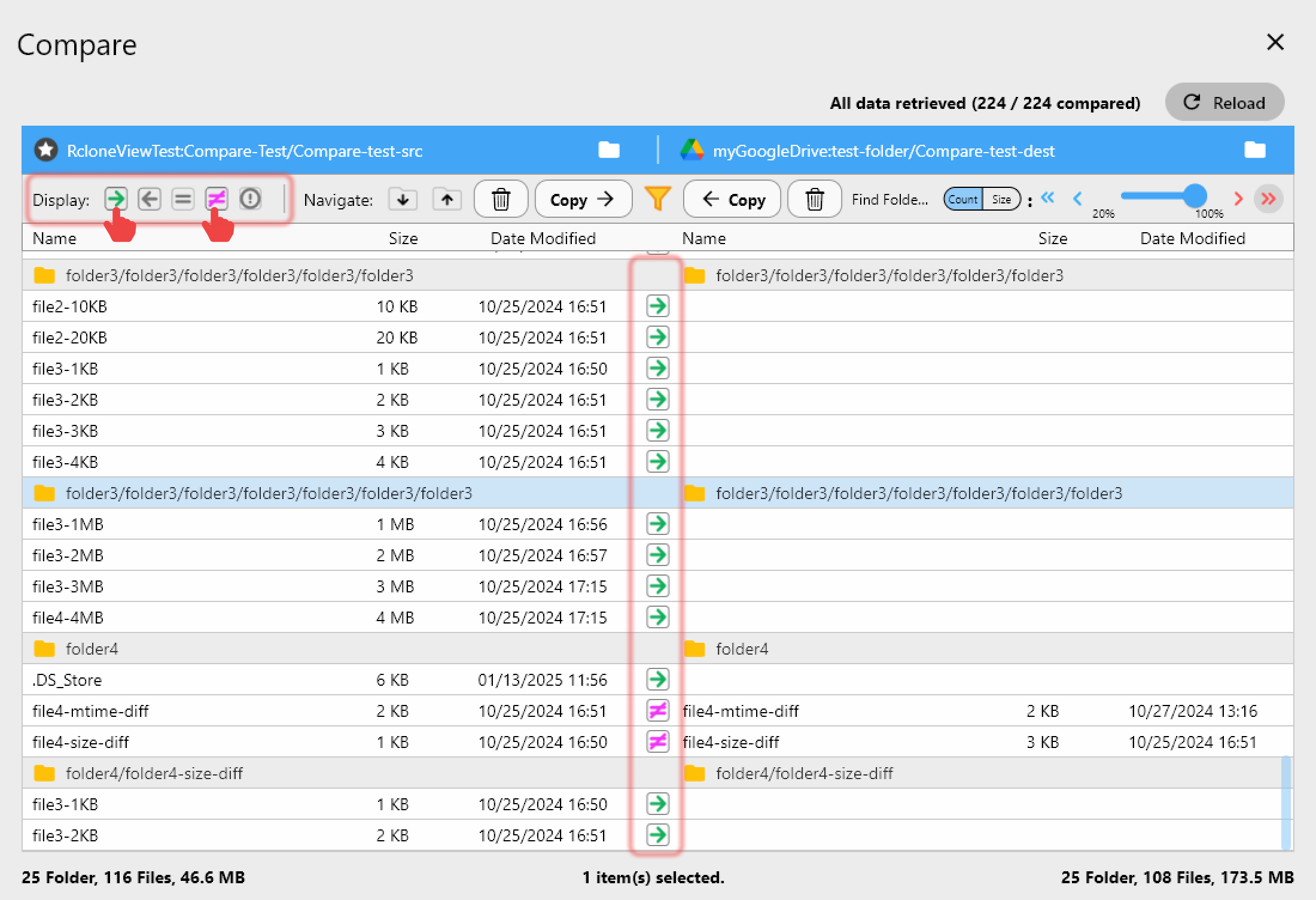
Verifying the Migration with Folder Compare
After the Sync job finishes, open Folder Compare from the Home tab and point it at the same iCloud Drive source and OneDrive destination. The comparison engine shows which files are identical, which differ in size, and any that appear only on one side. Working through the left-only and right-only filters is the fastest way to confirm zero-data-loss without spot-checking files manually.
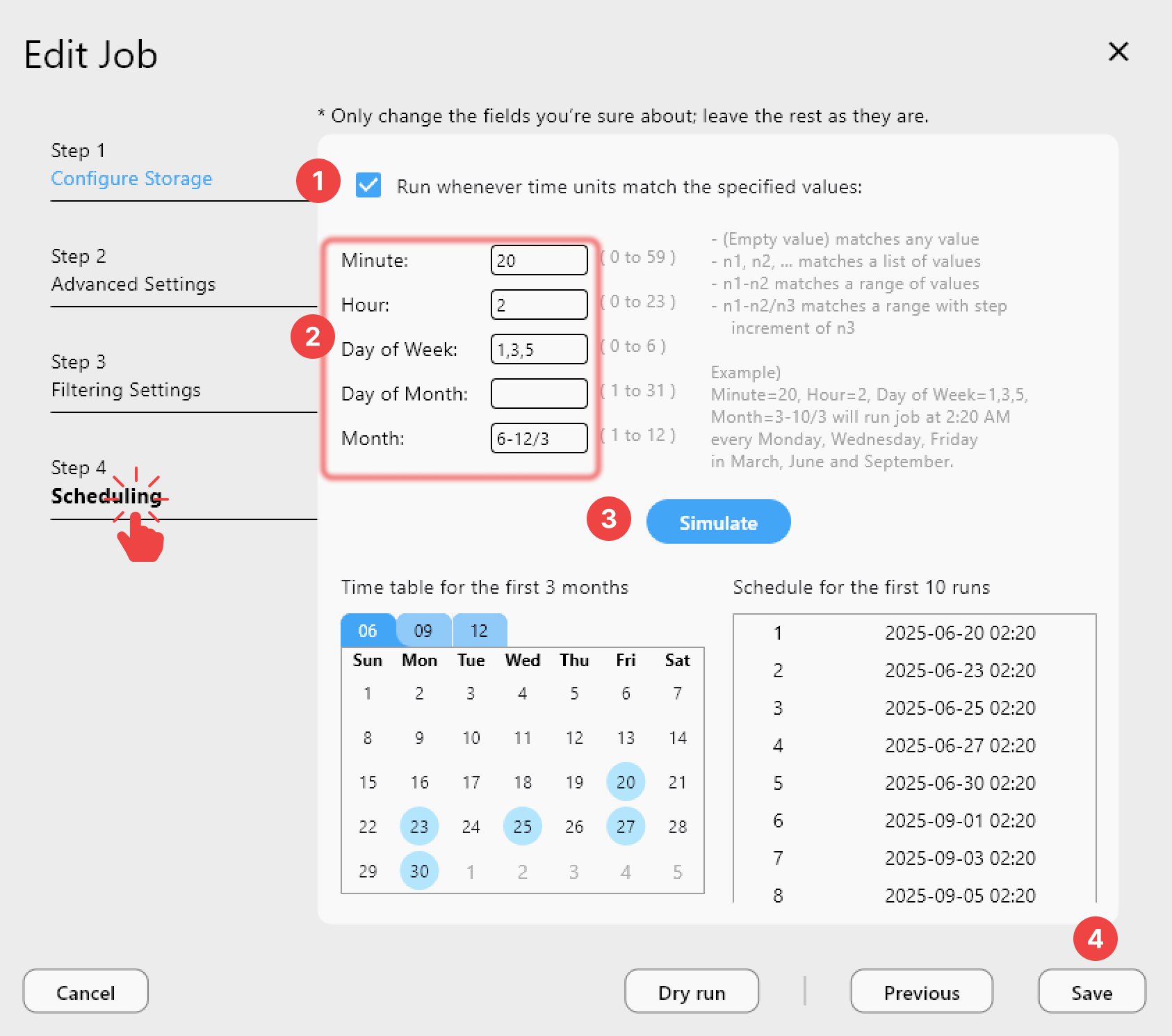
If you are running a phased migration—still actively using iCloud Drive on some devices while transitioning others to OneDrive—PLUS license users can attach a schedule to the sync job. Any new files added to iCloud Drive replicate to OneDrive automatically on each scheduled run until the cutover is complete.
Getting Started
- Download RcloneView from rcloneview.com.
- Add your iCloud Drive remote via Remote > New Remote and complete Apple account authentication.
- Add your OneDrive remote via OAuth browser sign-in.
- Create a Sync job with iCloud Drive as source and OneDrive as destination; run Dry Run first.
- After the live transfer, use Folder Compare to confirm all files migrated correctly.
A complete migration to OneDrive gives you consistent access across Windows, Microsoft 365, and Teams—without leaving files split across two services indefinitely.
Related Guides:
- Manage iCloud Drive Cloud Sync with RcloneView
- Manage OneDrive — Cloud Sync & Backup with RcloneView
- Migrate iCloud Drive to Google Drive with RcloneView
Supported Cloud Providers