Migrate MEGA to Dropbox — Transfer Files with RcloneView

Moving from MEGA to Dropbox? RcloneView routes files directly between both accounts without downloading anything locally — just connect, configure, and transfer.
MEGA's generous free storage and end-to-end encryption make it a popular first choice for personal and small-team file storage, but as collaboration needs grow, many teams migrate to Dropbox for its deep integrations with productivity tools and richer sharing controls. The traditional approach — downloading everything from MEGA and re-uploading to Dropbox — wastes days for large libraries and leaves transfers vulnerable to interruption. RcloneView handles the migration by connecting both accounts simultaneously, letting rclone route files between them directly and resuming incomplete transfers automatically without losing progress.
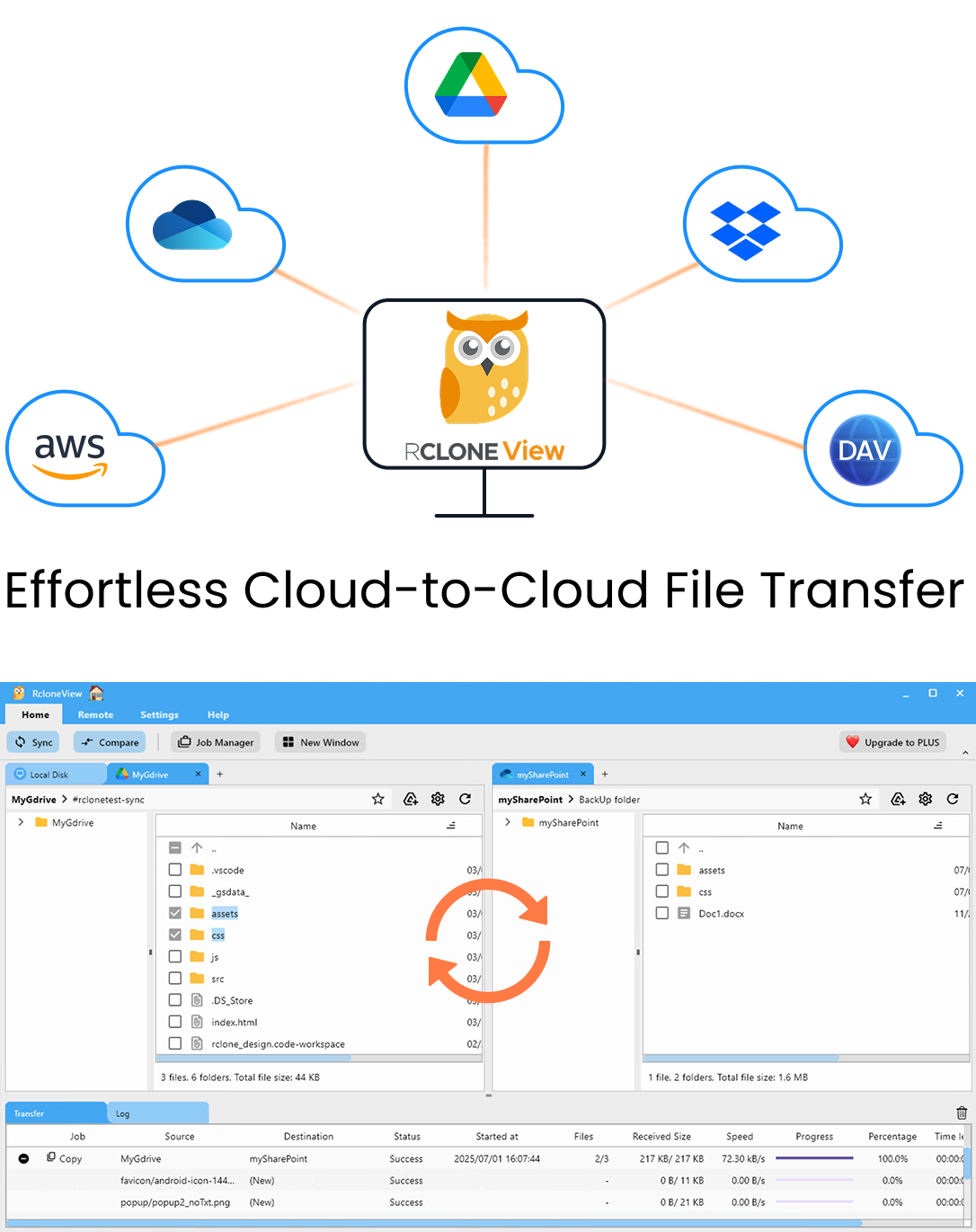
Manage & Sync All Clouds in One Place
RcloneView is a cross-platform GUI for rclone. Compare folders, transfer or sync files, and automate multi-cloud workflows with a clean, visual interface.
- One-click jobs: Copy · Sync · Compare
- Schedulers & history for reliable automation
- Works with Google Drive, OneDrive, Dropbox, S3, WebDAV, SFTP and more
Free core features. Plus automations available.
Connect MEGA and Dropbox in RcloneView
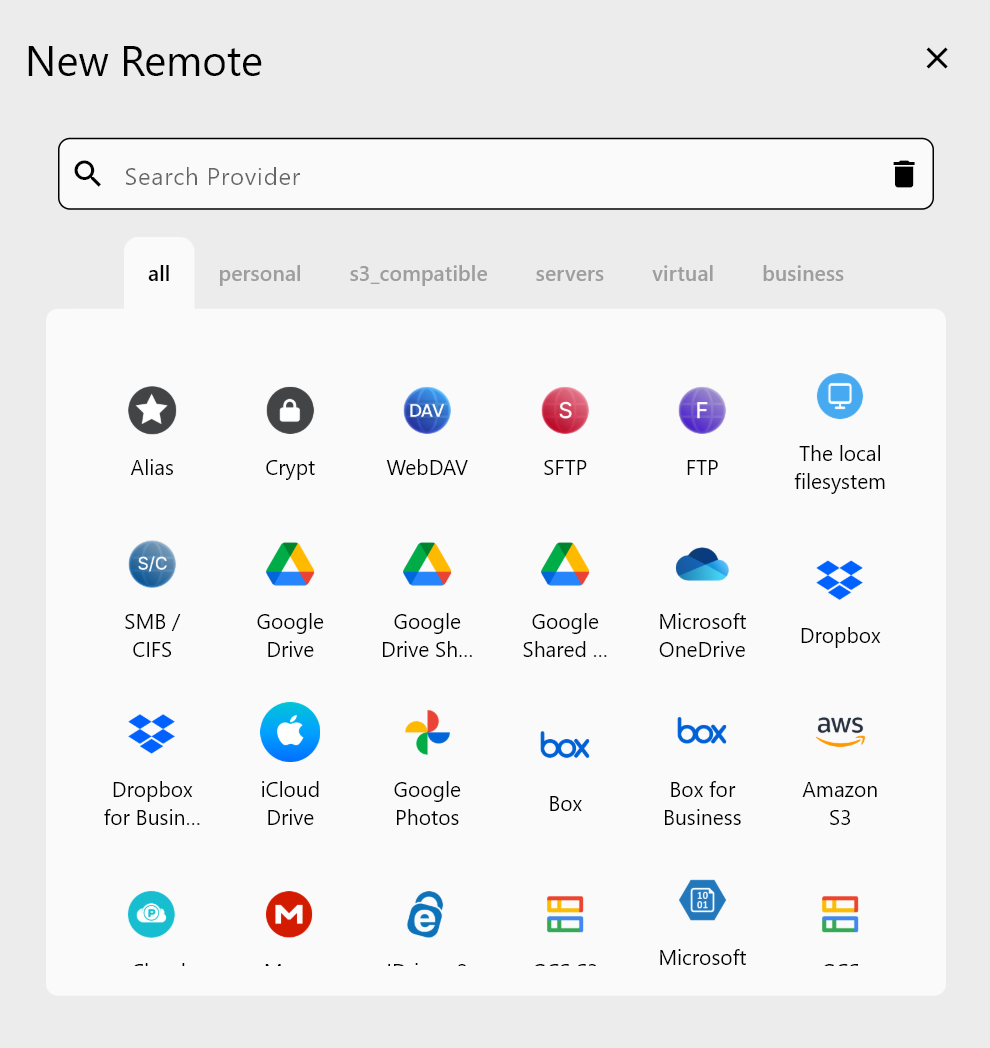
Linking both accounts takes a few minutes each. For MEGA, open the Remote tab, click New Remote, and select MEGA as the provider. Enter your MEGA email address and password — RcloneView passes these credentials to rclone's MEGA backend, which handles authentication and decryption automatically. Once saved, your MEGA folder tree appears in an Explorer panel.
For Dropbox, add a second remote the same way: New Remote → Dropbox. A browser window opens for OAuth authentication, and after you approve access, RcloneView connects without storing your password. With both remotes active, the split-pane Explorer shows your MEGA and Dropbox accounts side by side — you can browse both before starting the transfer to confirm folder structures and spot any naming conflicts.
Note that MEGA's client-side encryption means rclone decrypts files on your local machine during transfer and then uploads them to Dropbox in plain form. Ensure your network connection is stable and that you have adequate bandwidth for the expected data volume — particularly important for migrations exceeding several hundred gigabytes.
Transfer Files from MEGA to Dropbox
With both accounts connected, click Sync in the Home tab to open the 4-step wizard. Select the MEGA folder as the source and the target Dropbox folder as the destination. Name the job mega-to-dropbox-migration and choose Copy if you want to preserve the MEGA account unchanged, or Sync to mirror MEGA exactly into Dropbox (which will remove files from Dropbox that don't exist on MEGA).
Before the live run, click Dry Run to preview the full list of files that will be transferred. For a creative agency migrating 400 GB of client deliverables, this step confirms that folder hierarchy is intact and no critical assets are excluded by filter rules. Once satisfied, click Run — the Transferring tab shows each file as it completes, with total bytes transferred, current speed, and running file count. If the network drops mid-transfer, simply re-run the job; rclone skips files already present at the destination and resumes from where it left off.
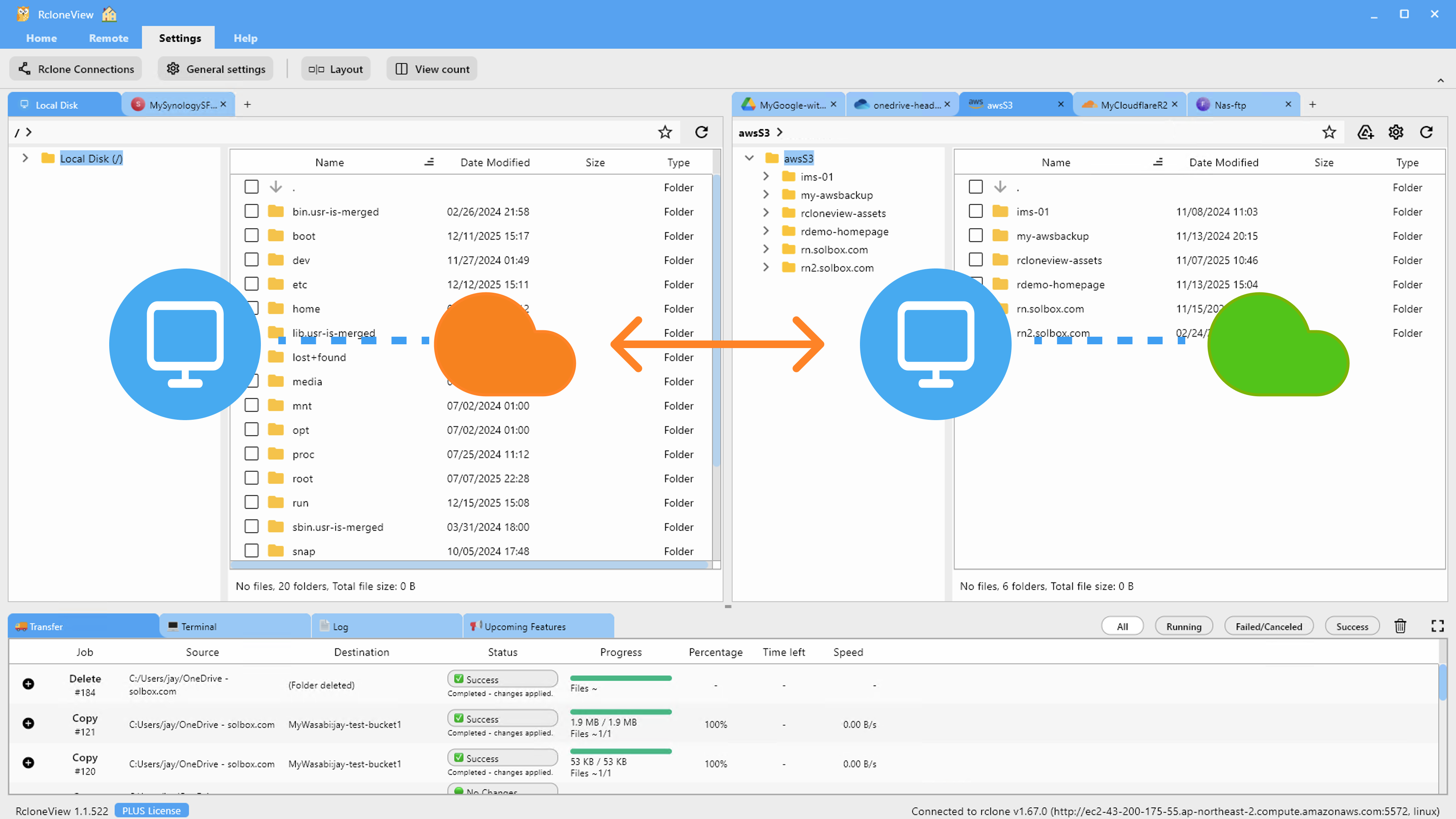
PLUS license users can schedule a follow-up sync job to run nightly while the team transitions — keeping Dropbox current without manual re-runs as new files land in MEGA.
Verify the Migration with Folder Compare
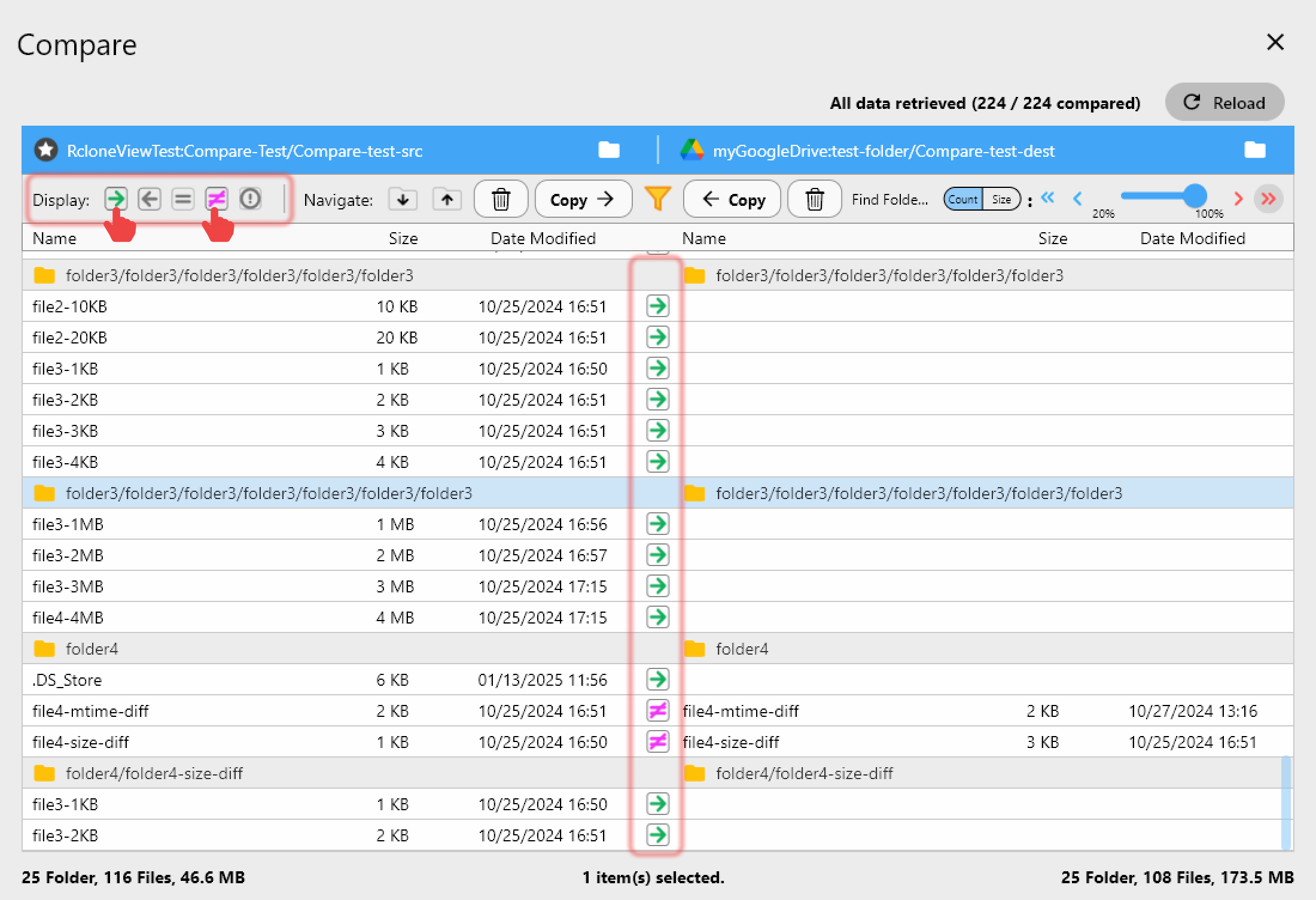
After the initial transfer completes, use RcloneView's Folder Compare (Home tab → Compare) to verify that every file arrived correctly. Set MEGA as the left side and the Dropbox destination as the right side. The comparison view highlights left-only files (missed transfers), right-only files (unexpected extras), and size-mismatched files (potential corruption). Most migrations show a clean result immediately; any stragglers can be resolved by selecting them in the compare view and clicking Copy Right to push them to Dropbox without re-running the entire job.
Job History (accessible from the Job Manager) records every run's start time, duration, transfer speed, and final status — useful documentation if stakeholders need confirmation the migration completed successfully.
Getting Started
- Download RcloneView from rcloneview.com.
- Add MEGA: Remote tab → New Remote → MEGA, enter your email and password.
- Add Dropbox: Remote tab → New Remote → Dropbox, complete OAuth authentication in your browser.
- Open Sync in the Home tab, set MEGA as source and Dropbox as destination, run Dry Run to confirm, then execute the full transfer.
Once the migration is complete, run Folder Compare one final time to sign off on the result — then decommission the MEGA account or keep it as a secondary backup.
Related Guides:
- Manage MEGA Cloud Storage — Sync and Backup with RcloneView
- Manage Dropbox — Sync and Backup Files with RcloneView
- Migrate Dropbox to Google Drive with RcloneView
Supported Cloud Providers