RcloneView vs WinSCP — Cloud File Transfer Tool Comparison
WinSCP excels at SFTP transfers, but RcloneView dominates multi-cloud synchronization and modern cloud workflows. Learn which tool fits your needs.
Both WinSCP and RcloneView handle remote file transfers, but they serve fundamentally different use cases. WinSCP focuses on SFTP and FTP protocols for traditional server connections. RcloneView specializes in cloud storage synchronization, offering superior multi-cloud support and automation capabilities. Understanding their differences helps you choose the right tool for your workflow.
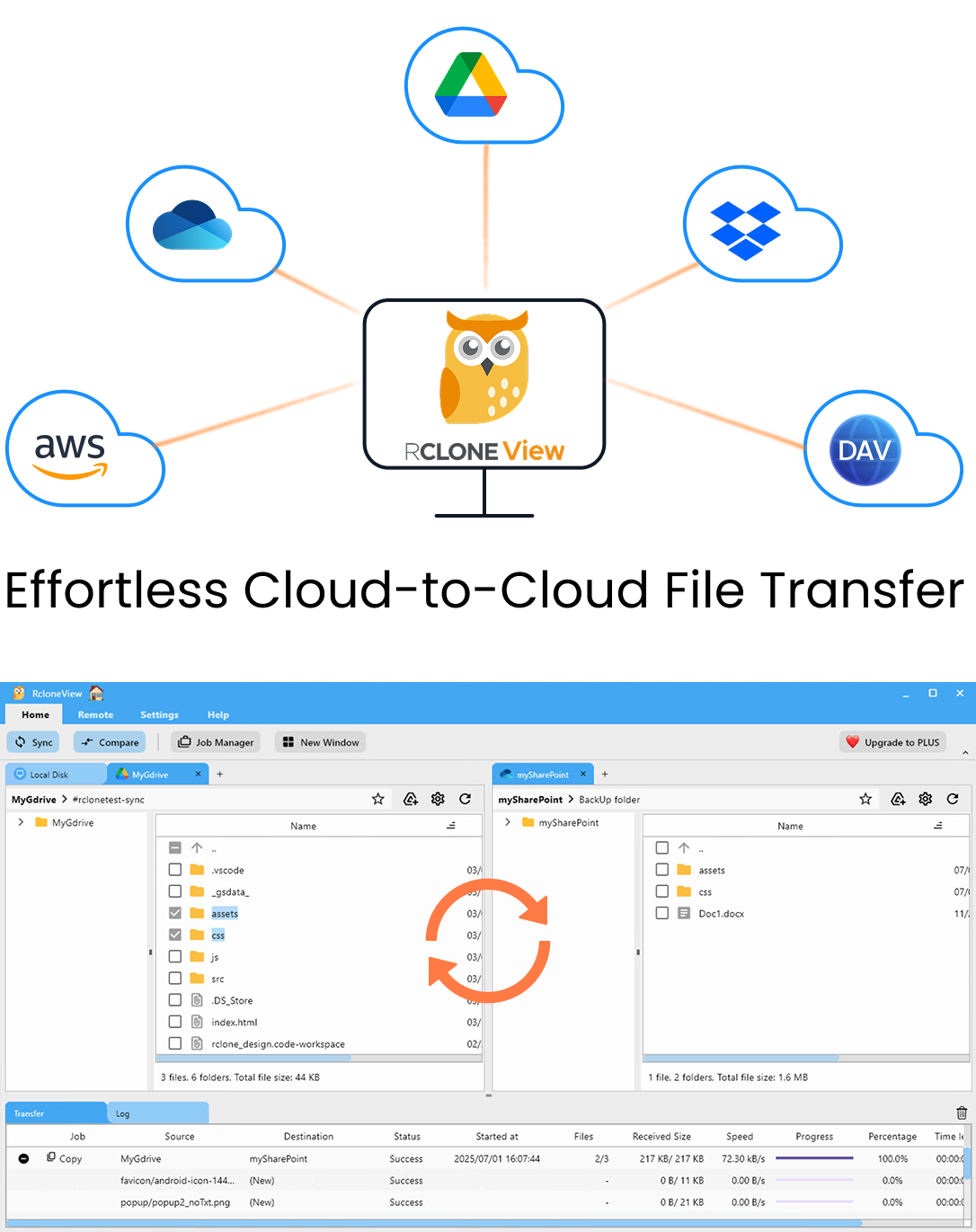
Manage & Sync All Clouds in One Place
RcloneView is a cross-platform GUI for rclone. Compare folders, transfer or sync files, and automate multi-cloud workflows with a clean, visual interface.
- One-click jobs: Copy · Sync · Compare
- Schedulers & history for reliable automation
- Works with Google Drive, OneDrive, Dropbox, S3, WebDAV, SFTP and more
Free core features. Plus automations available.
Protocol Support and Connectivity
WinSCP provides excellent support for traditional protocols—SFTP, FTP, FTPS, and SCP. It excels when your infrastructure centers on Linux servers or traditional VPS hosting. Its graphical interface makes SFTP transfers intuitive for users unfamiliar with command-line tools.
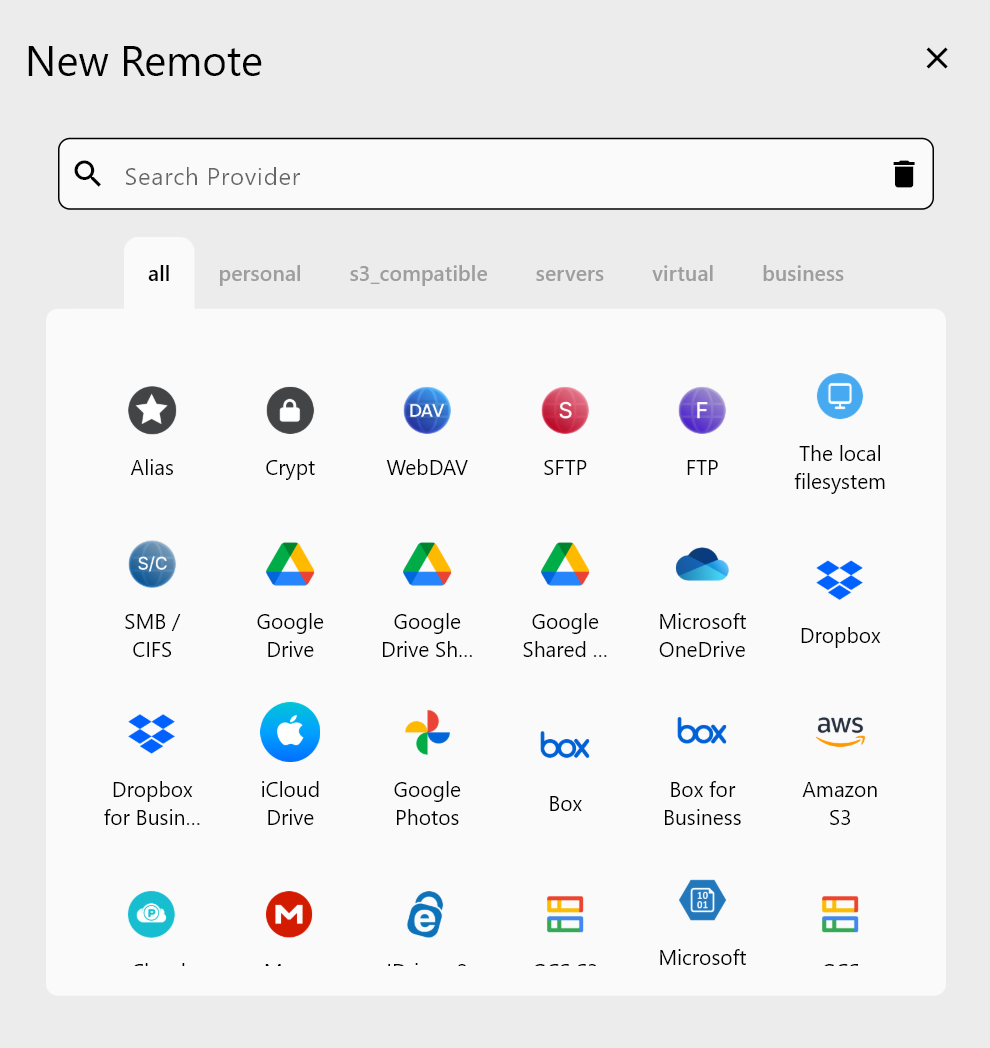
RcloneView connects to cloud storage platforms like AWS S3, Google Drive, OneDrive, Dropbox, Azure Blob Storage, and dozens of others. If your workflow involves cloud storage—whether SaaS platforms or S3-compatible services—RcloneView provides native, optimized connectivity. WinSCP requires workarounds or third-party integrations to access cloud storage effectively.
Multi-Cloud Synchronization
RcloneView's core strength is synchronizing data across multiple cloud providers simultaneously. Create a single job that syncs files to AWS S3, Google Cloud Storage, and OneDrive at once. This capability makes RcloneView essential for backup redundancy and multi-cloud strategies.
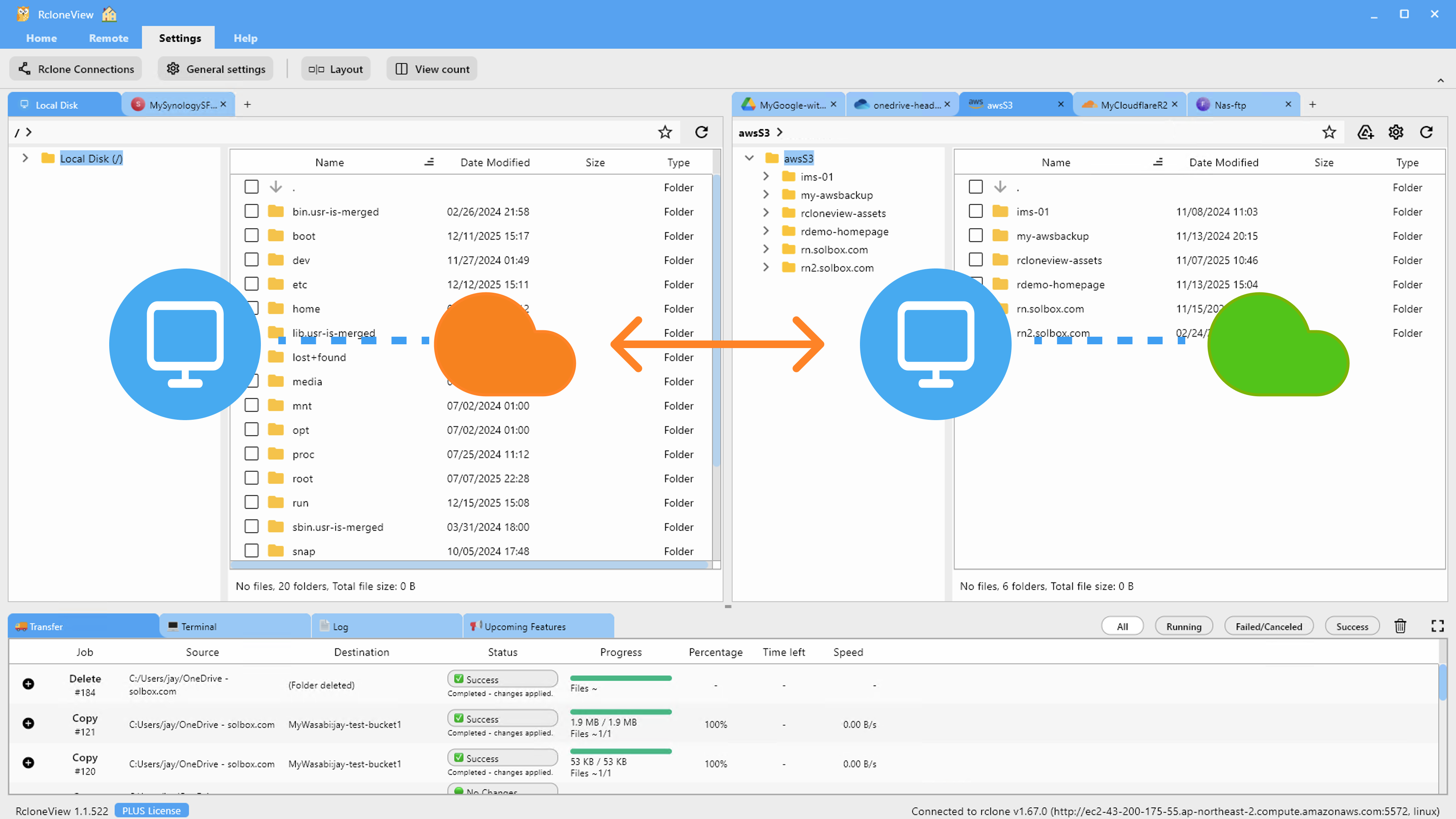
WinSCP connects to one SFTP server at a time. Multi-destination transfers require creating separate jobs for each server and managing them independently—time-consuming and error-prone for complex architectures.
Automation and Scheduling
RcloneView includes powerful job scheduling, allowing automated sync operations at specific times or intervals. Set your backup to run nightly, execute cloud transfers on a schedule, or trigger jobs based on file changes. The Job Manager tracks every operation with detailed logs.
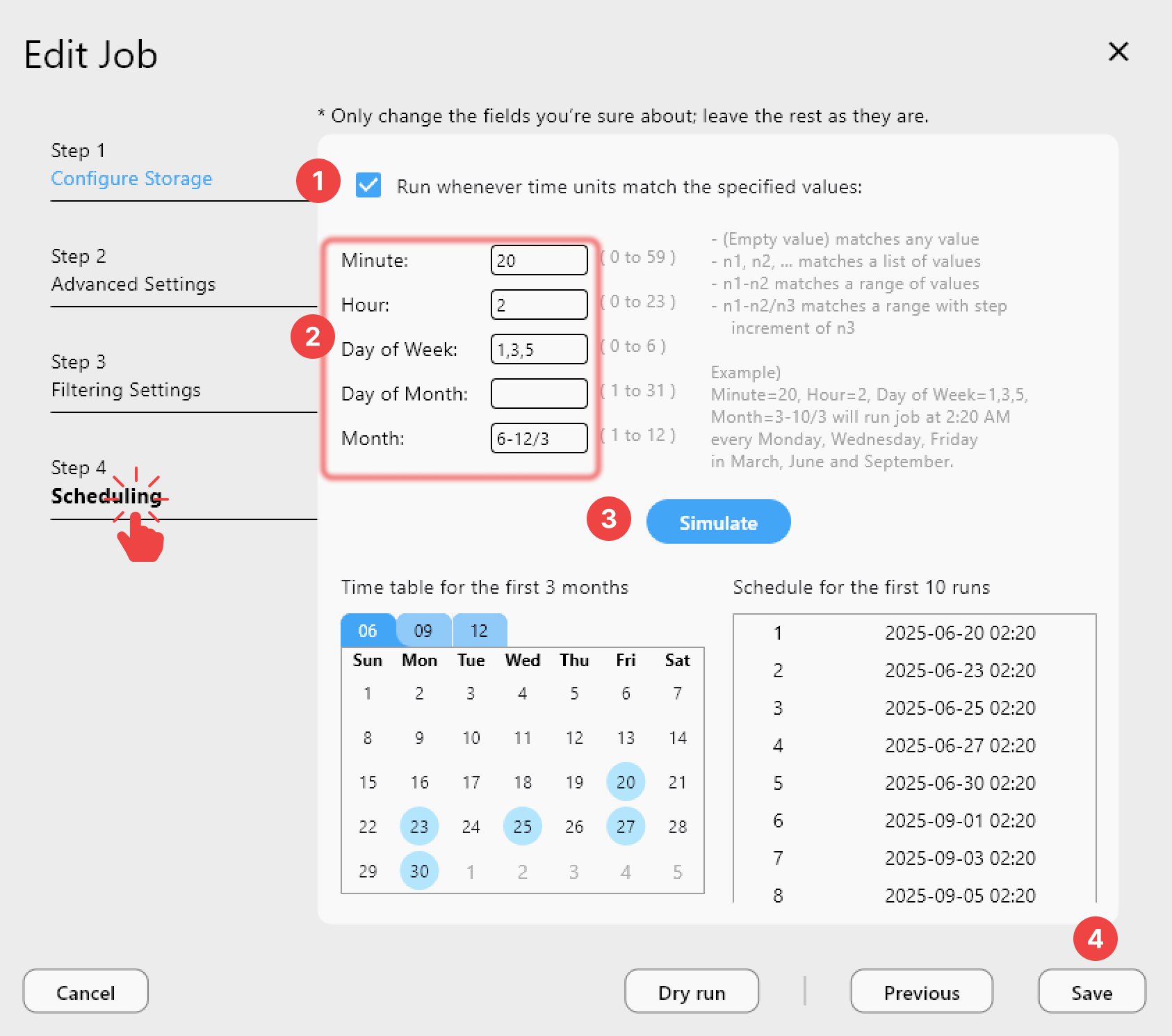
WinSCP supports scripting through its command-line interface, but this requires custom scripts and external scheduling tools like Windows Task Scheduler. Less user-friendly than RcloneView's integrated scheduling, and troubleshooting requires technical expertise.
User Interface and Learning Curve
Both tools offer graphical interfaces, but with different design philosophies. WinSCP uses a traditional file manager layout—dual-pane view showing local and remote directories. Intuitive for SFTP veterans but doesn't leverage modern cloud concepts.
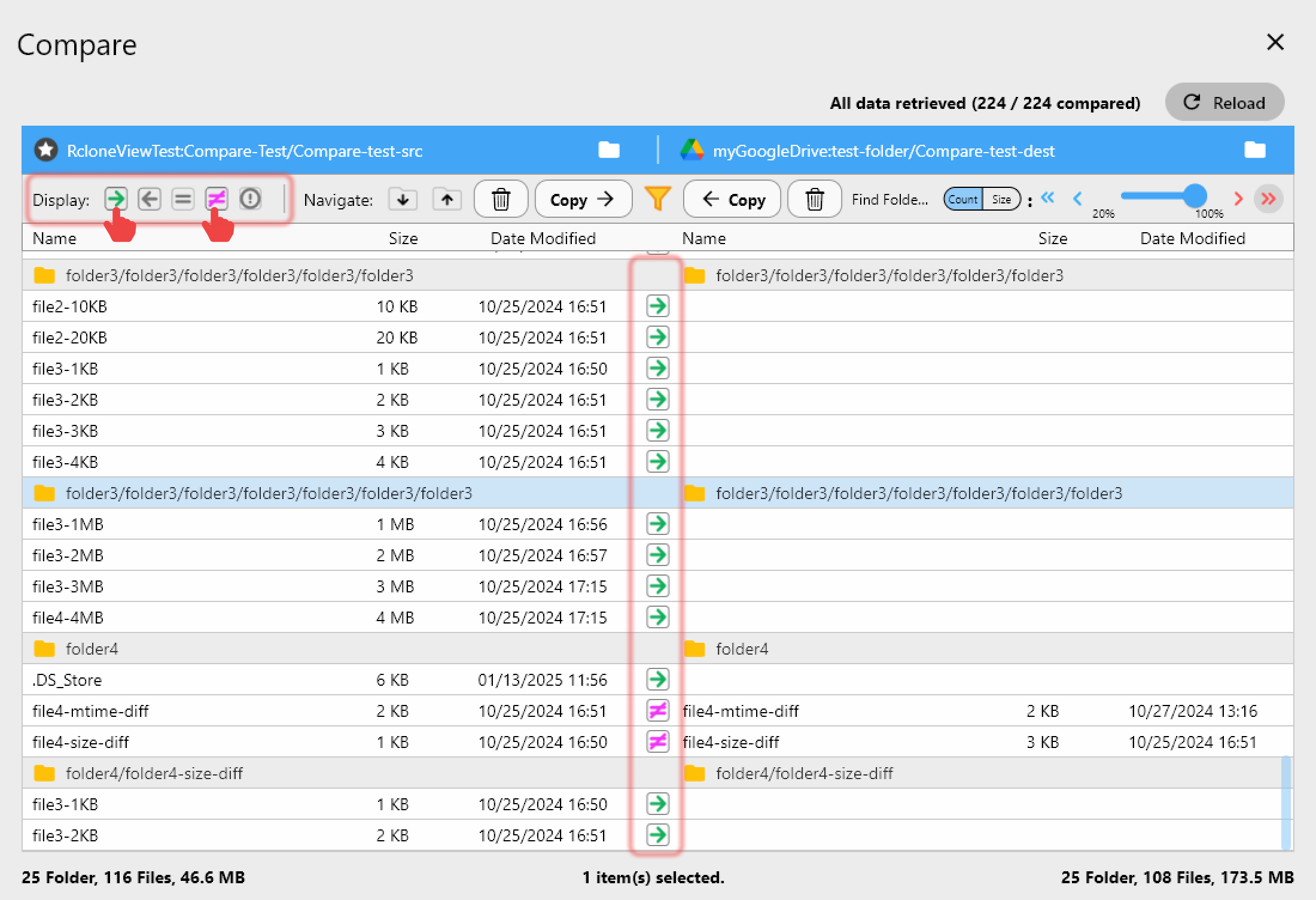
RcloneView presents cloud storage through specialized interfaces designed for modern workflows—Remote Explorer for browsing, Job Manager for executing operations, and Mount Manager for accessing cloud storage as local drives. Faster for cloud-centric users, though SFTP-only users may find WinSCP's traditional layout more familiar.
Getting Started
- Download RcloneView from rcloneview.com.
- Configure connections to your cloud storage providers.
- Create transfer or sync jobs using the Job Manager.
- Schedule automated operations and monitor execution through job history.
For SFTP-based workflows, WinSCP remains a solid choice. But if you work with cloud storage, need multi-cloud redundancy, or require automated scheduling, RcloneView provides superior capabilities and ease of use.
Related Guides:
- RcloneView vs Filezilla Comparison
- RcloneView vs Cyberduck Comparison
- RcloneView vs Transmit Comparison
Supported Cloud Providers