How to Sync Sia Decentralized Storage with Google Drive, S3, and More Using RcloneView
Sia stores your files across a decentralized network of hosts — no single company controls your data. But managing files on Sia alongside traditional clouds can be tricky. RcloneView bridges both worlds.
Sia is a blockchain-based decentralized storage network. Instead of trusting Google or Amazon with your files, Sia splits and encrypts your data across hundreds of independent hosts worldwide. The result: privacy-first storage at competitive prices. But most users also need Google Drive for collaboration or S3 for app backends. RcloneView lets you manage Sia alongside all your other storage in one interface.
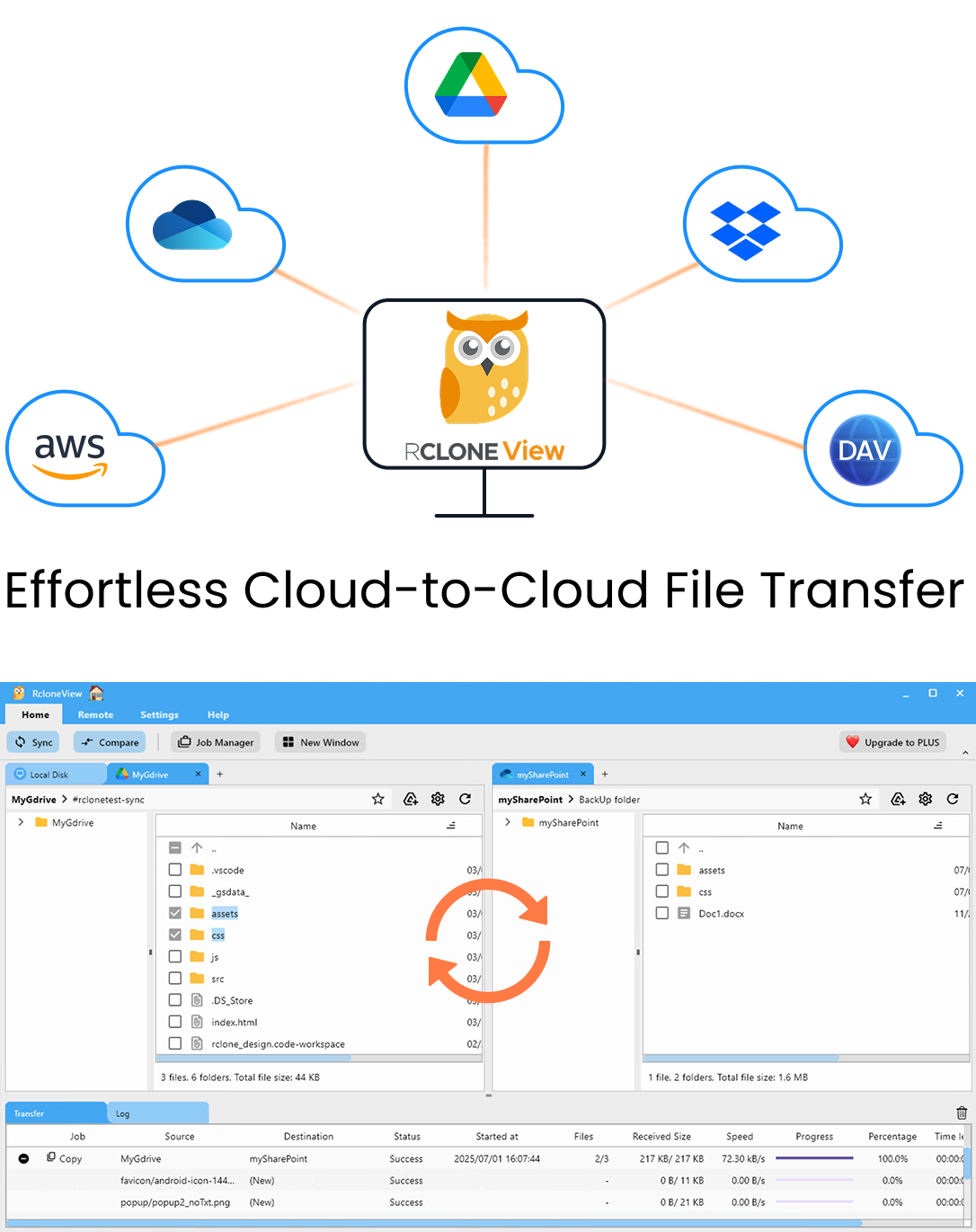
Manage & Sync All Clouds in One Place
RcloneView is a cross-platform GUI for rclone. Compare folders, transfer or sync files, and automate multi-cloud workflows with a clean, visual interface.
- One-click jobs: Copy · Sync · Compare
- Schedulers & history for reliable automation
- Works with Google Drive, OneDrive, Dropbox, S3, WebDAV, SFTP and more
Free core features. Plus automations available.
Why Sia?
True decentralization
Unlike traditional clouds where one company holds your data:
- No single point of failure — Files are split across 30+ hosts with redundancy.
- End-to-end encryption — Data is encrypted before leaving your machine.
- No vendor lock-in — The network is open and permissionless.
- Competitive pricing — Often $2–4/TB/month, cheaper than most centralized providers.
The challenge
Sia's ecosystem (renterd, hostd) is powerful but CLI-focused. If you also use Google Drive, Dropbox, or S3, you're juggling multiple interfaces. That's where RcloneView comes in.
Setting Up Sia in RcloneView
Prerequisites
You'll need a running Sia renterd instance. This is the daemon that manages your storage contracts and file operations.
Add Sia as a Remote
- Open RcloneView and click Add Remote.
- Select the Sia storage type.
- Enter your renterd API URL (typically
http://localhost:9980/api). - Enter your API password.
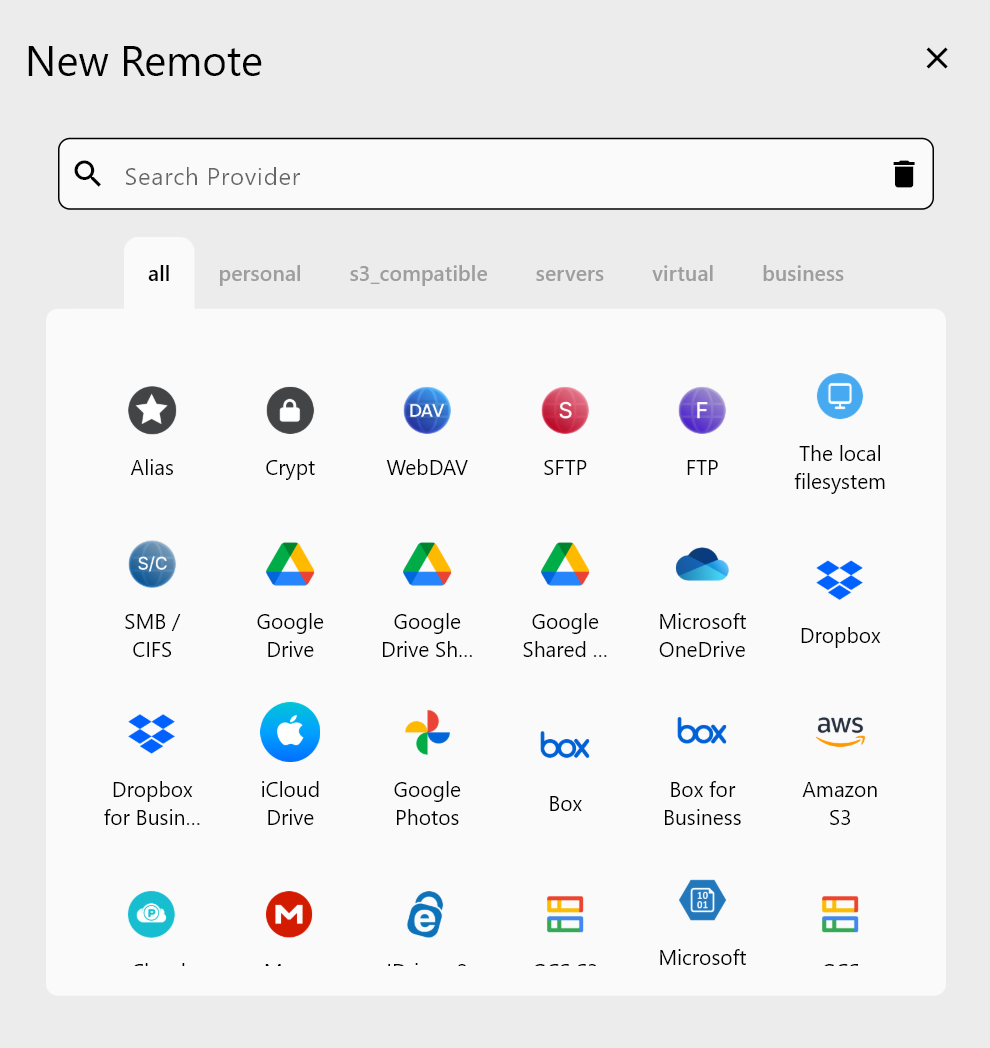
Once connected, browse your Sia storage in the two-pane explorer just like any other cloud.
Sync Sia with Traditional Clouds
Sia → Google Drive (collaboration backup)
Keep a copy of important Sia files on Google Drive for easy sharing with colleagues:
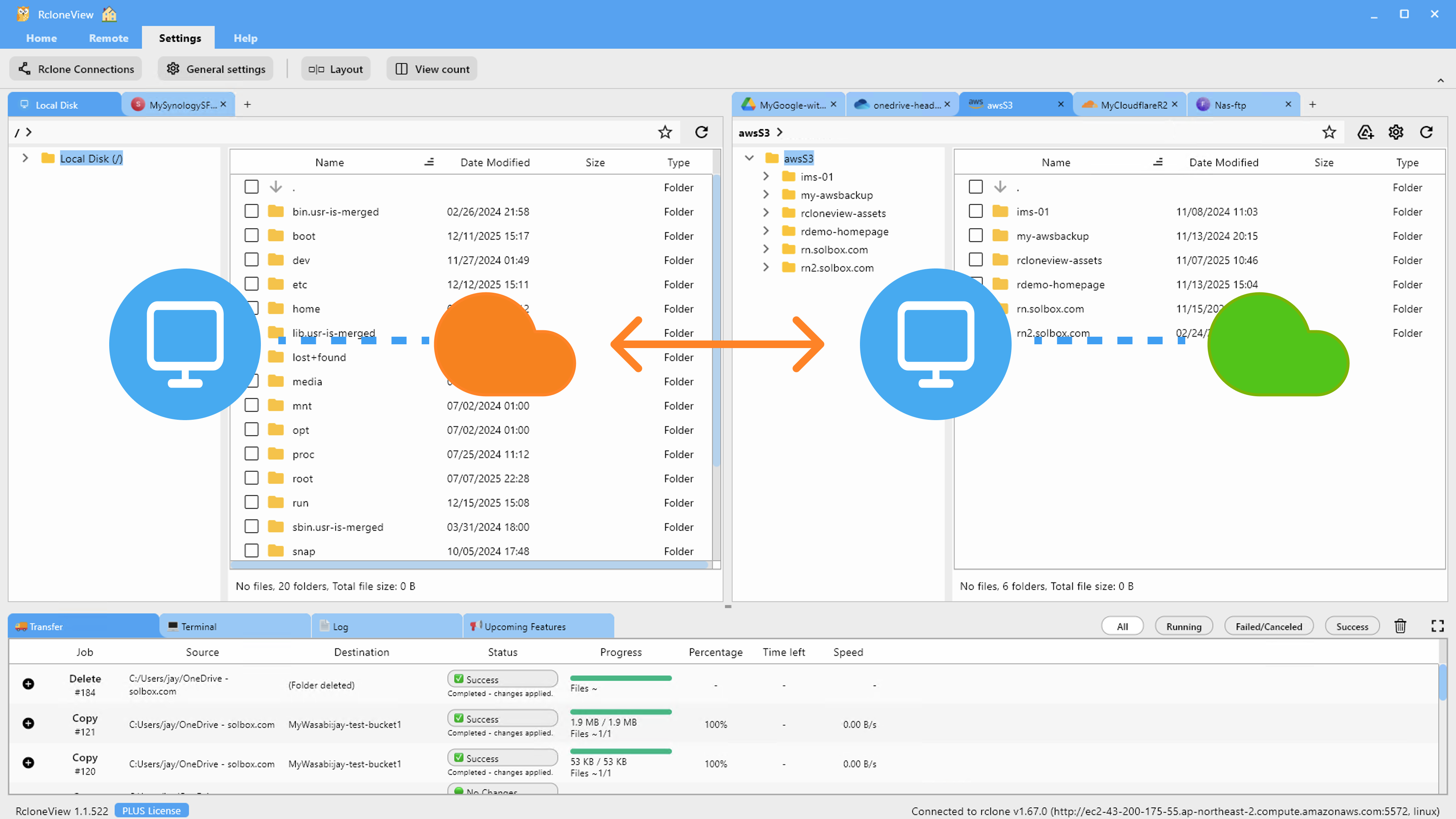
Google Drive → Sia (privacy backup)
Back up your Google Drive to Sia for a privacy-focused, decentralized copy that Google can't access or delete.
Sia → AWS S3 (hybrid architecture)
Use Sia as your primary storage and S3 as a CDN-accessible mirror for applications that need standard S3 APIs.
Automate Sia Backups
Schedule daily syncs between Sia and your other storage:
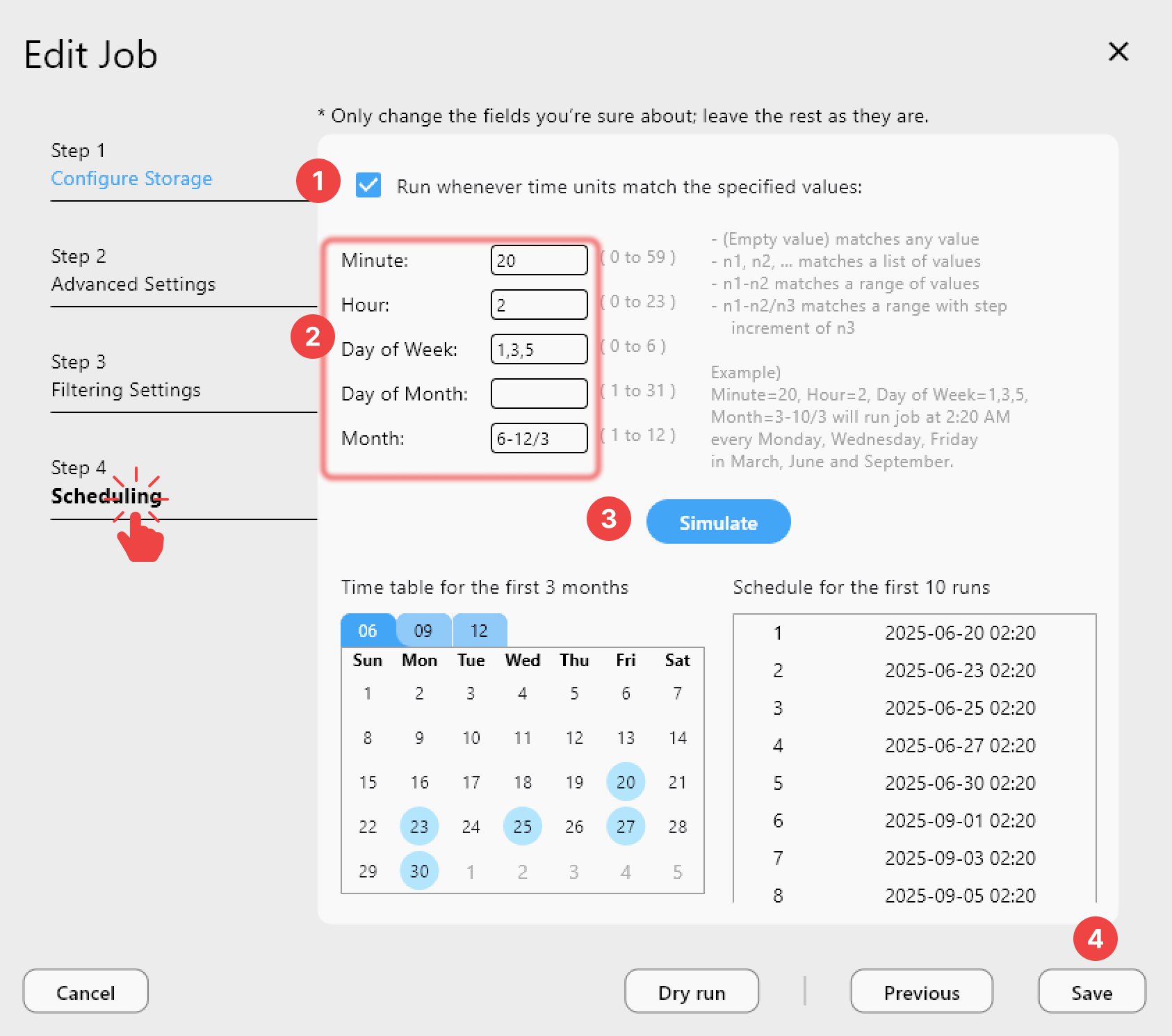
Example workflows
- Nightly backup: Local NAS → Sia (decentralized archive).
- Weekly mirror: Sia → Backblaze B2 (traditional cloud backup of decentralized data).
- Real-time collaboration: Sia → Google Drive (keep shared folders in sync).
Verify Transfers with Folder Comparison
After syncing, verify that your Sia storage matches the source:
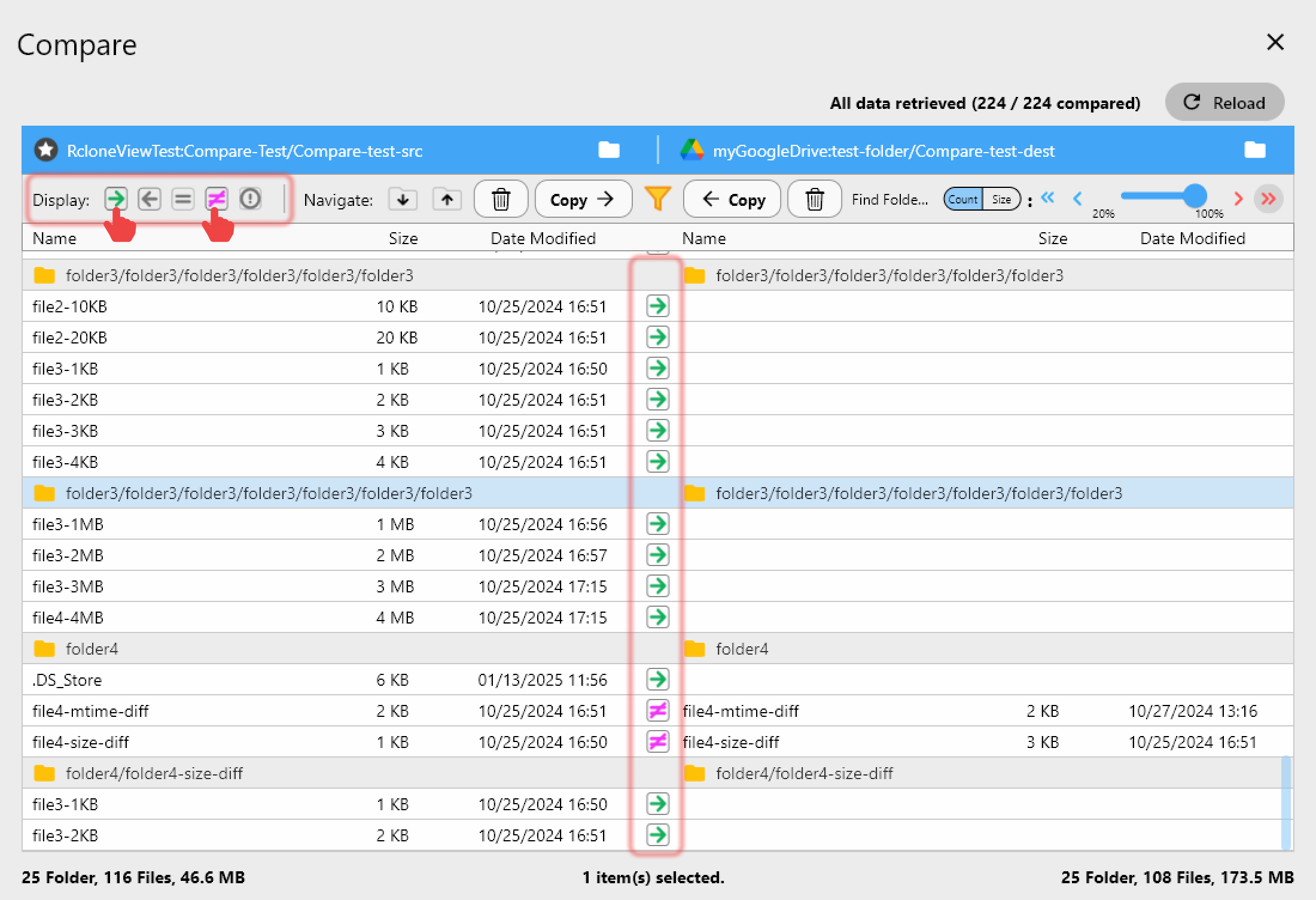
This is especially important for archival workflows where data integrity is critical.
Sia vs Traditional Cloud Storage
| Feature | Sia | Google Drive | AWS S3 |
|---|---|---|---|
| Privacy | End-to-end encrypted, decentralized | Google can access data | AWS can access data |
| Price (1 TB/month) | ~$2–4 | $10 | $23 |
| Redundancy | 30+ hosts, 3x redundancy | Google's infrastructure | 99.999999999% durability |
| Speed | Variable (depends on hosts) | Fast | Fast |
| Collaboration | Limited | Excellent | API-only |
| Vendor lock-in | None | High | Medium |
Best Use Cases for Sia + RcloneView
- Privacy-conscious backups — Archive sensitive documents on Sia where no company can access them.
- Hybrid storage — Use Google Drive for daily work, Sia for long-term encrypted archive.
- Cost optimization — Store cold data on Sia at $2–4/TB instead of $23/TB on S3.
- Censorship resistance — Data on Sia can't be removed by any single entity.
Getting Started
- Set up renterd — Follow Sia's documentation to run a renterd instance.
- Download RcloneView from rcloneview.com.
- Add Sia as a remote alongside your other clouds.
- Sync, backup, and compare — manage decentralized and centralized storage in one place.
Decentralized storage doesn't have to mean a decentralized workflow. RcloneView brings everything together.
Related Guides:
Supported Cloud Providers