RcloneView vs odrive: Which Multi-Cloud Sync Tool Is Right for You?
Both RcloneView and odrive aim to unify your cloud storage accounts. But they take different approaches — one integrates into your OS file system, the other gives you a full desktop management interface. Here's how they compare.
If you use Google Drive, OneDrive, Dropbox, and S3, switching between apps is tedious. Both odrive and RcloneView solve this by connecting multiple clouds in one place. But they differ significantly in how they work, what they support, and what they cost.
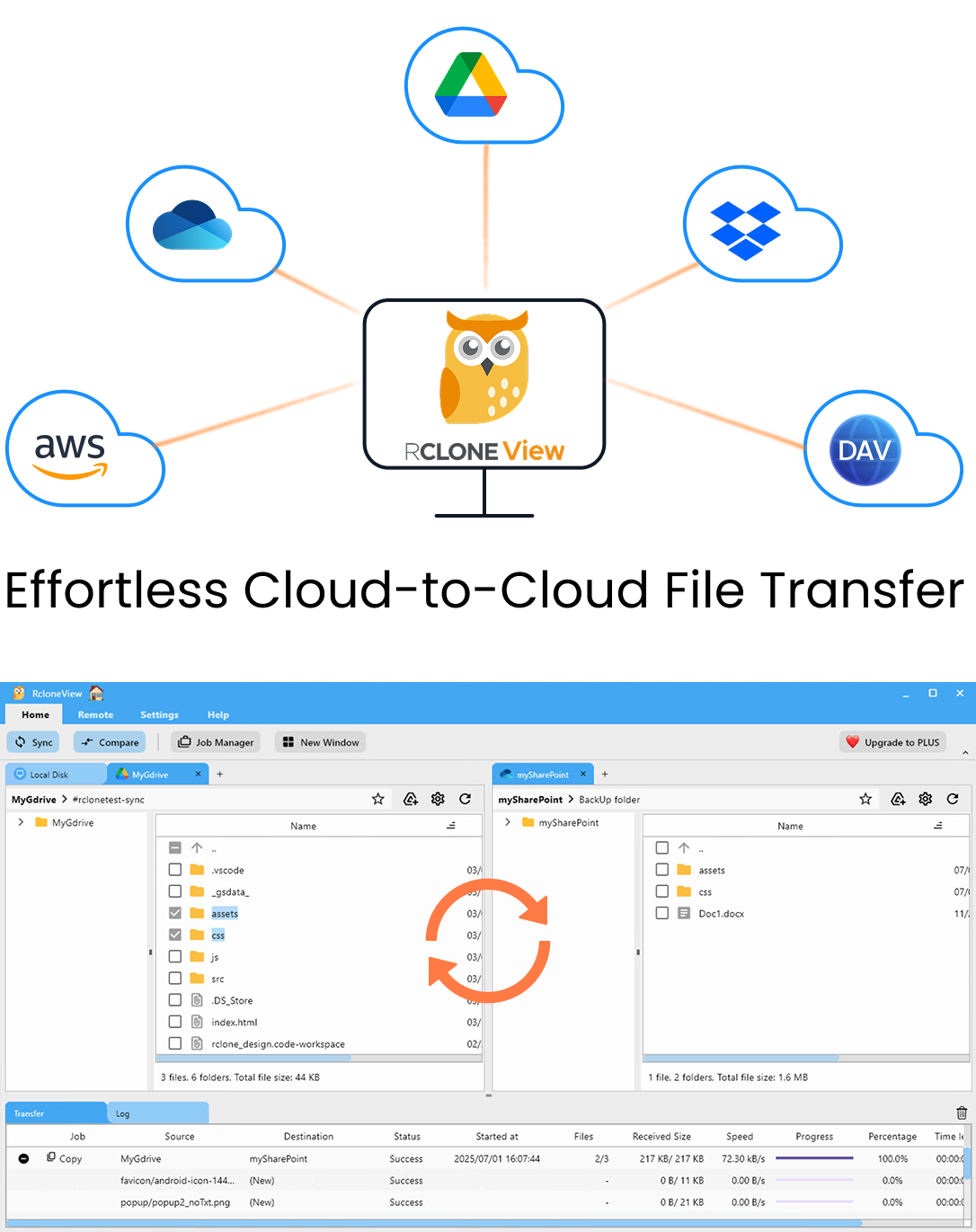
Manage & Sync All Clouds in One Place
RcloneView is a cross-platform GUI for rclone. Compare folders, transfer or sync files, and automate multi-cloud workflows with a clean, visual interface.
- One-click jobs: Copy · Sync · Compare
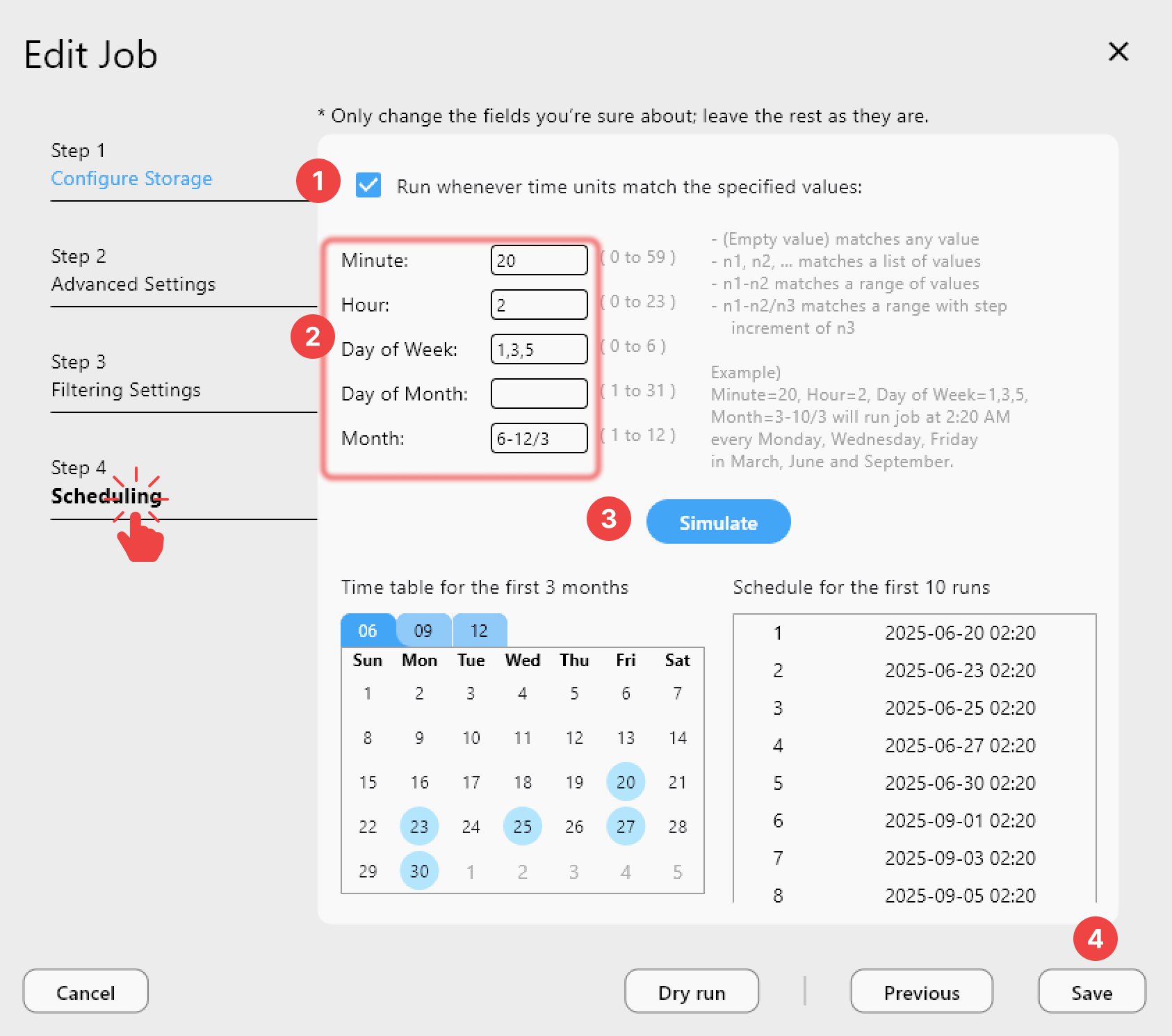
- Schedulers & history for reliable automation
- Works with Google Drive, OneDrive, Dropbox, S3, WebDAV, SFTP and more
Free core features. Plus automations available.
Architecture
odrive integrates directly into your operating system's file manager (Finder on macOS, Explorer on Windows). Your cloud accounts appear as folders in your file system. Files sync in the background.
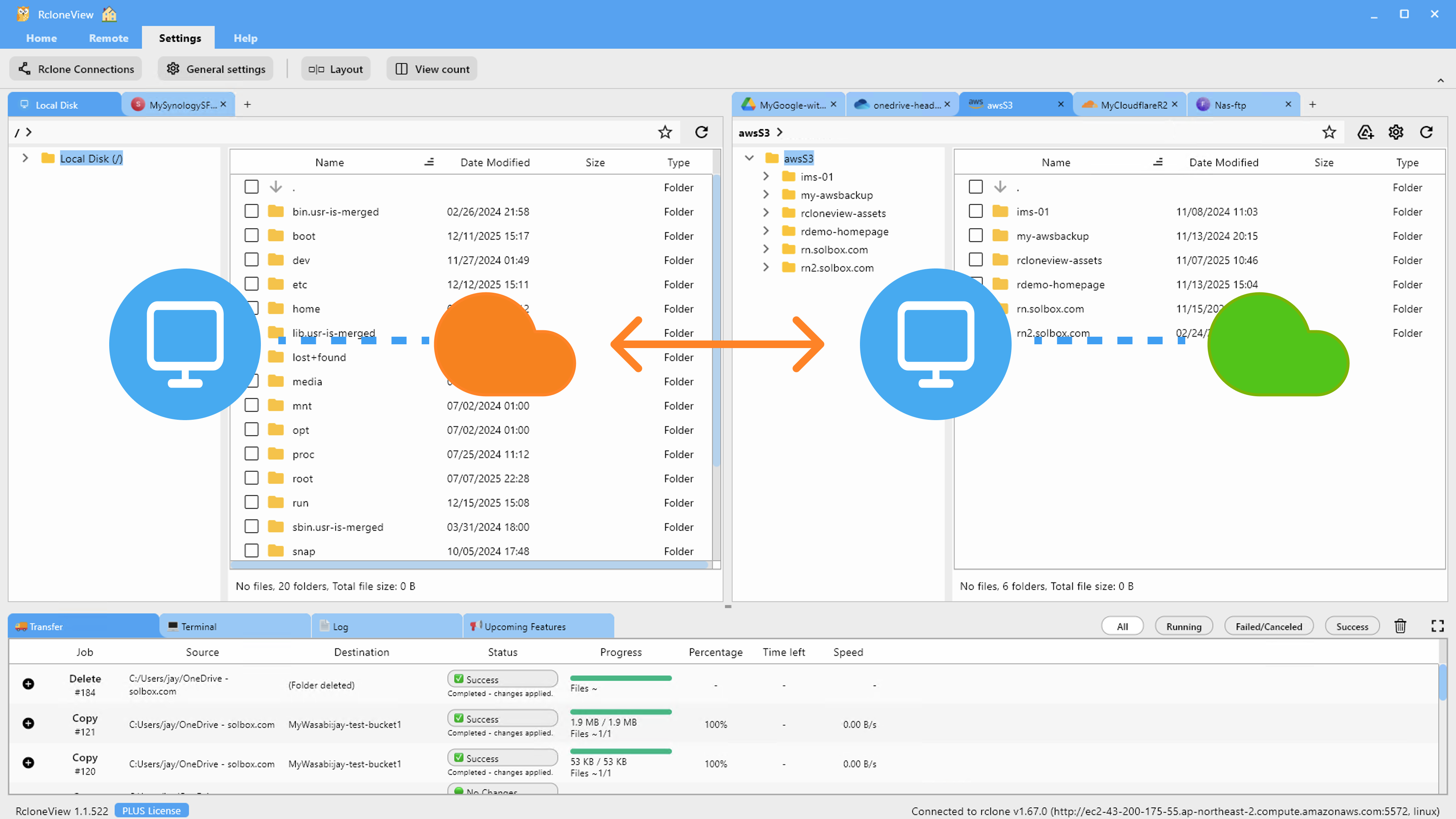
RcloneView is a standalone desktop application with its own two-pane file explorer. You browse, transfer, sync, and manage files within the app. It also supports mounting clouds as local drives, giving you both approaches.
Key architectural difference
odrive syncs files to your local disk by default — then syncs changes back to the cloud. RcloneView can operate without local copies, transferring directly between clouds or from cloud to local on demand.
Feature Comparison
Cloud Support
| Feature | odrive | RcloneView |
|---|---|---|
| Google Drive | ✅ | ✅ |
| OneDrive / SharePoint | ✅ | ✅ |
| Dropbox | ✅ | ✅ |
| AWS S3 | ✅ | ✅ |
| S3-compatible (Wasabi, B2, MinIO) | Limited | ✅ 70+ providers |
| FTP / SFTP / WebDAV | ✅ | ✅ |
| NAS (Synology, QNAP) | ❌ | ✅ (auto-detect Synology) |
| Mega, pCloud, Box | ✅ | ✅ |
| Encrypted remotes (crypt) | ✅ (paid) | ✅ |
| Total providers | ~20 | 70+ |
RcloneView's rclone backend gives it access to far more storage providers, especially niche S3-compatible services.
File Management
| Feature | odrive | RcloneView |
|---|---|---|
| OS integration (Finder/Explorer) | ✅ | Via mount |
| Two-pane file explorer | ❌ | ✅ |
| Folder comparison | ❌ | ✅ |
| Mount cloud as local drive | ❌ | ✅ |
| Built-in terminal (CLI) | ❌ | ✅ |
| Drag and drop between clouds | Via OS | ✅ |
Sync and Transfer
| Feature | odrive | RcloneView |
|---|---|---|
| Two-way sync | ✅ | ✅ |
| One-way sync | ✅ | ✅ |
| Copy (no delete) | ❌ | ✅ |
| Bandwidth limiting | ❌ | ✅ |
| Parallel transfers | Background | ✅ (configurable) |
| Dry run | ❌ | ✅ |
| Filter rules | Basic | ✅ Full rclone filters |
| Server-side copy | ❌ | ✅ |
Automation
| Feature | odrive | RcloneView |
|---|---|---|
| Background sync | ✅ (always on) | Via scheduled jobs |
| Scheduled jobs | ❌ | ✅ |
| Batch jobs | ❌ | ✅ (v1.3) |
| Slack/Discord notifications | ❌ | ✅ (v1.3) |
| Retry failed transfers | ❌ | ✅ (v1.3) |
Unique Features
odrive's strengths:
- Placeholder files (show cloud files without downloading).
- Seamless OS integration — cloud files feel like local files.
- Automatic background sync.
RcloneView's strengths:
- Two-pane explorer for visual file management.
- Folder comparison to detect differences.
- Mount cloud as local drive.
- Built-in terminal for advanced rclone operations.
- Batch jobs for multi-step workflows.
- Notifications via Slack, Discord, Telegram.
- Encrypted remotes with zero-knowledge encryption.
Privacy
odrive: Cloud credentials are managed through odrive's authentication system. Sync data flows through your machine, but account linking goes through odrive's servers.
RcloneView: All credentials stay on your machine. No account creation required. No data passes through third-party servers. Direct connection between your machine and your clouds.
Pricing
| Plan | odrive | RcloneView |
|---|---|---|
| Free tier | Basic sync, 1 cloud account | Full features (trial) |
| Premium | $8.25/month (annual) | $5.99/month or $49.99/year |
| Encryption | Premium only | Included |
| Unsync/placeholder | Premium only | N/A (mount instead) |
When to Choose odrive
- You want cloud storage integrated directly into Finder/Explorer.
- Background sync is important — files should always be up to date.
- Placeholder files matter (see cloud files without downloading).
- You primarily use major consumer clouds.
When to Choose RcloneView
- You need a visual file manager for cloud operations.
- You manage 70+ cloud providers or S3-compatible services.
- You need batch jobs, scheduling, and notifications.
- Privacy is critical — no third-party credential storage.
- You need folder comparison, dry run, and advanced filters.
- You want to mount clouds as local drives AND have a file explorer.
- You work with NAS devices.
Getting Started with RcloneView
- Download RcloneView from rcloneview.com.
- Add your cloud accounts — credentials stay local.
- Browse, sync, mount, and schedule — all in one interface.
Related Guides:
Supported Cloud Providers