Cloud Storage for Dental Practices — Secure Patient Data with RcloneView
A single server failure can wipe out years of patient records, imaging data, and billing history.
Dental practices manage a growing volume of sensitive data — from panoramic X-rays and CBCT scans to patient charts, insurance claims, and treatment plans. Most practices still rely on a local server or NAS device as their primary storage, leaving them one hardware failure away from catastrophic data loss. RcloneView gives dental offices a straightforward way to back up practice data to encrypted cloud storage, automate nightly sync jobs, and meet HIPAA requirements without needing an IT department.
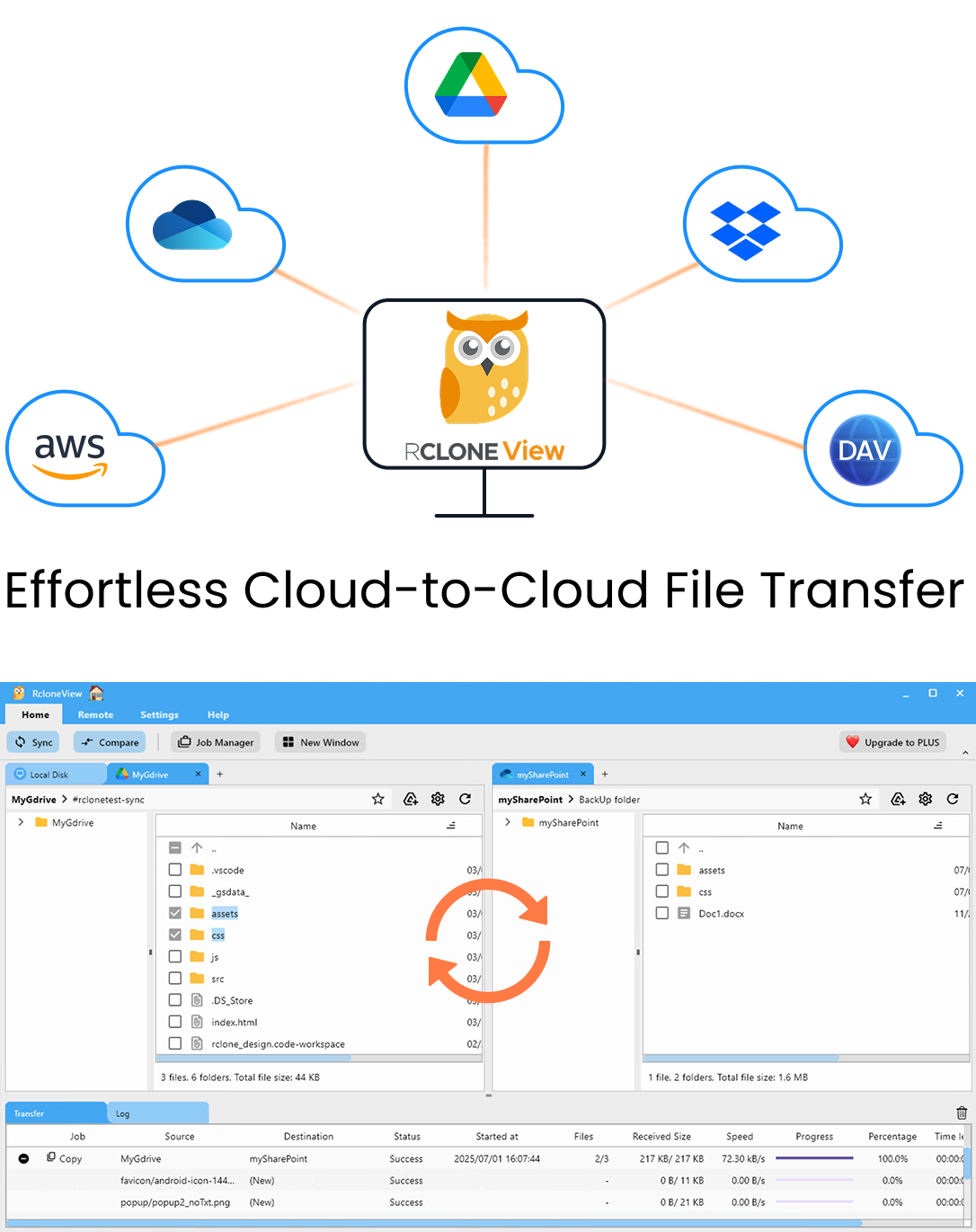
Manage & Sync All Clouds in One Place
RcloneView is a cross-platform GUI for rclone. Compare folders, transfer or sync files, and automate multi-cloud workflows with a clean, visual interface.
- One-click jobs: Copy · Sync · Compare
- Schedulers & history for reliable automation
- Works with Google Drive, OneDrive, Dropbox, S3, WebDAV, SFTP and more
Free core features. Plus automations available.
The Data Challenge in Dental Practices
A modern dental practice generates substantial data. A single CBCT scan can be 100-500 MB, and a busy practice may capture 20-50 scans per week. Intraoral cameras, digital impressions, and 2D panoramic images add to the volume. Over a few years, a practice can accumulate multiple terabytes of imaging data alone.
Practice management software (Dentrix, Eaglesoft, Open Dental) stores patient demographics, treatment histories, billing records, and appointment schedules in databases that must be backed up consistently. A corrupted database with no recent backup can mean days of manual re-entry and lost revenue.
The regulatory dimension adds urgency. HIPAA requires covered entities — including dental practices — to maintain retrievable exact copies of electronic protected health information (ePHI). A local-only backup strategy fails this requirement if the same disaster (fire, flood, ransomware) destroys both the production system and the backup.
Setting Up Encrypted Cloud Backup
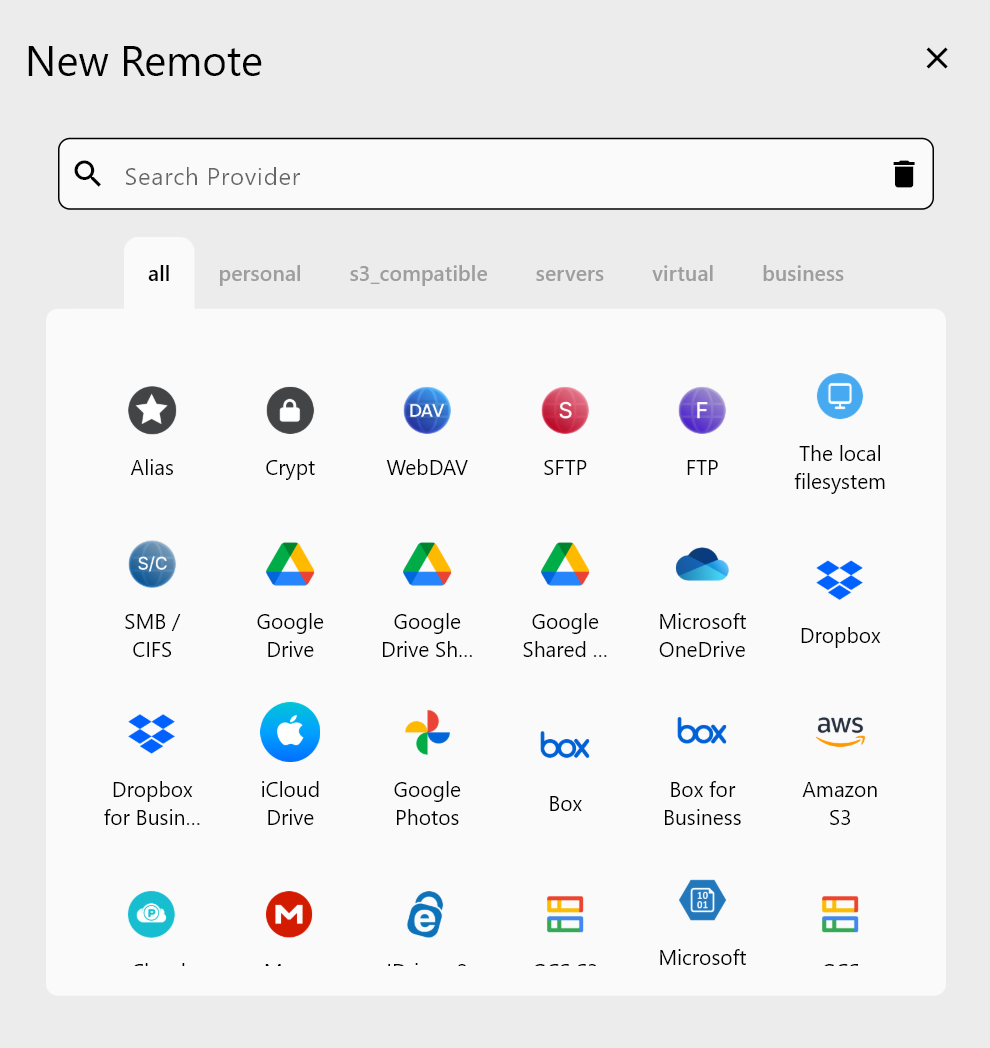
RcloneView supports rclone's crypt overlay, which encrypts filenames and file contents before they leave the practice's network. Data is encrypted with XSalsa20 and authenticated with Poly1305, and file names are encrypted with EME-based encoding. The cloud provider never sees unencrypted patient data.
For HIPAA compliance, choose a cloud provider that offers a Business Associate Agreement (BAA). Google Workspace (Business and Enterprise tiers), Amazon S3, and Wasabi all provide BAAs. Configure the provider as a remote in RcloneView, then layer a crypt remote on top. All sync and backup operations through the crypt remote are automatically encrypted.
RcloneView's configuration interface walks you through both the storage remote and the encryption layer, storing your encryption passphrase securely. The result is a setup where patient X-rays, charts, and database exports are encrypted at rest in the cloud and in transit over TLS.
Automating Nightly Backups
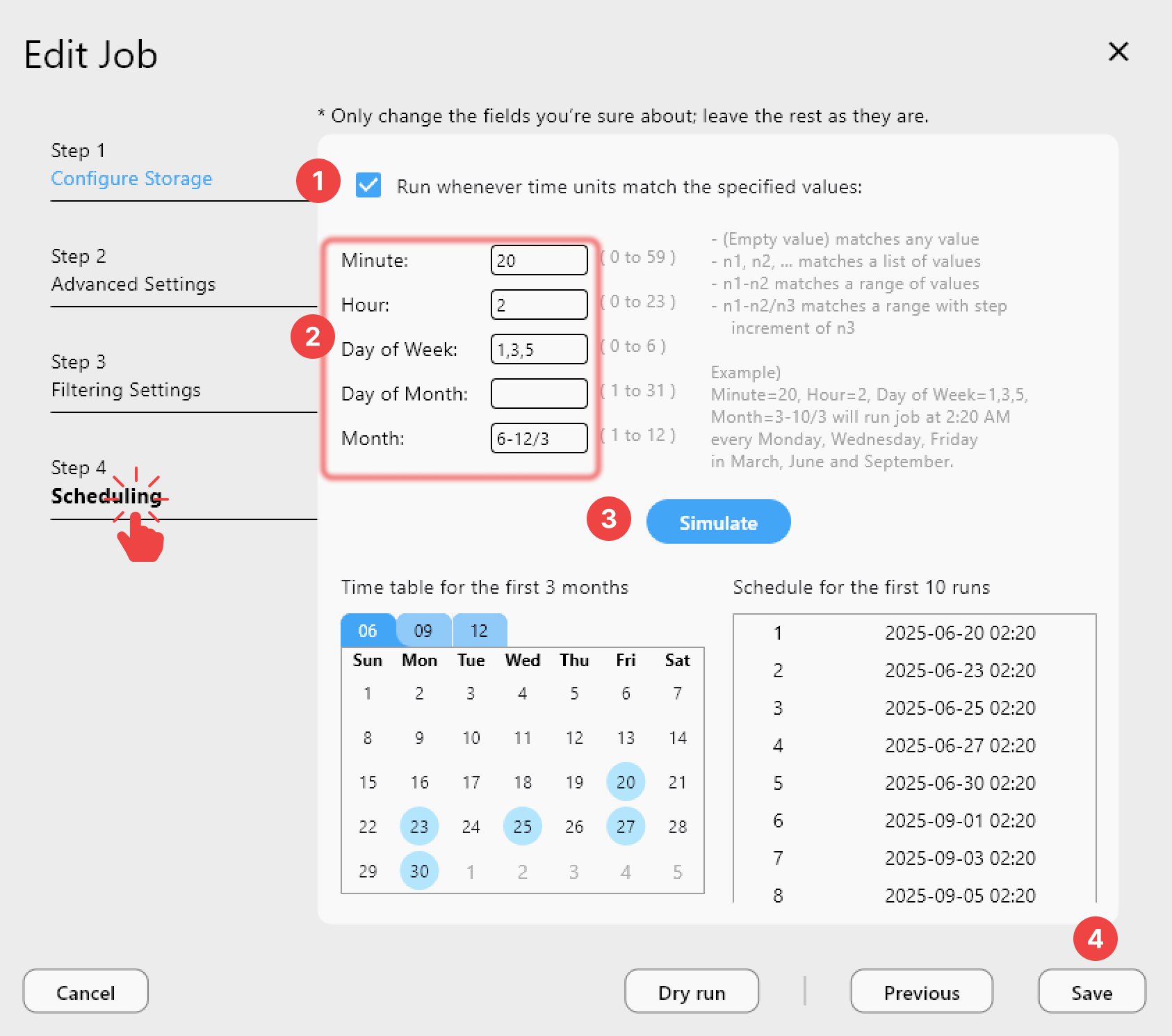
Manual backups do not happen consistently. RcloneView's job scheduler lets you configure nightly sync jobs that run after office hours. A typical setup includes a job that exports the practice management database at 8 PM, followed by an RcloneView sync job at 9 PM that uploads the export plus any new imaging files to the encrypted cloud remote.
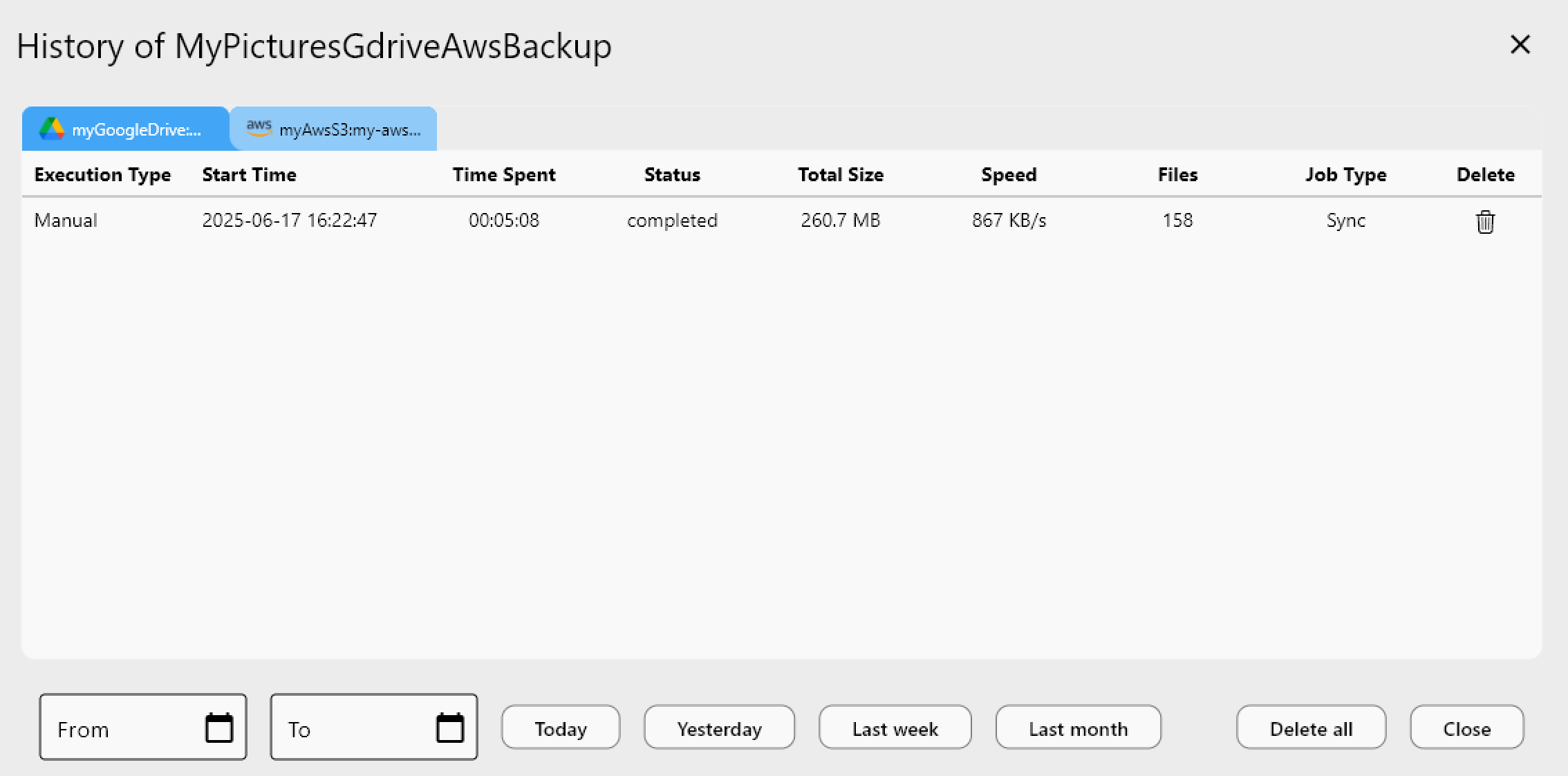
The --backup-dir flag preserves previous versions of changed files, giving you point-in-time recovery. If a ransomware attack encrypts files on the local server, you can restore from the cloud backup that predates the infection. RcloneView's job history shows exactly when each backup completed and how many files were transferred, providing an audit trail for HIPAA documentation.
Bandwidth management is important in dental offices where the same internet connection serves patient-facing systems. Setting --bwlimit 20M during business hours and removing the limit after hours ensures backups do not disrupt operatory workstations or patient check-in systems.
Disaster Recovery and Compliance
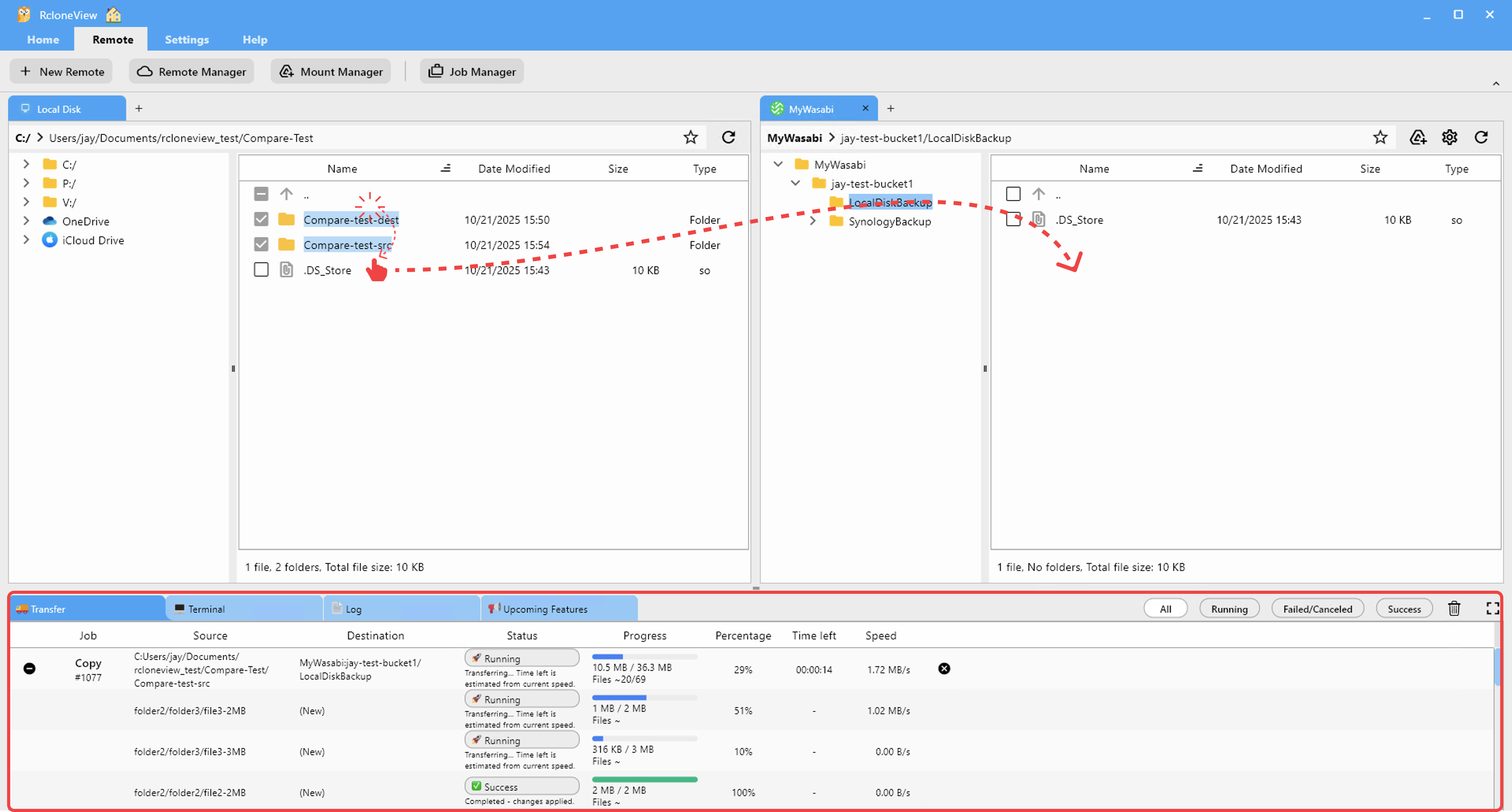
HIPAA's Security Rule requires a contingency plan that includes data backup, disaster recovery, and emergency mode operation. With RcloneView, the backup component is automated and verifiable. The disaster recovery process is a reverse sync — restoring encrypted cloud data to a new local server using the same crypt configuration.
Document your backup procedures, retention periods, and restoration steps. RcloneView's job logs serve as evidence that backups are occurring on schedule, which auditors and compliance officers expect to see during HIPAA risk assessments.
Getting Started
- Download RcloneView from rcloneview.com.
- Configure a cloud remote with a BAA-eligible provider (Google Workspace, S3, or Wasabi) and add a crypt encryption layer.
- Schedule nightly sync jobs to back up practice management exports and imaging folders automatically.
- Test your restore process quarterly by recovering files from the encrypted cloud backup to verify data integrity.
Your patients trust you with their health data — cloud backup with RcloneView helps you protect it.
Related Guides:
- Cloud Storage HIPAA Compliance for Healthcare — Secure Data with RcloneView
- Cloud Storage for Veterinary Clinics — Protect Patient Records with RcloneView
- Cloud Storage Security Audit Checklist — Protect Your Data with RcloneView
Supported Cloud Providers