Cloud Storage for Newsrooms — Secure Backup and Sync with RcloneView

Reporters, editors, and producers generate footage, interview audio, and documents faster than any single cloud account can safely hold — RcloneView keeps it all backed up, synced, and organized across providers.
A regional newsroom covering a breaking story might have a field reporter uploading raw video to Google Drive, an editor pulling assets into a shared Dropbox folder, and an archive team pushing finished packages to Amazon S3 for long-term retention. Without a tool that speaks to all three at once, that workflow means constant manual downloads and re-uploads, and a real risk of losing footage before it's backed up. RcloneView connects to every cloud these teams already use from one desktop application, so file movement between them becomes a routine job instead of a fire drill.
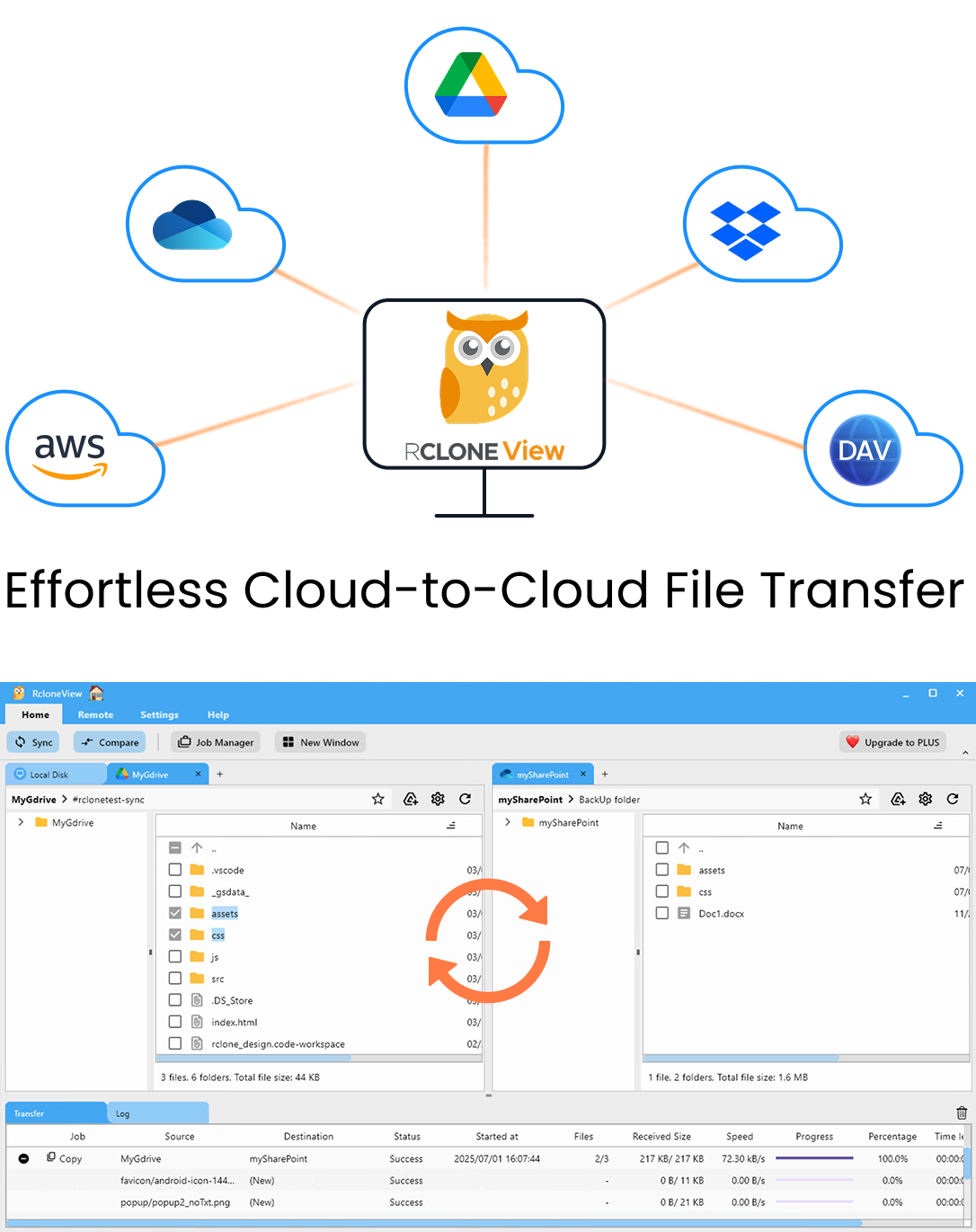
Manage & Sync All Clouds in One Place
RcloneView is a cross-platform GUI for rclone. Compare folders, transfer or sync files, and automate multi-cloud workflows with a clean, visual interface.
- One-click jobs: Copy · Sync · Compare
- Schedulers & history for reliable automation
- Works with Google Drive, OneDrive, Dropbox, S3, WebDAV, SFTP and more
Free core features. Plus automations available.
Consolidating Field Footage and Source Documents
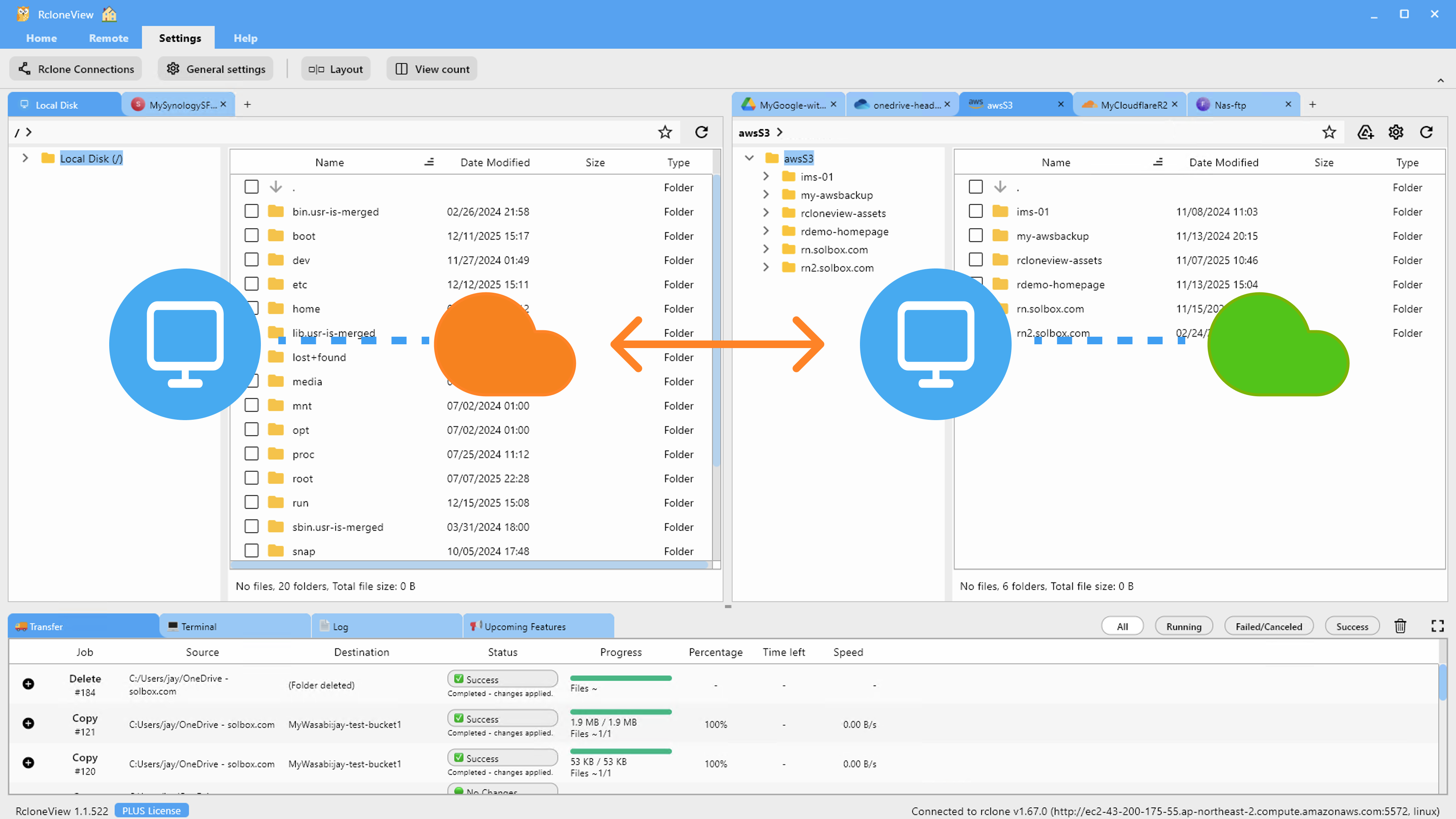
Field reporters and stringers often upload directly to whatever cloud account is fastest on a mobile connection — Google Drive, OneDrive, or Dropbox — while the newsroom's official archive lives elsewhere. RcloneView's multi-panel Explorer lets an editor open both accounts side by side, drag files between them, and confirm what has and hasn't been pulled into the central library. Unlike mount-only tools, RcloneView also syncs and compares folders — on the FREE license — so this consolidation doesn't require a paid tier to get started.
Scheduled Backup Jobs for Daily Deadlines
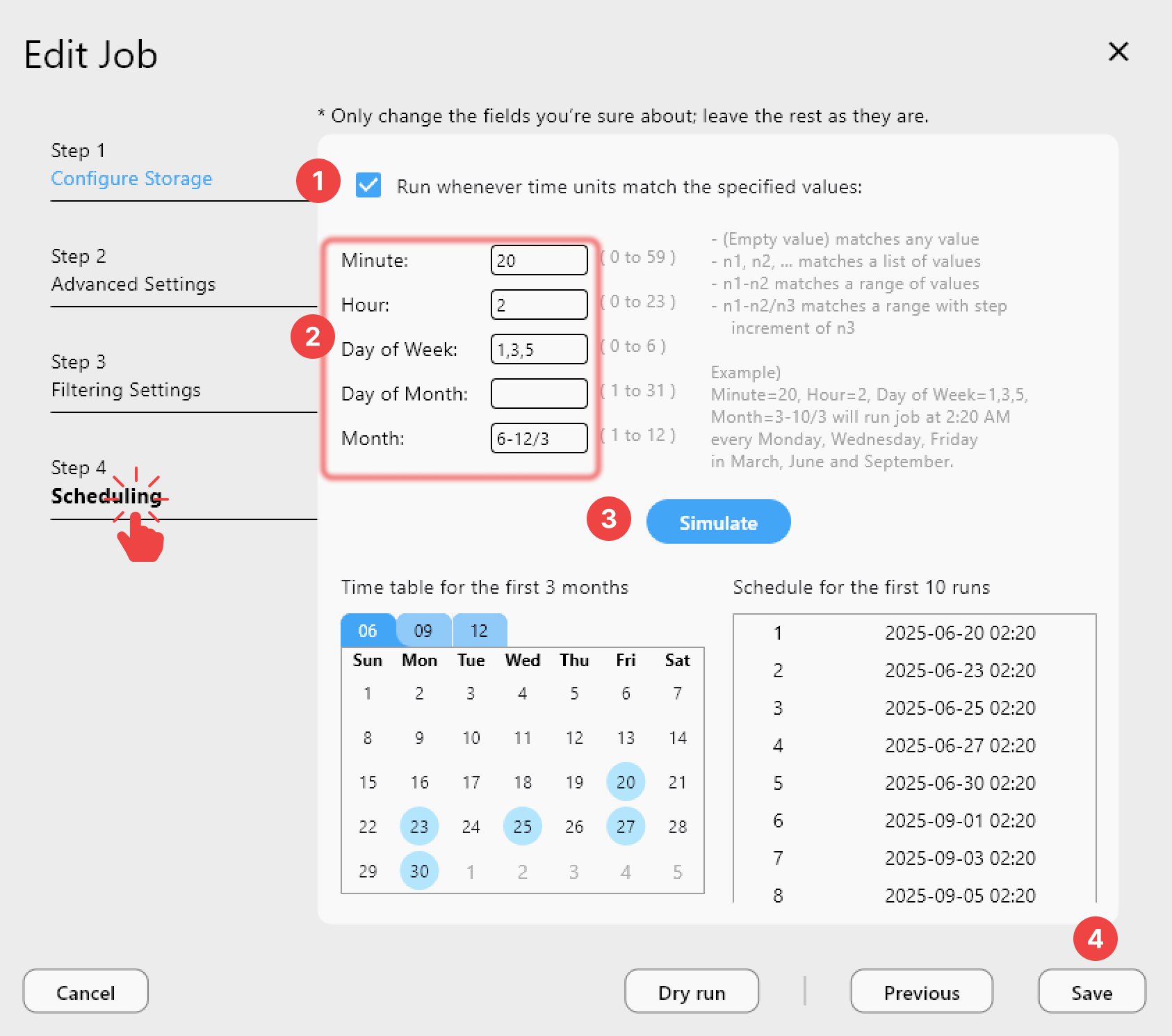
Newsroom production is deadline-driven, and backup can't depend on someone remembering to run it. With a PLUS license, a sync job configured in RcloneView's Job Manager can run automatically at a set time each day — after the evening broadcast closes, for example — copying that day's finished packages from an editing workstation's local drive to a cloud archive. Job History then gives producers a record of exactly what transferred, when, and whether anything failed, which matters when a story needs to be re-pulled for a follow-up.
Verifying Archives Before Sources Go Offline
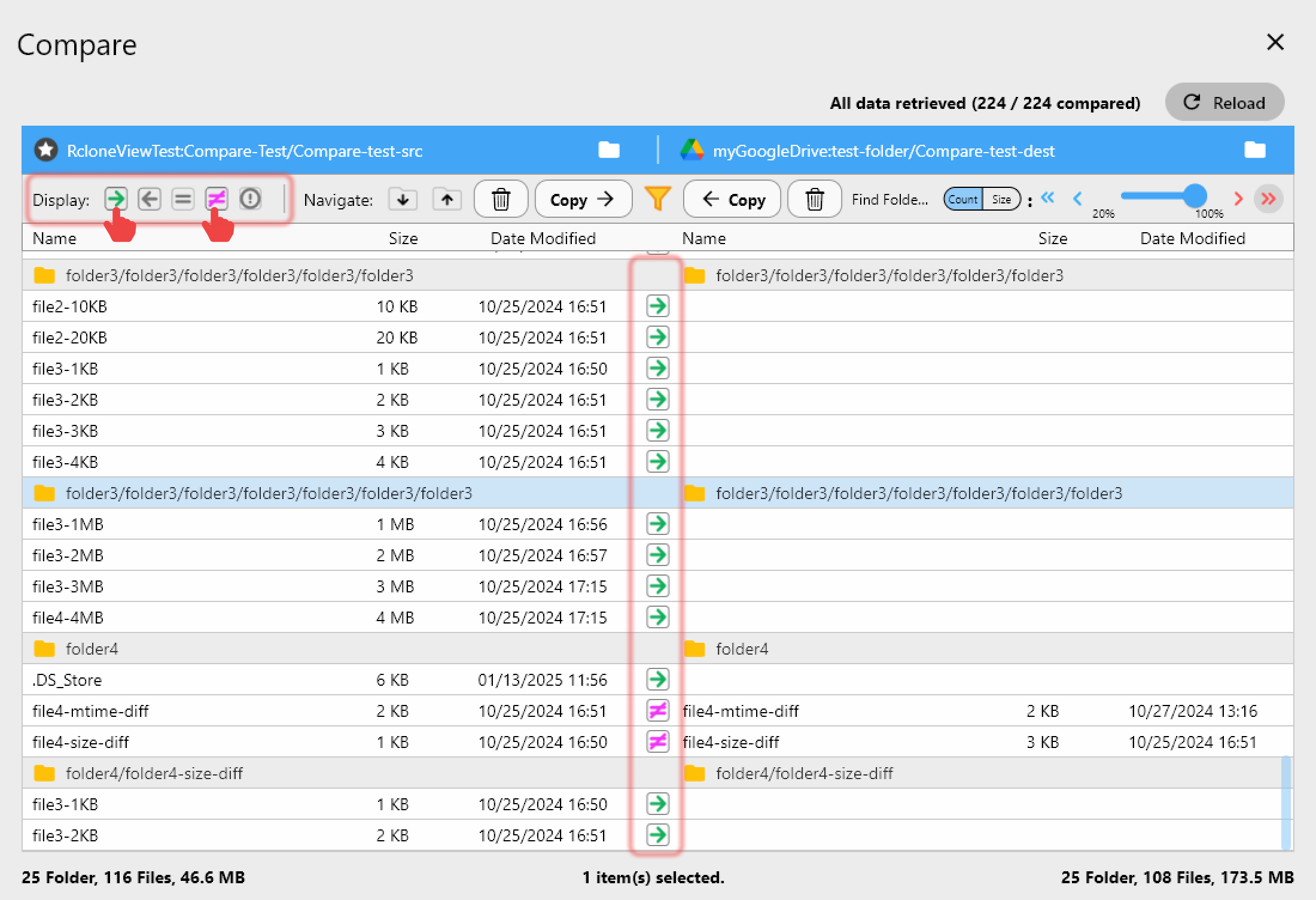
Interview subjects and embedded footage sources aren't always available for a second pull. Before archiving a completed story, RcloneView's Folder Compare feature can check the local edit folder against the cloud archive to confirm every file transferred with matching size, flagging anything that didn't copy cleanly so it can be re-sent before the local copy is cleared for space.
Getting Started
- Download RcloneView from rcloneview.com.
- Connect the cloud accounts your reporters and editors already use — Google Drive, Dropbox, OneDrive, Box, or S3-compatible archive storage.
- Set up a folder compare to confirm today's footage is fully mirrored before clearing local drives.
- Create a scheduled sync job (PLUS license) to move finished packages into your long-term archive automatically.
A newsroom that can trust its backup runs on schedule spends less time chasing missing files and more time on the next story.
Related Guides:
- Cloud Storage for Media & Entertainment Studios — Streamline Production with RcloneView
- Cloud Storage for Podcasters & Content Creators — Manage Files with RcloneView
- Cloud Storage for Publishing & Print Media — Organize Assets with RcloneView
Supported Cloud Providers