Cloud Storage for Optometry Practices — Secure Patient Imaging and Records with RcloneView

Optometry practices generate large volumes of high-resolution retinal imaging and patient records that need encrypted, reliable cloud backup — RcloneView centralizes that workflow across every location.
A single-chair optometry practice can generate several gigabytes of retinal photography, OCT scans, and visual field test results in a week, and a multi-location practice multiplies that volume across every office. Losing even one day of imaging data because of a failed local backup creates real risk — both clinically and for compliance. RcloneView gives optometry practices a way to centralize patient imaging and records across cloud storage, encrypt sensitive files before they ever leave the office, and keep every location's data synchronized without hiring dedicated IT staff.
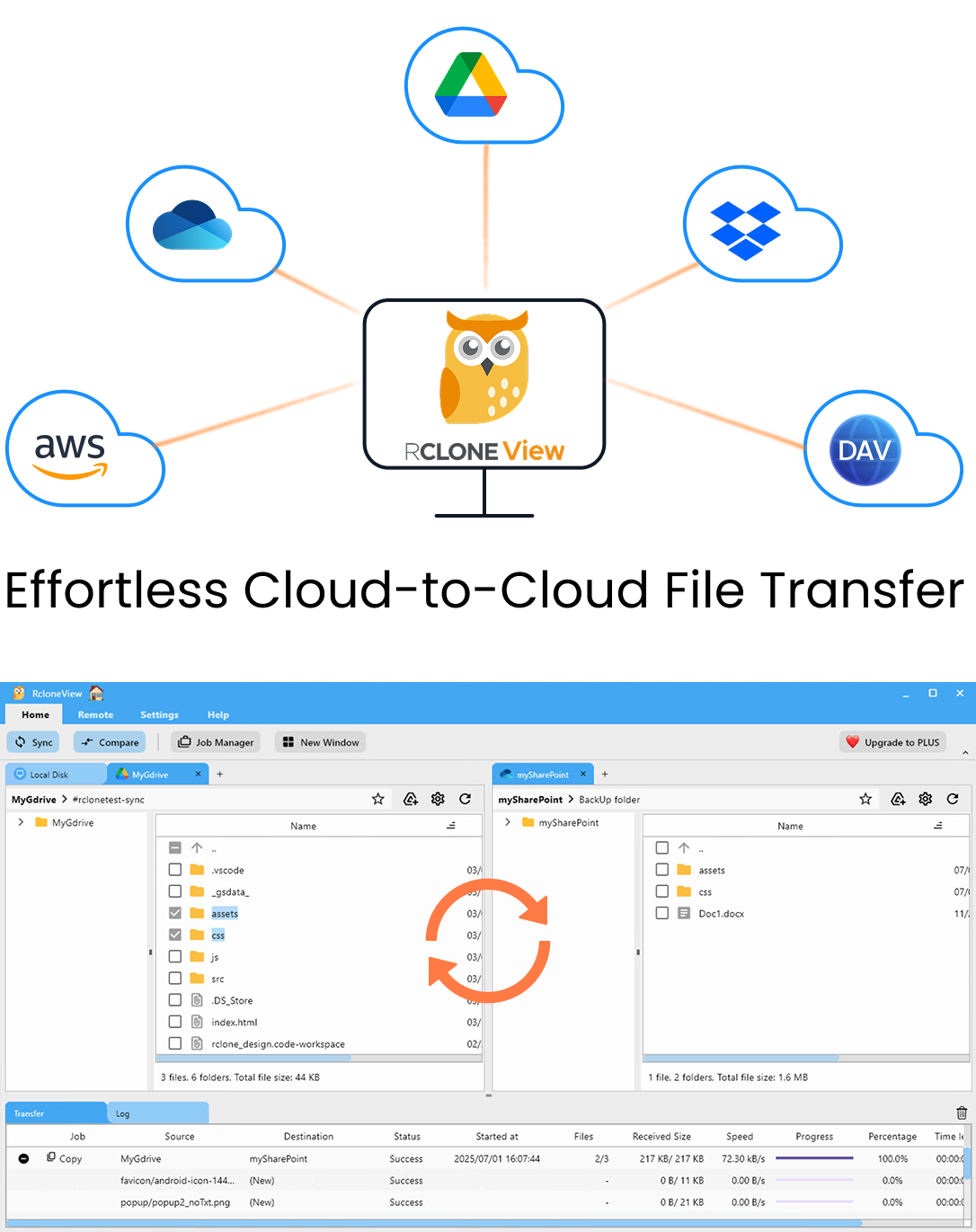
Manage & Sync All Clouds in One Place
RcloneView is a cross-platform GUI for rclone. Compare folders, transfer or sync files, and automate multi-cloud workflows with a clean, visual interface.
- One-click jobs: Copy · Sync · Compare
- Schedulers & history for reliable automation
- Works with Google Drive, OneDrive, Dropbox, S3, WebDAV, SFTP and more
Free core features. Plus automations available.
Backing Up High-Resolution Diagnostic Imaging
Retinal cameras, OCT machines, and corneal topographers each produce their own image files, often saved to a local workstation or practice management server. Configuring a scheduled sync job in RcloneView's Job Manager lets a practice mirror these imaging folders to cloud storage automatically overnight, using One-way sync so the cloud copy always reflects the latest exam without accidentally deleting anything from the source. RcloneView's Dry Run feature lets staff preview exactly which files will be copied before the first real sync runs, which matters when dealing with irreplaceable diagnostic images.
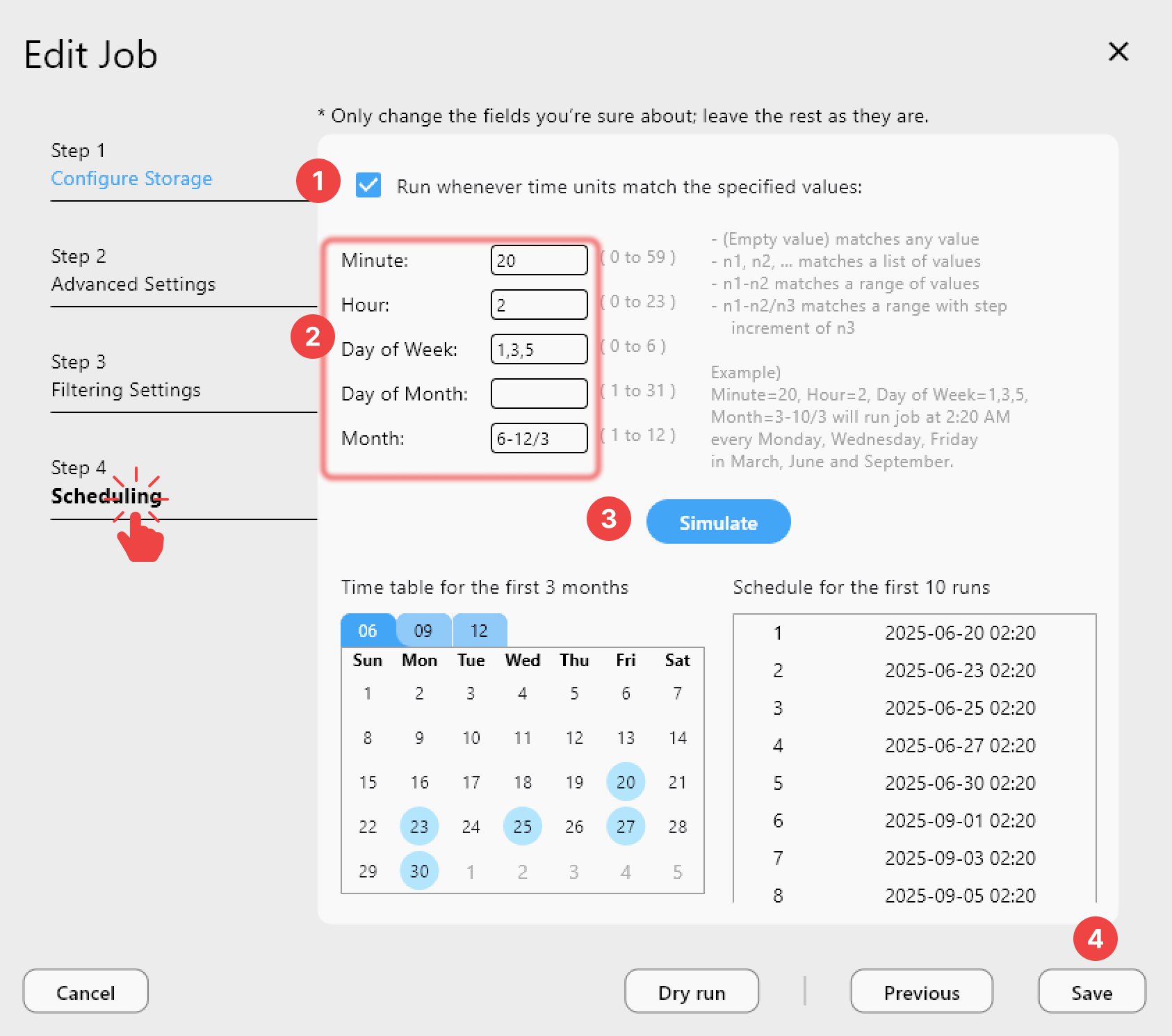
For practices on a PLUS license, Crontab-style scheduling means these backups can run automatically every night after closing, with retry logic to handle a temporarily unavailable network connection without staff intervention.
Encrypting Patient Data Before It Reaches the Cloud
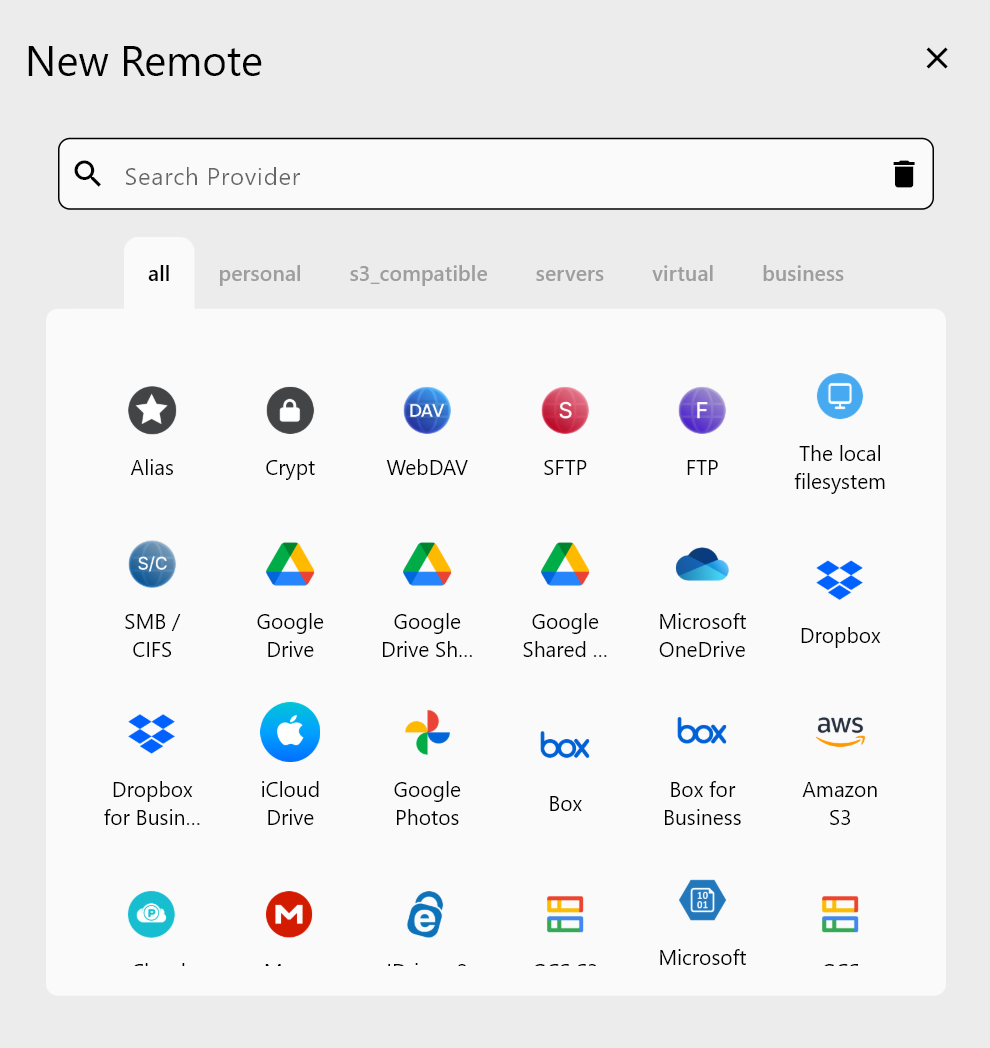
Patient imaging and records contain protected health information, so encryption in transit and at rest matters. RcloneView supports rclone's Crypt virtual remote, which encrypts file names and file contents locally before anything is uploaded — meaning the cloud storage provider itself never sees readable patient data. This is set up once as a wrapper around an existing remote, after which every file copied through that remote is automatically encrypted, with no extra steps required for daily use.
Combined with Folder Compare, staff can periodically verify that encrypted backups on the cloud side match what's stored locally, catching a failed or partial sync before it becomes a problem during an audit or a records request.
Keeping Multiple Locations in Sync
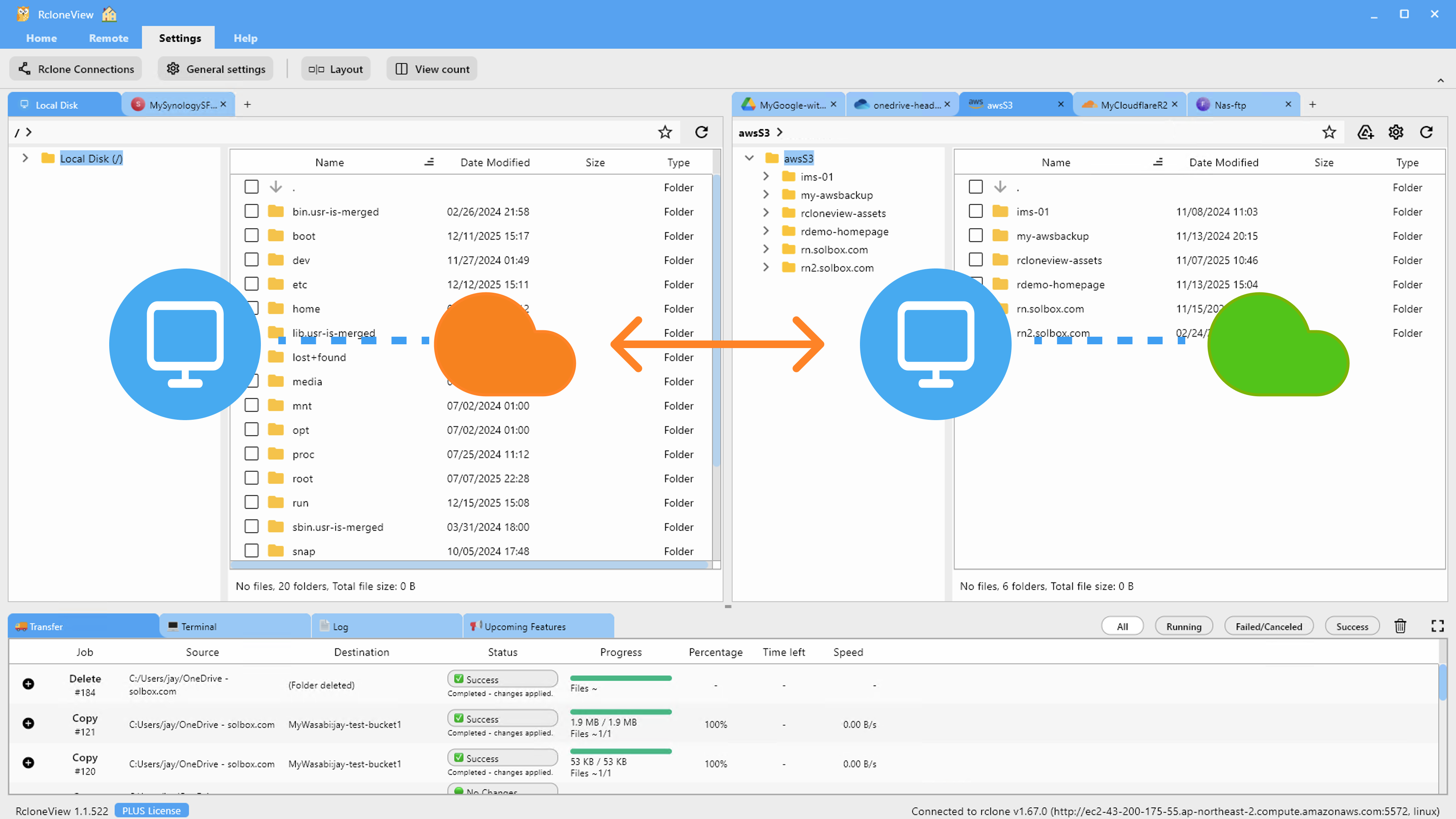
Practices with more than one office face a coordination problem: a patient seen at one location should have their imaging and chart history accessible if they visit another location. Rather than emailing files or relying on a single shared server, each location can sync its records to a common cloud storage remote through RcloneView, with 1:N synchronization available on the FREE license to mirror the same source folder to multiple destinations for redundancy. Job History gives the practice manager a clear audit trail of every completed sync — including timestamps, file counts, and any errors — useful when demonstrating a consistent backup process. RcloneView mounts AND syncs 90+ providers from one window, on Windows, macOS, and Linux, so front-desk and clinical workstations running different operating systems can all connect to the same backup workflow.
Getting Started
- Download RcloneView from rcloneview.com for each workstation or office server involved in backup.
- Set up a Crypt remote wrapping your chosen cloud storage to encrypt patient imaging and records before upload.
- Create a scheduled sync job with Dry Run enabled first, then switch to live One-way sync once you've confirmed the file list.
- Use 1:N synchronization if multiple locations or a secondary cloud provider need the same backup for redundancy.
A dependable, encrypted backup routine means diagnostic imaging and patient records survive hardware failure, ransomware, or a lost laptop — without adding daily work for clinical staff.
Related Guides:
- How to Encrypt Cloud Backups — Secure Google Drive, OneDrive, and S3
- Cloud Storage for HIPAA Compliance in Healthcare with RcloneView
- Cloud Storage for Dental Practices with RcloneView
Supported Cloud Providers