Cloud Storage for Video Game Studios — Asset Sync and Backup with RcloneView
Video game studios manage massive asset libraries and nightly builds — RcloneView gives them a GUI-driven way to sync, back up, and distribute those files across cloud providers without custom scripts.
Game development is one of the most data-intensive creative industries. A single project can accumulate terabytes of textures, 3D models, audio files, animation data, and compiled build artifacts over its development cycle. Keeping that data synchronized across a distributed team, backed up reliably, and accessible when needed requires more than a shared drive — it requires a structured multi-cloud workflow. RcloneView provides exactly that through a desktop GUI backed by rclone's battle-tested cloud engine.
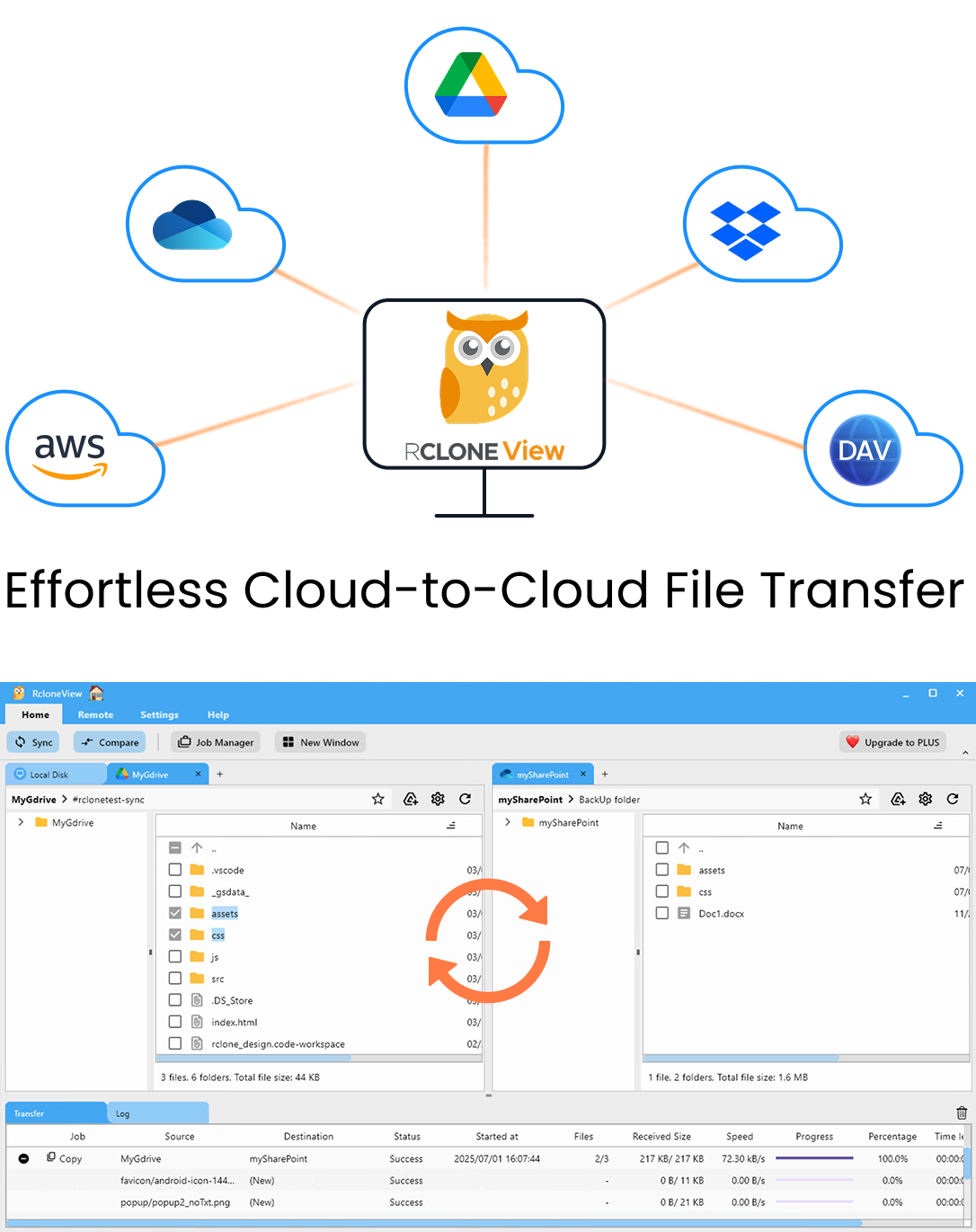
Manage & Sync All Clouds in One Place
RcloneView is a cross-platform GUI for rclone. Compare folders, transfer or sync files, and automate multi-cloud workflows with a clean, visual interface.
- One-click jobs: Copy · Sync · Compare
- Schedulers & history for reliable automation
- Works with Google Drive, OneDrive, Dropbox, S3, WebDAV, SFTP and more
Free core features. Plus automations available.
Syncing Game Assets Across Team Members
The core challenge in game asset management is keeping team members' local working copies in sync with the master cloud repository. Artists, level designers, and programmers all need current versions of shared assets without overwriting each other's work. RcloneView supports bidirectional sync (Beta feature) for teams that need two-way synchronization, and one-directional sync from a master cloud bucket down to individual workstations.
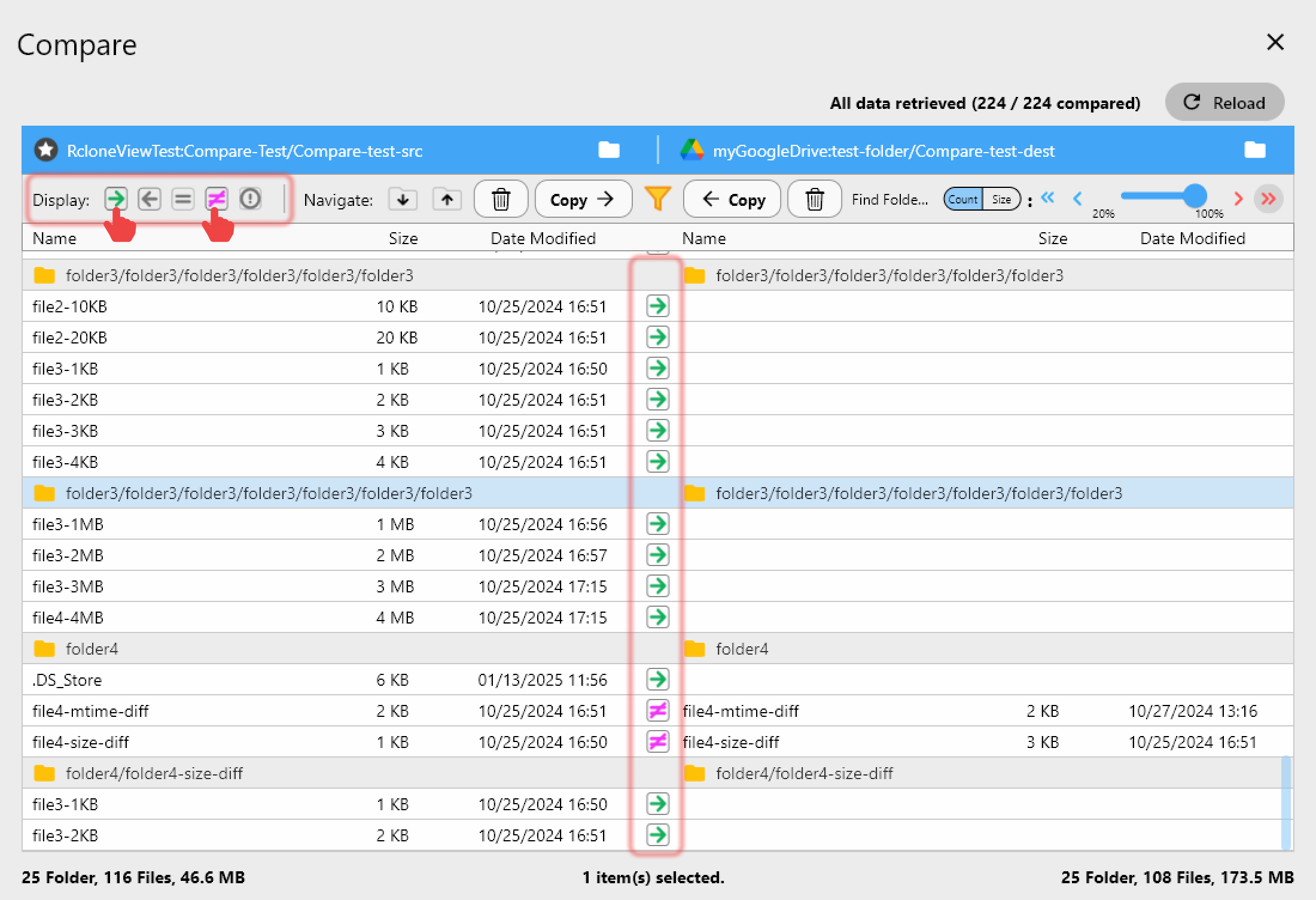
A common workflow is to designate a cloud S3 bucket or Google Drive folder as the canonical asset store. Each team member runs a sync job in RcloneView that pulls new or updated assets from the cloud to their local working directory. RcloneView's folder compare feature lets team members see exactly what has changed before syncing, so they can review differences and avoid surprises.
Automating Nightly Build Artifact Backup
Nightly builds are the heartbeat of a game studio's development cycle. Every night, the CI/CD pipeline compiles a build from the current codebase and produces artifacts — executable binaries, packaged game files, platform-specific bundles — that need to be stored for QA testing and milestone archiving. RcloneView can automate the backup of these artifacts to cloud storage on a schedule.
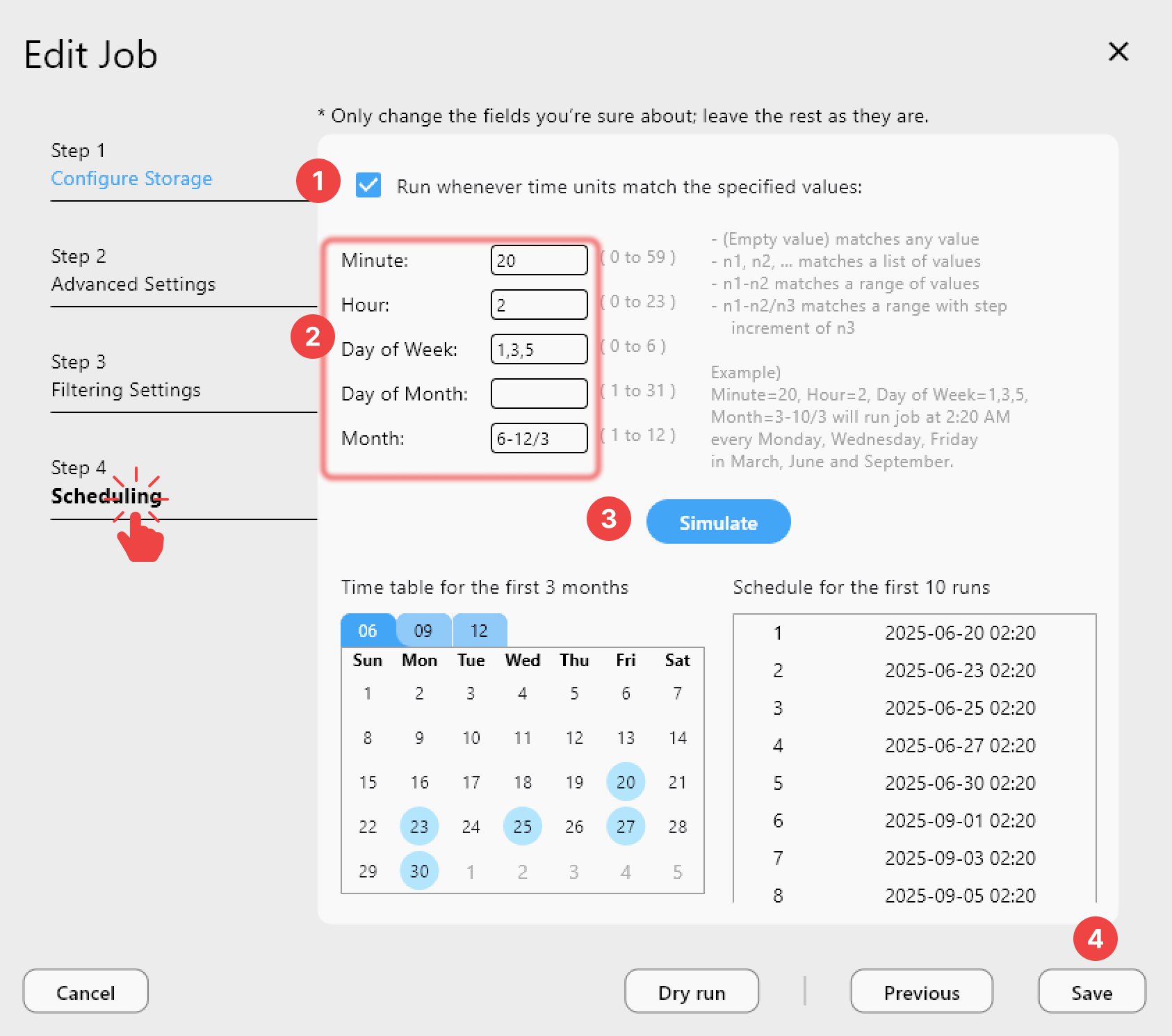
With a PLUS license, configure a sync job that runs after your nightly build completes, pushing all new artifacts from the build server's local output directory to a cloud bucket. Set the destination to an Amazon S3 or Wasabi bucket with versioning enabled for automatic build history. Job notifications can alert the team via email when the backup completes or fails — keeping everyone aware of the build state without manually checking a dashboard.
1:N Sync to Multiple Cloud Targets
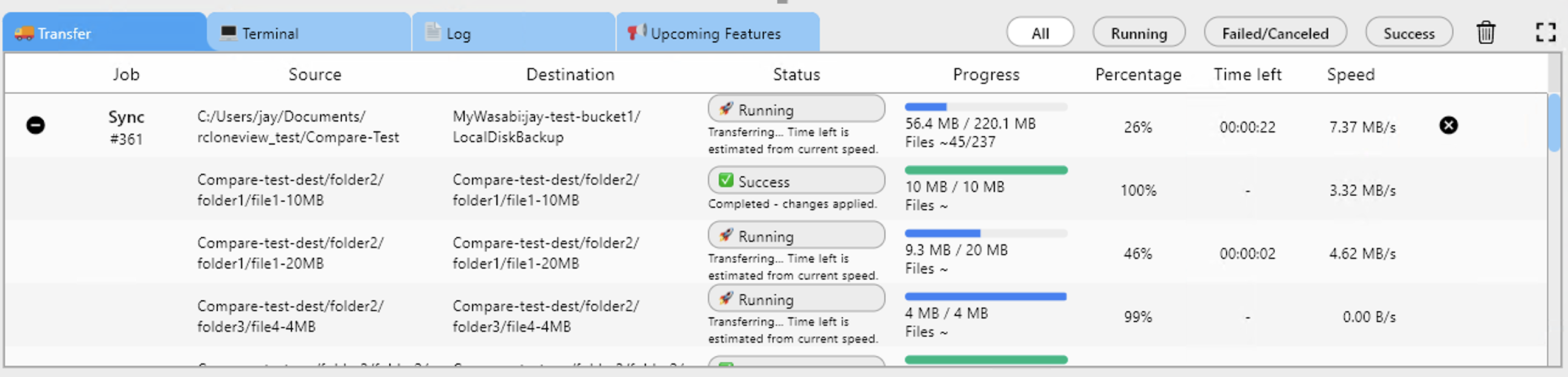
For studios that need both high-availability storage and cost-effective archival, RcloneView's 1:N sync feature is a standout capability. Configure a single sync job to push a build artifact or asset batch to multiple cloud destinations simultaneously — for example, to an Amazon S3 bucket for the QA team, a Backblaze B2 bucket for archival, and a regional cloud provider for an international studio partner.
This eliminates the need to write or maintain custom scripts for multi-destination distribution. All jobs are managed through the RcloneView Job Manager, with a shared Job History log that gives the studio technical director a clear overview of what was distributed, when, and to where.
Getting Started
- Download RcloneView from rcloneview.com.
- Add your primary cloud asset store (S3, Google Drive, or similar) and team member local paths as remotes.
- Create sync jobs for asset distribution using the Job Wizard with folder compare for review.
- Set up nightly build backup jobs with a PLUS license and configure email notifications for build status.
- Use 1:N sync to push assets and builds to multiple cloud targets in a single job run.
RcloneView removes the scripting overhead from game studio cloud operations, giving technical artists and build engineers a reliable, visual tool for one of their most repetitive workflows.
Related Guides:
- Cloud Storage for Music and Entertainment Industry with RcloneView
- Manage Digital Assets with Multi-Cloud and RcloneView
- One-to-Many Sync to Multiple Destinations with RcloneView
Supported Cloud Providers