Backup, Restore, and Migrate RcloneView Configuration — Complete Guide
Your RcloneView configuration contains valuable cloud storage connections and job settings. Protect this investment by backing up your configuration and restoring it quickly when needed.
RcloneView stores all your cloud storage connections, authentication credentials, and job configurations in a centralized settings file. Losing this configuration after a system failure, hardware failure, or during migration to new hardware means recreating all connections and jobs from scratch. RcloneView's configuration backup and restore features ensure you never lose your setup, and migration between machines becomes effortless.
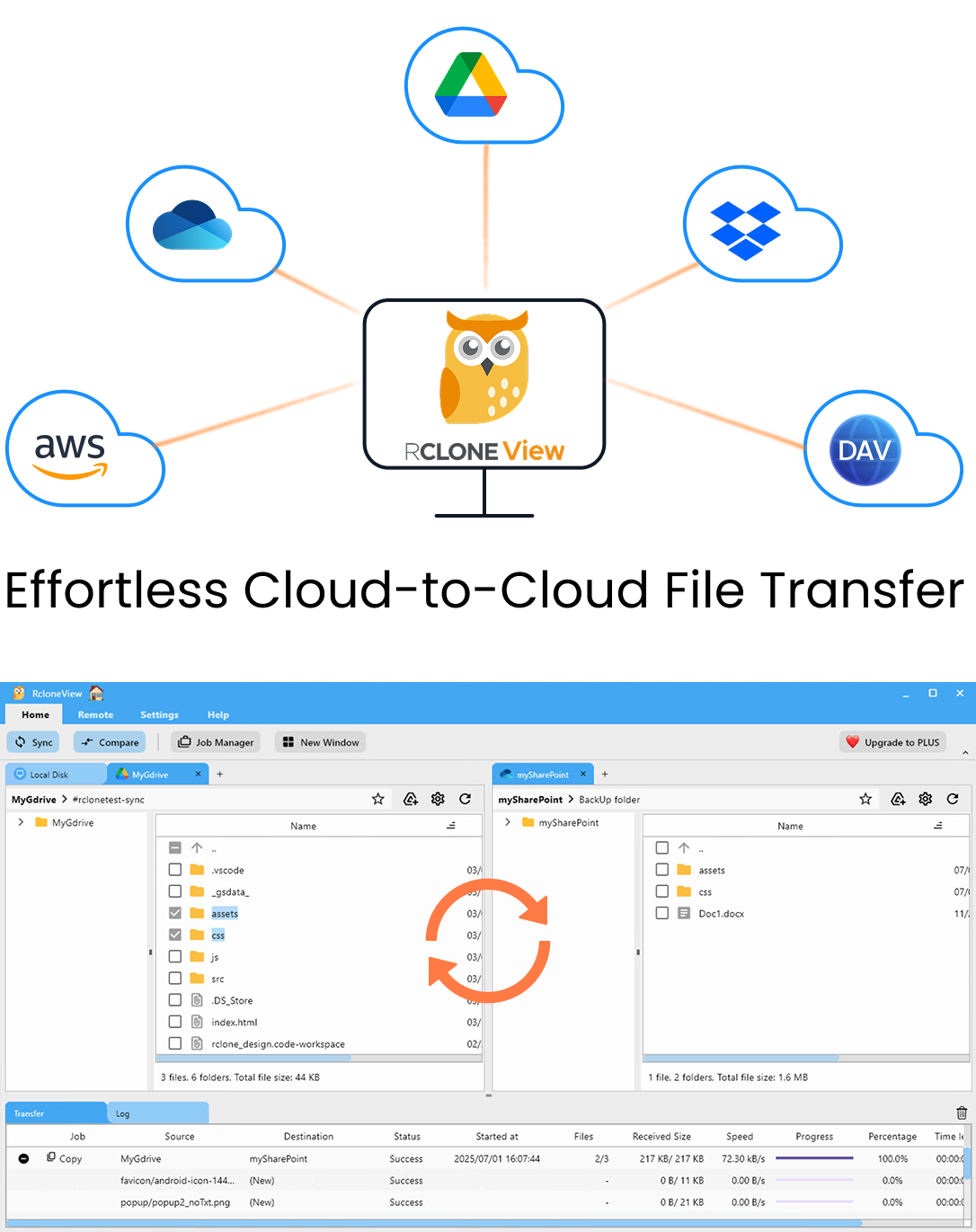
Manage & Sync All Clouds in One Place
RcloneView is a cross-platform GUI for rclone. Compare folders, transfer or sync files, and automate multi-cloud workflows with a clean, visual interface.
- One-click jobs: Copy · Sync · Compare
- Schedulers & history for reliable automation
- Works with Google Drive, OneDrive, Dropbox, S3, WebDAV, SFTP and more
Free core features. Plus automations available.
Understanding Your RcloneView Configuration
RcloneView stores configuration data in platform-specific locations. On Windows, your config file lives in %APPDATA%\RcloneView\config. On Linux, it's typically ~/.config/rcloneview/config. On macOS, it's in ~/Library/Application Support/RcloneView/config.
This single file contains all cloud provider credentials, remote definitions, job configurations, and application settings. Because it's sensitive data, RcloneView encrypts this file locally. Never share your config file or upload it to public storage without understanding the security implications.
Creating a Configuration Backup
RcloneView provides built-in backup functionality accessible through the Settings menu. Navigate to Settings → Backup Configuration, then choose a location on your computer or external drive for the backup file.
The backup file is encrypted and portable—you can copy it to cloud storage, external drives, or backup services. Create backups whenever you add important cloud storage connections or modify critical job configurations. Monthly backups provide adequate protection for most users; weekly backups suit organizations with frequent configuration changes.
Restoring Configuration After System Failure
If RcloneView encounters corruption, your system crashes, or you experience hardware failure, restoration is straightforward. After reinstalling RcloneView, access Settings → Restore Configuration, then select your backup file. RcloneView imports all remotes, credentials, and jobs instantly.
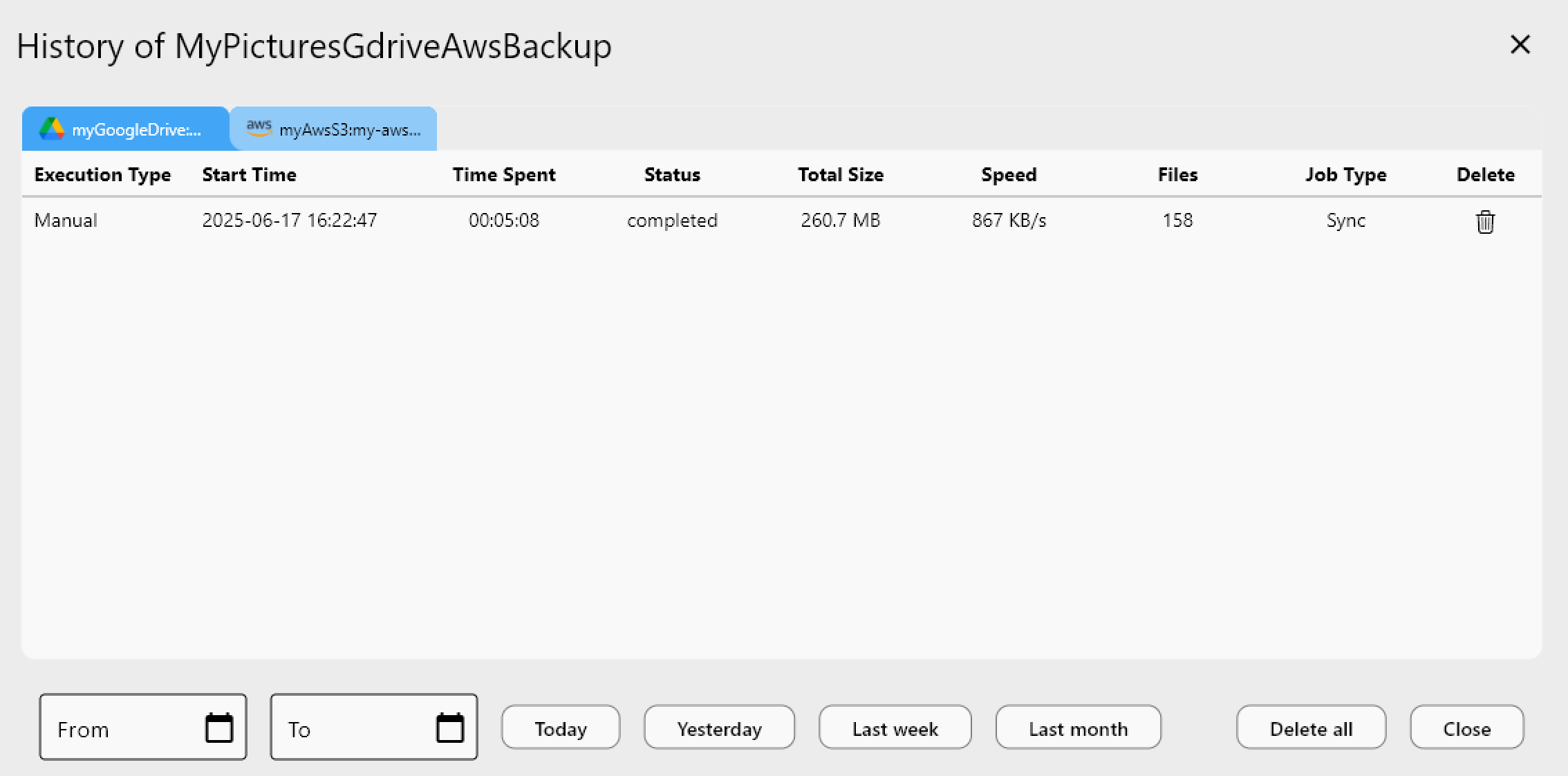
This restoration process is identical whether you're restoring on the same machine or a different computer. Your entire RcloneView environment—every cloud connection and scheduled job—becomes active within minutes, eliminating hours of manual reconfiguration.
Migrating RcloneView to a New Machine
When upgrading computers or transitioning to new hardware, migrate your RcloneView configuration to preserve your setup. Create a backup on your old machine, then transfer that backup file to your new computer using email, cloud storage, or a USB drive.
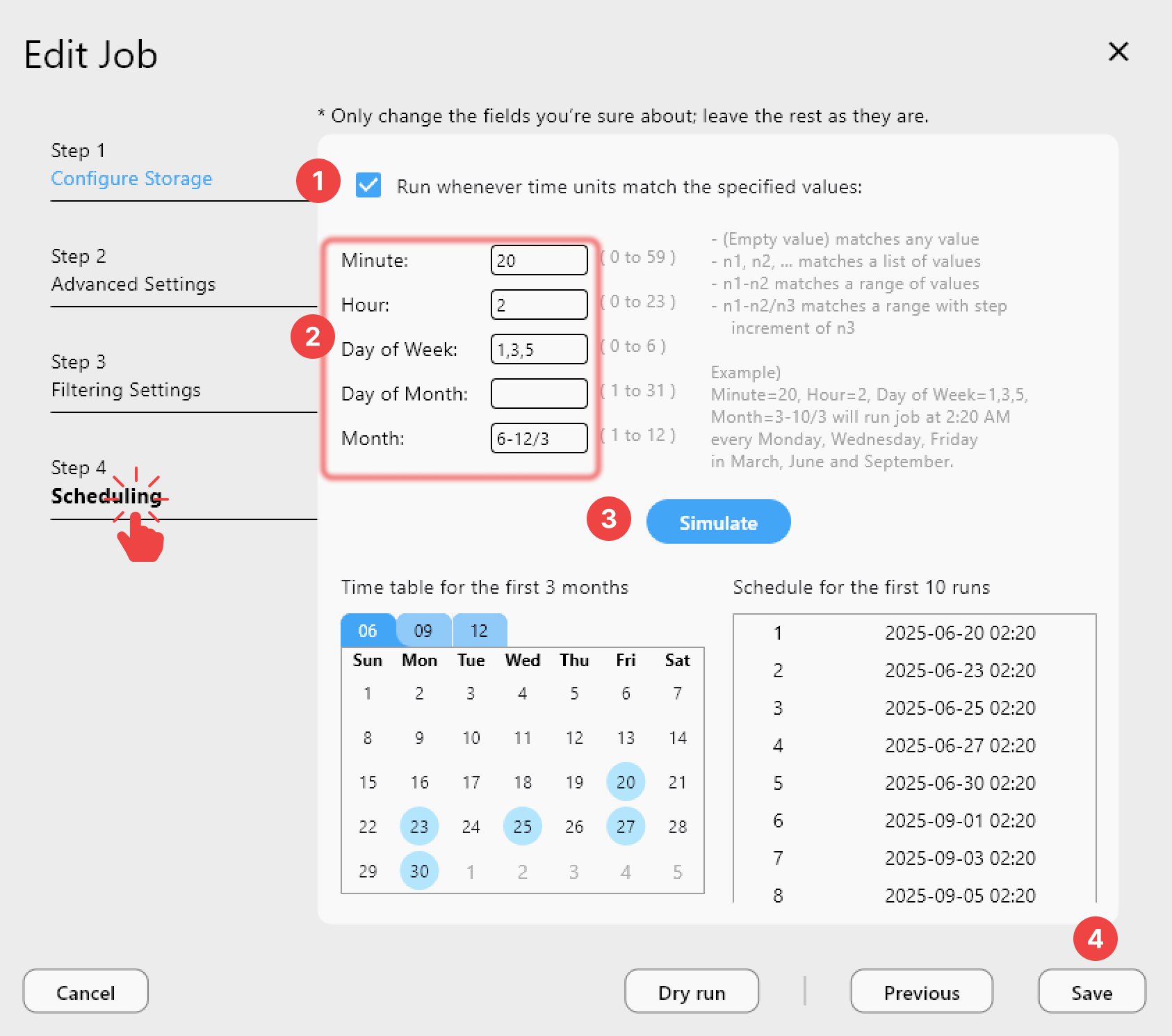
Install RcloneView on your new machine, then immediately restore from your backup. All your cloud storage connections, job definitions, and scheduling rules transfer seamlessly. Your new system is fully operational within minutes, and your cloud synchronization jobs resume on schedule.
Security Considerations for Configuration Backups
Because RcloneView configuration files contain encrypted credentials, treat backups as sensitive data. Store backup files in secure locations—external drives kept in secure storage, encrypted cloud services you control, or password-protected archives. Never email unencrypted backups or upload them to public file sharing services.
Getting Started
- Download RcloneView from rcloneview.com.
- Add your cloud storage connections and create your backup jobs.
- Navigate to Settings → Backup Configuration and create your first backup.
- Store the backup in a secure location separate from your primary computer.
Configuration backups protect your RcloneView investment and ensure business continuity through system failures and hardware migrations. Establish a regular backup routine and maintain copies in secure locations.
Related Guides:
- Remote Management: Add, Edit, and Delete Cloud Connections
- Debug and Troubleshoot RcloneView Transfers
- Use Alias Remotes for Shortcuts and Path Management
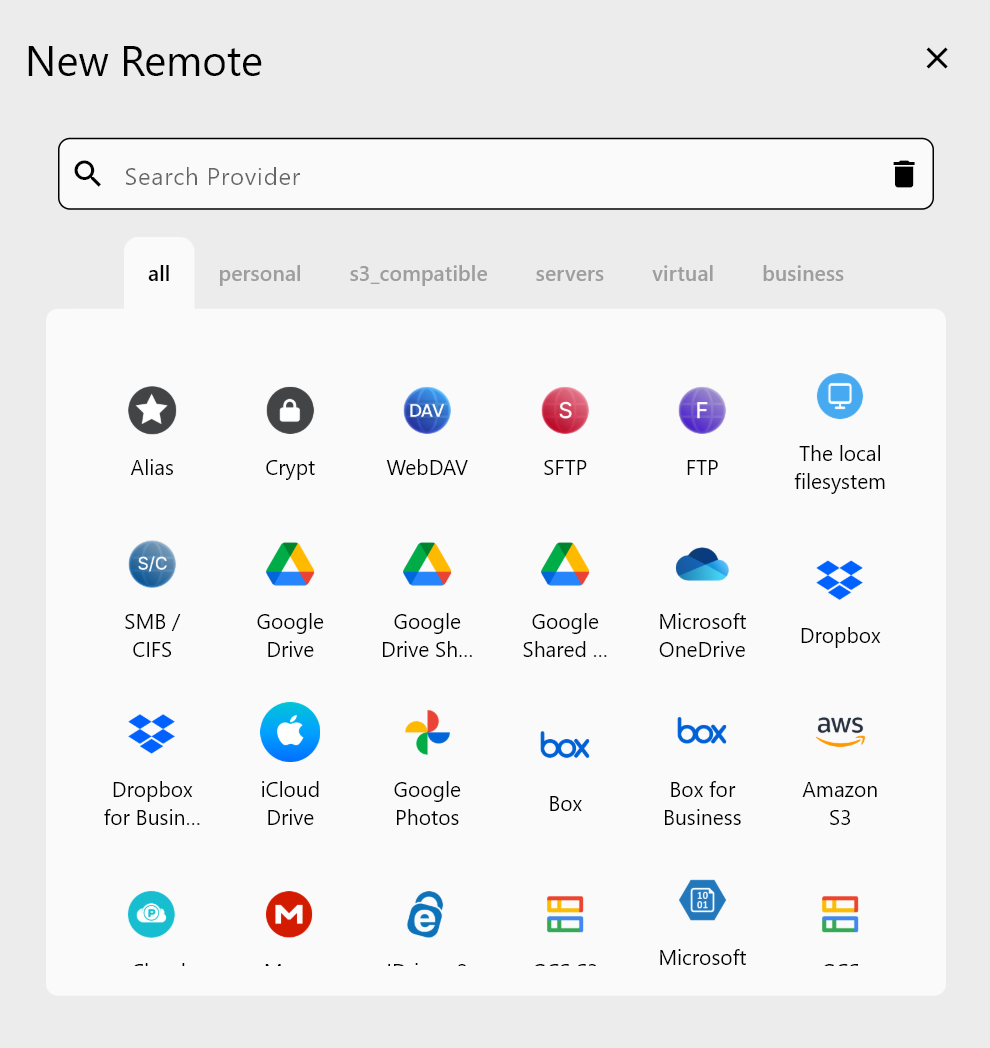
Supported Cloud Providers