Fix HiDrive Sync Errors — Reliable Cloud Backup with RcloneView

Stalled uploads, expired sessions, and silent sync failures on HiDrive usually trace back to a handful of fixable causes — here's how to diagnose and resolve them in RcloneView.
HiDrive users backing up photos, documents, or business files often hit sync jobs that stop mid-transfer or fail to authenticate after weeks of inactivity. These issues are rarely caused by the storage itself — they're almost always a token, timing, or filtering mismatch that RcloneView can surface and fix directly from its interface. RcloneView also syncs and compares folders on HiDrive — on the FREE license, no upgrade required.
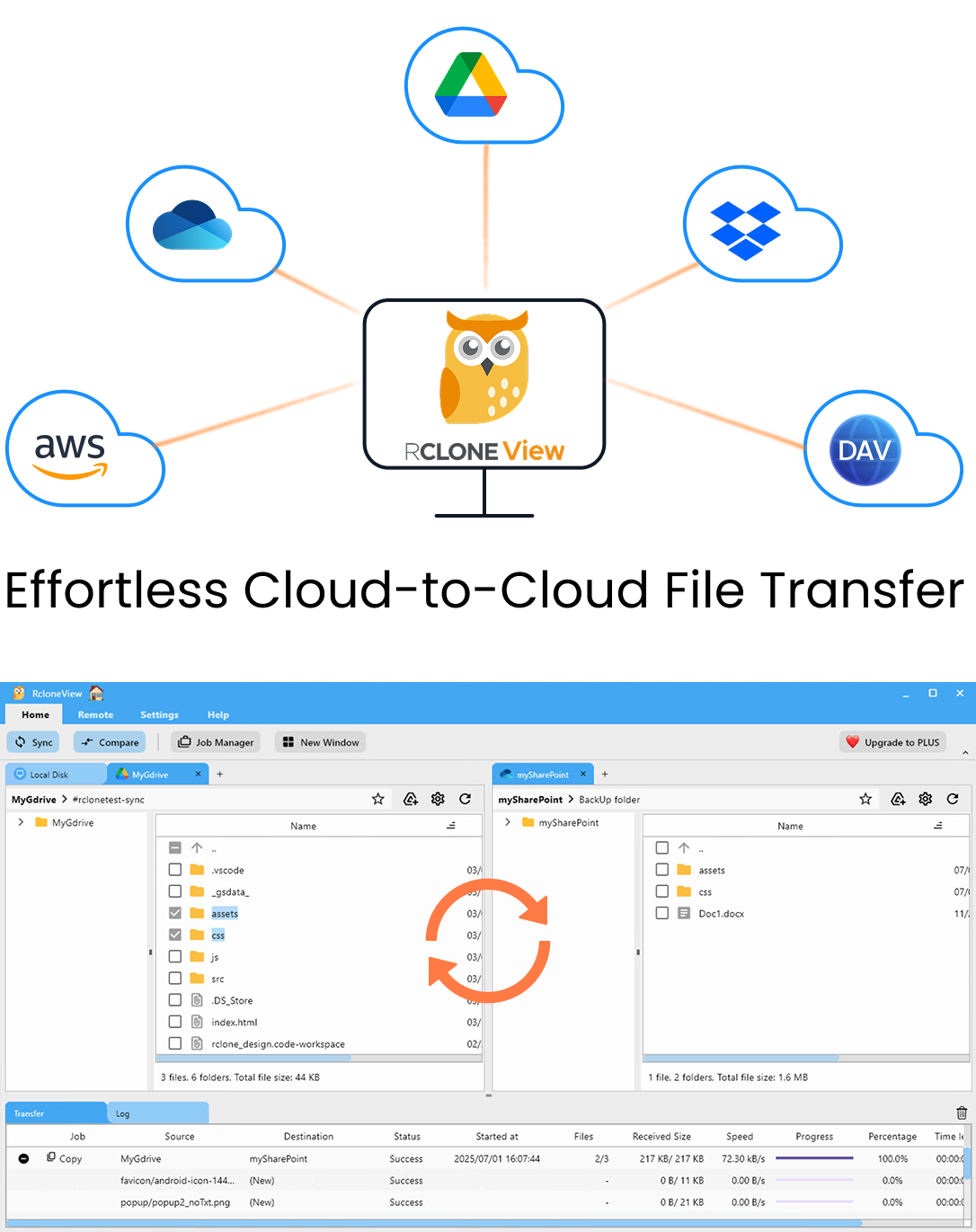
Manage & Sync All Clouds in One Place
RcloneView is a cross-platform GUI for rclone. Compare folders, transfer or sync files, and automate multi-cloud workflows with a clean, visual interface.
- One-click jobs: Copy · Sync · Compare
- Schedulers & history for reliable automation
- Works with Google Drive, OneDrive, Dropbox, S3, WebDAV, SFTP and more
Free core features. Plus automations available.
Diagnosing the Root Cause
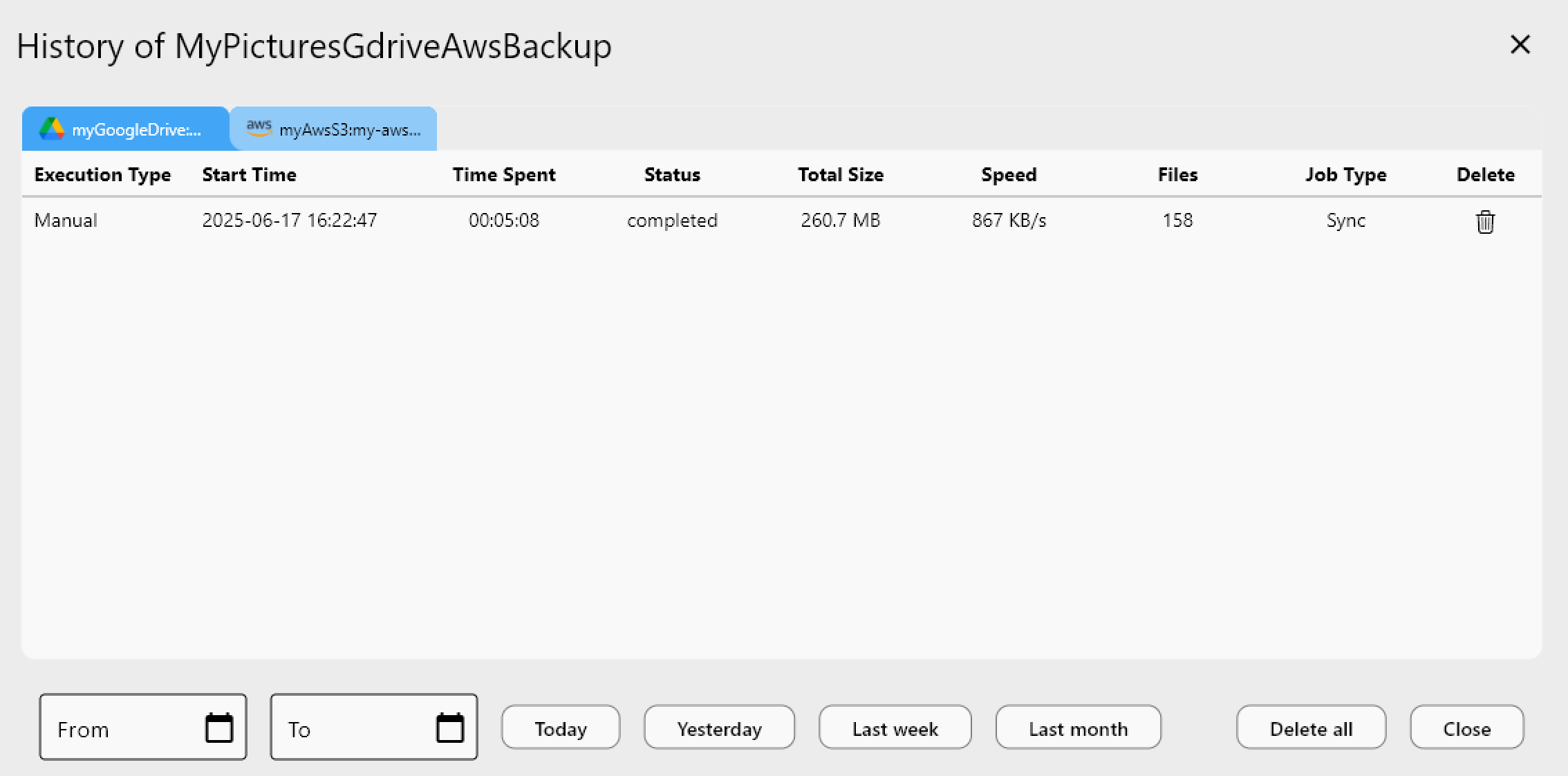
HiDrive connects to RcloneView through OAuth browser login, and most sync errors fall into three categories: expired authorization, transient network drops, or filter misconfiguration. Start by opening the Job History panel in the Job Manager — each failed run logs its status as Completed, Errored, or Canceled, along with the exact time spent and files transferred before the failure occurred.
If the error appears at the very start of a job, it's typically an authorization problem. If files transfer partway through before stopping, it's more likely a network timeout or a large-file interruption. Checking which pattern you're seeing narrows the fix considerably before you touch any settings.
Re-Authenticating and Adjusting Retry Behavior
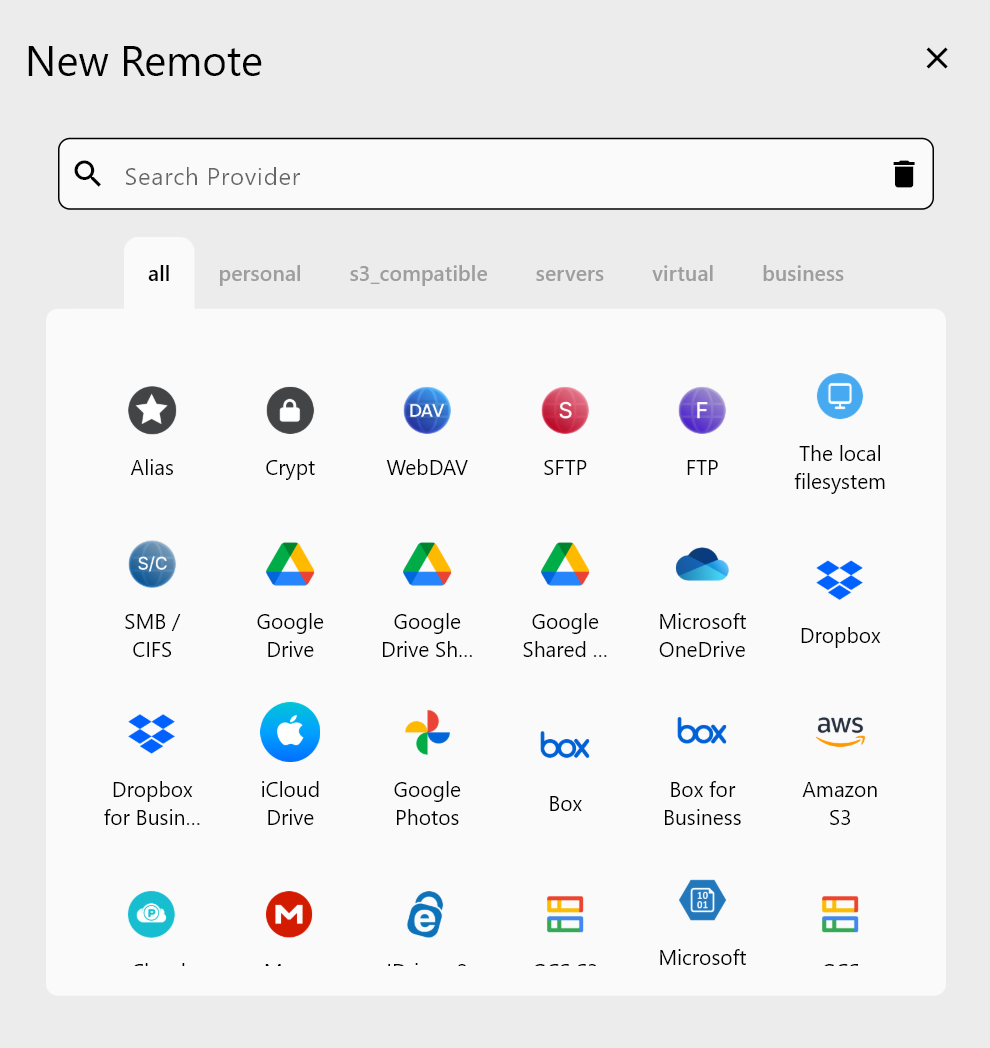
When a HiDrive session expires, re-adding the remote through Remote Manager and completing the browser login again restores the connection without deleting existing job configurations. Once reconnected, revisit Step 2: Advanced Settings in the sync wizard and confirm Retry entire sync if fails is set above 1 — the default of 3 automatically re-attempts a failed job instead of leaving it stuck in an errored state.
For folders with many small files, also lower the Number of equality checkers to 4 or fewer, since slower backends like HiDrive can time out when RcloneView checks too many files concurrently. Enabling checksum comparison instead of relying on modification time alone also prevents false-positive "changed file" errors that trigger unnecessary re-uploads.
Running a Dry Run Before Committing Changes
Before re-running a large HiDrive sync after a fix, use Dry Run to simulate the job. It lists exactly which files will be copied or deleted without making any changes, which is the fastest way to confirm your retry and filter settings actually resolved the error rather than masking it. This step is especially useful after adjusting max file age or custom filter rules, since a misconfigured filter can silently exclude files you expect to sync.
If the error persists after these steps, enable rclone Logging in Settings > Embedded Rclone, set the log level to DEBUG, restart the embedded rclone process, and reproduce the failure — the resulting log file pinpoints the exact API response HiDrive returned.
Getting Started
- Download RcloneView from rcloneview.com.
- Open Job History and identify whether the HiDrive error occurs at start or mid-transfer.
- Re-authenticate the HiDrive remote and adjust retry, checksum, and equality checker settings.
- Run a Dry Run to confirm the fix before executing the full sync.
A reliable HiDrive backup routine comes down to catching these small misconfigurations early, and RcloneView's job history and dry run tools make that diagnosis straightforward.
Related Guides:
- Manage HiDrive Storage — Sync and Backup Files with RcloneView
- Fix Cloud OAuth Token Expired — How to Resolve with RcloneView
- Troubleshoot Rclone Errors — How to Resolve with RcloneView
Supported Cloud Providers