Manage HiDrive Storage — Sync and Backup Files with RcloneView
RcloneView brings full GUI control to HiDrive, letting you browse, sync, back up, and schedule transfers without ever opening a command line.
HiDrive, offered by STRATO and operated across European data centers, is a popular choice for privacy-conscious users and businesses subject to GDPR. Managing HiDrive programmatically with rclone has always been possible, but RcloneView wraps that power in a clean interface — making file transfers, scheduled backups, and cross-cloud syncs accessible to anyone on Windows, macOS, or Linux.
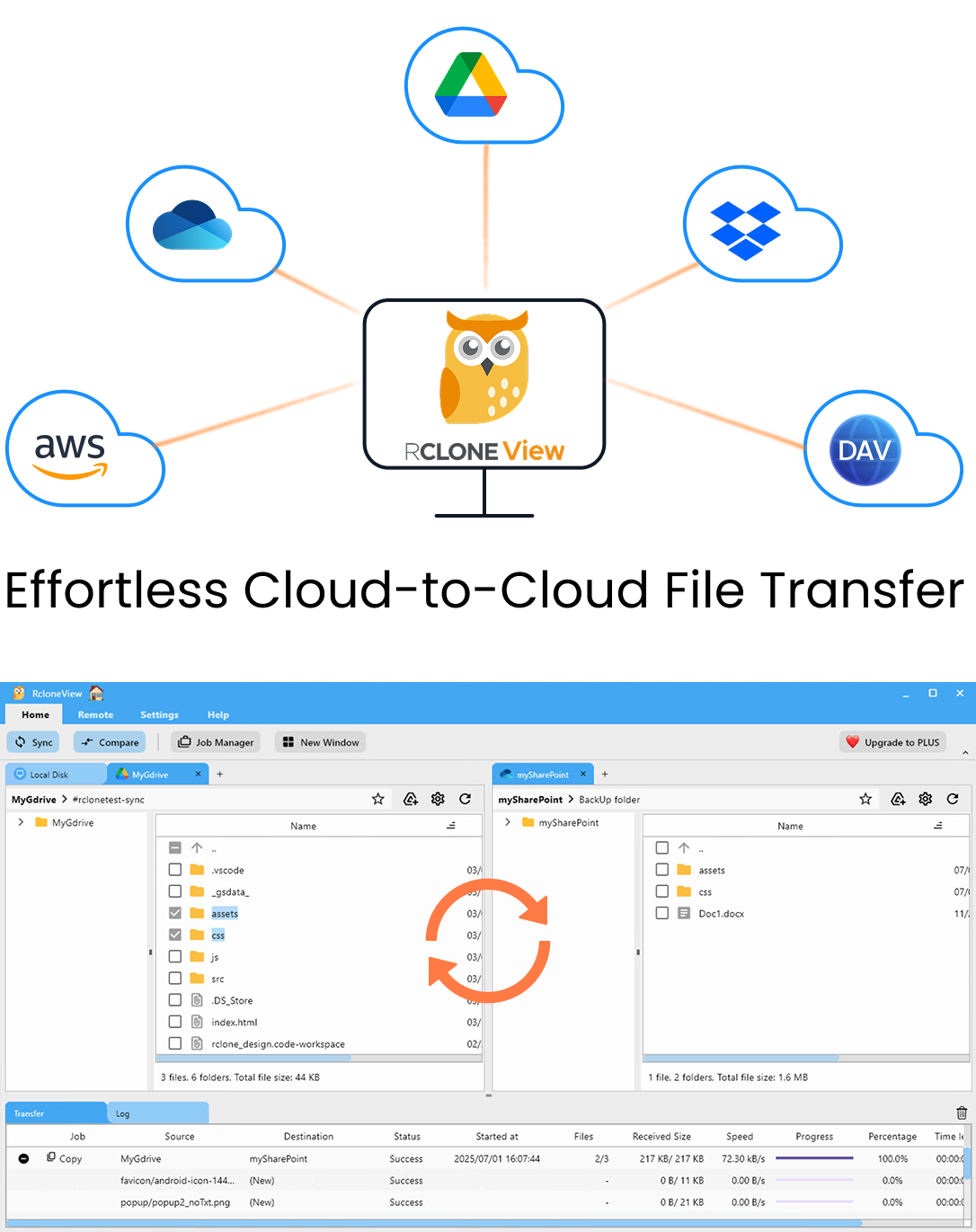
Manage & Sync All Clouds in One Place
RcloneView is a cross-platform GUI for rclone. Compare folders, transfer or sync files, and automate multi-cloud workflows with a clean, visual interface.
- One-click jobs: Copy · Sync · Compare
- Schedulers & history for reliable automation
- Works with Google Drive, OneDrive, Dropbox, S3, WebDAV, SFTP and more
Free core features. Plus automations available.
Connecting HiDrive to RcloneView
Adding HiDrive as a remote in RcloneView is straightforward. Click Remote tab → New Remote, scroll to HiDrive in the provider list, and follow the OAuth browser login. RcloneView opens your default browser, you authenticate with your STRATO credentials, and the remote is saved automatically — no token copying required.
Once connected, your HiDrive folders appear instantly in the Explorer panel. You can open multiple tabs to compare a local folder against your HiDrive backup, or split the view to show HiDrive alongside another cloud like Amazon S3.
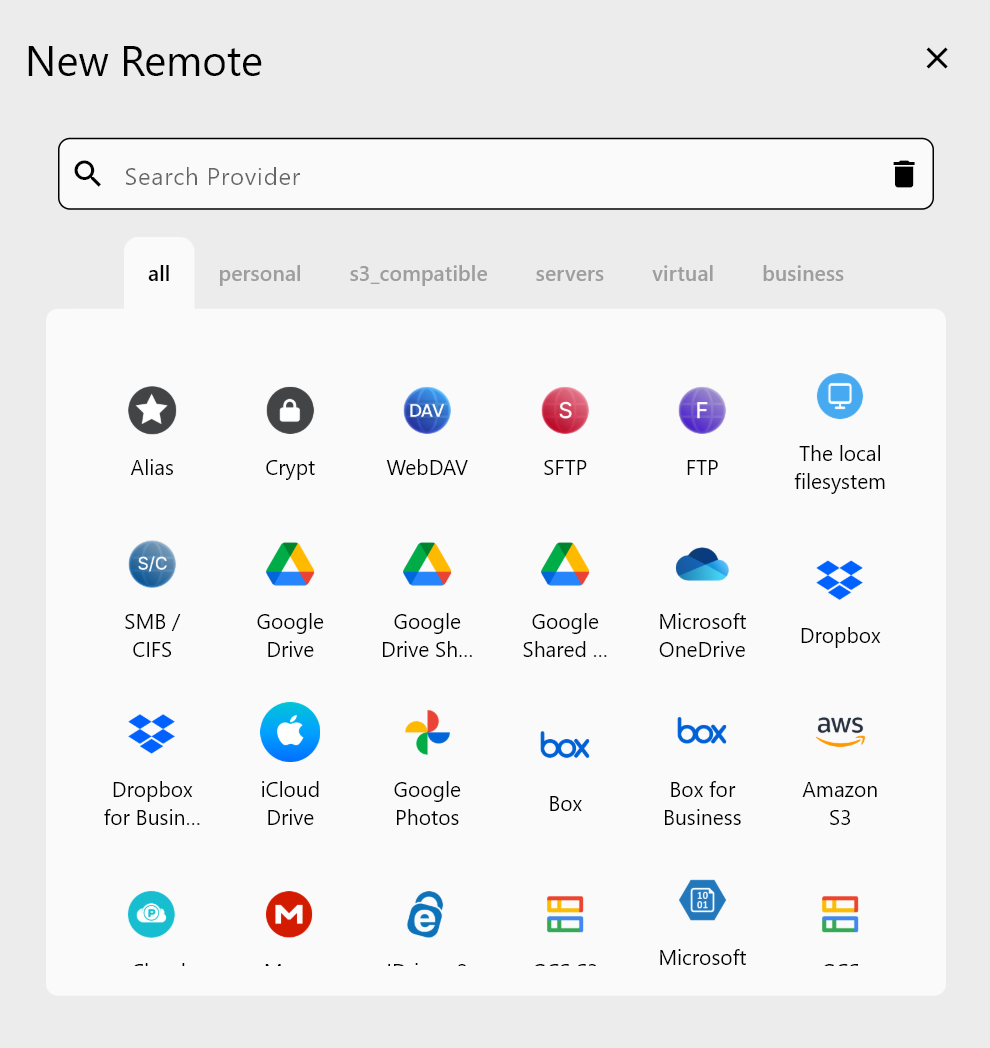
HiDrive supports standard file operations through RcloneView: upload, download, rename, delete, new folder, and public link generation. Drag and drop files from Windows Explorer directly into the HiDrive Explorer panel to upload, or drag between panels to trigger a cloud-to-cloud copy.
Scheduling Automated HiDrive Backups
For businesses storing project archives or client deliverables on HiDrive, automated backups are essential. RcloneView's Job Manager (PLUS license) lets you configure crontab-style schedules — for example, a nightly sync of a local D:\Projects folder to hidrive:Backups/Projects every day at 2:00 AM.
The 4-step sync wizard walks you through source and destination selection, transfer concurrency settings, file filters, and the schedule. Enable checksum verification in Step 2 to confirm file integrity byte-by-byte rather than relying on modification times alone — important when syncing to a European server where timezone differences can cause false mismatches.
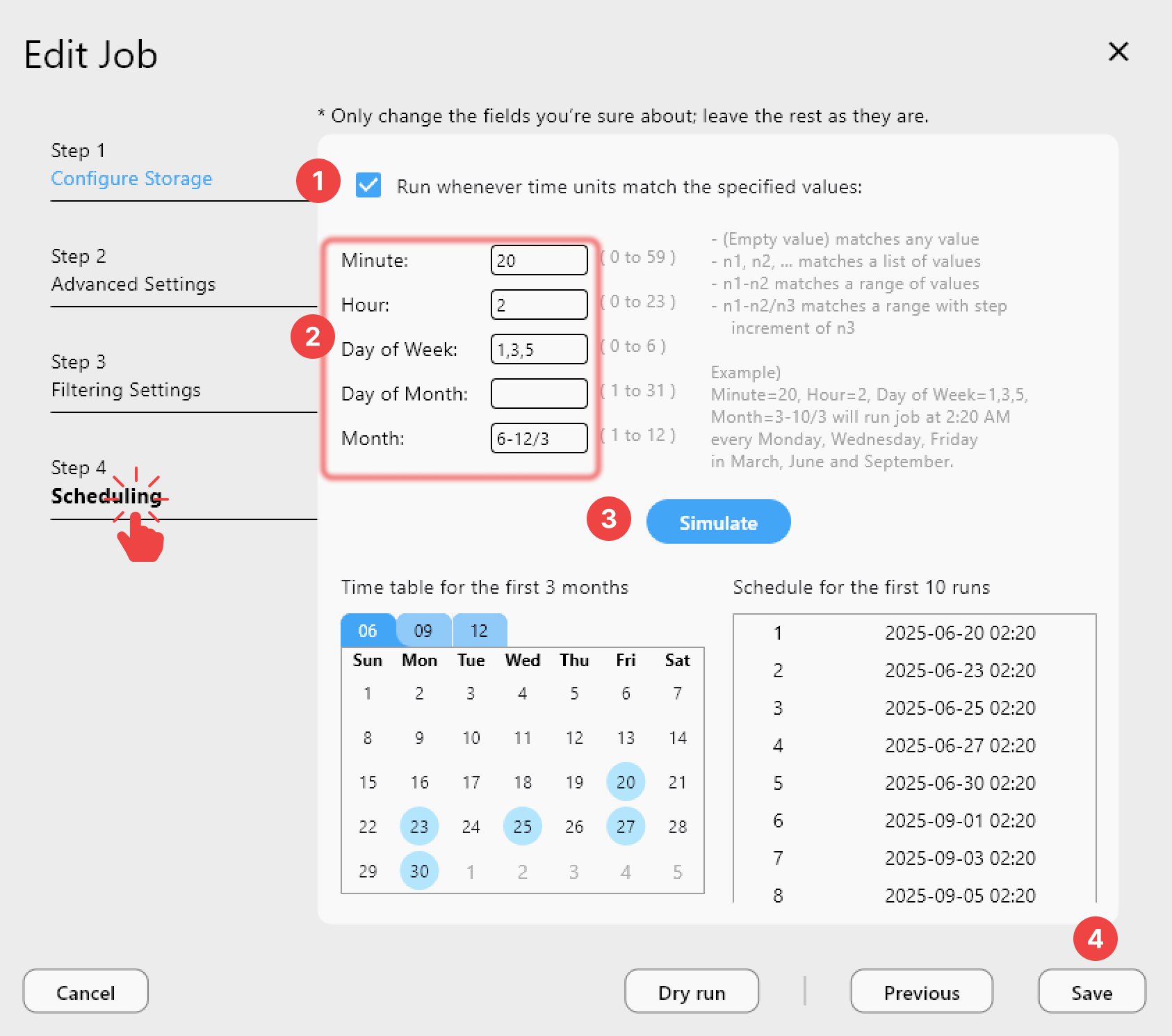
Use the Dry Run option before the first live sync to preview exactly which files will be copied or deleted. This is especially valuable when setting up a one-way sync where destination files can be overwritten.
Monitoring Transfers and Job History
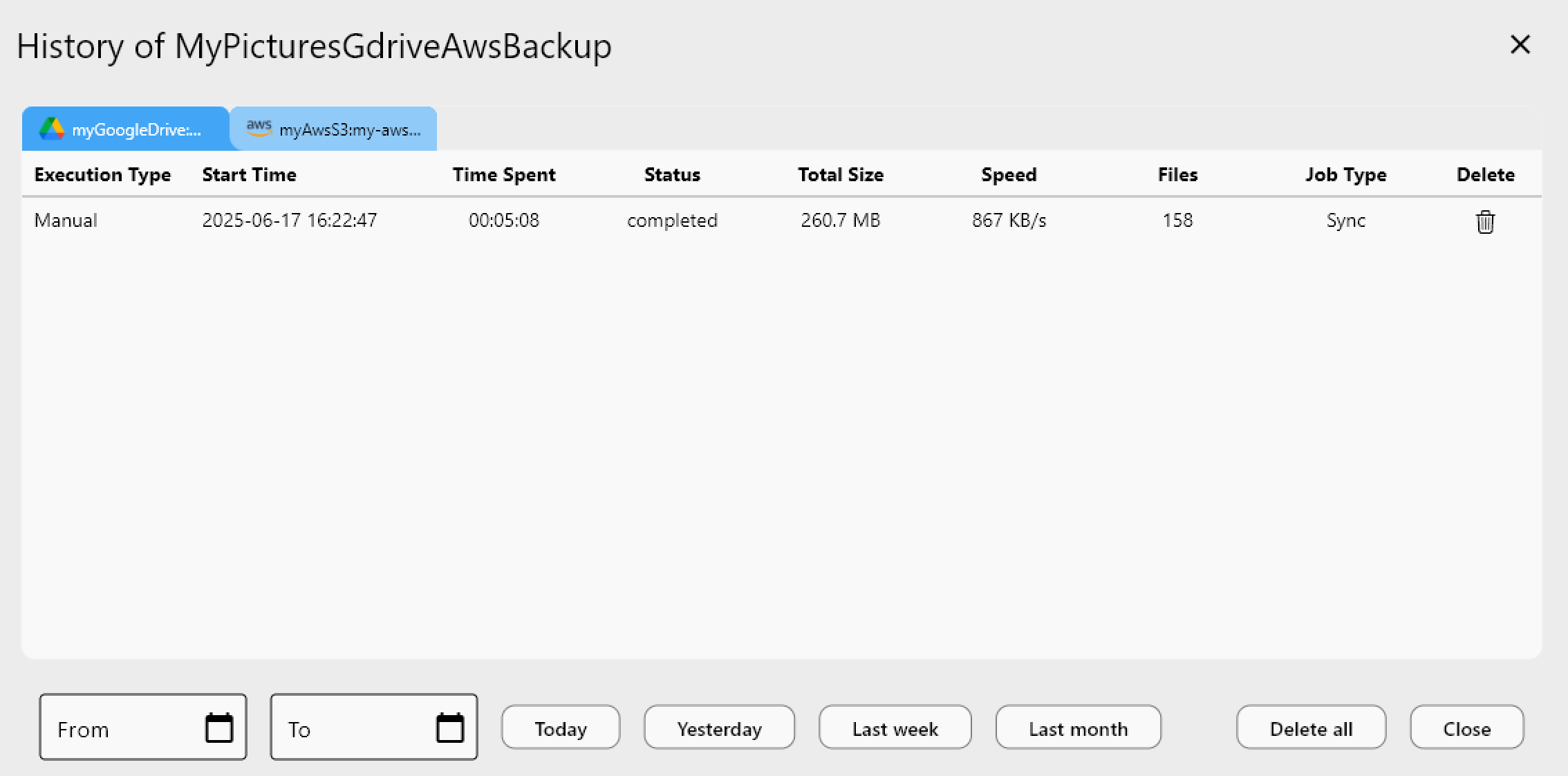
RcloneView's bottom Transferring tab gives you real-time visibility into active HiDrive transfers: file count, transfer speed, bytes moved, and elapsed time. If a job fails due to a network hiccup, RcloneView retries automatically (default: 3 retries).
The Job History tab stores a complete log of past runs — execution type (manual or scheduled), start time, duration, status, and total size transferred. For compliance teams that need to demonstrate regular data protection activity, this audit trail is immediately useful.
Getting Started
- Download RcloneView from rcloneview.com.
- Open RcloneView and click Remote tab → New Remote, select HiDrive, and complete OAuth login.
- Use the Explorer panel to browse your HiDrive folders and verify the connection.
- Open Job Manager, create a new Sync job from your local drive to HiDrive, and set a schedule.
With RcloneView, HiDrive becomes a fully managed part of your backup strategy — scheduled, monitored, and verified automatically.
Related Guides:
- Manage OneDrive Storage — Sync and Backup Files with RcloneView
- Manage Jottacloud — Cloud Sync and Backup with RcloneView
- Automate Daily Cloud Backups with RcloneView
Supported Cloud Providers