Fix iCloud Drive Sync Errors — How to Resolve with RcloneView
iCloud Drive support in rclone requires a specific setup. Here's how to diagnose authentication failures, version mismatches, and connection errors when using iCloud with RcloneView.
iCloud Drive is one of the more complex cloud providers to configure with rclone because Apple's authentication relies on Apple ID credentials and may involve two-factor authentication challenges. RcloneView handles this through the embedded rclone backend, but getting iCloud working correctly requires meeting a few prerequisites. This guide walks you through the most common failure points.
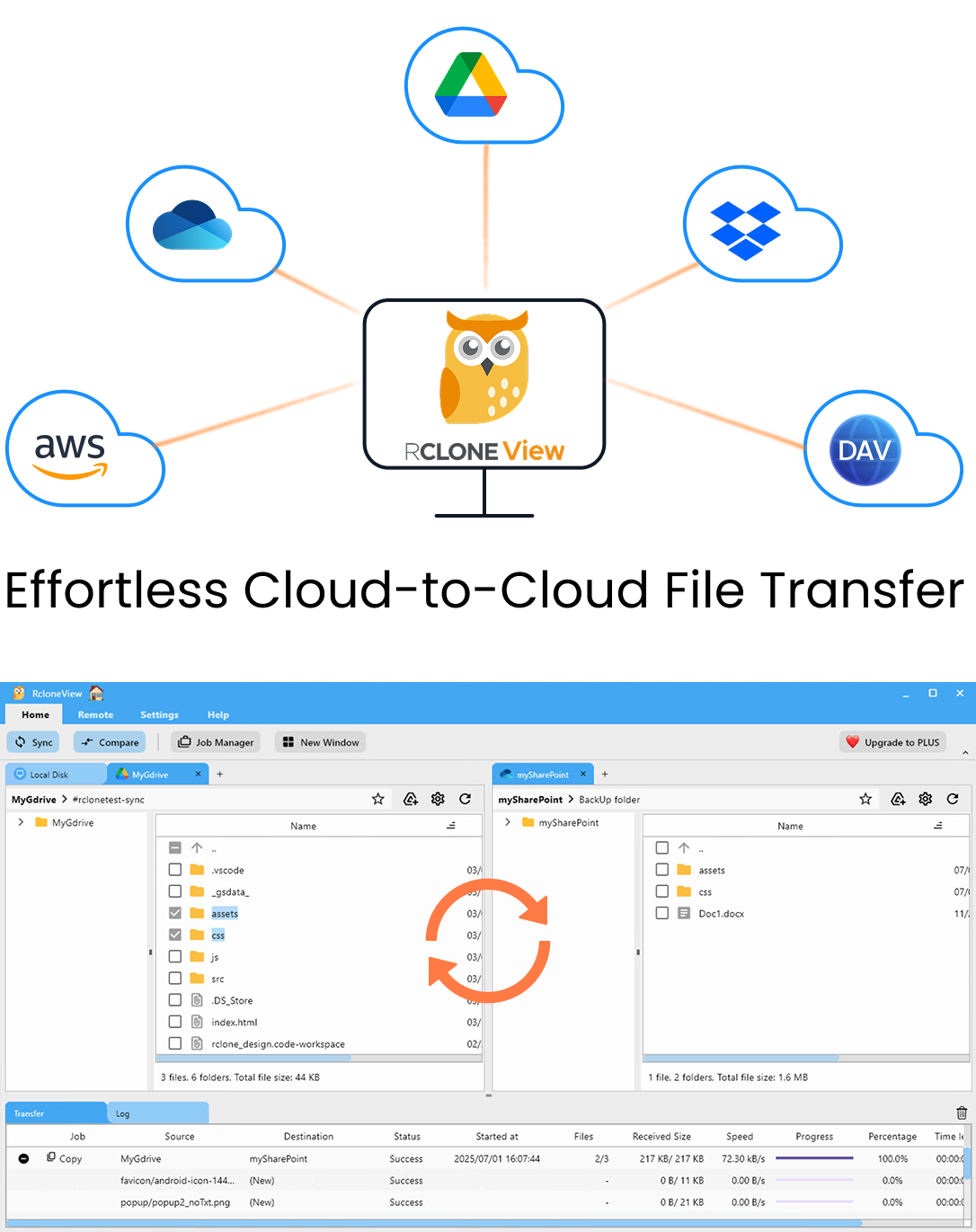
Manage & Sync All Clouds in One Place
RcloneView is a cross-platform GUI for rclone. Compare folders, transfer or sync files, and automate multi-cloud workflows with a clean, visual interface.
- One-click jobs: Copy · Sync · Compare
- Schedulers & history for reliable automation
- Works with Google Drive, OneDrive, Dropbox, S3, WebDAV, SFTP and more
Free core features. Plus automations available.
Prerequisite: rclone v1.69 or Later Required
iCloud Drive support was introduced in rclone v1.69. If you see an error like unknown provider type: iclouddrive or remote type not found, your embedded rclone version is too old. In RcloneView, check the current rclone version in the footer bar at the bottom of the window. If it shows a version older than v1.69.1, use the Help tab → Check for Updates to update to the latest embedded rclone.
RcloneView ships with a modern embedded rclone binary, but if you're running an older installation, triggering a self-update resolves this class of errors entirely.
Authentication Failures and Apple ID 2FA
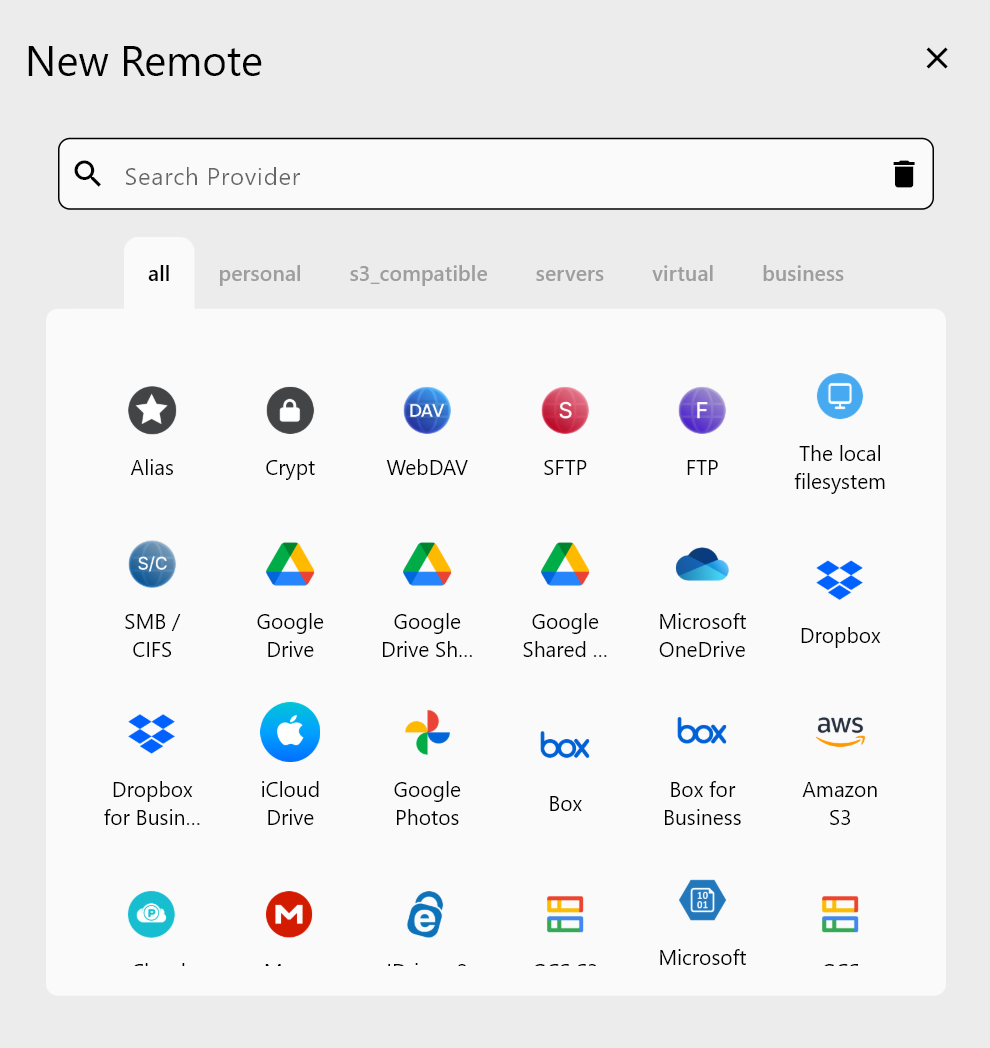
When adding iCloud Drive via Remote tab → New Remote, RcloneView prompts for your Apple ID (email) and password. If you use two-factor authentication — which Apple now requires for most accounts — you'll also be prompted for the 2FA code that appears on your trusted Apple device. Enter it when prompted during the remote configuration wizard.
Common errors at this stage include INVALID_EMAIL (verify your Apple ID email address is correct), AUTHENTICATION_FAILED (app-specific passwords may be required if your Apple account has enhanced security), and timeout errors if the 2FA prompt isn't answered quickly. If Apple enforces app-specific passwords for your account, generate one at appleid.apple.com and use it in place of your regular password.
Slow Listing or Partial File Visibility
iCloud Drive uses on-demand storage, meaning files may be stored only in iCloud and not downloaded locally. When browsing via rclone, files not yet locally cached on the Mac may appear with limited metadata or take longer to list. This is normal behavior — iCloud must retrieve file metadata from Apple's servers.
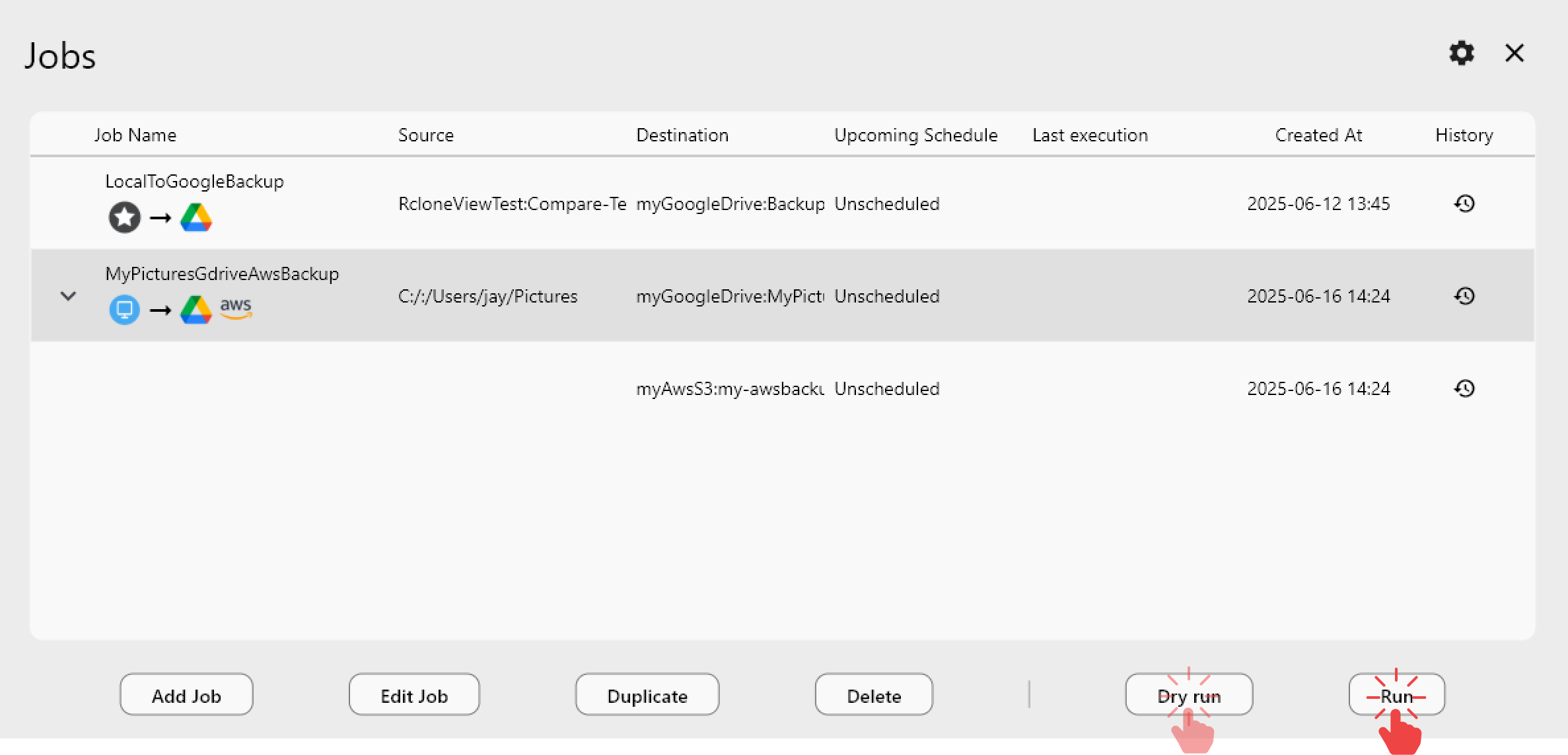
If folder listings appear incomplete, try refreshing the panel (F5 or Reload from the right-click menu). For large iCloud libraries, set the Number of equality checkers to a lower value (2–4) in job settings to reduce the rate at which rclone hammers the iCloud API during comparison operations.
Getting Started
- Download RcloneView from rcloneview.com.
- Verify your embedded rclone version is v1.69.1 or later via the footer bar.
- Use your Apple ID and 2FA code (or app-specific password) when configuring the remote.
- Reduce checker concurrency if you experience slow listing or timeouts.
Once configured correctly, iCloud Drive integrates smoothly into your RcloneView workflow for backup and cross-cloud transfers.
Related Guides:
- Manage iCloud Drive Cloud Sync with RcloneView
- Fix macOS Too Many Open Files Error in RcloneView
- RcloneView on macOS Sonoma — Cloud Sync and Backup
Supported Cloud Providers