RcloneView on macOS Sonoma — Cloud Storage Sync and Backup
RcloneView's Universal binary runs natively on macOS Sonoma — supporting both Intel and Apple Silicon Macs — with full cloud sync, mount, and scheduling capabilities right out of the box.
macOS Sonoma brings refinements to file management, privacy controls, and security permissions that affect how cloud storage applications interact with the filesystem. RcloneView, distributed as a Universal binary (.dmg) supporting both Intel and Apple Silicon Macs, runs natively on macOS Sonoma with full mount, sync, and backup capabilities. Here's everything you need to know to get it running optimally.
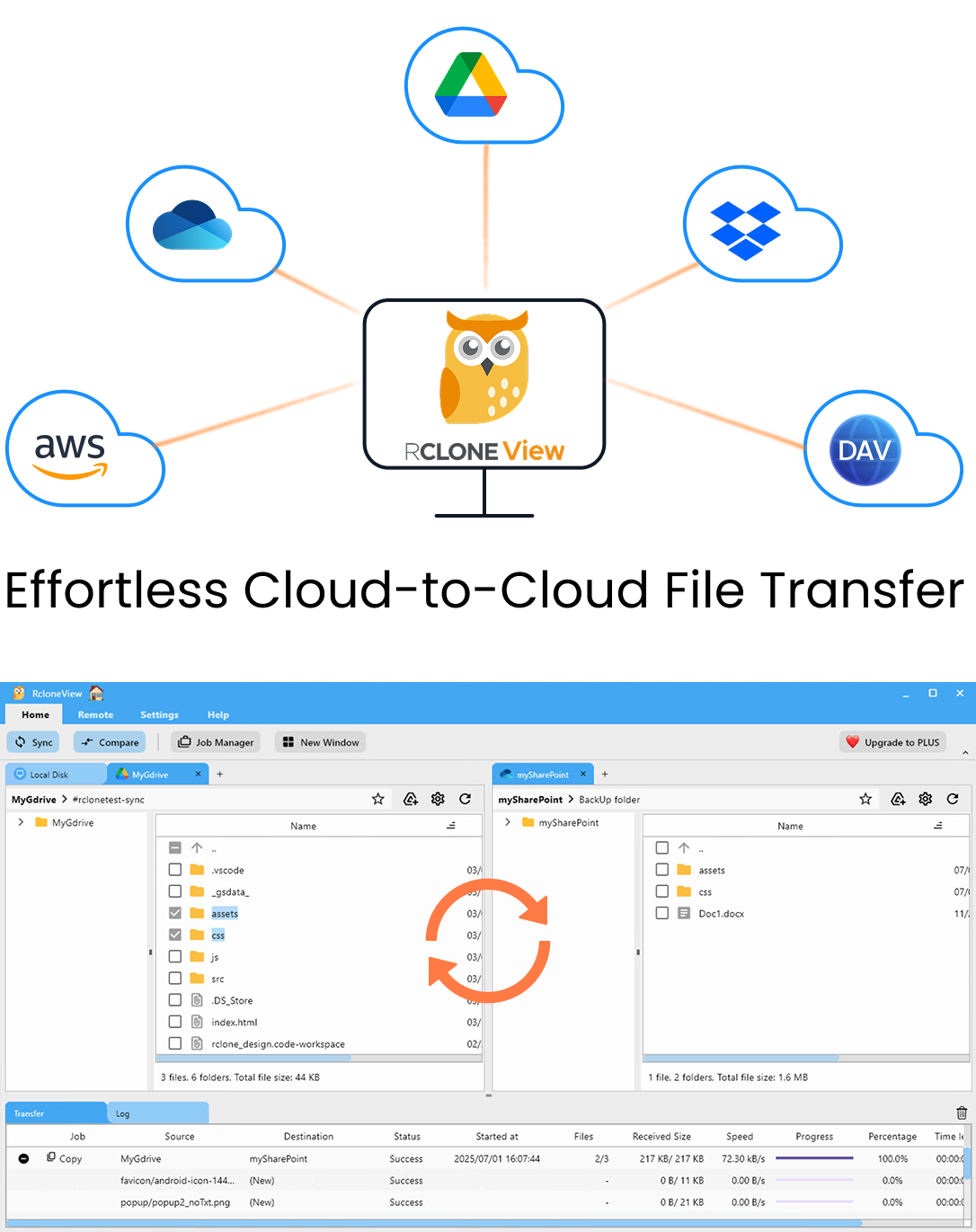
Manage & Sync All Clouds in One Place
RcloneView is a cross-platform GUI for rclone. Compare folders, transfer or sync files, and automate multi-cloud workflows with a clean, visual interface.
- One-click jobs: Copy · Sync · Compare
- Schedulers & history for reliable automation
- Works with Google Drive, OneDrive, Dropbox, S3, WebDAV, SFTP and more
Free core features. Plus automations available.
Installation on macOS Sonoma
Download the RcloneView .dmg from rcloneview.com. The Universal binary supports both x86-64 (Intel) and ARM64 (Apple Silicon M1/M2/M3/M4) Macs in a single installer package. Open the .dmg, drag RcloneView to the Applications folder, and launch it.
On first launch, macOS Sonoma may display a Gatekeeper security prompt. Since RcloneView is notarized and code-signed by Apple, you can proceed through System Settings > Privacy & Security if prompted. The app ships with an embedded rclone binary — no separate rclone installation is required, and the app connects immediately after launch.
macOS-Specific Configuration
macOS Sonoma enforces strict filesystem privacy permissions. If RcloneView needs to access Desktop, Documents, or Downloads folders for sync jobs, grant access in System Settings > Privacy & Security > Files & Folders > RcloneView. Without this permission, those directories appear empty in the file explorer even though files exist — a common source of confusion on fresh installs.
For external SSD and USB drives that don't appear in RcloneView's local explorer, navigate to /Volumes in the path bar to find them. Creating an Alias remote pointing to the drive's /Volumes path provides permanent, convenient access from the explorer panel.
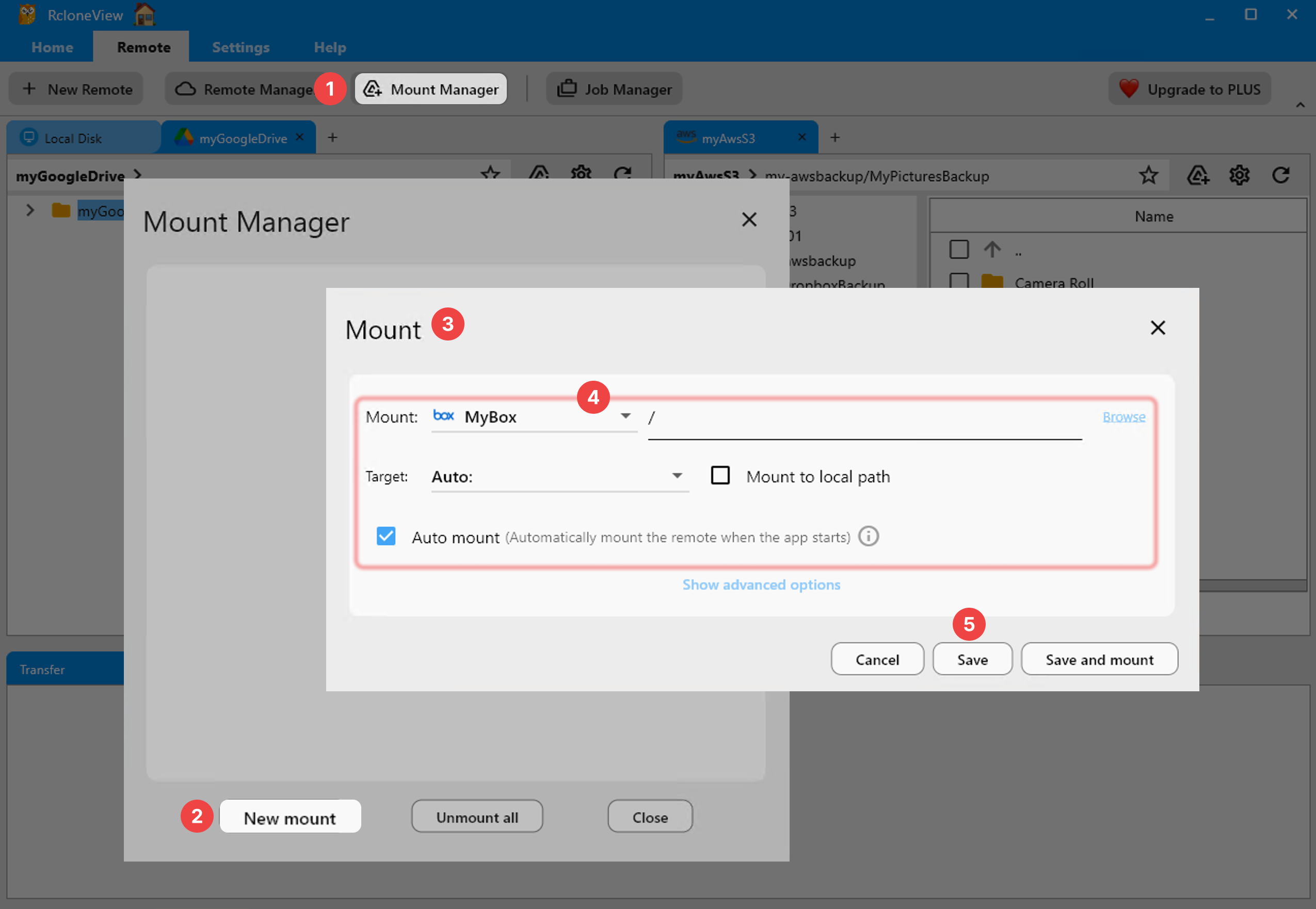
The nfsmount mount type is used on macOS for mounting cloud storage as local drives. Mounted remotes appear in Finder as network volumes — accessible from all applications, not just RcloneView. VFS cache mode defaults to "writes," which balances responsiveness with data safety for general use.
Maximizing Performance for Mounts
macOS's default file handle limit (256–1024) causes issues when browsing large cloud directories through a mounted drive. To raise the limit, create a LaunchDaemon plist at /Library/LaunchDaemons/limit.maxfiles.plist setting both soft and hard limits to 524288, then reboot. This is especially important for mounting large Google Drive or OneDrive remotes — without it, the Finder may report errors when navigating deeply nested folders.
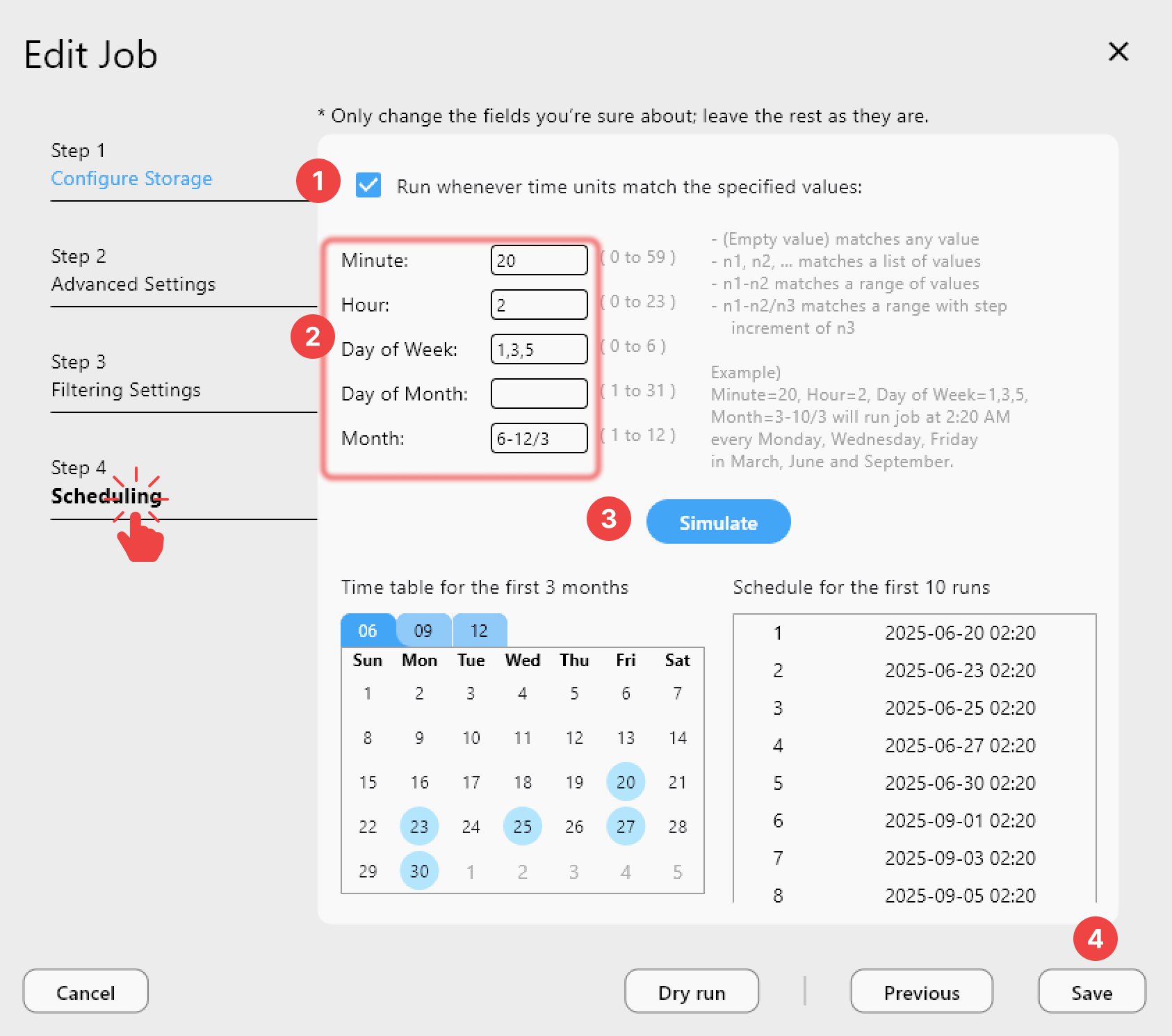
Scheduling features (PLUS license) work fully on macOS — scheduled jobs run in the background even when RcloneView is minimized to the Dock or Menu Bar. The system tray icon provides quick access to mount status and active job monitoring without opening the main window.
Getting Started
- Download RcloneView
.dmgfrom rcloneview.com and install to Applications. - Grant necessary filesystem permissions in System Settings > Privacy & Security.
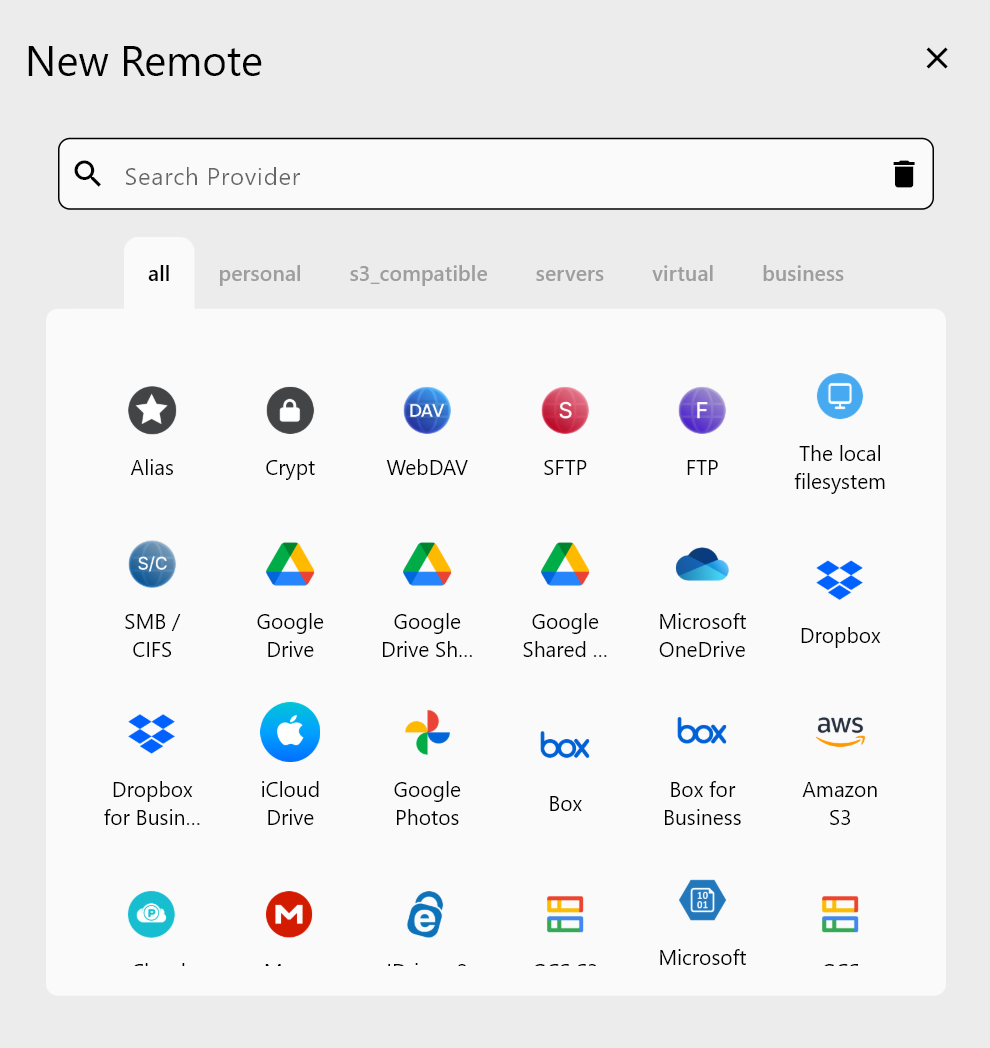
- Add your cloud remotes (Google Drive, Dropbox, S3) via Remote tab > New Remote.
- Configure file handle limits for optimal mount performance if mounting large cloud drives.
RcloneView on macOS Sonoma delivers the full feature set — cloud sync, mount, scheduling, and multi-panel management — with native Apple Silicon performance and Sonoma compatibility confirmed.
Related Guides:
- Best Cloud Sync and Mount Tool for macOS with RcloneView
- Mount Google Drive as a Local Drive with RcloneView
- Fix macOS Too Many Open Files Error with RcloneView
Supported Cloud Providers