Fix Google Photos Sync Errors — How to Resolve with RcloneView

Google Photos has unique API constraints that cause sync errors other providers don't. Here's how to identify and fix the most common issues in RcloneView.
Google Photos is popular for personal photo storage, but its rclone backend behaves differently from a standard cloud drive. It is read-only for existing media (you can upload new photos but cannot overwrite or delete through the API), and it has stricter rate limits than Google Drive. Understanding these constraints is the first step to resolving errors when syncing Google Photos with RcloneView.
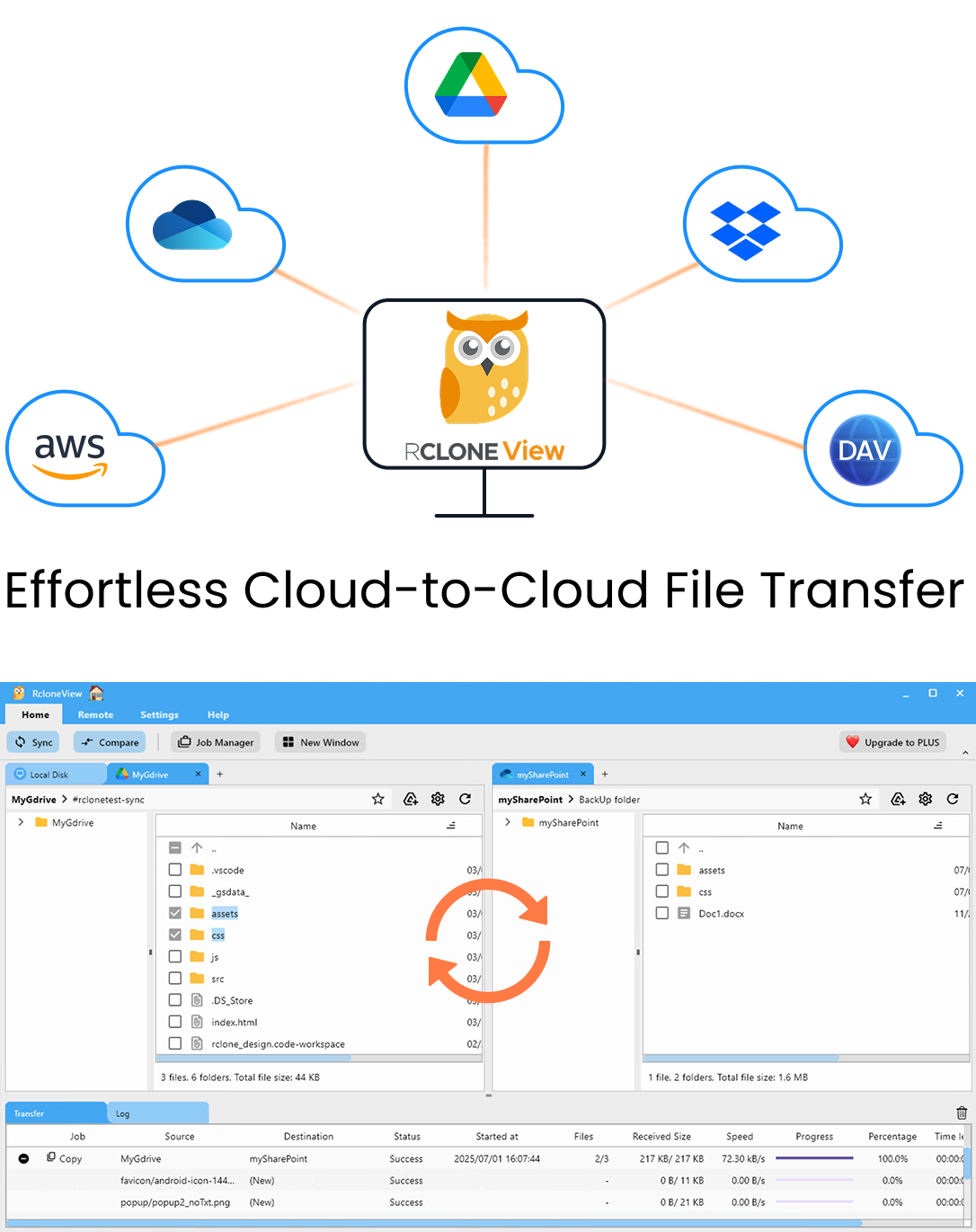
Manage & Sync All Clouds in One Place
RcloneView is a cross-platform GUI for rclone. Compare folders, transfer or sync files, and automate multi-cloud workflows with a clean, visual interface.
- One-click jobs: Copy · Sync · Compare
- Schedulers & history for reliable automation
- Works with Google Drive, OneDrive, Dropbox, S3, WebDAV, SFTP and more
Free core features. Plus automations available.
Error: "Failed to Upload" or "403 Forbidden"
The most common cause of upload failures to Google Photos is exceeding the API write quota. Google imposes per-user daily limits on photo uploads through the API. If you're bulk-uploading thousands of photos, you may hit this limit mid-transfer.
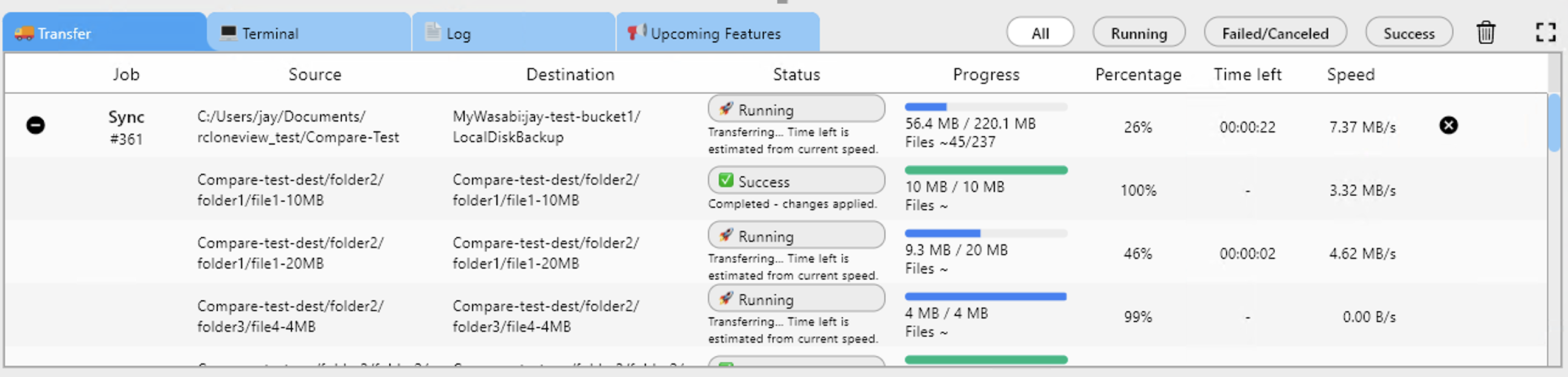
In RcloneView's Log tab, look for messages containing 403 or userRateLimitExceeded. The fix is to reduce transfer concurrency — go to your job's Advanced Settings and set the number of file transfers to 2 or 3. Also enable Retry on failure (set retries to 5 or higher) so RcloneView automatically re-attempts throttled uploads rather than failing the entire job. Spread large upload batches across multiple days if necessary.
Error: "Can't Copy — Destination is Read Only"
If you see errors about a read-only destination, you're trying to sync bidirectionally or overwrite existing photos in Google Photos. The Google Photos API does not permit modifying or deleting existing media through rclone. RcloneView respects this limitation.
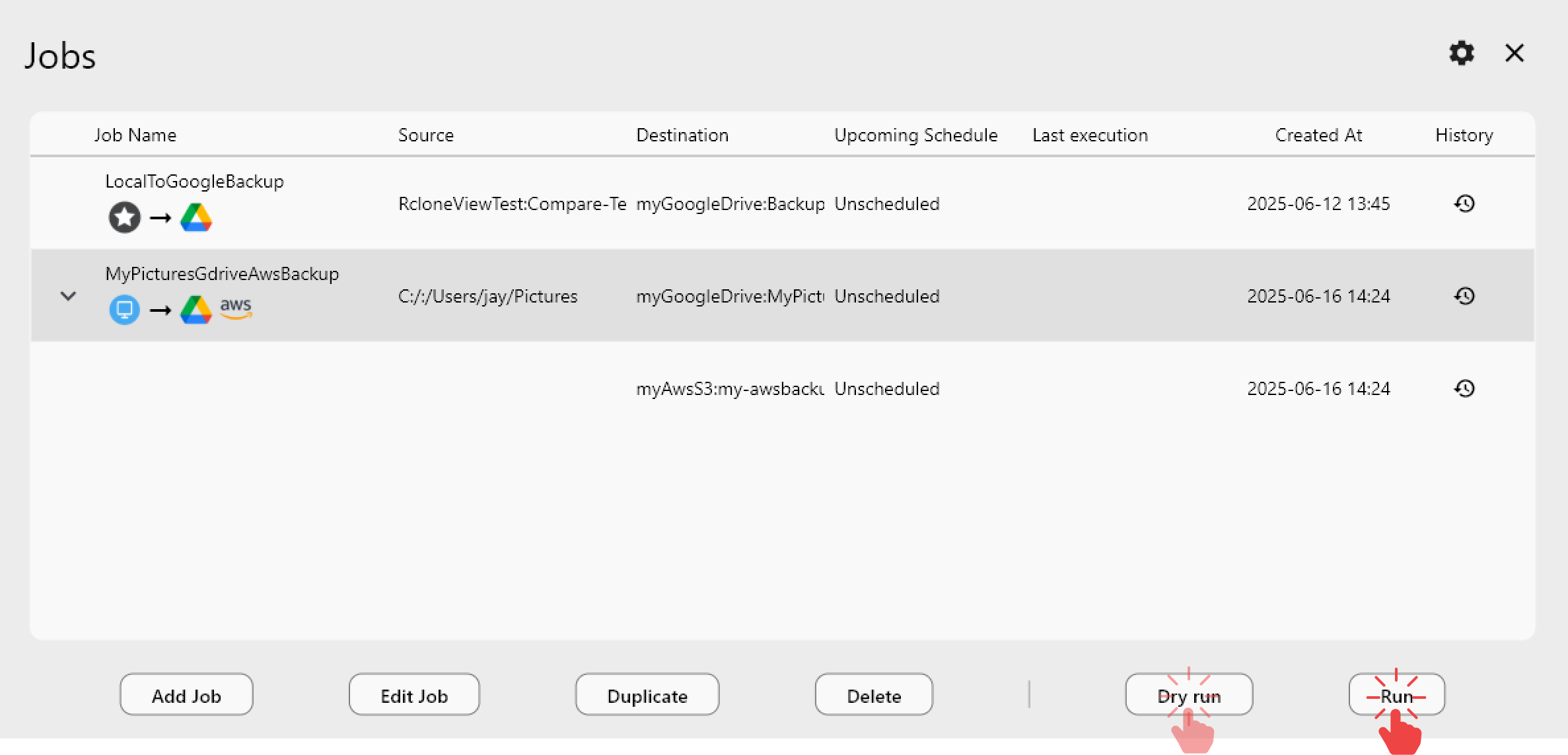
The solution is to configure your job as a one-way Copy (not Sync) from your source into Google Photos. This uploads new files without attempting to delete or overwrite anything on the Google Photos side. If you need to delete photos, do it manually in the Google Photos web app or mobile app.
Missing Files After Transfer
Google Photos organizes media by album and creation date, not by original folder structure. When you sync a folder hierarchy into Google Photos, the files land in the library but may not appear in the folder you expected. This is a Google Photos API behavior — the folder structure is not preserved.
To preserve your folder organization, consider syncing to Google Drive instead, where subdirectories are maintained exactly as on your source. For true photo archive purposes, Backblaze B2 or Amazon S3 with a copy of your original folder tree is a more reliable long-term solution.
Getting Started
- Download RcloneView from rcloneview.com.
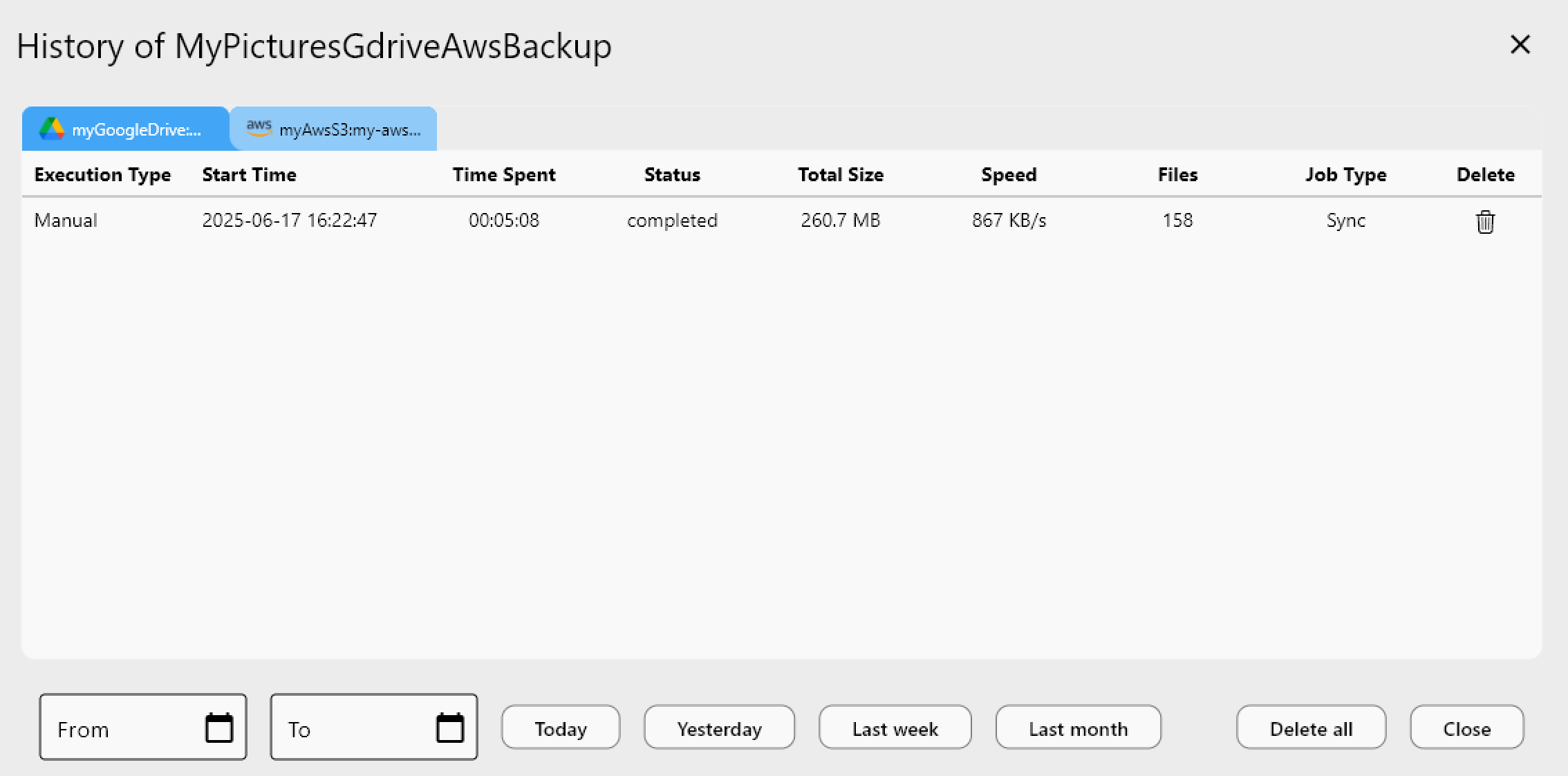
- Check the Log tab for specific error codes after a failed Google Photos sync.
- For rate limit errors, reduce concurrency to 2–3 and increase retry count.
- Use Copy job type, not Sync, to avoid read-only destination errors.
Understanding Google Photos' API restrictions lets you configure RcloneView correctly the first time and avoid frustrating retry cycles.
Related Guides:
- Manage Google Photos Cloud Storage with RcloneView
- Fix Google Drive Quota and Rate Limit Errors
- Sync Google Photos to Backblaze B2 with RcloneView
Supported Cloud Providers