Fix OneDrive 429 Throttling Errors — Reliable Syncing with RcloneView

When OneDrive starts returning 429 Too Many Requests mid-sync, the fix isn't retrying blindly — it's slowing down how hard you're hitting the Microsoft Graph API.
OneDrive enforces request-rate limits on the Microsoft Graph API, and a sync job moving thousands of small files or running alongside several other jobs can trip those limits fast, causing transfers to stall or fail partway through with 429 responses. This is different from a quota or storage-full error — the account has room, but Microsoft is temporarily rejecting requests because they're arriving too quickly. RcloneView gives you direct control over transfer concurrency and retry behavior, so you can tune a OneDrive job to stay under the threshold instead of hammering the API and failing.
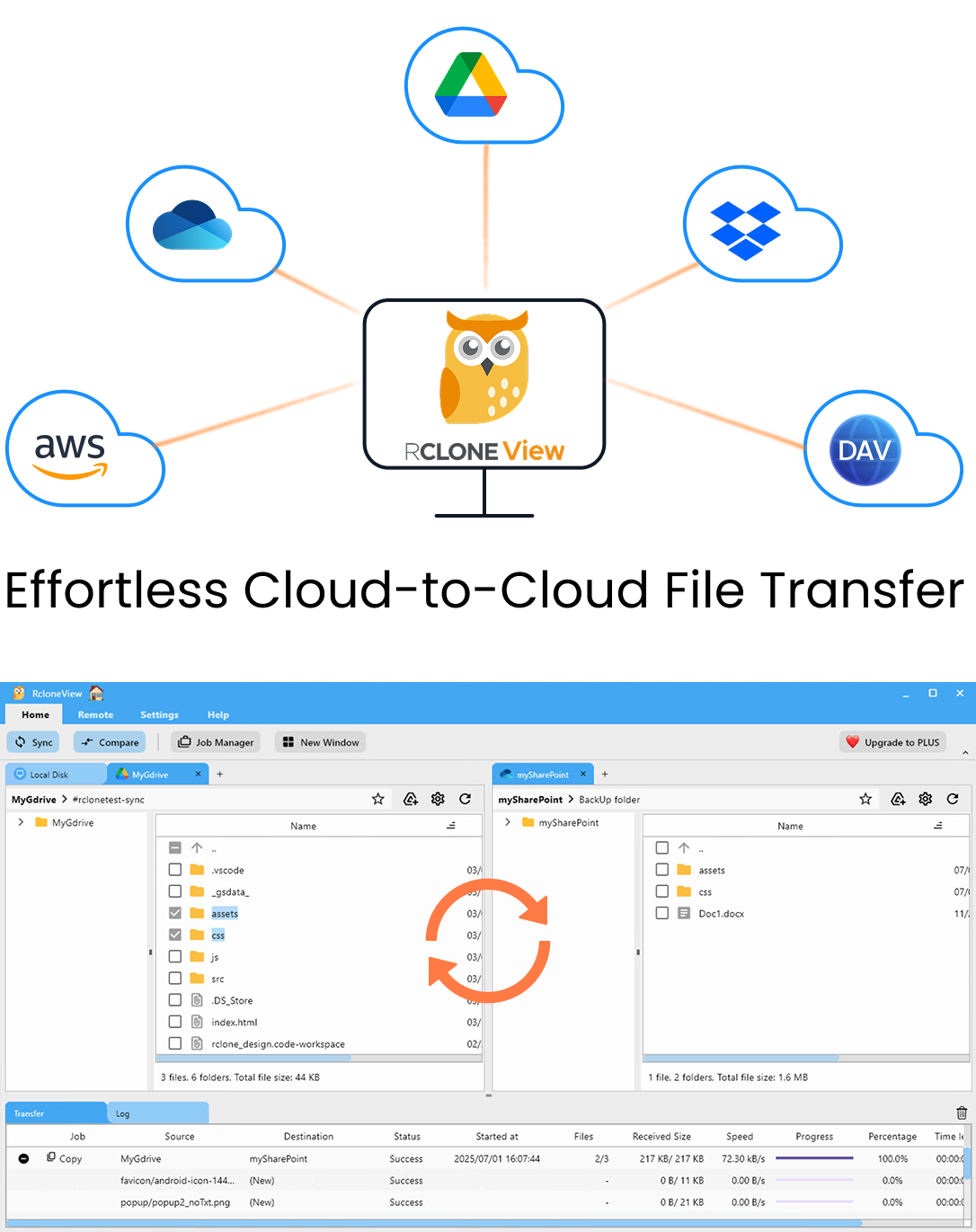
Manage & Sync All Clouds in One Place
RcloneView is a cross-platform GUI for rclone. Compare folders, transfer or sync files, and automate multi-cloud workflows with a clean, visual interface.
- One-click jobs: Copy · Sync · Compare
- Schedulers & history for reliable automation
- Works with Google Drive, OneDrive, Dropbox, S3, WebDAV, SFTP and more
Free core features. Plus automations available.
Recognizing a 429 Throttling Error
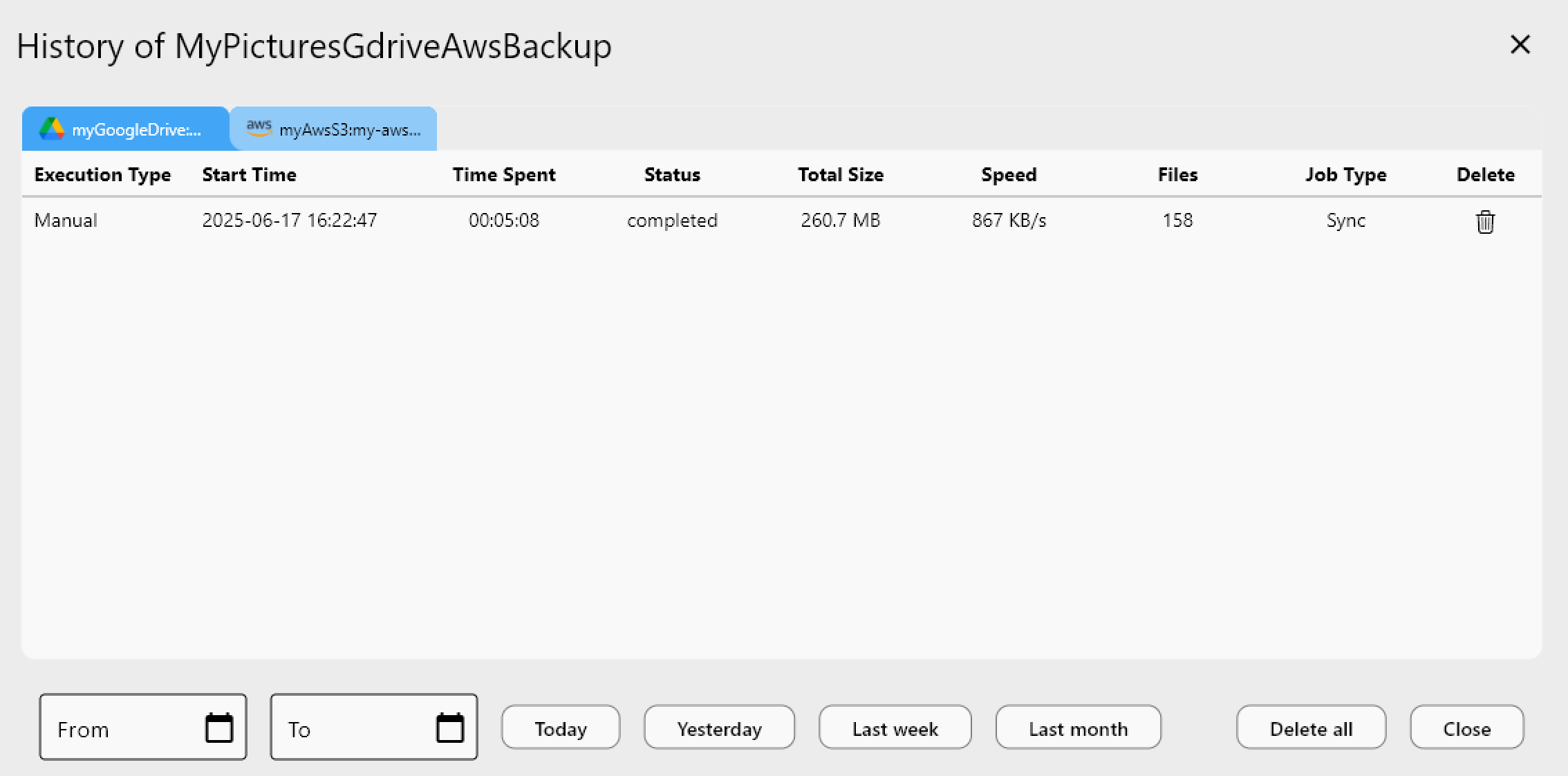
Check the Log tab in the bottom Info View and look for HTTP 429 responses or messages referencing rate limiting during a OneDrive job — this is distinct from an authentication failure or a "quota exceeded" message, which point to expired tokens or a full account instead. Throttling errors tend to appear in bursts partway through large jobs, often when many small files are being transferred concurrently rather than a few large ones. If the job eventually completes after several retries with gaps between them, that's a strong sign the built-in retry logic is already recovering from throttling on its own.
Lowering Concurrency to Reduce Throttling
The most direct fix is reducing how many requests RcloneView sends to OneDrive at once. In the sync job's Advanced Settings step, lower the number of file transfers and the number of equality checkers — the spec recommends 4 or fewer equality checkers for backends that throttle aggressively, and OneDrive is one of them. Multi-thread transfers can also be reduced from the default of 4, or disabled entirely by setting it to 0, which trades some raw throughput for a job that completes without tripping rate limits.
Letting Retries Do Their Job
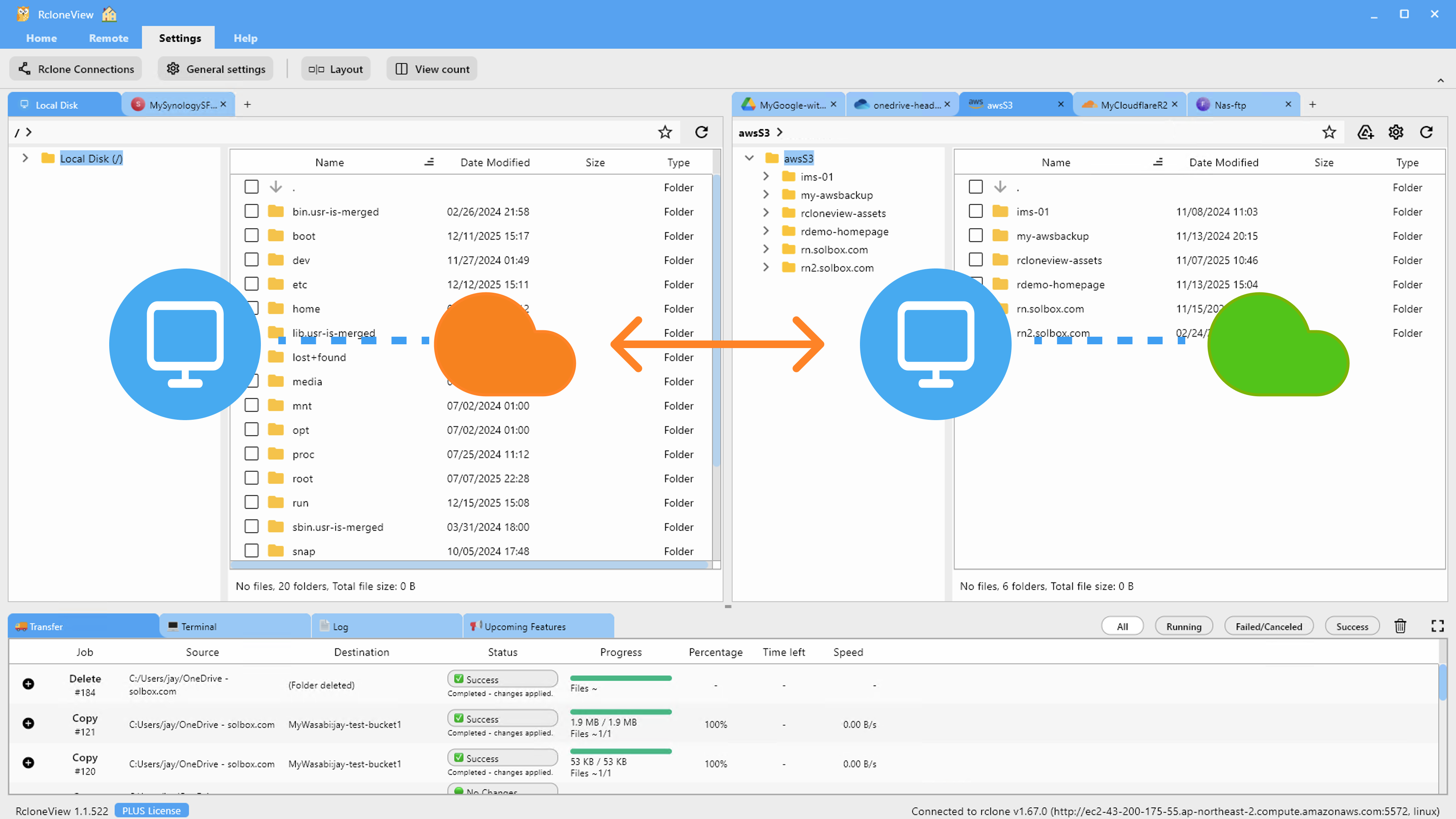
RcloneView's sync jobs include a "Retry entire sync if fails" setting, defaulted to 3 attempts, which is often enough to ride out a temporary throttling window since OneDrive's rate limits reset after a short cooldown period. Avoid setting this to 1 (disabling retry) on any OneDrive job that moves a large number of files, since a single 429 response would otherwise fail the whole job instead of automatically retrying. RcloneView mounts and syncs 90+ providers from one window on Windows, macOS, and Linux, so if OneDrive is only one of several remotes in your workflow, you can stagger jobs against different providers to avoid concentrating requests on the one backend most prone to throttling.
Spacing Out Scheduled Jobs
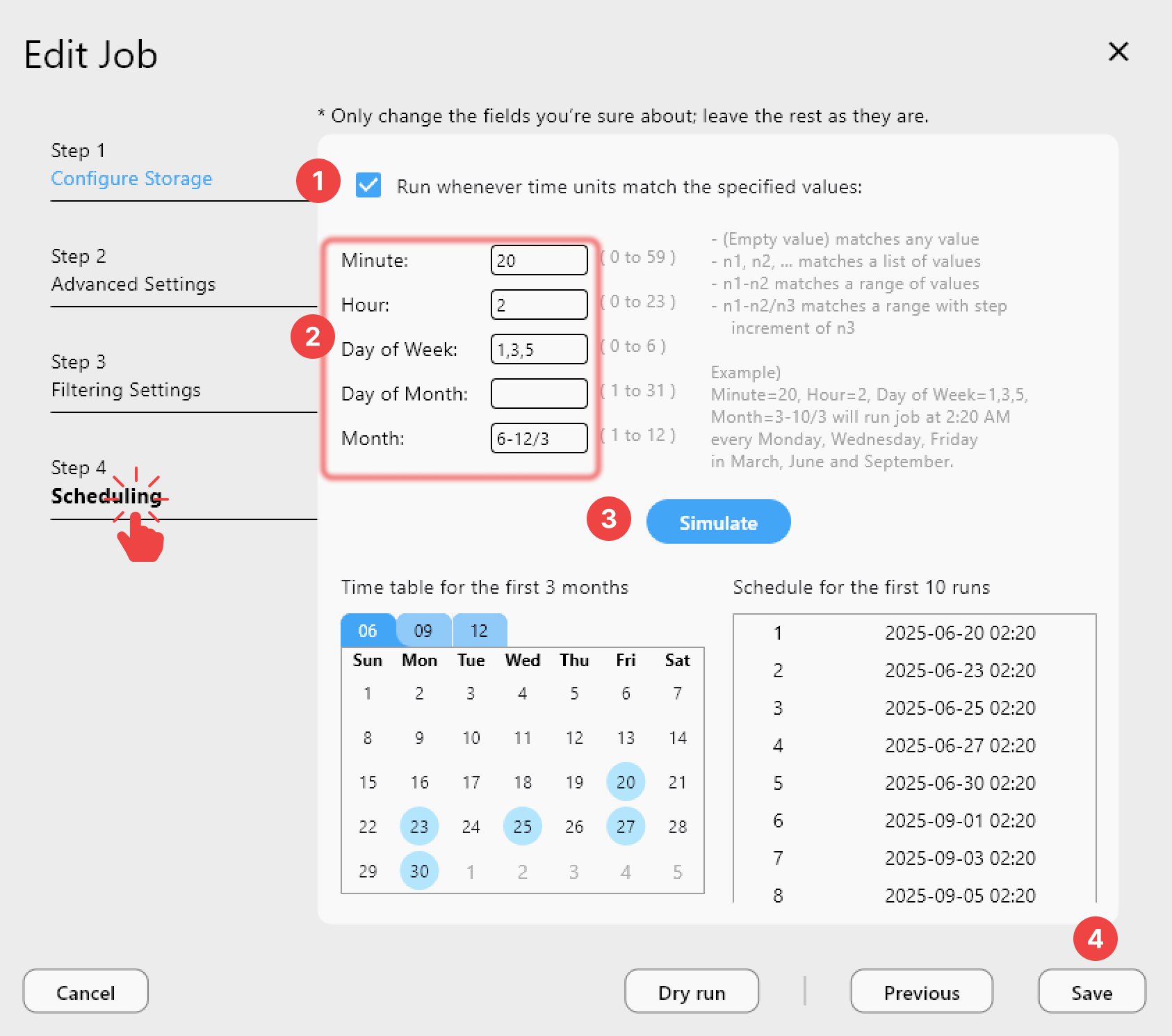
If you run OneDrive sync jobs on a schedule, avoid triggering multiple OneDrive jobs at the exact same time — even against different folders, they share the same account's rate limit. PLUS license users can stagger crontab-style schedules by a few minutes between jobs so requests don't stack up, and can preview upcoming run times with the schedule simulator before saving. For very large one-time transfers, running the job during off-peak hours can also reduce the chance of colliding with other automated traffic against the same Microsoft account.
Getting Started
- Download RcloneView from rcloneview.com if you haven't already.
- Open the OneDrive job that's throwing 429 errors and check its Log tab for the pattern of failures.
- Reduce file transfers and equality checkers in Advanced Settings, and confirm retry is set to at least 3.
- Re-run the job and watch the Transferring tab to confirm it completes without stalling.
A slower, steadier sync that finishes reliably beats a fast one that fails halfway through and leaves you guessing what actually transferred.
Related Guides:
- Manage OneDrive Storage — Sync and Backup Files with RcloneView
- Fix OneDrive Sync Errors — How to Resolve with RcloneView
- Fix Cloud API Rate Limiting Errors with RcloneView
Supported Cloud Providers