Fix Cloud API Rate Limiting Errors — Tune Sync Speed in RcloneView
Cloud providers enforce API rate limits to prevent abuse—but aggressive sync jobs can trigger 429 errors that stall your transfers.
API rate limiting is a common frustration when syncing large volumes of data to cloud storage. Most providers (Google Drive, Dropbox, AWS S3, Azure) implement strict request quotas, and exceeding them results in HTTP 429 errors that slow or halt your sync. The good news: RcloneView lets you configure throttling and backoff strategies to work within provider limits.
Manage & Sync All Clouds in One Place
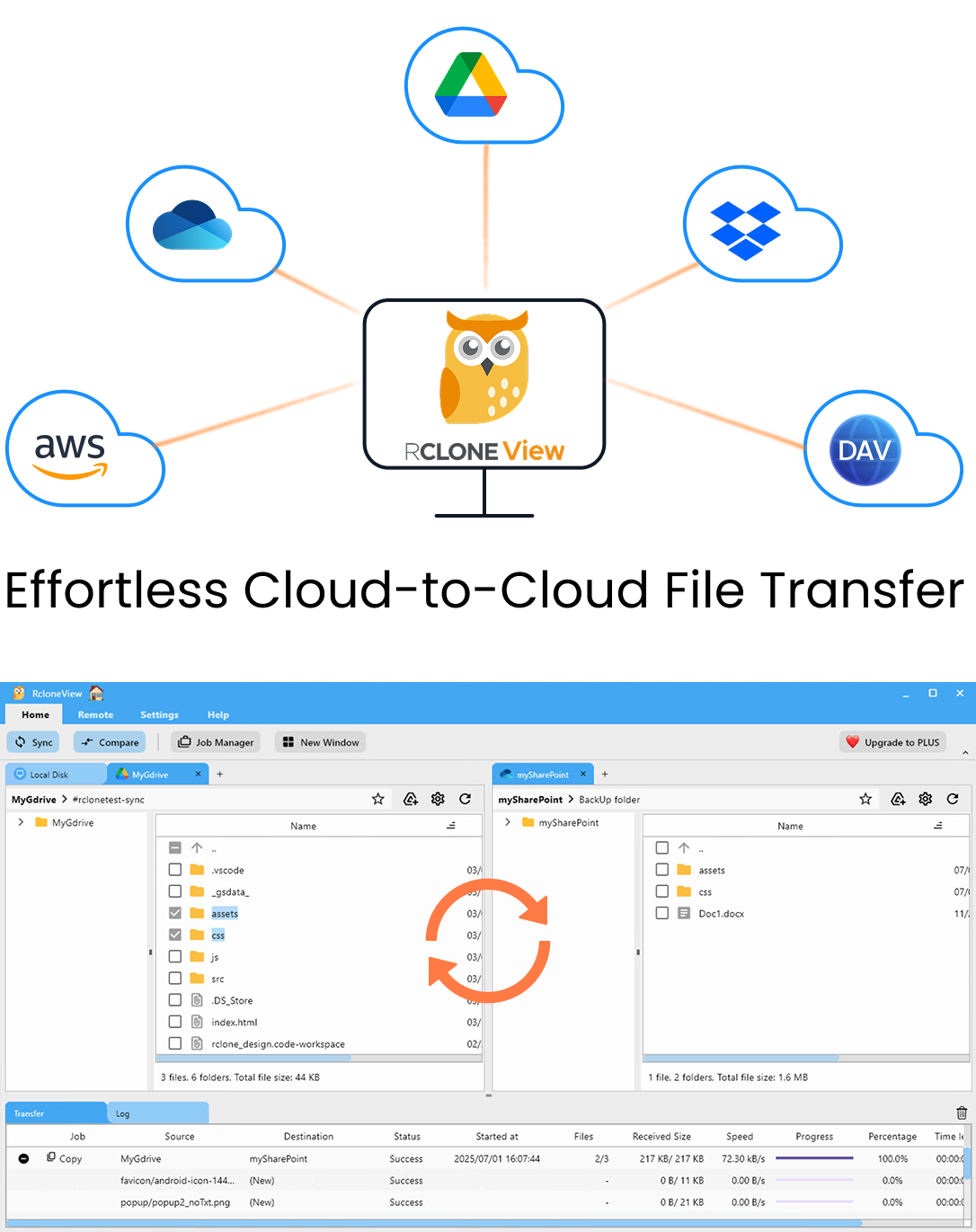
RcloneView is a cross-platform GUI for rclone. Compare folders, transfer or sync files, and automate multi-cloud workflows with a clean, visual interface.
- One-click jobs: Copy · Sync · Compare
- Schedulers & history for reliable automation
- Works with Google Drive, OneDrive, Dropbox, S3, WebDAV, SFTP and more
Free core features. Plus automations available.
Understanding Cloud API Rate Limits
Every cloud provider sets a maximum number of API requests per second or minute. When RcloneView (or rclone) sends requests faster than allowed, the provider responds with a 429 "Too Many Requests" error. Common triggers include:
- High parallelism: Running too many simultaneous transfers
- Rapid file listings: Scanning large folders at once
- Aggressive polling: Checking sync status too frequently
- Concurrent jobs: Multiple RcloneView tasks on the same remote
Diagnosing Rate Limit Errors
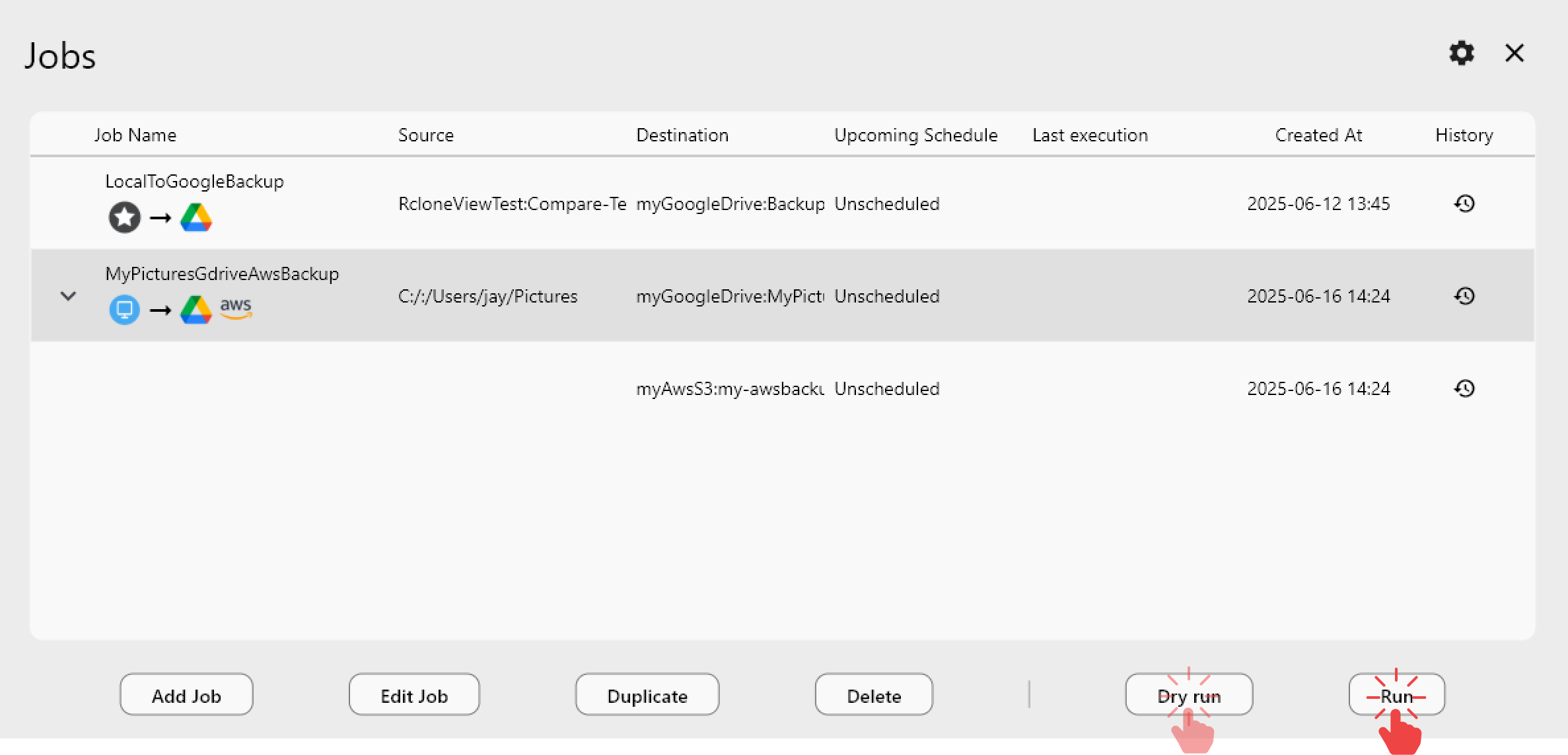
In RcloneView, check your job logs and stats panel for 429 errors. Look for messages like:
error: failed to list: Error 429: rate limit exceeded
error: failed to copy: service unavailable (429)
These indicate the remote rejected requests. The solution involves tuning RcloneView's threading and request parameters.
Tuning Transfer Parameters
Configure these settings in RcloneView's job settings:
- Reduce
--transfers: Lower from default (4) to 1-2 for rate-limited remotes - Lower
--checkers: Reduce file verification threads to 1-2 - Increase
--retries: Set to 3-5 for automatic backoff - Enable
--use-mmap: Helps memory efficiency under load
Implementing Backoff Strategies
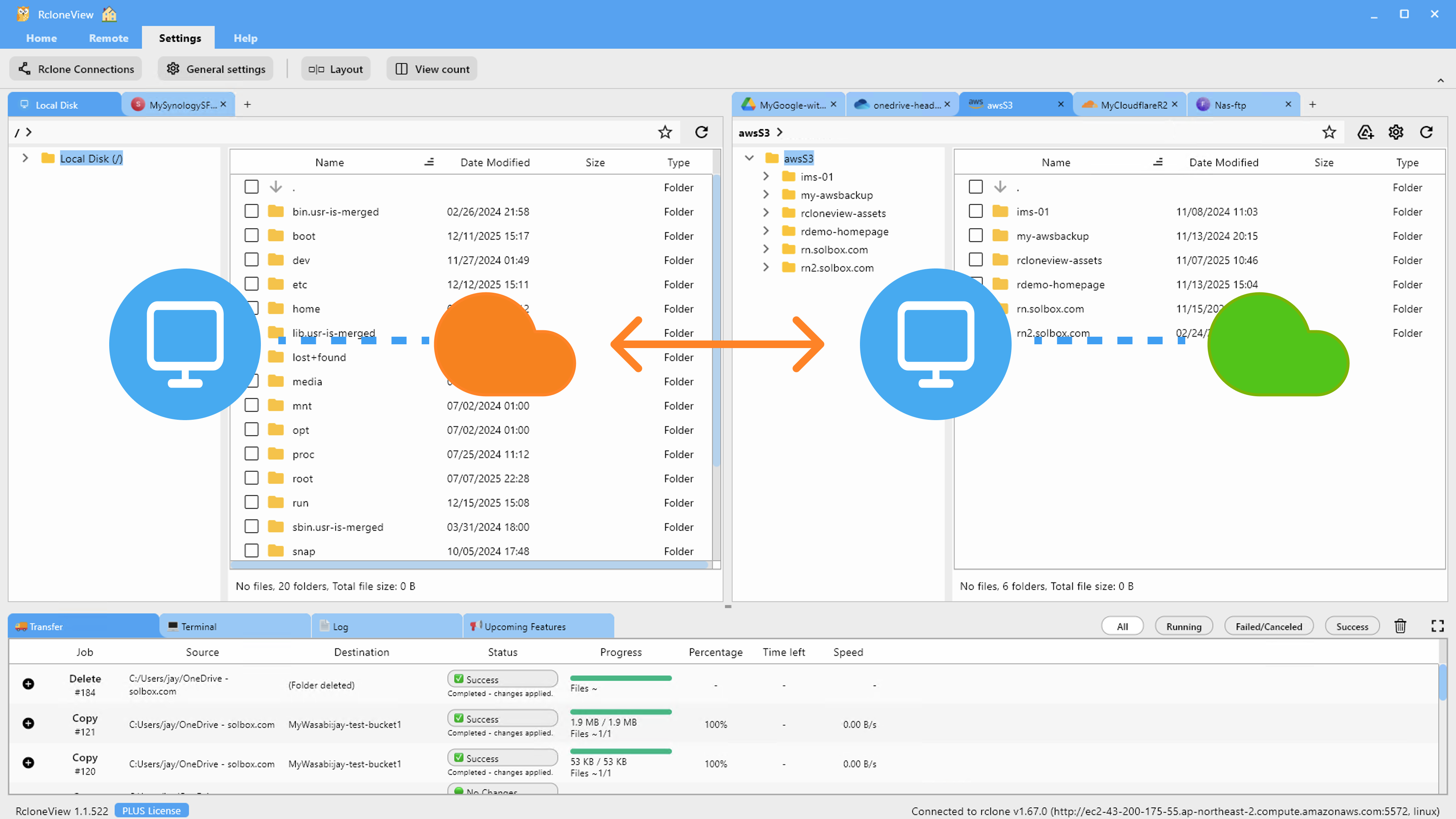
Rclone's retry logic includes exponential backoff—each failed request waits longer before retrying. Set --retries 5 to allow up to 5 attempts with increasing delays (1s, 2s, 4s, 8s, 16s).
For severely rate-limited providers, add --bwlimit to cap bandwidth:
--bwlimit 100k # Cap at 100 KB/s
This spreads requests over time, reducing spike traffic.
Scheduling Off-Peak Syncs
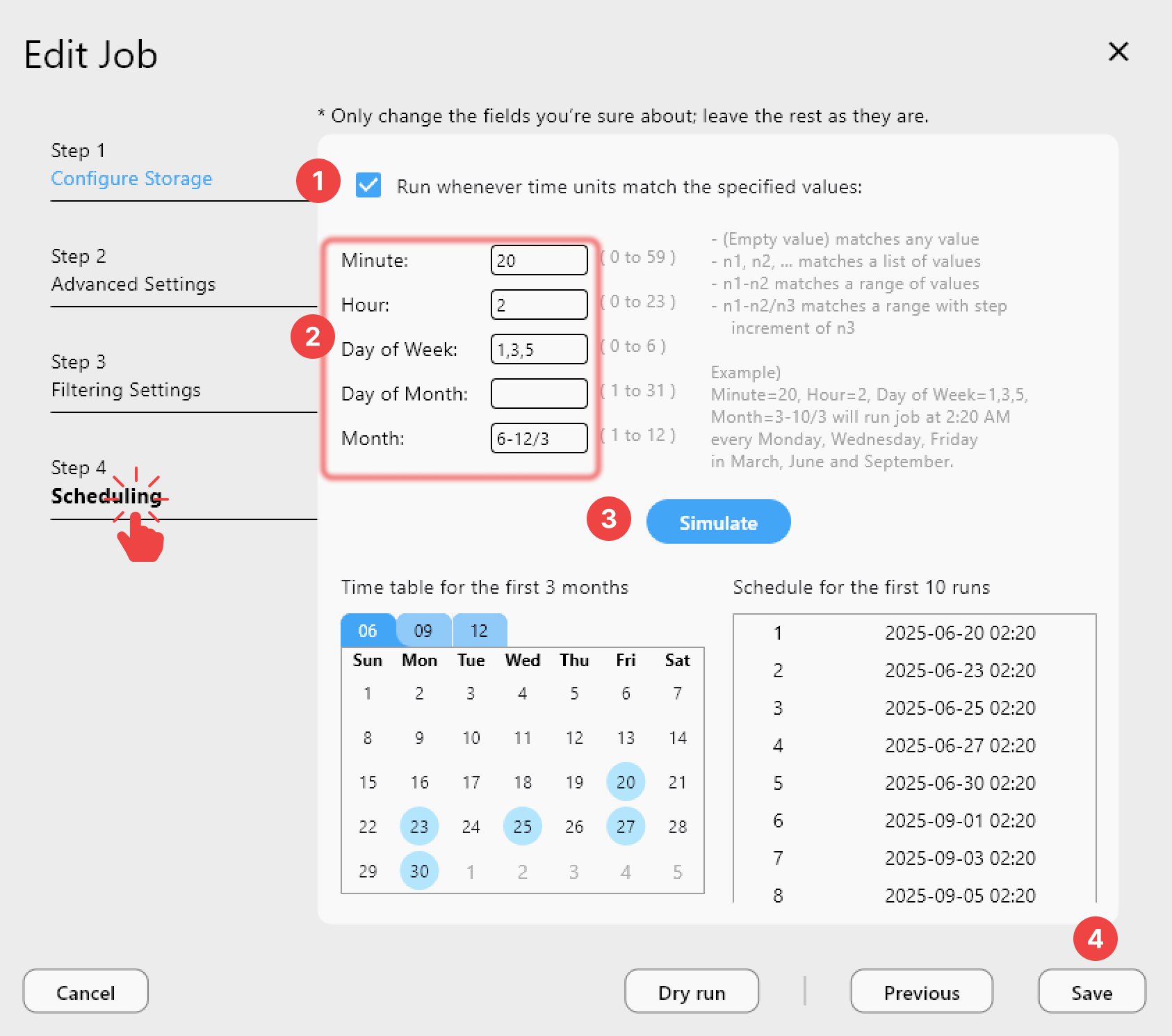
Use RcloneView's scheduler to run large transfers during off-peak hours (evenings, weekends). This reduces contention with other users and provider resources, lowering the chance of hitting limits.
Getting Started
- Download RcloneView from rcloneview.com.
- Open a job configuration and lower
--transfersto 1-2. - Enable
--retries 5for automatic backoff handling. - Monitor the stats panel during transfer—watch for 429 errors and adjust as needed.
- Schedule large syncs during off-peak times using the job scheduler.
Rate limiting is manageable—patience and tuning turn API errors into reliable, predictable transfers.
Related Guides:
- Fix Slow Cloud Transfers — Speed Up Sync in RcloneView
- Cloud Sync Stuck or Hanging? Troubleshoot RcloneView Transfers
- Multi-Threaded Transfers — Parallel Streams in RcloneView
Supported Cloud Providers