Fix PikPak Sync Errors — Resolve Connection Issues with RcloneView

Stalled transfers and failed PikPak jobs usually trace back to a handful of fixable causes — here's how to diagnose and resolve them in RcloneView.
PikPak sync jobs that fail midway, hang without progressing, or throw connection errors are frustrating when you're relying on scheduled backups. Most of these issues come down to token expiry, transfer concurrency set too aggressively, or filters silently excluding the files you expected to sync. RcloneView gives you the diagnostic tools — Job History, Dry Run, and the built-in terminal — to isolate the actual cause instead of guessing.
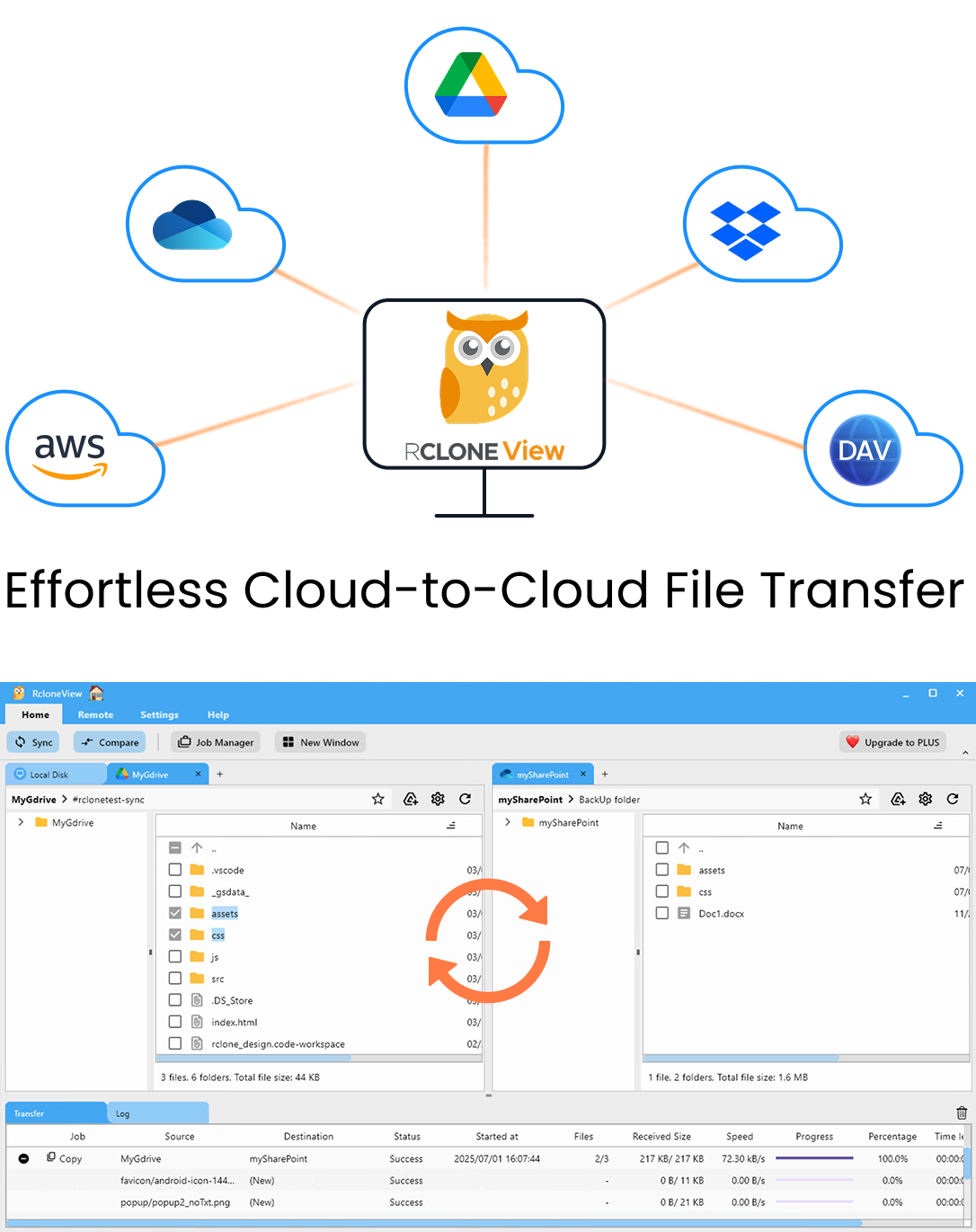
Manage & Sync All Clouds in One Place
RcloneView is a cross-platform GUI for rclone. Compare folders, transfer or sync files, and automate multi-cloud workflows with a clean, visual interface.
- One-click jobs: Copy · Sync · Compare
- Schedulers & history for reliable automation
- Works with Google Drive, OneDrive, Dropbox, S3, WebDAV, SFTP and more
Free core features. Plus automations available.
Diagnosing the Failure in Job History
Before changing any settings, open Job Manager and check the failed run's entry in Job History. The Status field shows whether the job Errored or was Canceled, and Time Spent tells you whether it failed instantly (usually authentication) or partway through (usually a specific file or network interruption). Filter by date range to compare a failing run against a previous successful one.
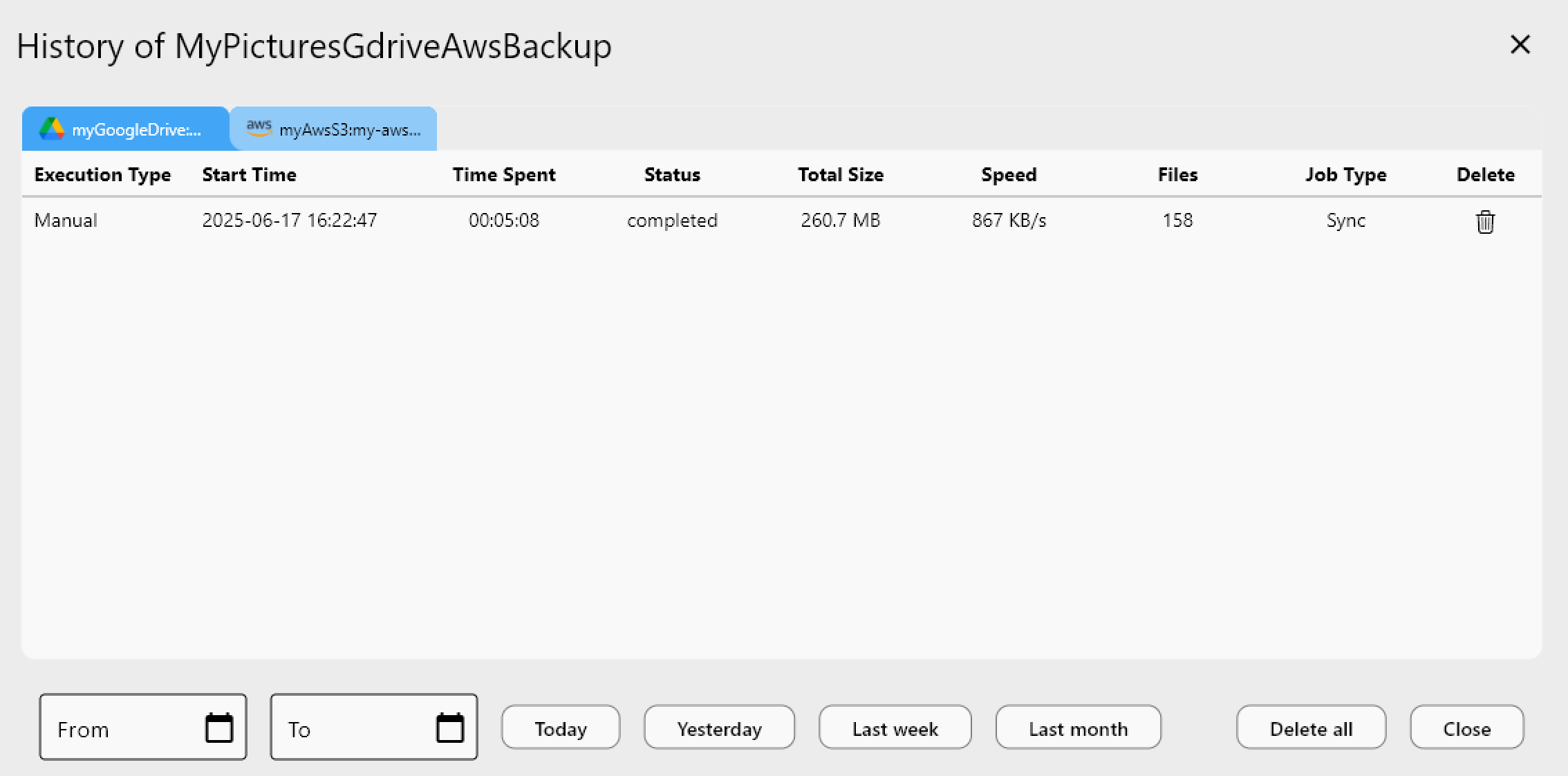
If the job fails immediately on every attempt, the PikPak remote's connection has likely dropped — re-test it from Remote Manager before touching sync settings.
Re-Authenticating and Retesting the Remote
Open Remote Manager, select your PikPak remote, and verify the connection still succeeds. If the test fails, the remote needs to be re-added with fresh credentials — PikPak connections can require re-authentication after long periods of inactivity. Once the test passes, re-run the same job as a one-time execution before saving it back into your schedule.
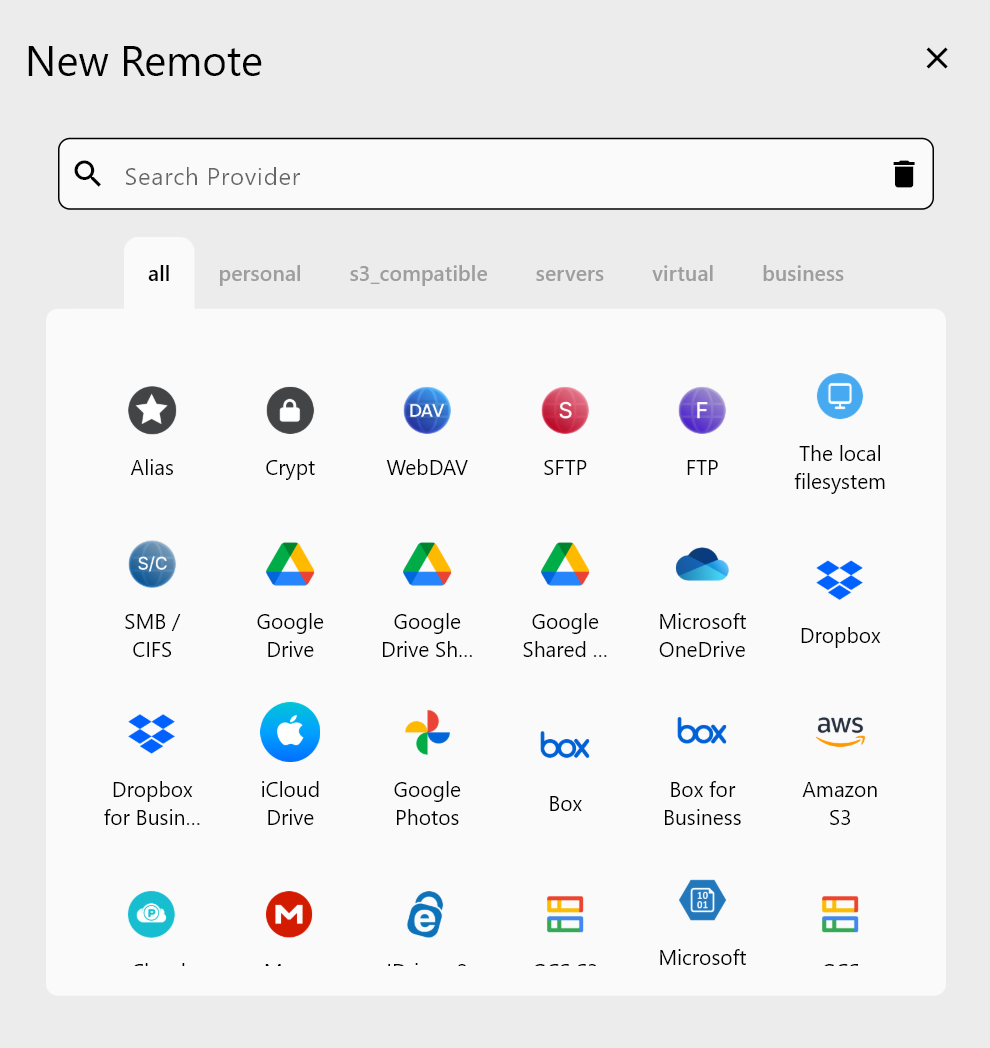
RcloneView connects PikPak alongside 90+ other providers in the same window, so re-authenticating one remote never disrupts your other configured clouds or sync jobs.
Adjusting Transfer Settings and Filters
If the connection tests fine but transfers still stall, open the sync job's Advanced Settings and lower the number of concurrent file transfers and equality checkers — PikPak can throttle aggressive parallel requests. Also check Step 3 Filtering Settings: an overly broad max file age or size filter can silently skip files you expect to see synced, which looks like a failure but isn't one.
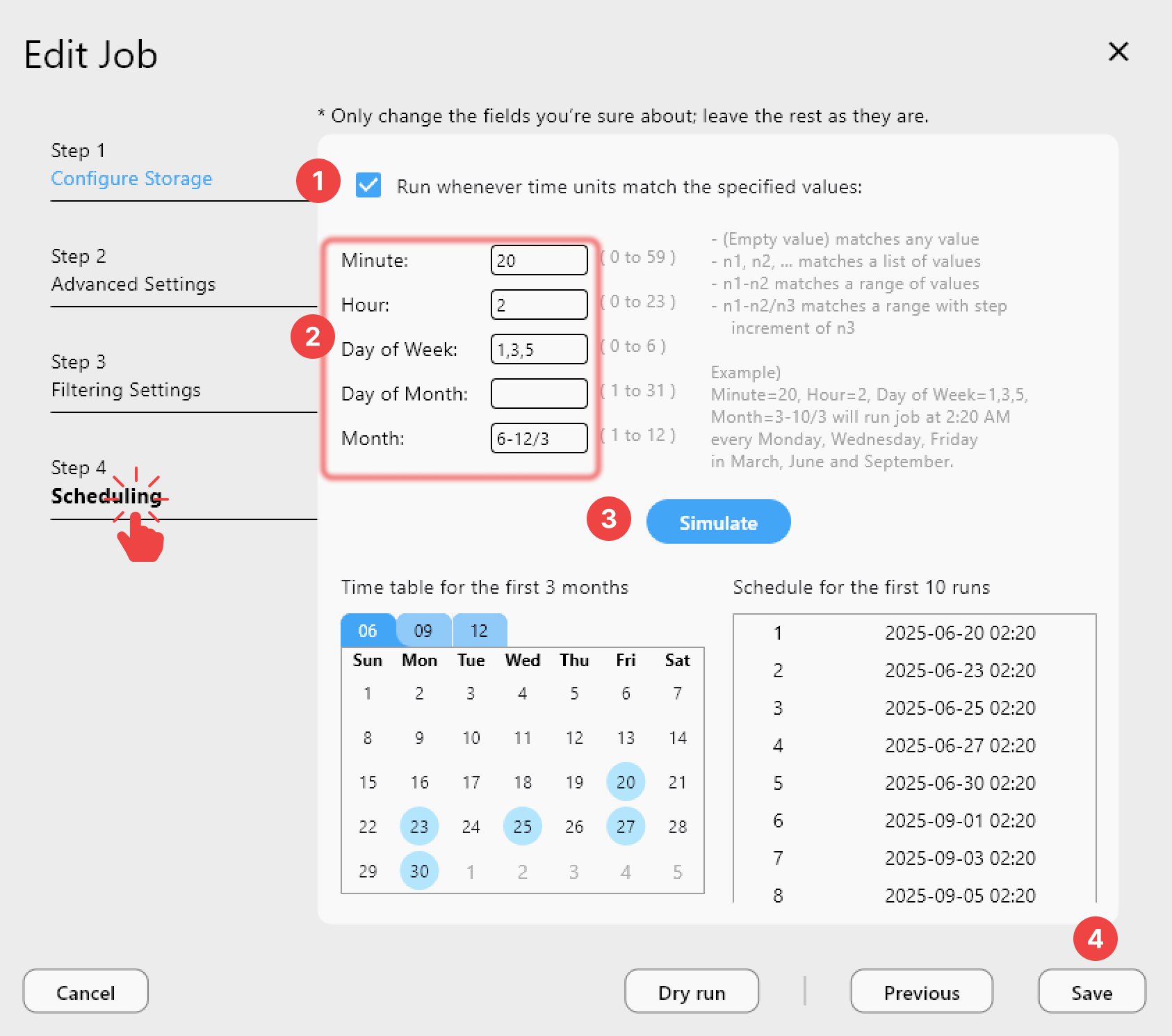
Run a Dry Run after any settings change. It lists exactly which files will be copied or deleted without touching your PikPak account, so you can confirm the fix worked before committing to a live sync.
Getting Started
- Download RcloneView from rcloneview.com.
- Check the failed job's entry in Job History to identify when and how it failed.
- Re-test the PikPak remote connection in Remote Manager and refresh credentials if needed.
- Lower transfer concurrency and re-check filters, then confirm with a Dry Run before re-scheduling.
A few minutes spent isolating the cause in Job History saves far more time than repeatedly re-running a job that's failing for a reason you haven't identified yet.
Related Guides:
- Manage PikPak — Cloud Downloads with RcloneView
- Migrate PikPak to Google Drive — Transfer Files with RcloneView
- Sync PikPak to Google Drive and S3 with RcloneView
Supported Cloud Providers