Migrate PikPak to Google Drive — Transfer Files with RcloneView
PikPak users looking to move their files to Google Drive can do it entirely in the cloud with RcloneView — no need to download everything to your local machine first.
PikPak is a popular cloud storage and offline download service widely used in Asia, valued for its ability to save torrents and magnet links directly to the cloud. As users look to migrate away from PikPak or simply want to keep a backup copy of their PikPak files on Google Drive, RcloneView provides the cleanest path: a cloud-to-cloud transfer that moves files directly between the two providers without routing them through your local disk. RcloneView ships with an embedded rclone binary, so there is nothing extra to install.
Manage & Sync All Clouds in One Place
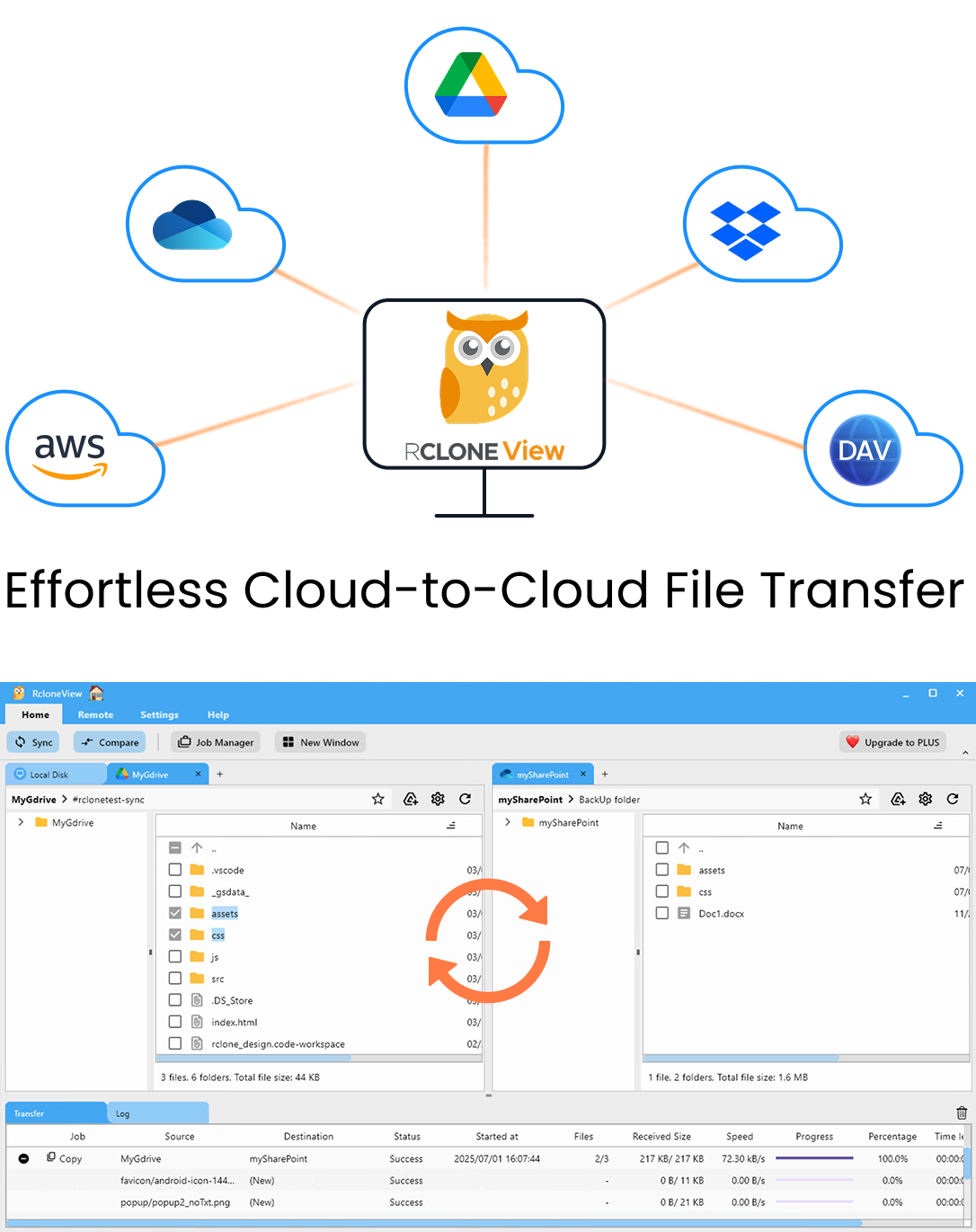
RcloneView is a cross-platform GUI for rclone. Compare folders, transfer or sync files, and automate multi-cloud workflows with a clean, visual interface.
- One-click jobs: Copy · Sync · Compare
- Schedulers & history for reliable automation
- Works with Google Drive, OneDrive, Dropbox, S3, WebDAV, SFTP and more
Free core features. Plus automations available.
Setting Up Your PikPak Remote
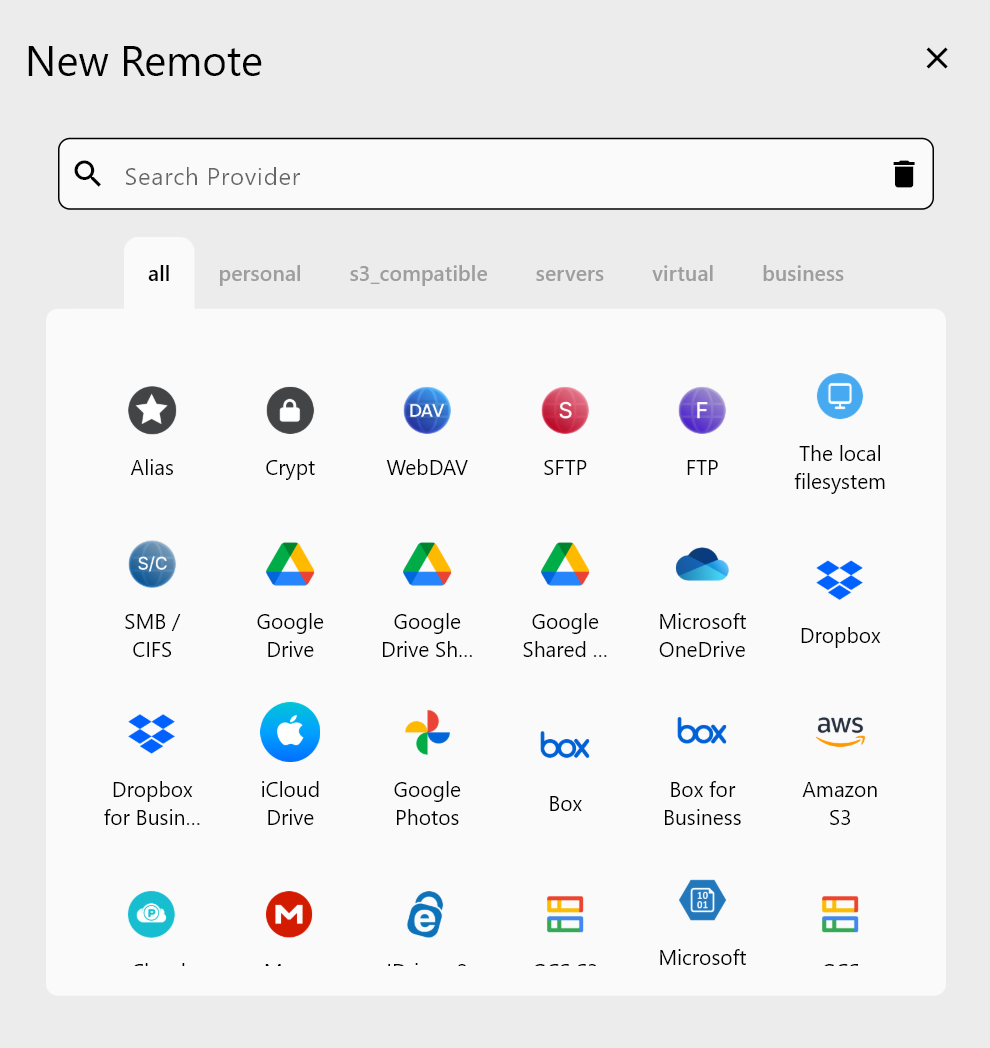
Click New Remote in RcloneView and select PikPak from the provider list. Enter your PikPak username (email address) and password. RcloneView will authenticate with the PikPak API and connect to your account. After saving, your PikPak remote appears in the dual-pane explorer, where you can browse your files and folders just like a local file system.
Before starting a migration, spend a few minutes browsing your PikPak folder structure to understand how your content is organized. Note any large folders or deeply nested structures that might benefit from being transferred in separate jobs rather than one massive batch.
Adding Google Drive
Click New Remote again and select Google Drive. RcloneView opens a browser tab for Google OAuth authorization — sign in with your Google account and grant the permissions requested. After the OAuth flow completes, the Google Drive remote is available in the explorer alongside your PikPak remote.
Create a dedicated migration destination folder in Google Drive — for example, PikPak Import/ — before starting the transfer. This keeps the migrated content organized and makes it easy to verify transfer completeness by comparing folder sizes between PikPak and Google Drive.
Running the Cloud-to-Cloud Transfer
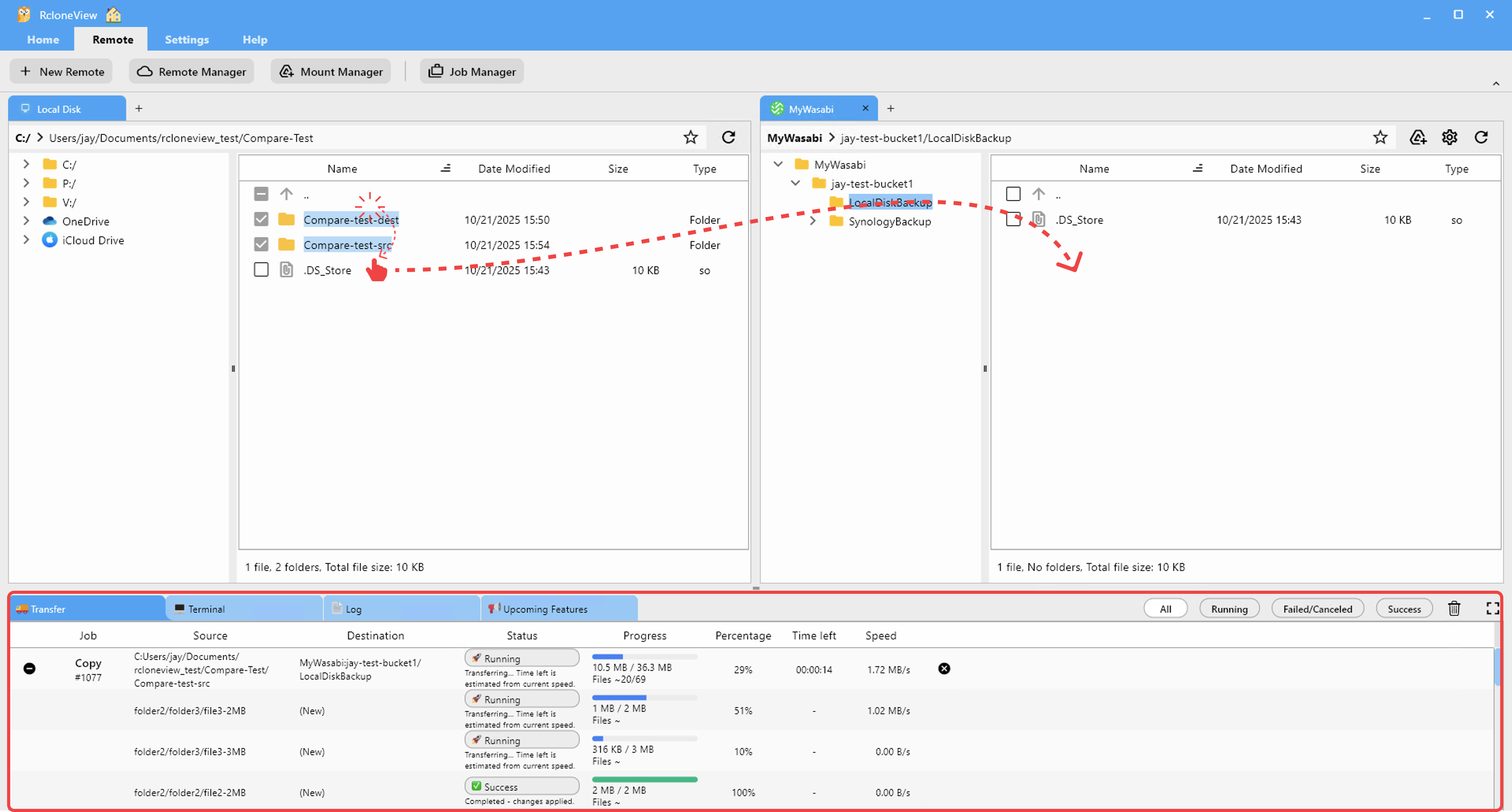
With both remotes open in the dual-pane view, you can drag folders from PikPak directly across to Google Drive for small migrations. For larger migrations, the Job Wizard is more reliable. Set PikPak as the source, your Google Drive destination folder as the target, and choose Copy mode (to copy files without deleting anything from PikPak).
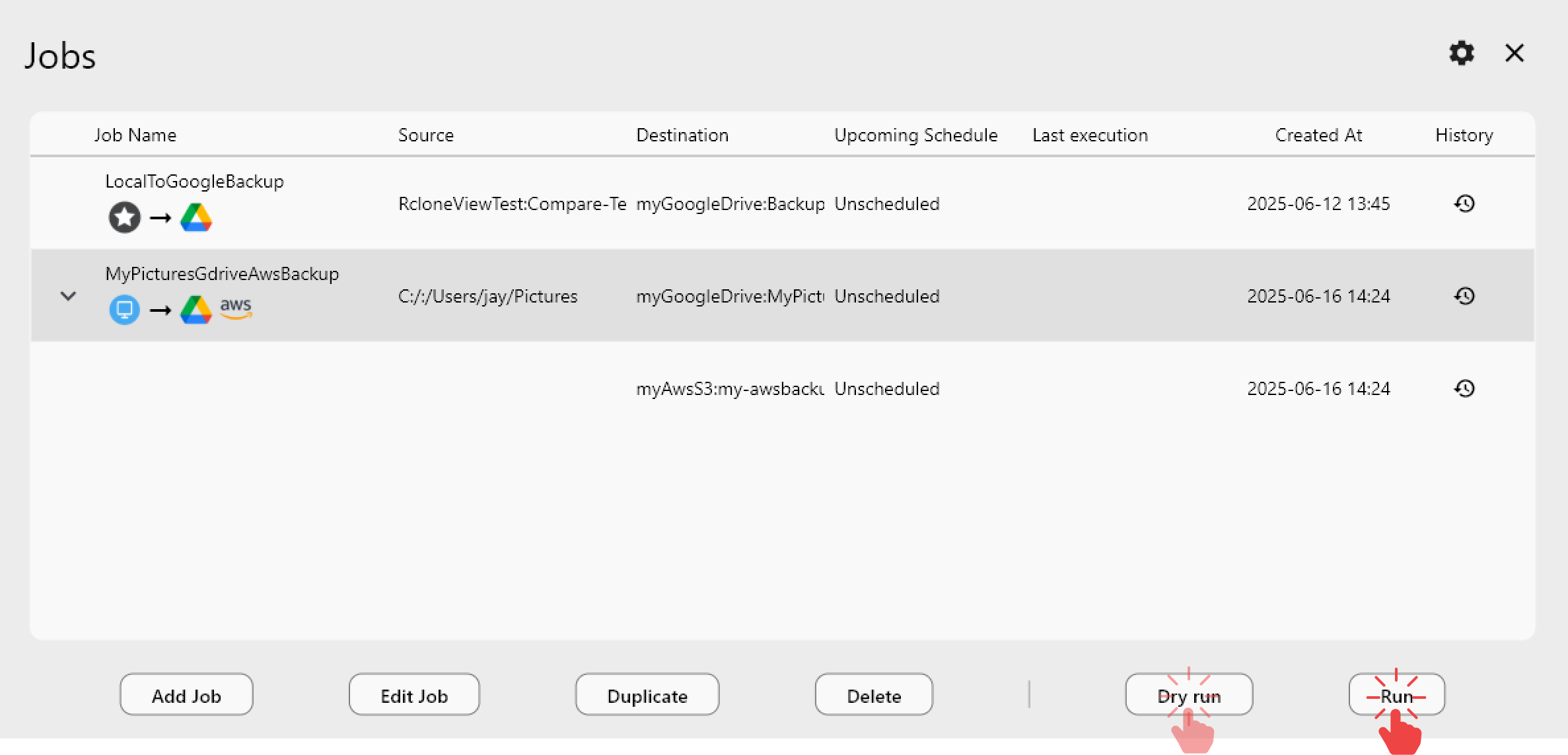
Always run a dry run first. PikPak accounts can contain thousands of files accumulated from offline downloads, and the dry run gives you a clear picture of transfer volume before committing. Once satisfied, run the live job. RcloneView's Job Manager shows live progress including current file names and transfer counts. Check Job History after completion to confirm all files transferred successfully.
Getting Started
- Download RcloneView from rcloneview.com.
- Click New Remote > PikPak and enter your PikPak username and password.
- Click New Remote > Google Drive and complete the OAuth authorization.
- Create a
PikPak Import/folder in Google Drive as your migration destination. - Use the Job Wizard to create a copy job, run a dry run, then execute the full migration.
Migrating from PikPak to Google Drive through RcloneView is a streamlined process that handles even large cloud libraries reliably and without local storage overhead.
Related Guides:
- Manage PikPak Cloud Downloads with RcloneView
- Manage Google Drive — Cloud Sync and Backup with RcloneView
- Cloud-to-Cloud Migration with RcloneView
Supported Cloud Providers