Manage Box Storage — Sync and Backup Files with RcloneView
Box is built for enterprise content management, and RcloneView extends its reach by connecting Box to your entire multi-cloud infrastructure.
Box has established itself as the enterprise content platform of choice, with features like granular access controls, metadata-driven workflows, and compliance certifications (HIPAA, FedRAMP, GxP). Individual plans start at 10 GB free, while Business plans offer unlimited storage starting at $17.30 per user/month. RcloneView connects to Box via its OAuth-based API, giving you a visual interface to browse files, run syncs to other clouds, mount Box as a local drive, and schedule automated backups — all without relying on Box's native sync client or admin console for data portability tasks.
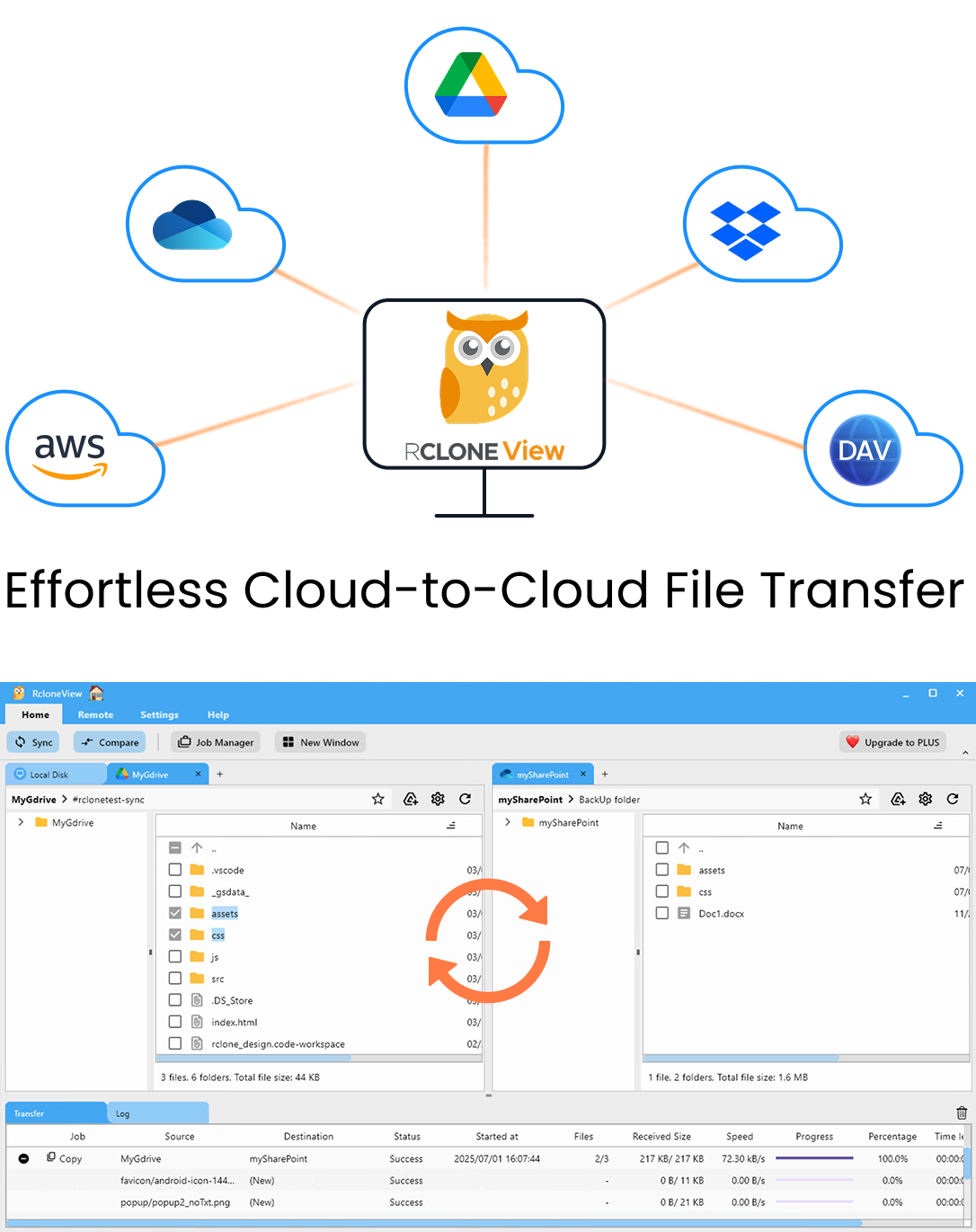
Manage & Sync All Clouds in One Place
RcloneView is a cross-platform GUI for rclone. Compare folders, transfer or sync files, and automate multi-cloud workflows with a clean, visual interface.
- One-click jobs: Copy · Sync · Compare
- Schedulers & history for reliable automation
- Works with Google Drive, OneDrive, Dropbox, S3, WebDAV, SFTP and more
Free core features. Plus automations available.
Connecting Box in RcloneView
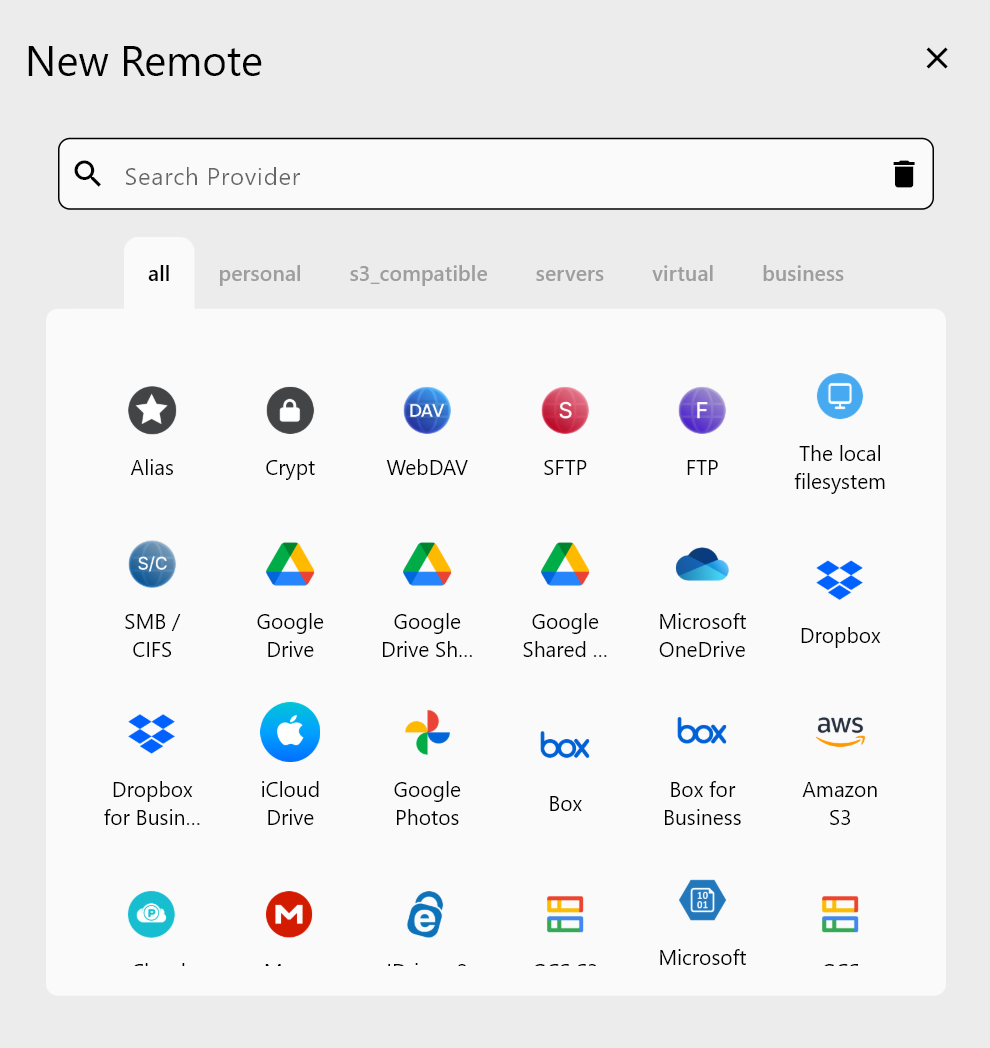
Adding Box to RcloneView follows the OAuth 2.0 authorization flow. Open the Remote Manager, select Box, and click authorize. Your browser opens to the Box login page where you grant RcloneView access. The token is stored locally in your rclone configuration file.
Box imposes API rate limits that vary by plan tier. Free and Personal Pro accounts have tighter limits (approximately 10 API calls per second), while Enterprise accounts allow significantly higher throughput. RcloneView handles rate-limiting responses (HTTP 429) with automatic retry and backoff, so large transfers proceed without manual intervention.
One important caveat: Box has a maximum individual file size limit of 5 GB on Business plans and 15 GB on Enterprise plans. Files exceeding these limits will fail to upload. RcloneView logs these errors clearly in the job output so you can identify oversized files and handle them separately.
Syncing Box with Other Providers
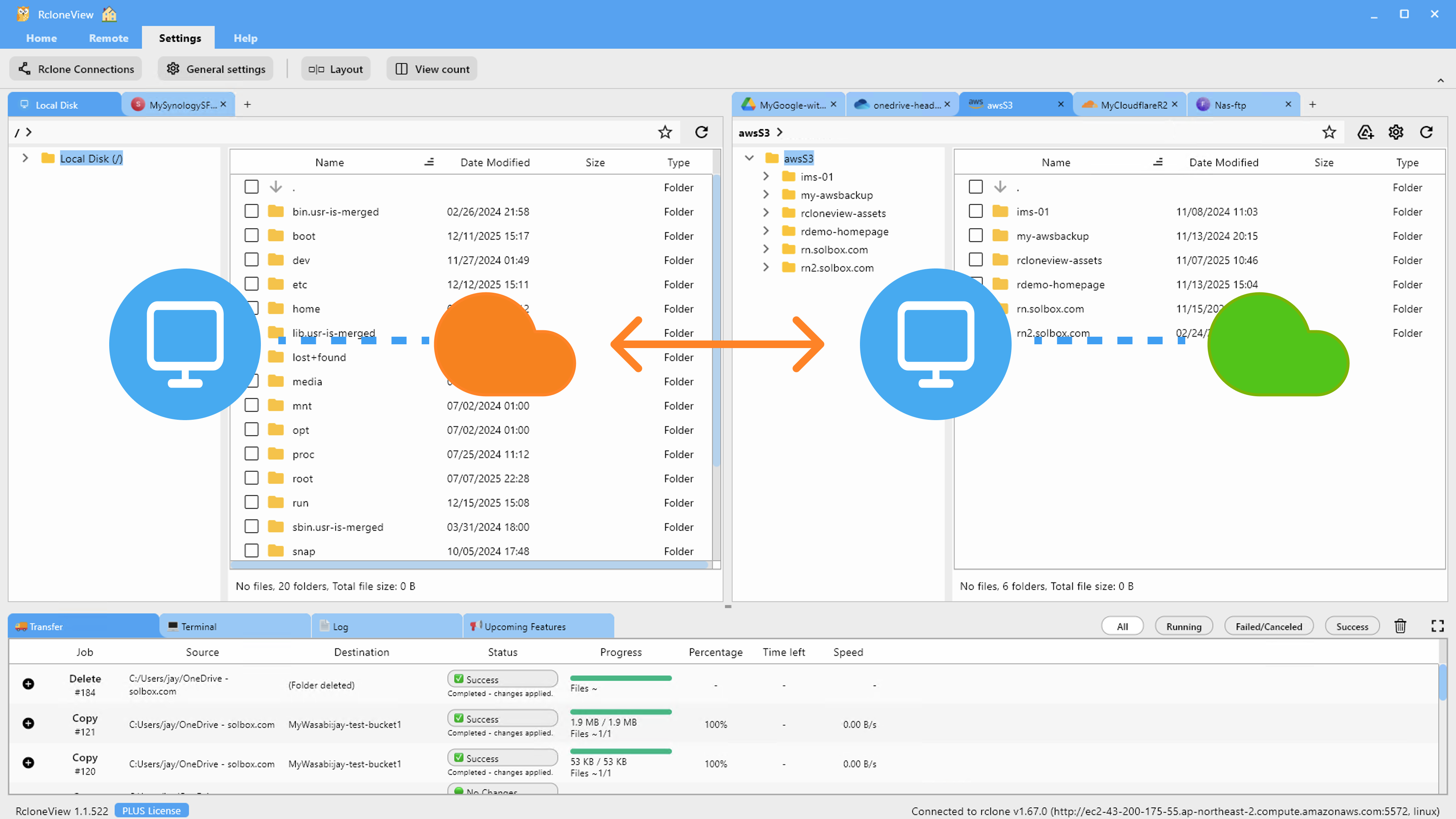
RcloneView's two-pane explorer makes transferring data between Box and other clouds intuitive. Place Box on one side and AWS S3, Google Drive, Dropbox, or a local folder on the other. Drag files across, or create a job for repeatable operations.
Box uses SHA-1 checksums for file integrity, and RcloneView leverages these during sync operations to detect changes accurately. Only files with differing hashes or modification times are transferred, keeping API usage and bandwidth to a minimum. This is especially valuable for enterprise accounts where Box API call budgets matter for shared integrations.
For organizations migrating away from Box or maintaining a multi-cloud strategy, RcloneView supports full-directory sync with filter rules. You can include or exclude files by extension, size, or path pattern — for example, sync only .docx and .pdf files from a Box collaboration folder to SharePoint, while ignoring temporary files and system metadata.
Scheduling Automated Backups from Box
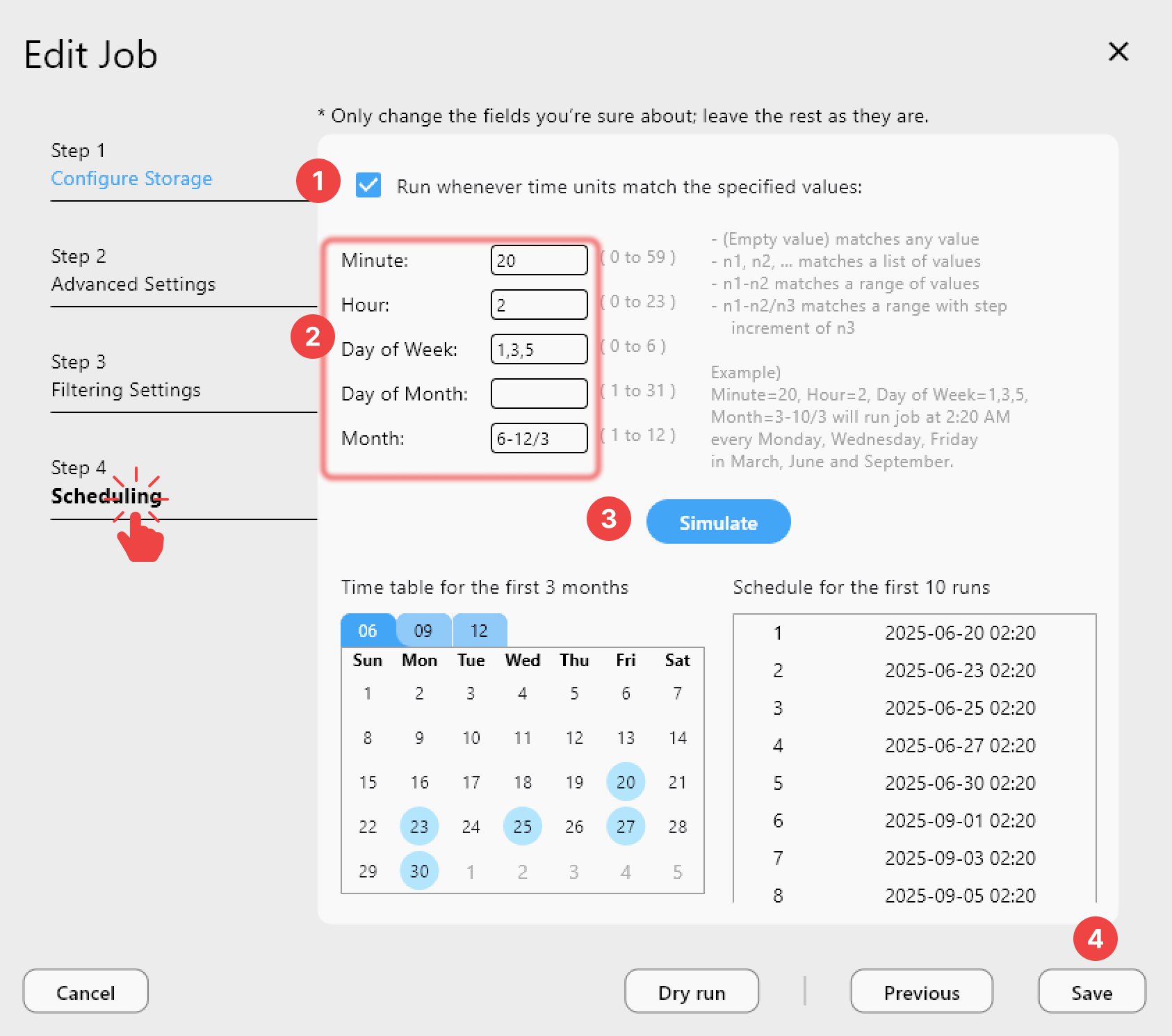
Enterprise data on Box often falls under retention and compliance policies that demand independent backups. RcloneView's job scheduler lets you define recurring backup jobs — nightly, weekly, or on custom cron schedules — to replicate Box content to a secondary provider.
A proven pattern for regulated industries: schedule a daily sync from Box to Backblaze B2 with Object Lock enabled. This produces an immutable, versioned copy of your Box data that satisfies audit requirements for data durability and independent custody. RcloneView's job history gives compliance officers a clear log of every backup run, including timestamps, file counts, and error details.
For IT teams managing multiple Box instances across departments, you can configure separate remotes for each Box account and run parallel backup jobs from a single RcloneView installation.
Mounting Box as a Network Drive
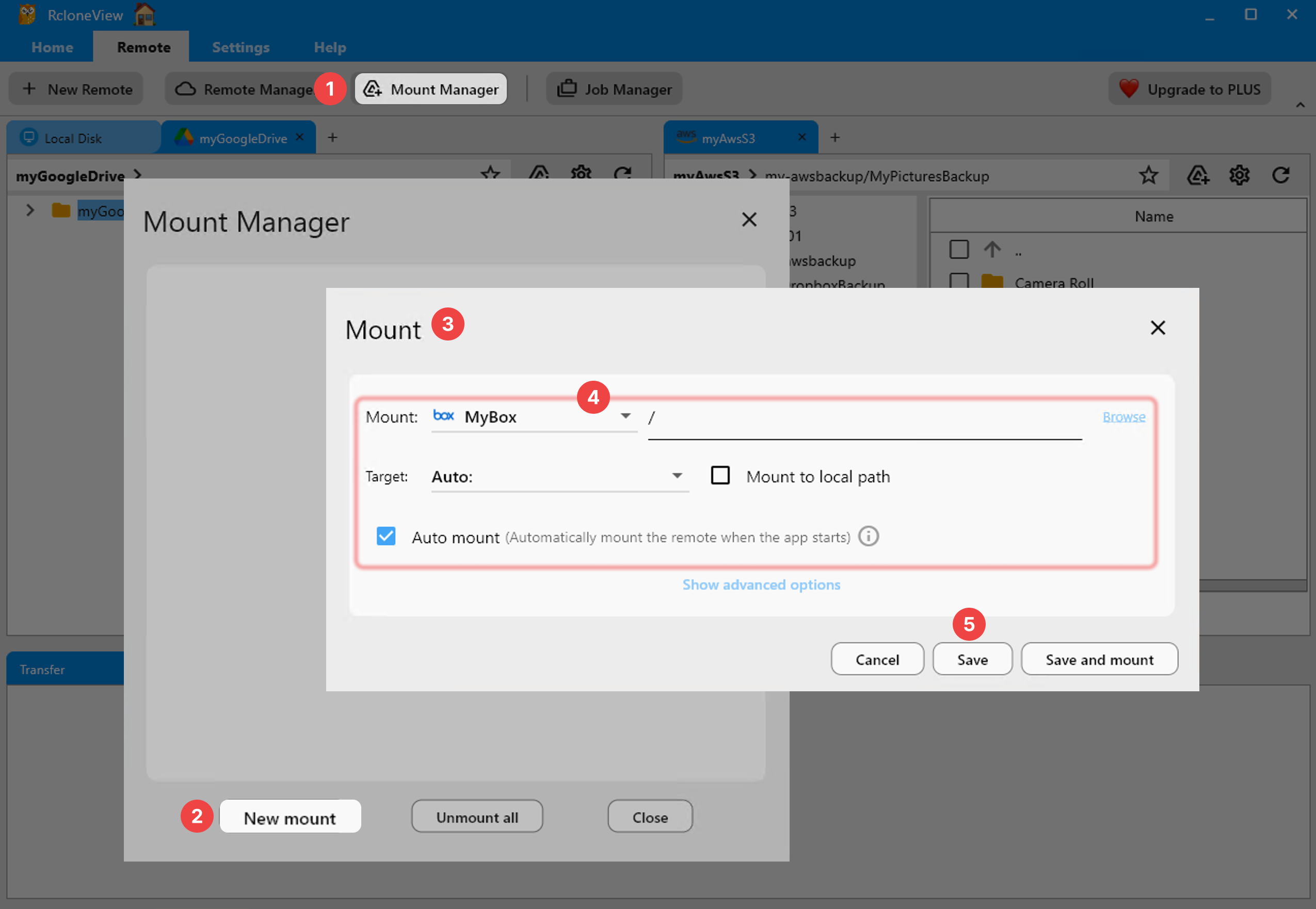
RcloneView's mount feature maps Box storage as a local drive letter (Windows) or mount point (macOS/Linux). This lets legacy applications, scripts, and desktop tools access Box files as if they were local. The VFS caching layer buffers reads and writes, so performance remains acceptable for document editing and media preview workflows.
For teams that need Box content available in Windows Explorer without installing Box Drive, this is a lightweight alternative that does not require admin privileges or background sync agents.
Getting Started
- Download RcloneView from rcloneview.com.
- Authorize your Box account via OAuth in the Remote Manager.
- Browse your Box folders in the two-pane explorer and sync or copy files to another cloud.
- Create a scheduled backup job to maintain an independent copy of critical Box data.
Box handles governance and collaboration at the enterprise level, and RcloneView ensures that data is portable, backed up, and integrated with the rest of your cloud infrastructure.
Related Guides:
Supported Cloud Providers