Fix OneDrive Path Too Long Errors — Resolve Sync Issues with RcloneView
A single deeply nested folder can silently break your entire OneDrive sync.
OneDrive enforces a 400-character limit on the full file path, including the folder hierarchy and filename combined. When a sync job hits this limit, the affected files simply fail to upload — often without a clear explanation in the native OneDrive client. RcloneView exposes these errors directly in its transfer log, and its path-handling options give you practical ways to work around the restriction without restructuring your entire folder tree.
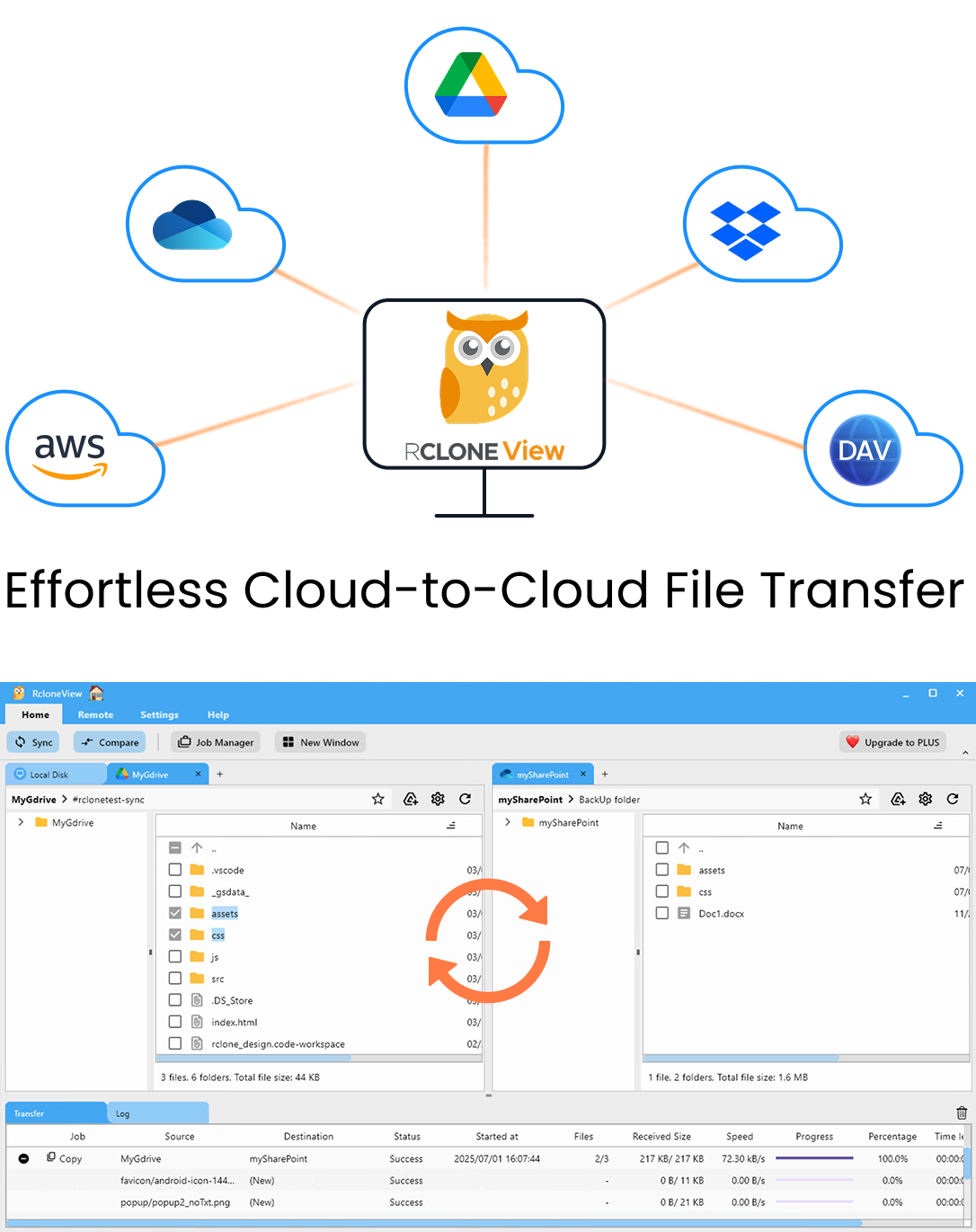
Manage & Sync All Clouds in One Place
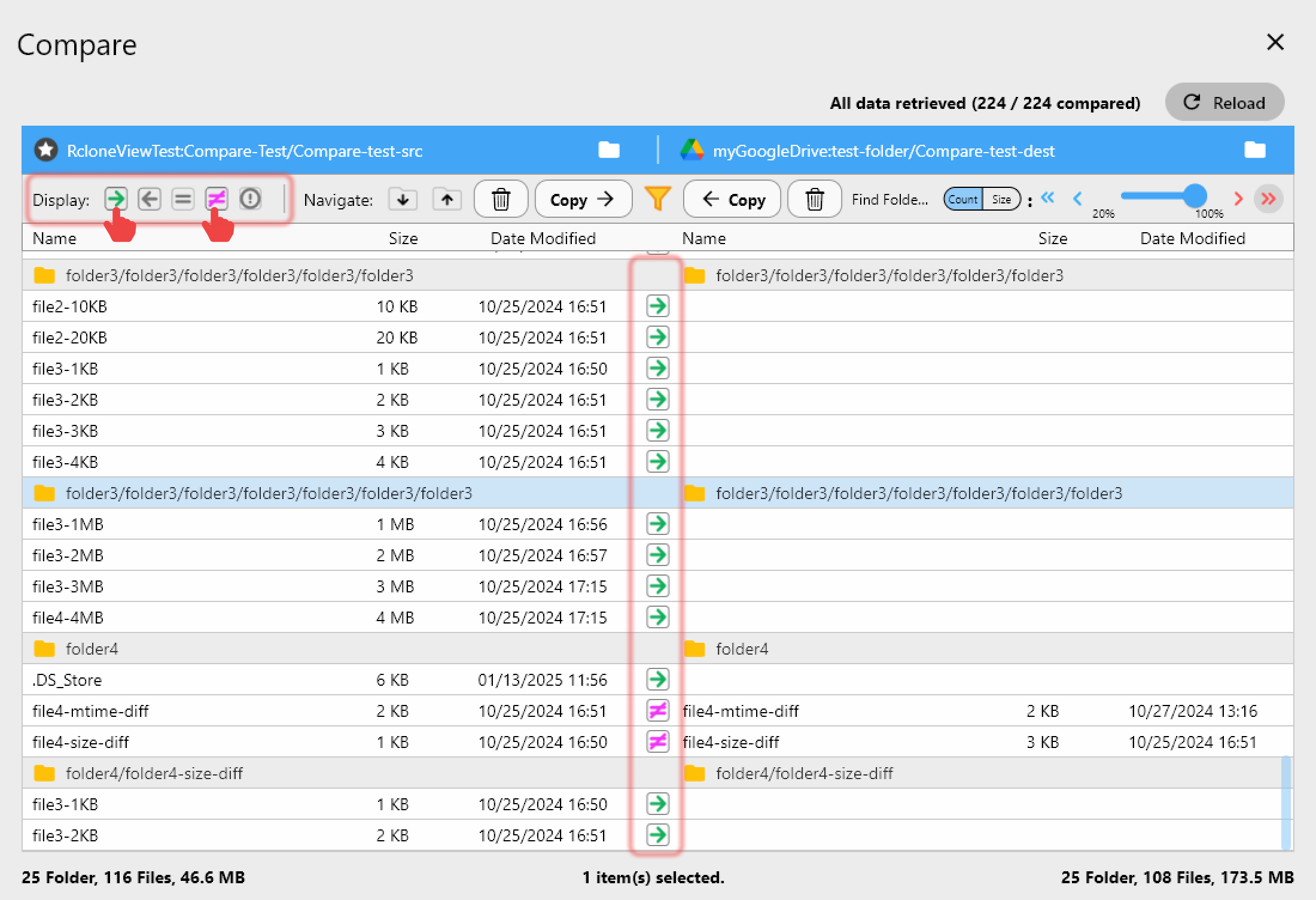
RcloneView is a cross-platform GUI for rclone. Compare folders, transfer or sync files, and automate multi-cloud workflows with a clean, visual interface.
- One-click jobs: Copy · Sync · Compare
- Schedulers & history for reliable automation
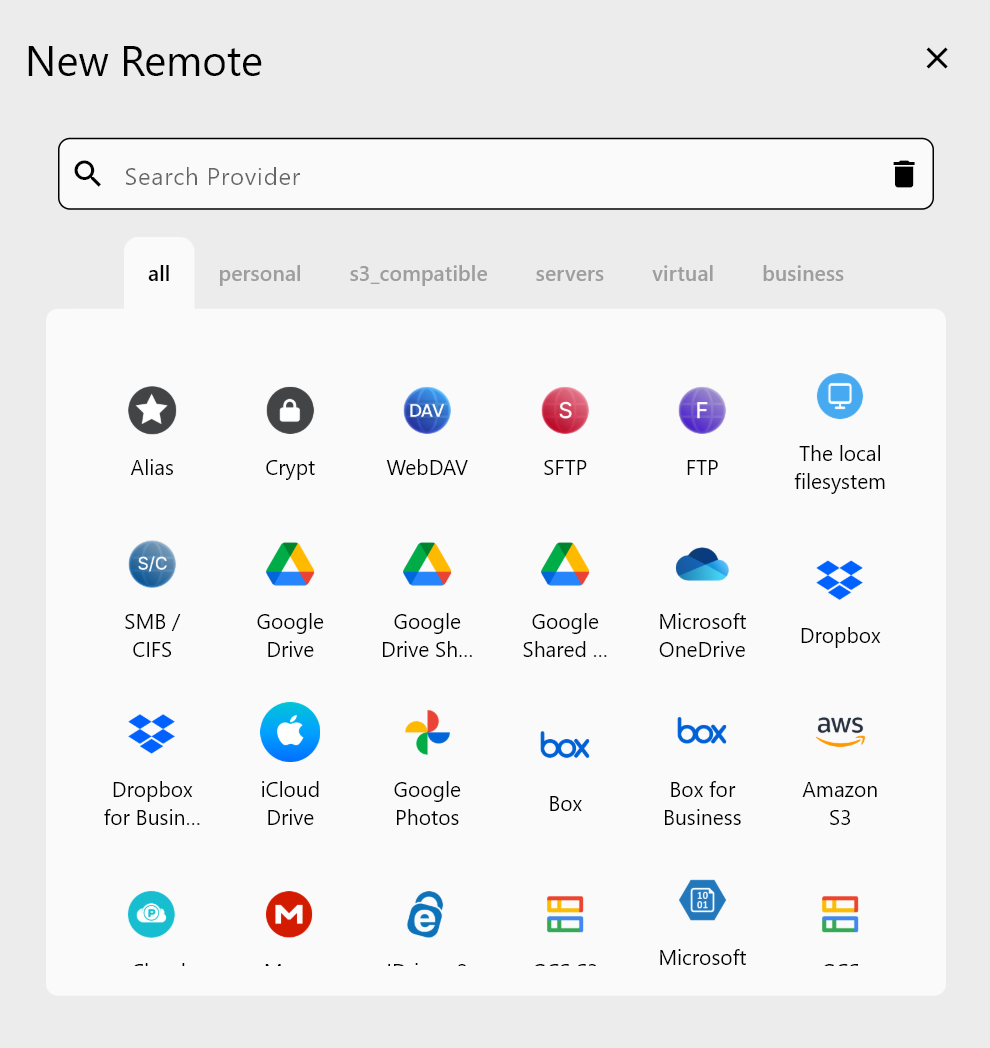
- Works with Google Drive, OneDrive, Dropbox, S3, WebDAV, SFTP and more
Free core features. Plus automations available.
Understanding the OneDrive Path Length Limit
Microsoft OneDrive limits the entire path — from the root of the OneDrive folder through every subfolder to the filename and extension — to 400 characters. The SharePoint backend that powers OneDrive for Business has a similar constraint at 400 characters for the URL-encoded path. This means special characters that expand during URL encoding (spaces become %20, for instance) consume the budget even faster.
The problem compounds in team environments. A project folder named 2026 Q1 Marketing Campaign - Final Approved Assets - Region APAC already burns through 60 characters before you even reach the first subfolder. Nest three or four layers of descriptively named folders and you quickly approach the ceiling, especially when applications auto-generate verbose filenames.
The native OneDrive sync client on Windows may show a generic "can't sync" icon with minimal detail. RcloneView, by contrast, logs the exact path that exceeded the limit, the character count, and the API error code returned by Microsoft's Graph API.
Identifying Affected Files
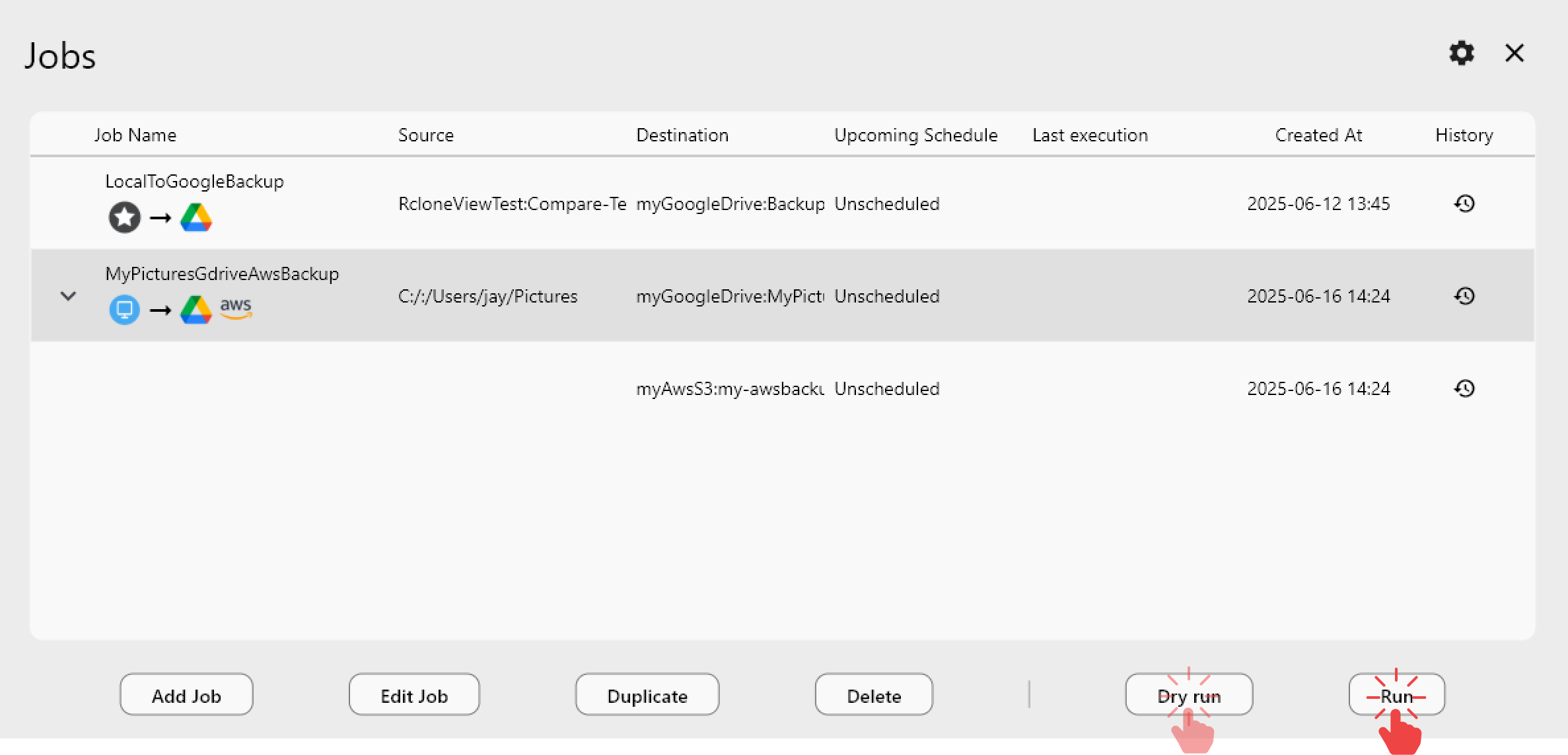
Before fixing anything, you need to know which files are blocked. RcloneView's dry-run mode (--dry-run) simulates the sync and reports every file that would fail due to path length. This lets you generate a complete list without modifying any data.
In the transfer log, path-too-long errors appear with a clear message and the offending path. You can sort and filter these entries to find the worst offenders — typically files buried four or more folders deep with long names at every level.
For ongoing monitoring, RcloneView's job history retains error details across runs, so you can track whether path-length failures are increasing as teams add new nested content.
Practical Fixes for Long Paths
The cleanest solution is shortening folder and file names at the source. However, that is not always feasible in shared environments. RcloneView offers several alternatives that address the problem at the transfer level.
Using --onedrive-encoding flags, you can control how special characters are handled during upload. Reducing spaces and special characters in the encoded path frees up character budget. The --max-depth flag lets you selectively sync only the top-level folders, skipping deeply nested structures that exceed the limit.
For files that must sync regardless of path length, consider creating a flatter mirror structure. RcloneView's --flat and filter rules let you map deeply nested source paths into a shallower destination hierarchy. Combined with --exclude filters, you can skip known problem directories while keeping the rest of the sync intact.
Preventing Future Path Issues
Establishing naming conventions is the long-term fix. Limit folder names to 30 characters and filenames to 50 characters, and you can nest up to six levels deep while staying under 400 characters with room to spare.
RcloneView's --max-transfer and filter rules can serve as guardrails, automatically skipping files that would exceed provider limits. Pair this with scheduled dry-run reports to catch new violations before they disrupt production syncs.
Getting Started
- Download RcloneView from rcloneview.com.
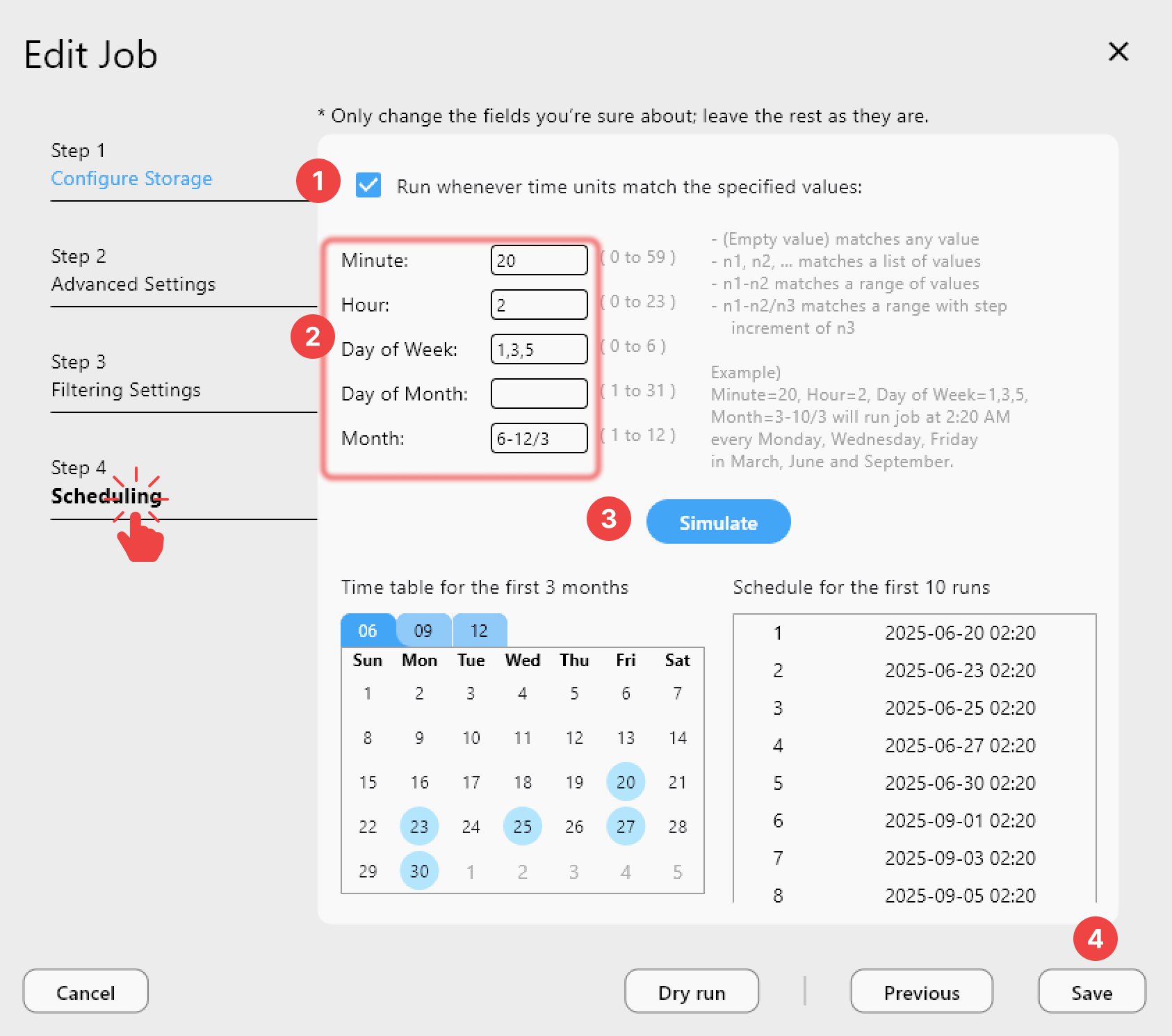
- Run a dry-run sync against your OneDrive to identify all files exceeding the 400-character path limit.
- Apply exclusion filters for deeply nested directories that consistently trigger path errors.
- Establish naming conventions and use scheduled dry-run reports to catch new violations early.
With proactive path management, OneDrive sync errors stop being a recurring headache.
Related Guides:
- Fix Filename Special Characters in Cloud Sync — Resolve Errors with RcloneView
- Fix Cloud File Size Limit Errors — Upload Large Files with RcloneView
- Log, Debug, and Troubleshoot Transfers with RcloneView
Supported Cloud Providers