Manage HTTP Remote Storage — Browse and Sync Files with RcloneView

RcloneView turns any public HTTP file index into a browsable remote, so you can pull its contents into Google Drive, S3, or 90+ other cloud providers without a single wget command.
Plenty of datasets, firmware archives, research mirrors, and internal build artifacts still live behind a plain HTTP directory listing — no API, no login, just folders and files served over a URL. Downloading from these sources usually means scripting curl or wget loops and hoping the directory structure doesn't change mid-run. RcloneView connects to any HTTP endpoint as a read-only remote and lets you browse it in the same explorer panel you use for cloud storage, then copy what you need into a proper backup destination.
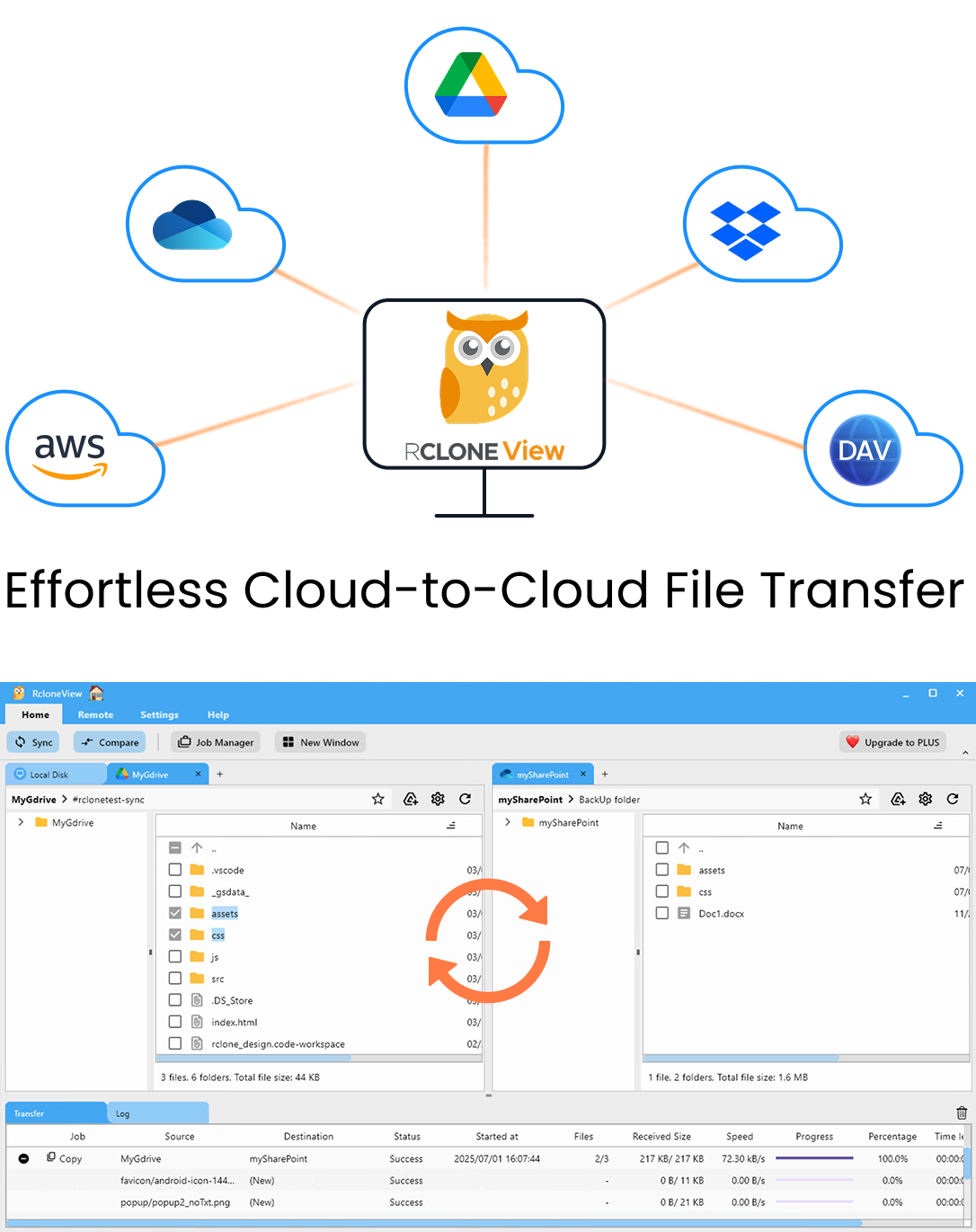
Manage & Sync All Clouds in One Place
RcloneView is a cross-platform GUI for rclone. Compare folders, transfer or sync files, and automate multi-cloud workflows with a clean, visual interface.
- One-click jobs: Copy · Sync · Compare
- Schedulers & history for reliable automation
- Works with Google Drive, OneDrive, Dropbox, S3, WebDAV, SFTP and more
Free core features. Plus automations available.
Connecting an HTTP Remote in RcloneView
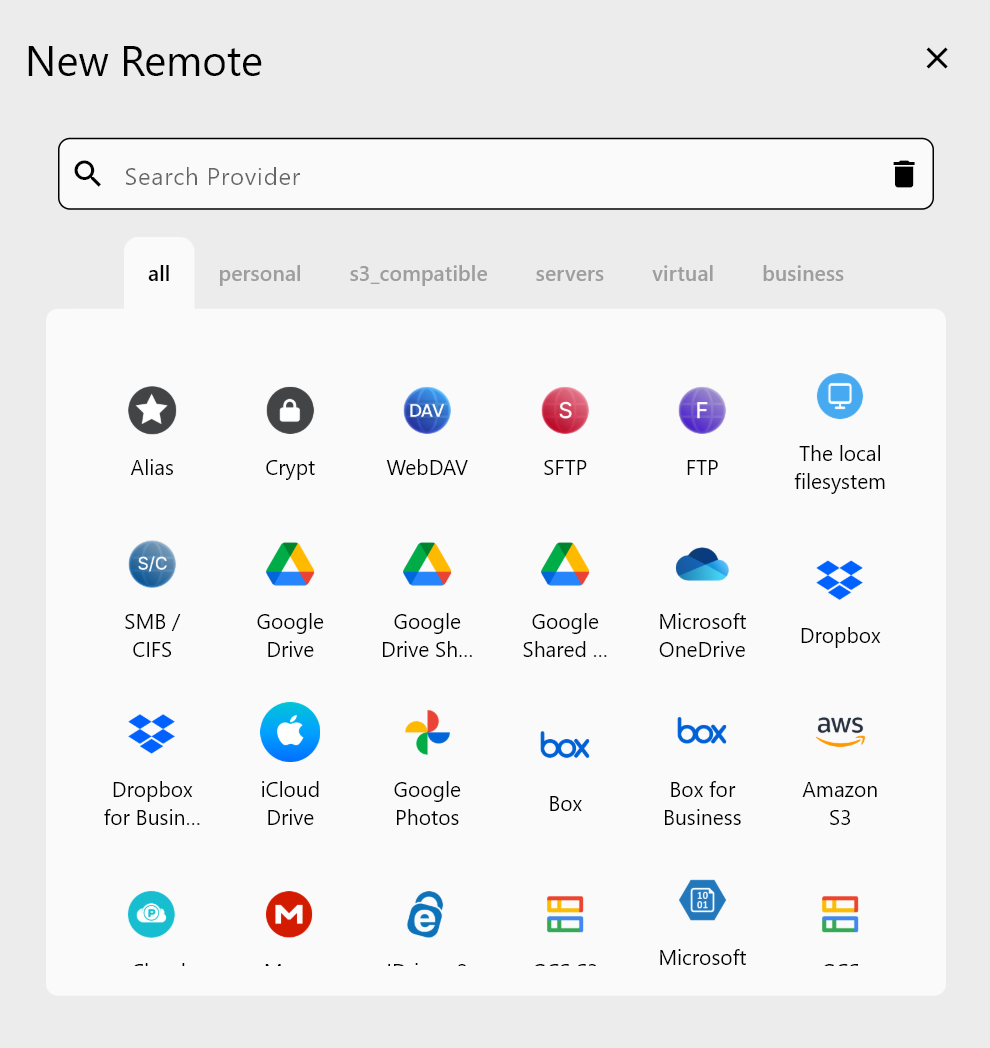
Open the Remote tab and click New Remote, then choose HTTP from the provider list. Enter the base URL of the file index you want to browse — RcloneView reads the server's directory listing and presents it as a normal folder tree. There's no OAuth flow and no credentials to manage because HTTP remotes are read-only by design: you can list, browse, and download files, but you can't upload, rename, or delete anything on the source server.
That distinction matters for how you use this remote type. Unlike mount-only tools, RcloneView also syncs and compares folders — on the FREE license — so an HTTP remote works best as a source you pull from, with a writable cloud or local destination on the other side.
Browsing and Downloading from an HTTP Index
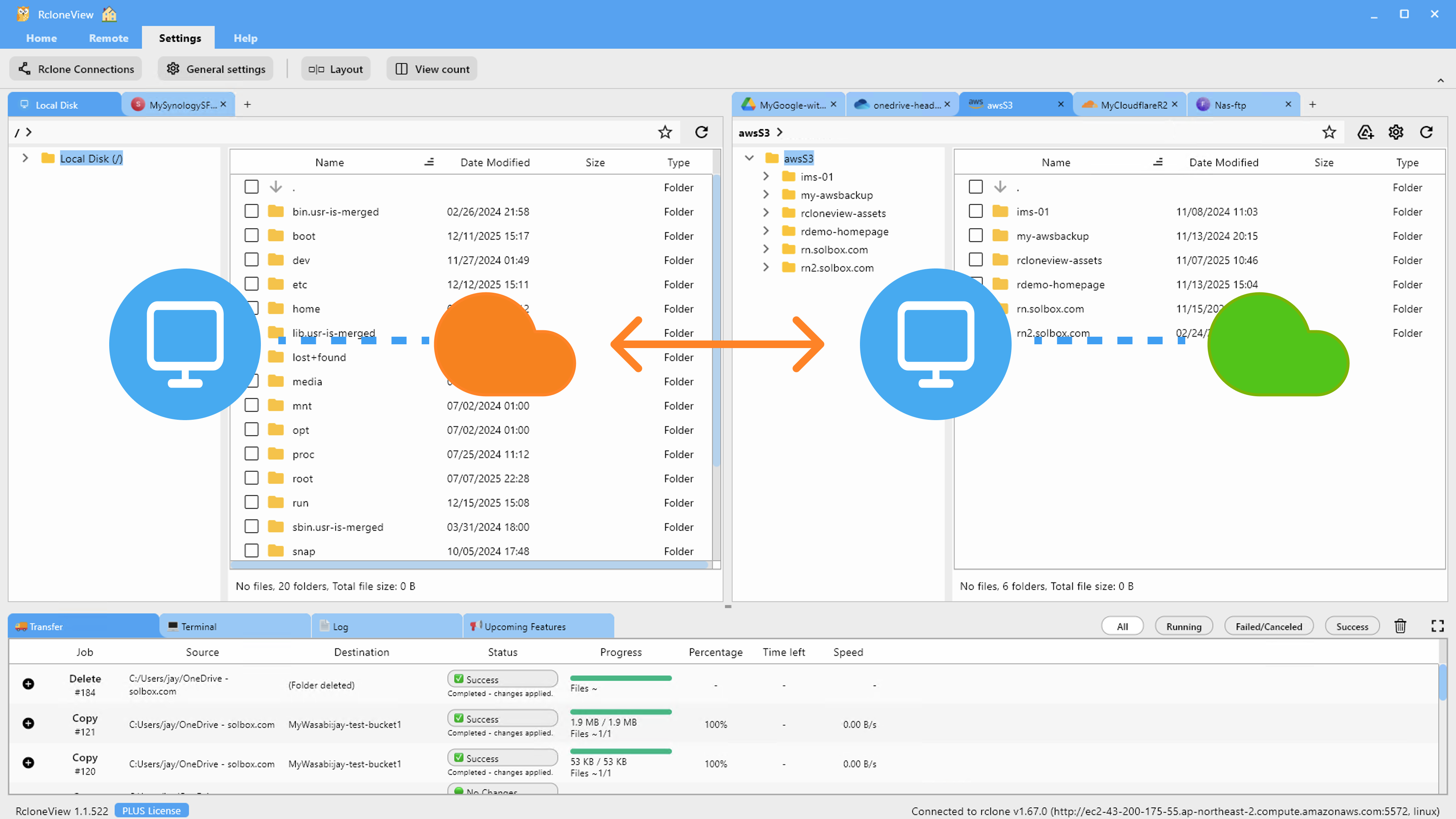
Once connected, the HTTP remote behaves like any other panel in RcloneView's multi-pane explorer. Expand the folder tree, check file sizes and modification dates where the server reports them, and use Ctrl+Click or Shift+Click to select multiple files or subfolders before downloading. Open a cloud destination — a Backblaze B2 bucket or a Google Drive folder — in the adjacent panel and drag files across to start a transfer.
This is a common pattern for teams mirroring public dataset archives, pulling firmware images from a vendor's HTTP distribution point, or archiving snapshots from an internal build server that only exposes a directory listing.
Scheduling Recurring Pulls from an HTTP Source
If the HTTP index is updated periodically — nightly builds, weekly dataset refreshes — set up a Job Manager entry with the HTTP remote as source and your cloud storage as destination. Run a Dry Run first to confirm exactly which files will be copied, since HTTP directory listings can vary in how much metadata they expose and you'll want to verify file matching behaves as expected before a live transfer.
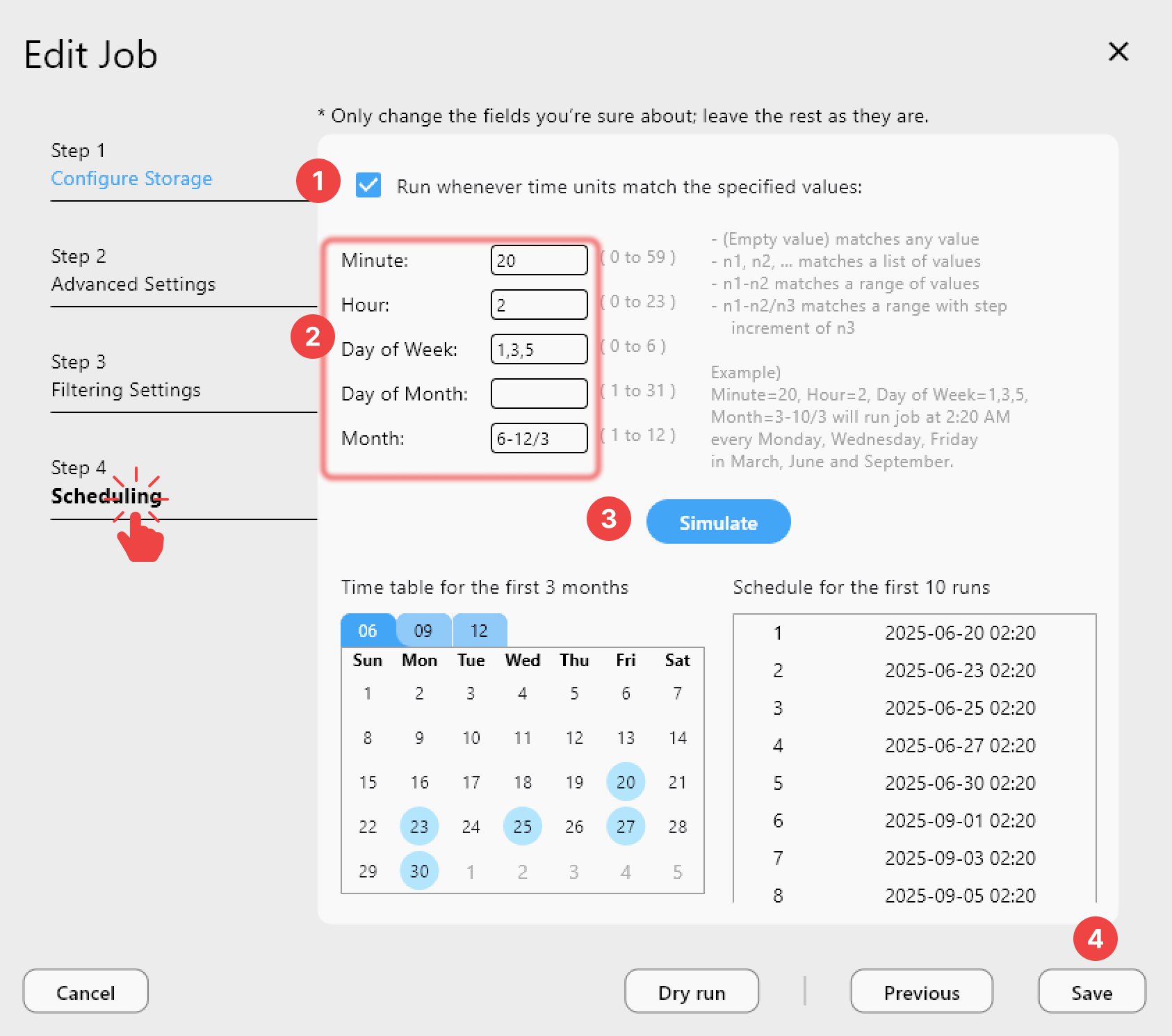
With a PLUS license, attach a crontab-style schedule to the job so new files published on the HTTP server are pulled into your cloud archive on that schedule, and check the Job History tab afterward to confirm transfer counts and catch any files the source server stopped serving.
Getting Started
- Download RcloneView from rcloneview.com.
- Open Remote > New Remote and select HTTP from the provider list.
- Enter the base URL of the directory listing and save the remote.
- Open the HTTP remote in one panel and your cloud destination in the other.
- Use Job Manager to configure a sync job, running a Dry Run before the first live pull.
Once an HTTP source is connected, pulling files into your cloud archive becomes a repeatable, auditable job instead of a one-off script you have to remember to re-run.
Related Guides:
- Connect Any WebDAV Server to RcloneView — Sync with Google Drive, S3, and 90+ Clouds
- Connect Any SFTP Server to RcloneView — Sync Remote Servers with Cloud Storage
- Manage FTP Server Storage — Sync and Backup Files with RcloneView
Supported Cloud Providers