Manage Tencent COS Storage — Sync and Backup Files with RcloneView
RcloneView connects to Tencent Cloud Object Storage via S3-compatible credentials, letting you browse, sync, and back up COS buckets from a visual desktop GUI.
Tencent Cloud Object Storage (COS) is one of China's largest object storage platforms, used by enterprises running applications on Tencent Cloud infrastructure. Engineering teams, media companies, and data pipeline operators who need to manage COS buckets alongside other global clouds benefit from RcloneView's unified interface — no switching between dashboards or learning platform-specific CLIs.
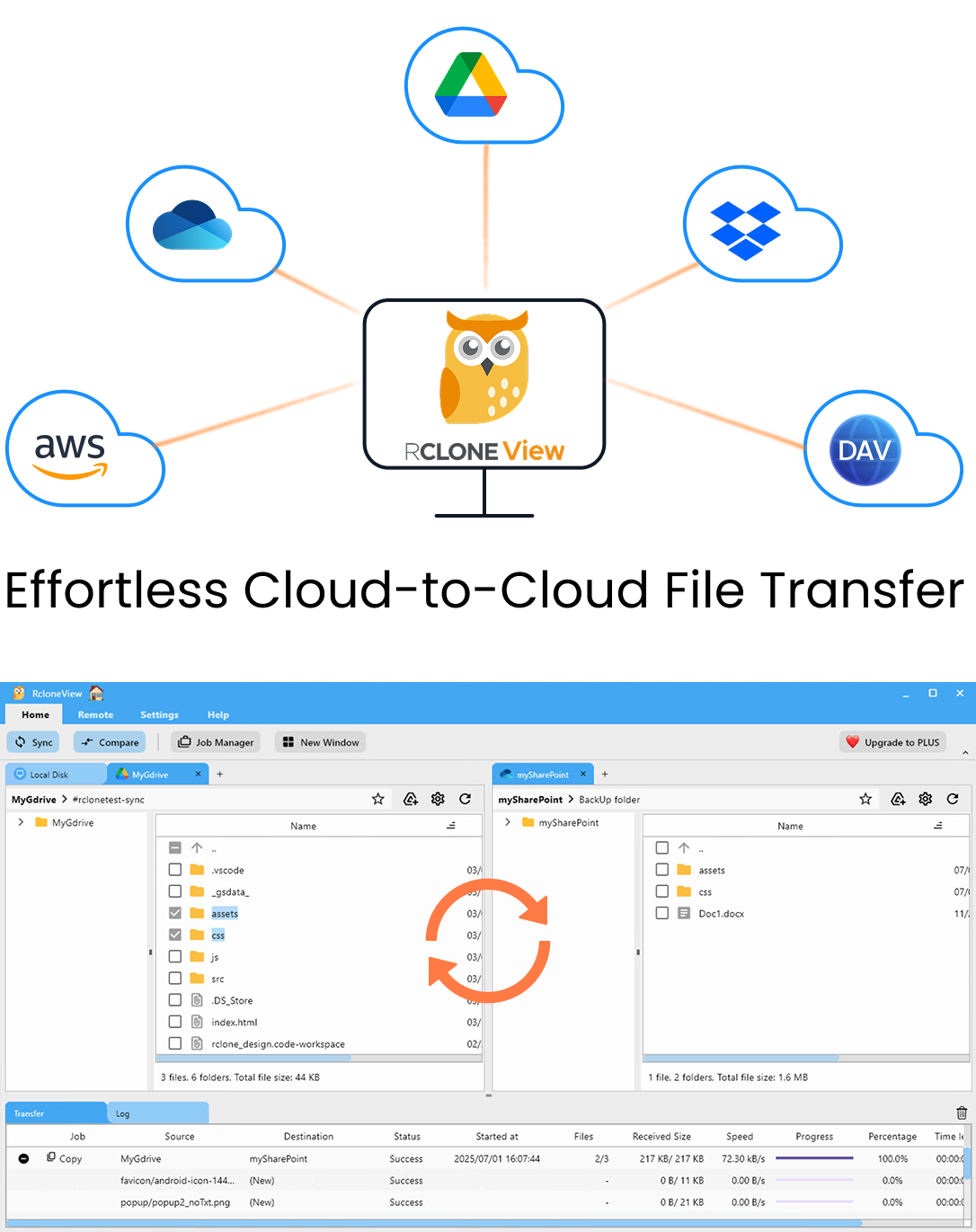
Manage & Sync All Clouds in One Place
RcloneView is a cross-platform GUI for rclone. Compare folders, transfer or sync files, and automate multi-cloud workflows with a clean, visual interface.
- One-click jobs: Copy · Sync · Compare
- Schedulers & history for reliable automation
- Works with Google Drive, OneDrive, Dropbox, S3, WebDAV, SFTP and more
Free core features. Plus automations available.
Connect Tencent COS to RcloneView
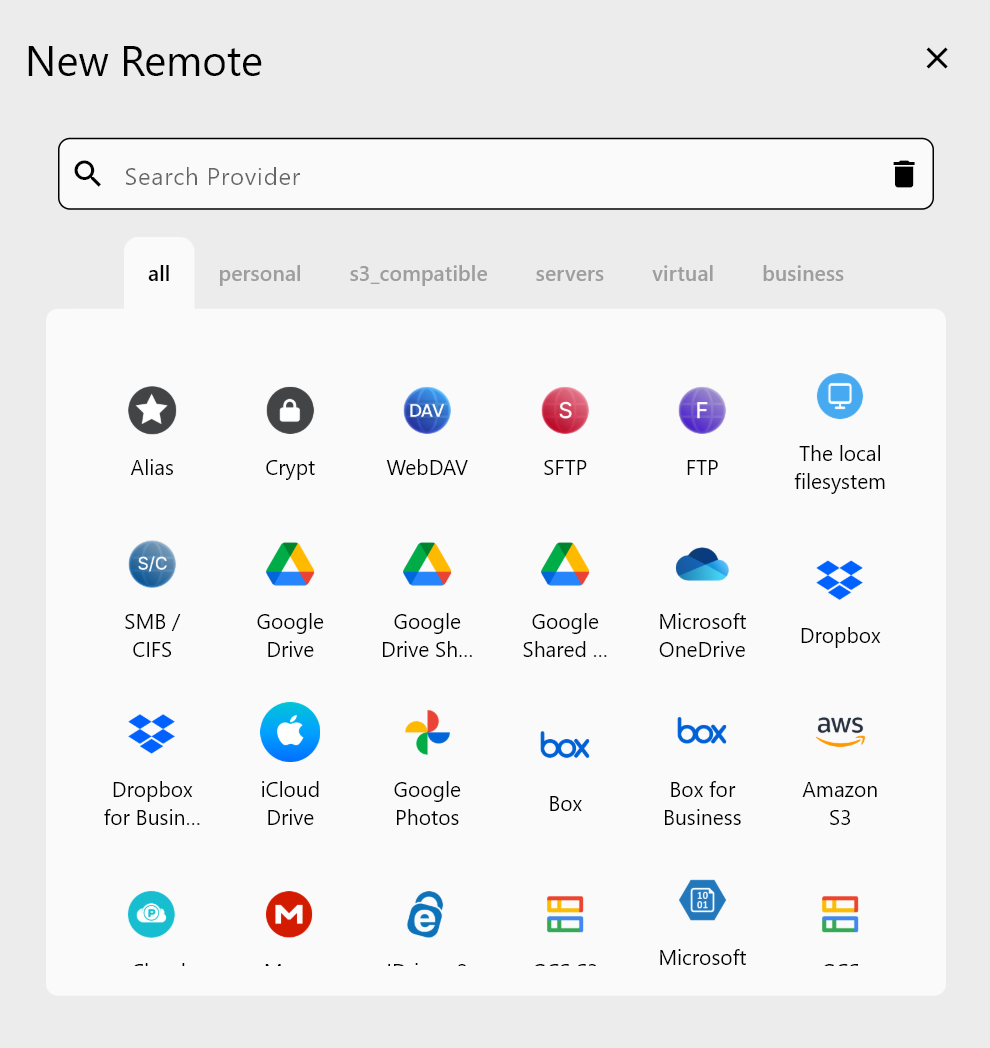
Tencent COS supports the S3-compatible API, so connecting it to RcloneView uses the Amazon S3 provider type with COS-specific settings. In RcloneView, go to Remote tab > New Remote, select Amazon S3, and fill in:
- Access Key ID and Secret Access Key from your Tencent Cloud console (CAM credentials)
- Region matching your COS bucket region (e.g.,
ap-guangzhou) - Endpoint set to your COS endpoint (e.g.,
cos.ap-guangzhou.myqcloud.com) - Provider set to Tencent COS in the S3 provider dropdown
Once saved, your COS buckets appear in the file explorer. You can browse, upload, download, rename, delete, and organize files just as with any other S3-compatible remote.
Sync Data Between Tencent COS and Global Clouds
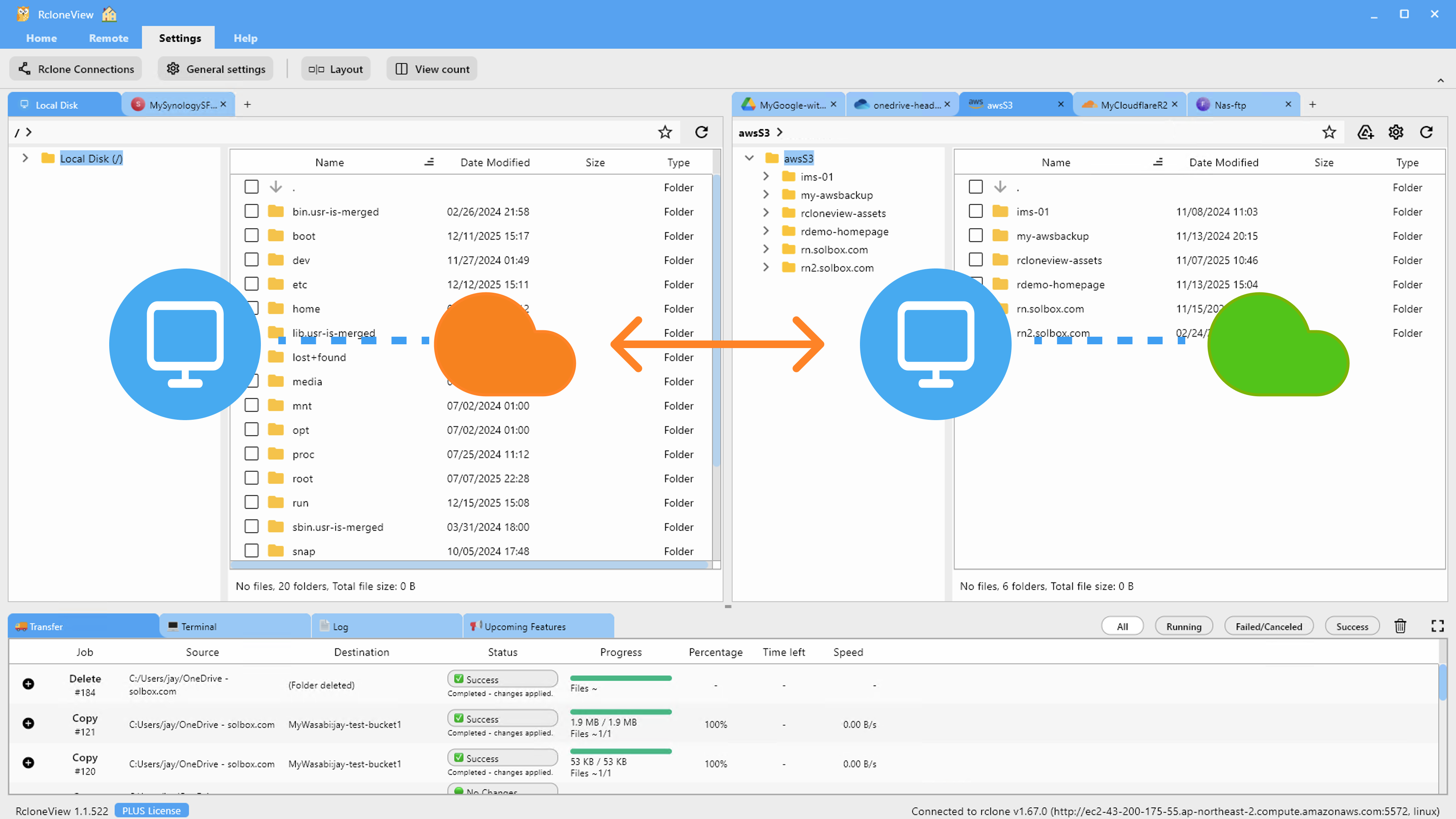
One powerful use case is syncing data between Tencent COS (used for serving content in China) and a global provider like Amazon S3 or Cloudflare R2 (used for international delivery). RcloneView's cloud-to-cloud sync engine moves data directly without downloading to your local machine, making this cross-regional mirror practical even for large datasets.
Configure a sync job in RcloneView with COS as source and S3 as destination. Enable checksum verification to ensure data integrity across the transfer — essential when replicating production data between regions.
Automate COS Backup Jobs (PLUS)
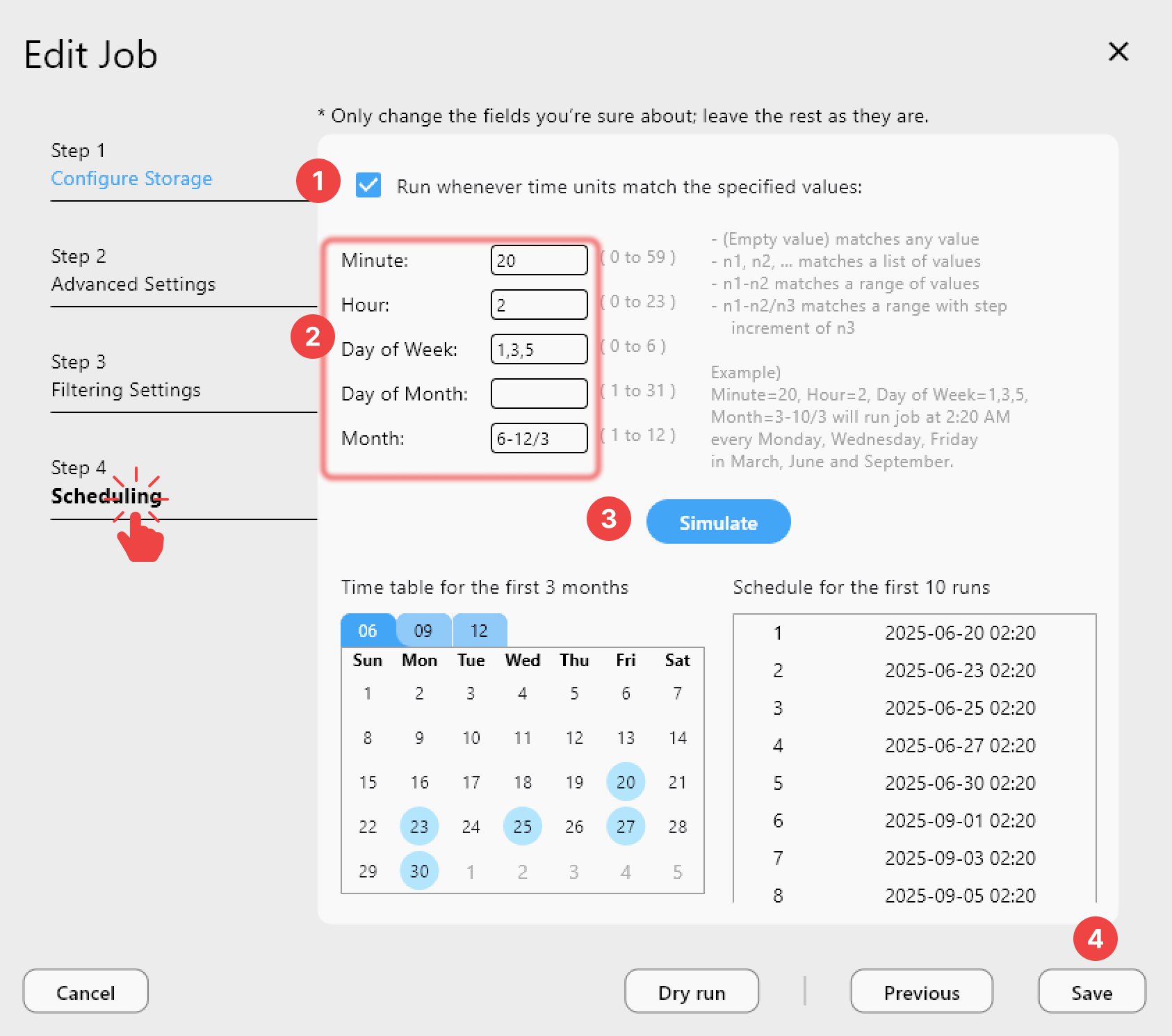
With a PLUS license, schedule recurring Tencent COS sync jobs to run at any cron interval. A media company encoding video on Tencent Cloud might schedule a nightly job to archive processed files from COS to Backblaze B2 or Wasabi for cost-effective long-term storage. The Max file age filter lets you target only recently modified objects, keeping job duration manageable.
Monitor and Audit COS Transfers
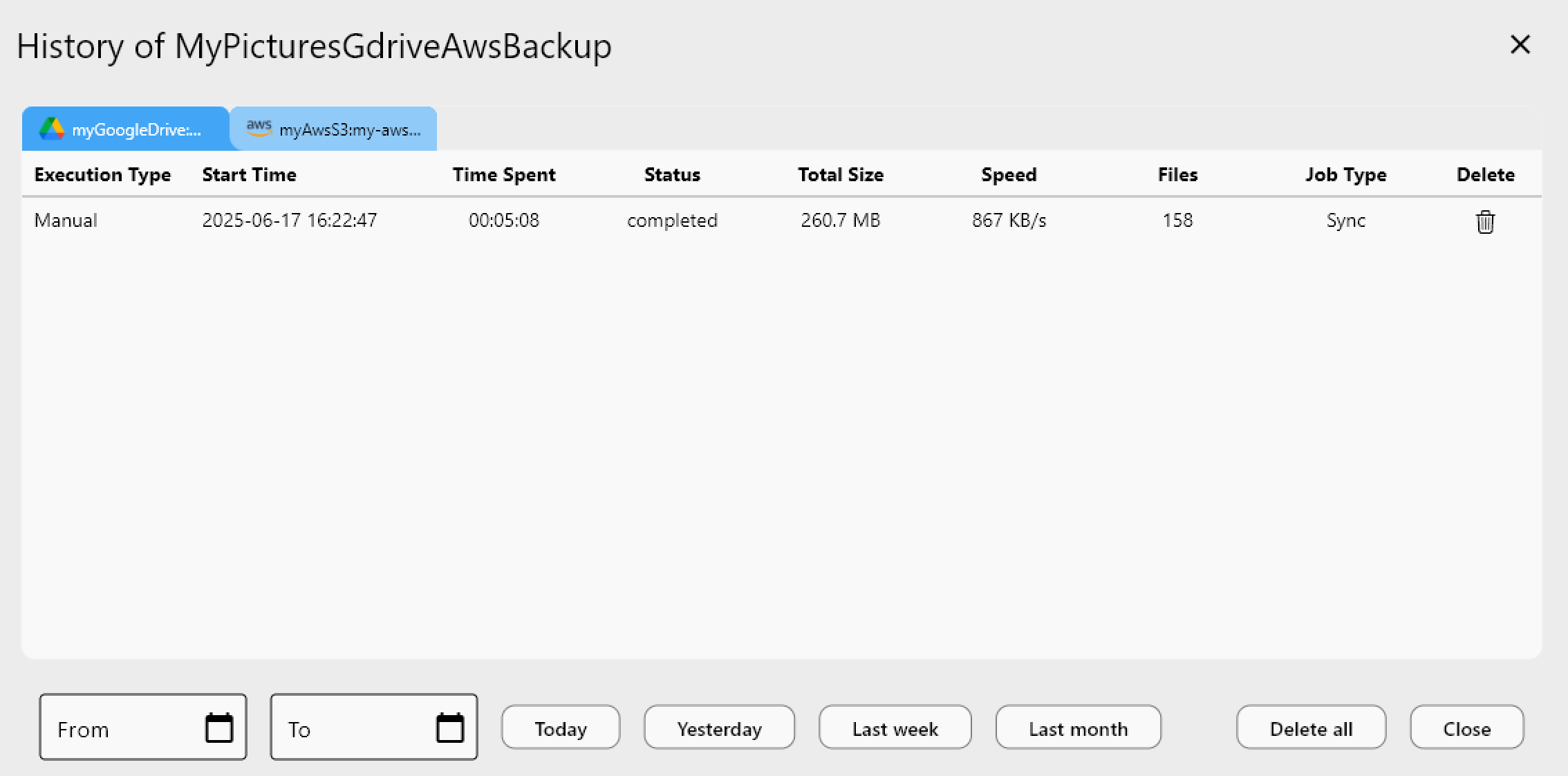
RcloneView's Transfer tab shows live COS sync progress with per-file speed and percentage. After each job, Job History records full transfer statistics — bytes moved, duration, file count, and error details — providing the audit trail that cloud operations teams need for cost attribution and compliance reporting.
Getting Started
- Download RcloneView from rcloneview.com.
- Go to Remote tab > New Remote, select Amazon S3, and choose Tencent COS as the S3 provider.
- Enter your CAM Access Key, Secret Key, region, and COS endpoint URL.
- Browse your COS buckets and configure sync or backup jobs to other providers.
Managing Tencent COS alongside global cloud providers becomes seamless when RcloneView unifies all your storage under one interface.
Related Guides:
- Manage Amazon S3 Storage — Sync and Backup Files with RcloneView
- Manage Cloudflare R2 Storage — Sync and Backup Files with RcloneView
- Centralize S3, Wasabi, and R2 Buckets with RcloneView
Supported Cloud Providers