How to Migrate Cloud Storage with Zero Downtime — Switch Providers Without Disrupting Your Team
"We're moving to a new cloud platform. Nobody can access files until migration is complete." That's the nightmare scenario. Here's how to avoid it with incremental syncs and parallel access.
Cloud migrations fail when they're treated as big-bang events — turn off the old system, transfer everything, turn on the new system. During the transfer (which can take days for large datasets), nobody can work. The better approach: run both systems in parallel, sync incrementally, and cut over seamlessly.
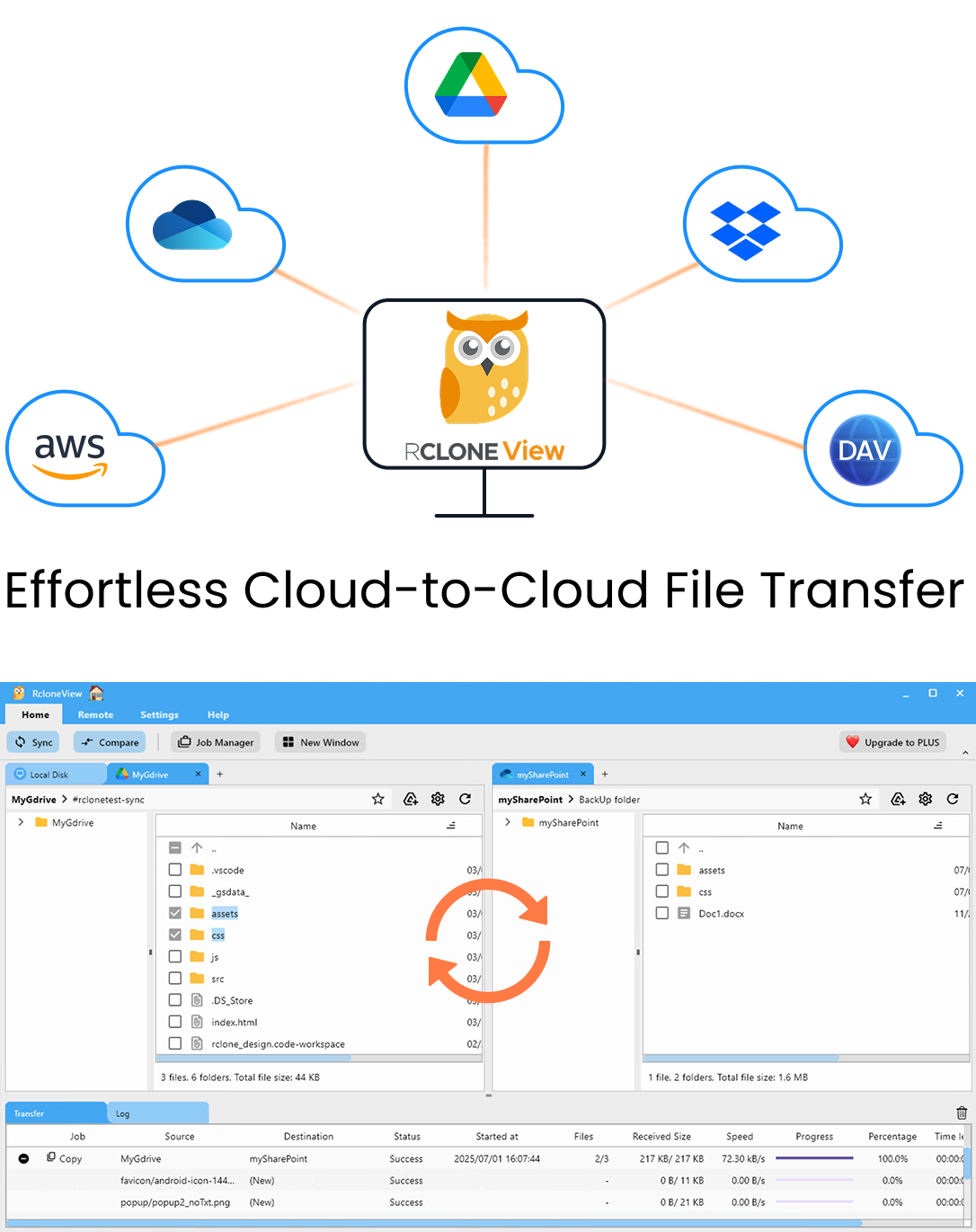
Manage & Sync All Clouds in One Place
RcloneView is a cross-platform GUI for rclone. Compare folders, transfer or sync files, and automate multi-cloud workflows with a clean, visual interface.
- One-click jobs: Copy · Sync · Compare
- Schedulers & history for reliable automation
- Works with Google Drive, OneDrive, Dropbox, S3, WebDAV, SFTP and more
Free core features. Plus automations available.
The Zero-Downtime Strategy
Phase 1: Initial bulk copy (background)
Copy the entire dataset from the old provider to the new one. This happens in the background — users continue working on the old platform.
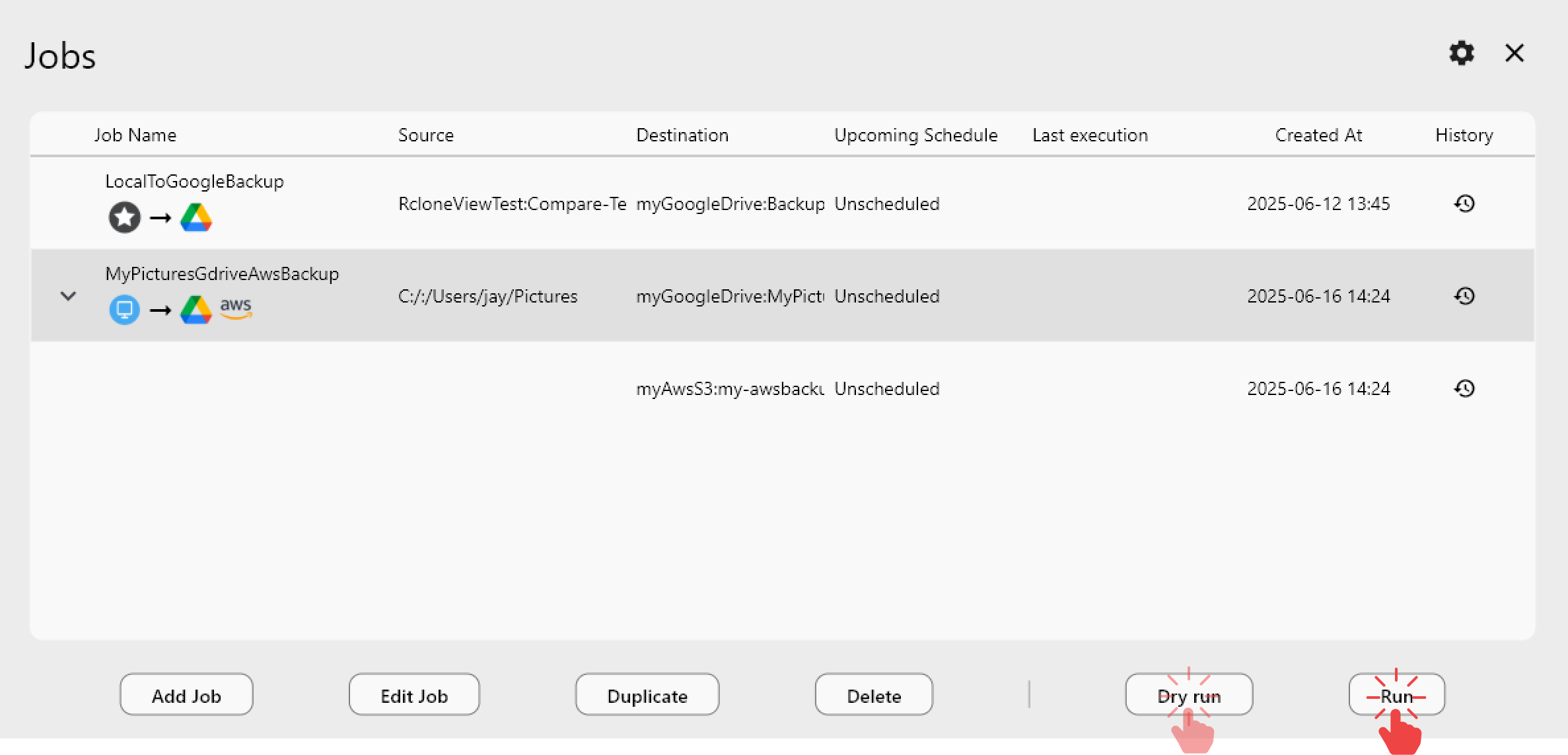
Phase 2: Incremental sync (daily)
While users work on the old platform, run daily incremental syncs to catch changes:
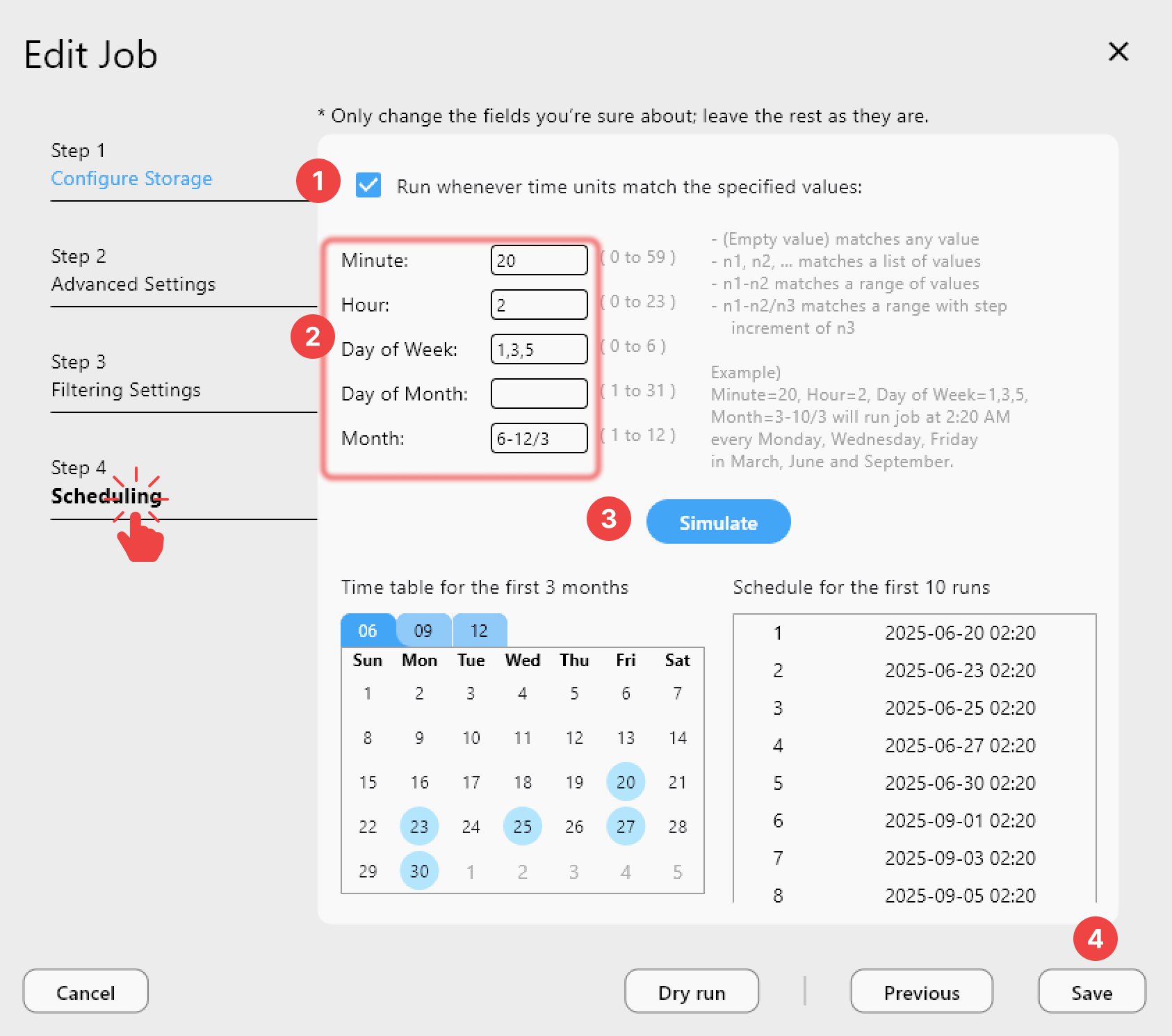
Each incremental run only transfers new and changed files — much faster than the initial copy.
Phase 3: Final sync and cutover
On migration day:
- Run one last incremental sync to catch final changes.
- Verify with Folder Comparison.
- Switch users to the new platform.
- Run one more sync to catch any last-second changes.
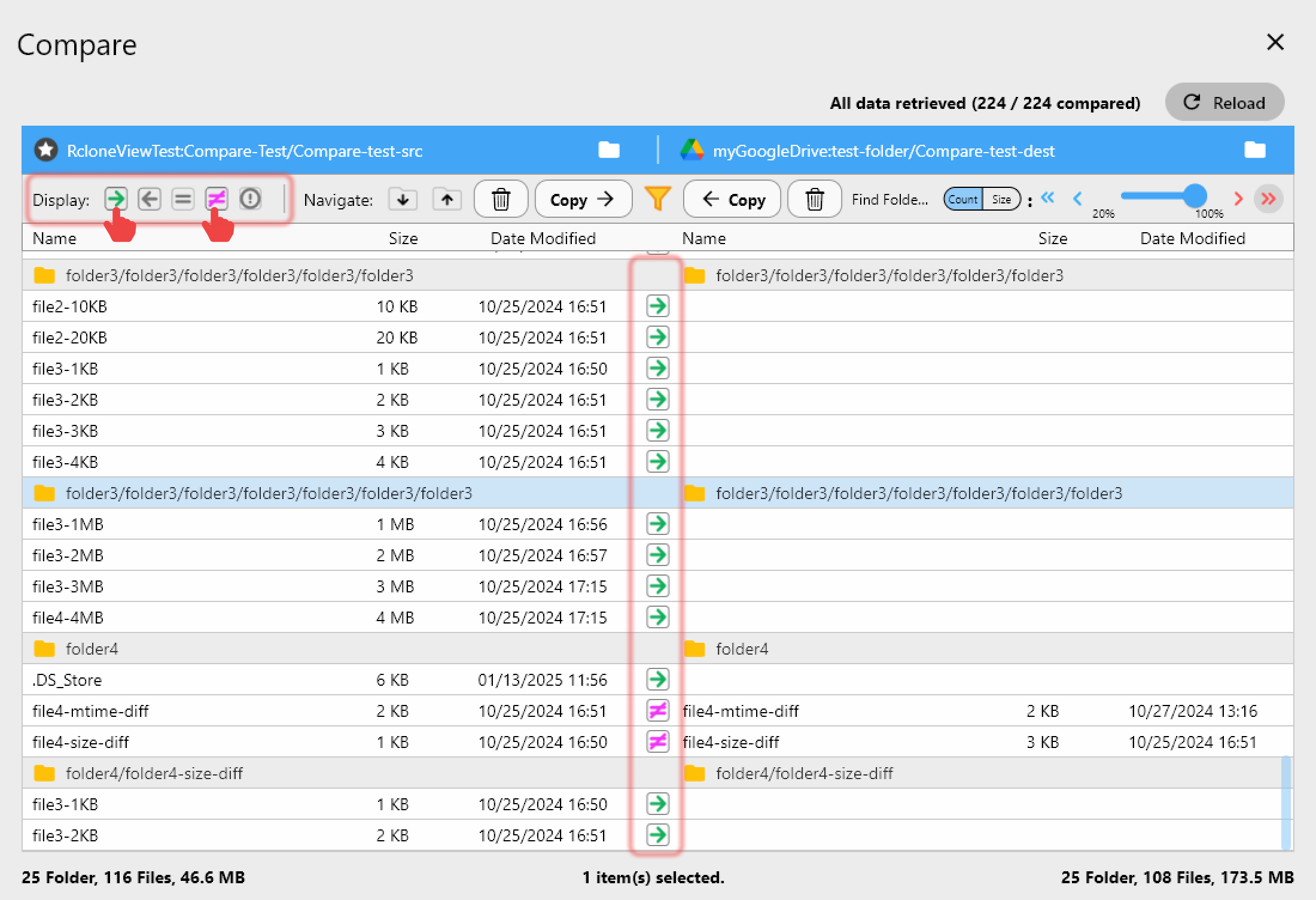
Phase 4: Parallel operation (30 days)
Keep the old platform active for 30 days as a fallback. If anything goes wrong, users can access the old system immediately.
Timeline Example
| Day | Activity | User Impact |
|---|---|---|
| Day 1-7 | Initial bulk copy | None (background) |
| Day 8-27 | Daily incremental sync | None (background) |
| Day 28 | Final sync + verification | Brief (minutes) |
| Day 28 | Cut over to new platform | Users switch |
| Day 29-58 | Old platform as fallback | None |
| Day 59 | Decommission old platform | None |
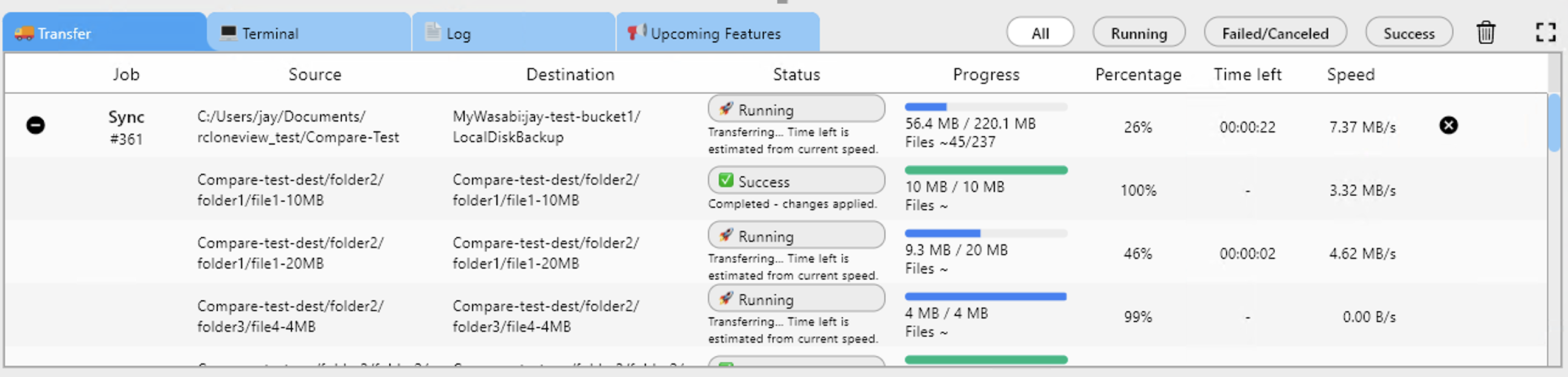
Monitor the Migration
Key Principles
- Never turn off the old system until the new one is verified and stable.
- Use Copy, not Sync during migration — avoid accidental deletions.
- Verify every phase with Folder Comparison.
- Communicate with your team — tell them what's happening and when.
- Have a rollback plan — if the new provider has issues, go back to the old one.
Getting Started
- Download RcloneView from rcloneview.com.
- Add old and new cloud providers.
- Run initial bulk copy in background.
- Schedule daily incremental syncs.
- Verify, cut over, and maintain fallback.
Migrations should be boring. If they're exciting, something went wrong.
Related Guides:
Supported Cloud Providers