Migrate Koofr to Backblaze B2 — Transfer Files with RcloneView
Move your Koofr cloud storage library to Backblaze B2 object storage in a single RcloneView job — verified, monitored, and resumable if interrupted.
Koofr is a privacy-focused European cloud storage service that also acts as a hub connecting other cloud accounts. If you're consolidating to Backblaze B2 for archiving or cost reasons, RcloneView handles the migration directly between the two providers — no local download required. Files stream from Koofr's WebDAV-based backend through rclone's transfer engine directly into your B2 bucket.
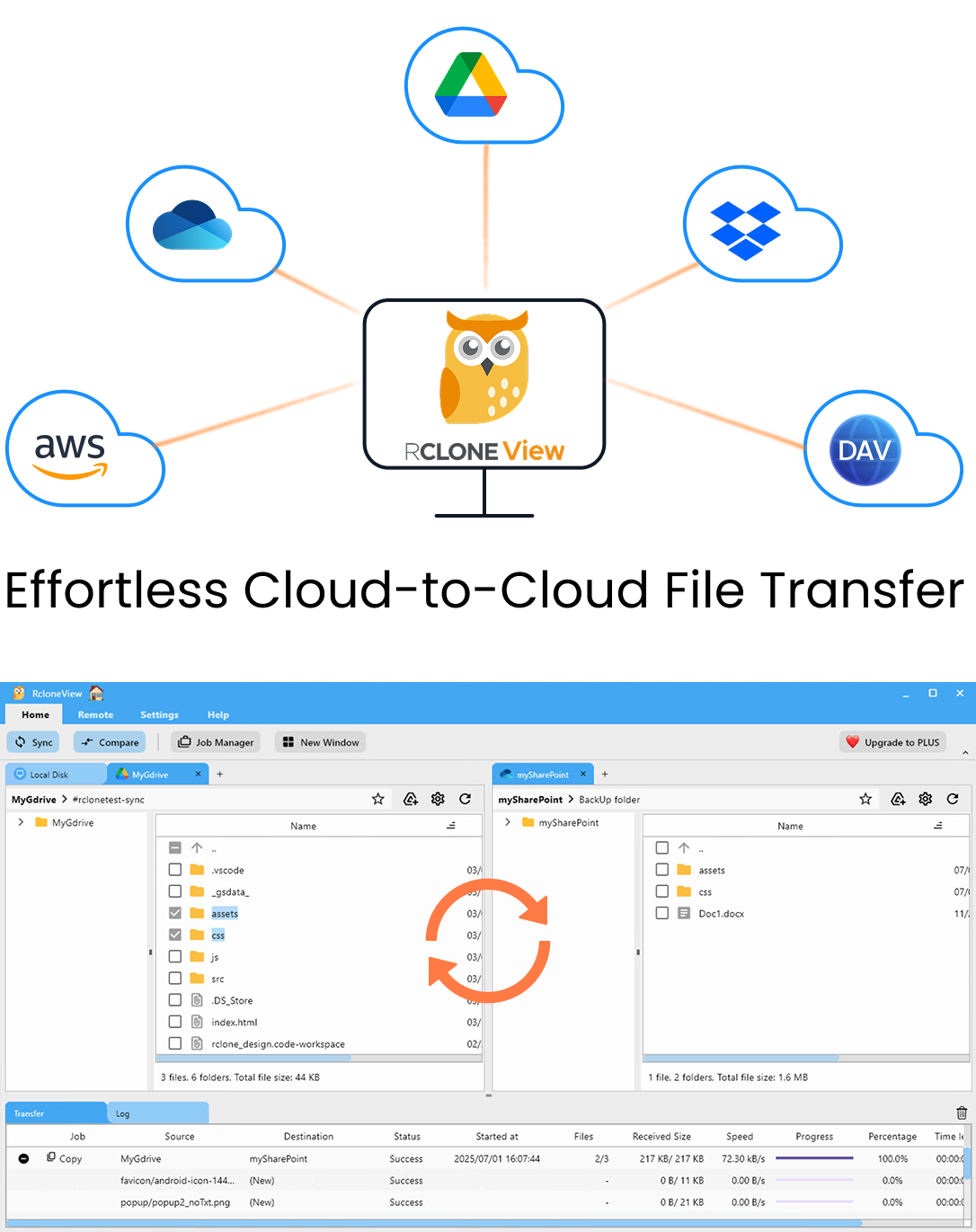
Manage & Sync All Clouds in One Place
RcloneView is a cross-platform GUI for rclone. Compare folders, transfer or sync files, and automate multi-cloud workflows with a clean, visual interface.
- One-click jobs: Copy · Sync · Compare
- Schedulers & history for reliable automation
- Works with Google Drive, OneDrive, Dropbox, S3, WebDAV, SFTP and more
Free core features. Plus automations available.
Setting Up Koofr and Backblaze B2 Remotes
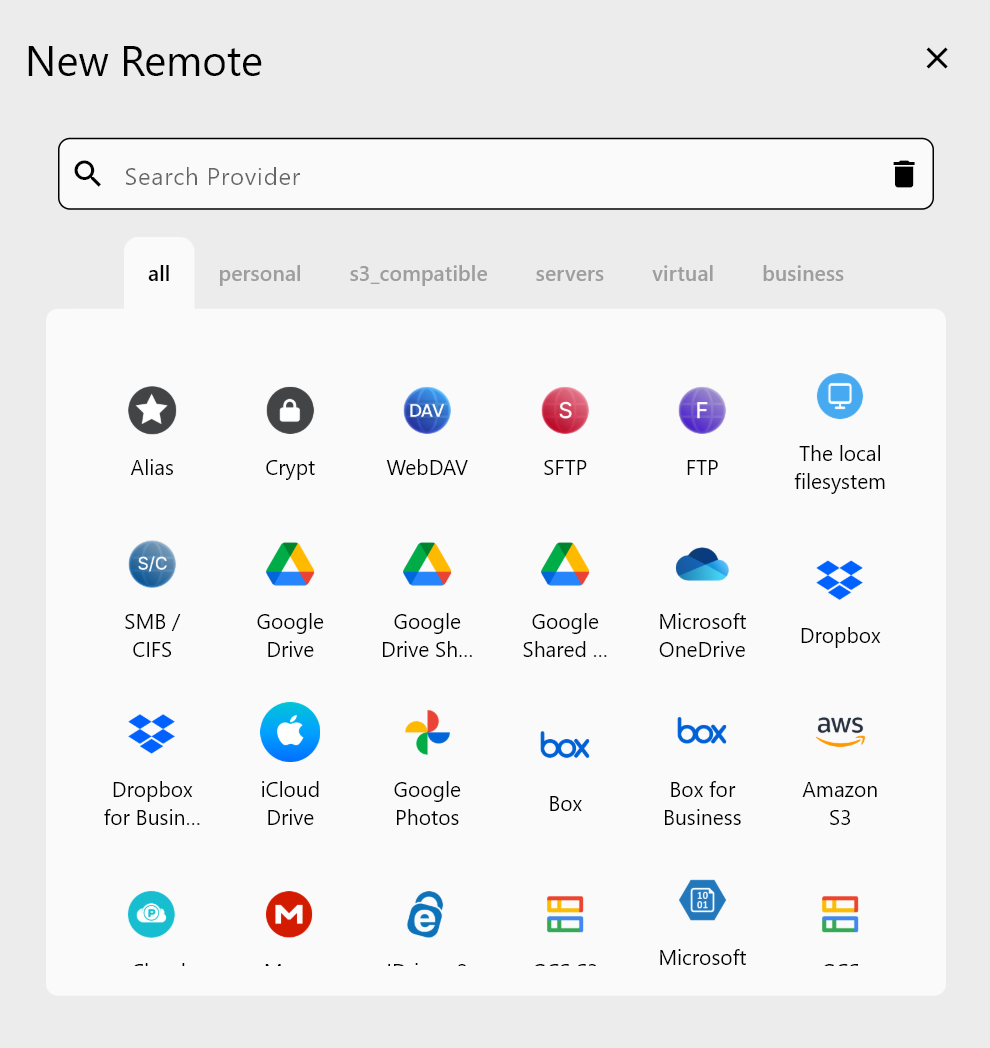
For Koofr, go to Remote tab → New Remote and select Koofr from the provider list. Koofr supports OAuth login — RcloneView opens a browser window for you to authenticate with your Koofr account. Alternatively, if you prefer password-based access, you can generate an app password in Koofr's account settings and use that with your Koofr email.
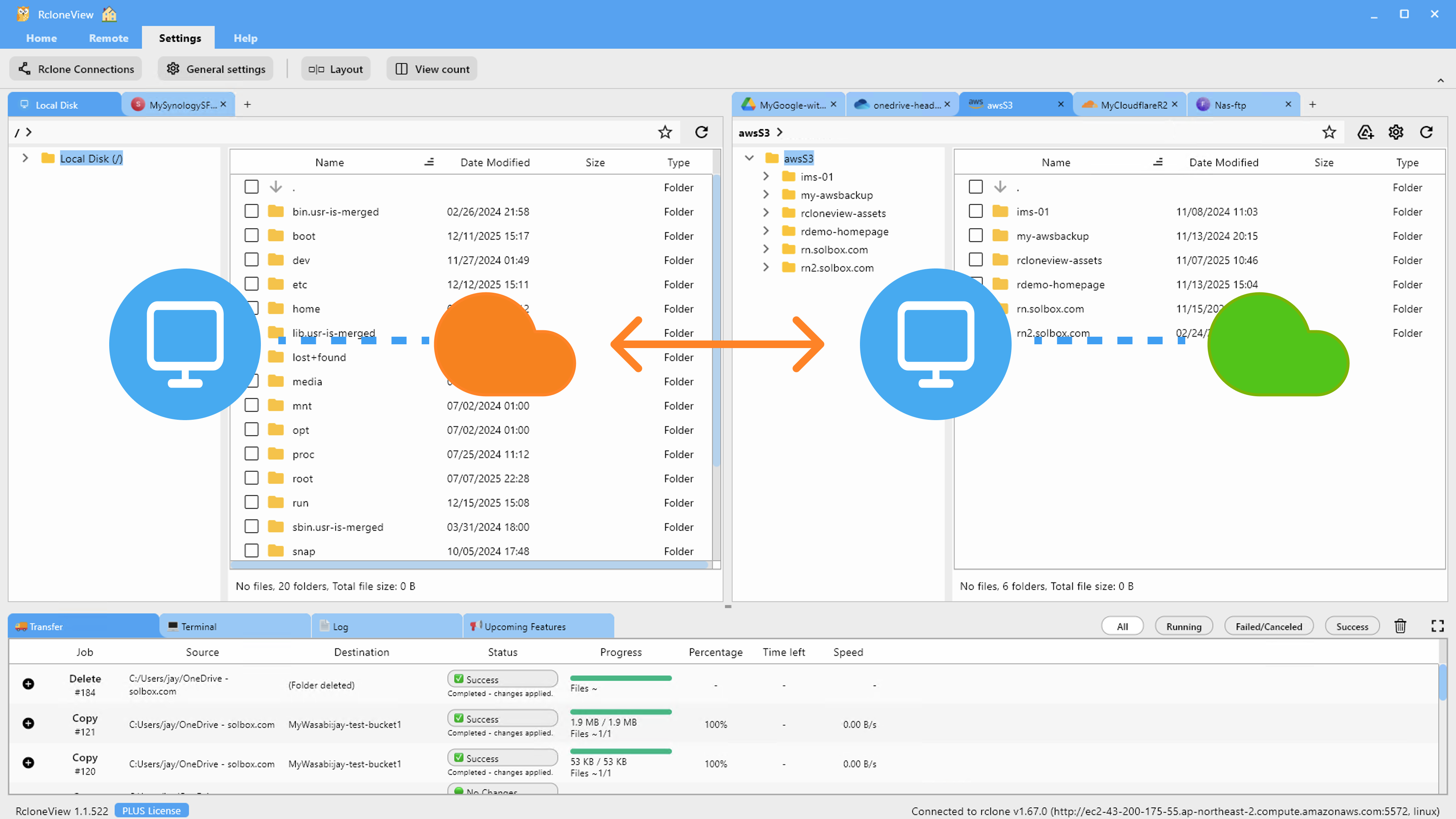
For Backblaze B2, enter your Application Key ID and Application Key generated from the B2 console. Specify the bucket name in the configuration. Once both remotes are saved, place Koofr in the left explorer panel and B2 in the right to confirm both are browsable.
Running the Migration
Click Sync in the Home tab and configure the job: Koofr folder as source, B2 bucket as destination. In the Advanced Settings, enable Checksum for integrity verification. Koofr uses WebDAV internally, which means file listings may be slightly slower than native S3, so set the number of checkers to 4 to avoid overwhelming the Koofr API.
Run a Dry Run first to see the complete file list that will transfer. This is especially useful for large Koofr libraries where Koofr also aggregates files from other connected accounts (Google Drive, Dropbox, etc.) — the dry run helps you confirm you're migrating only your actual Koofr storage and not the mirrored views of other providers.
Handling Interrupted Transfers
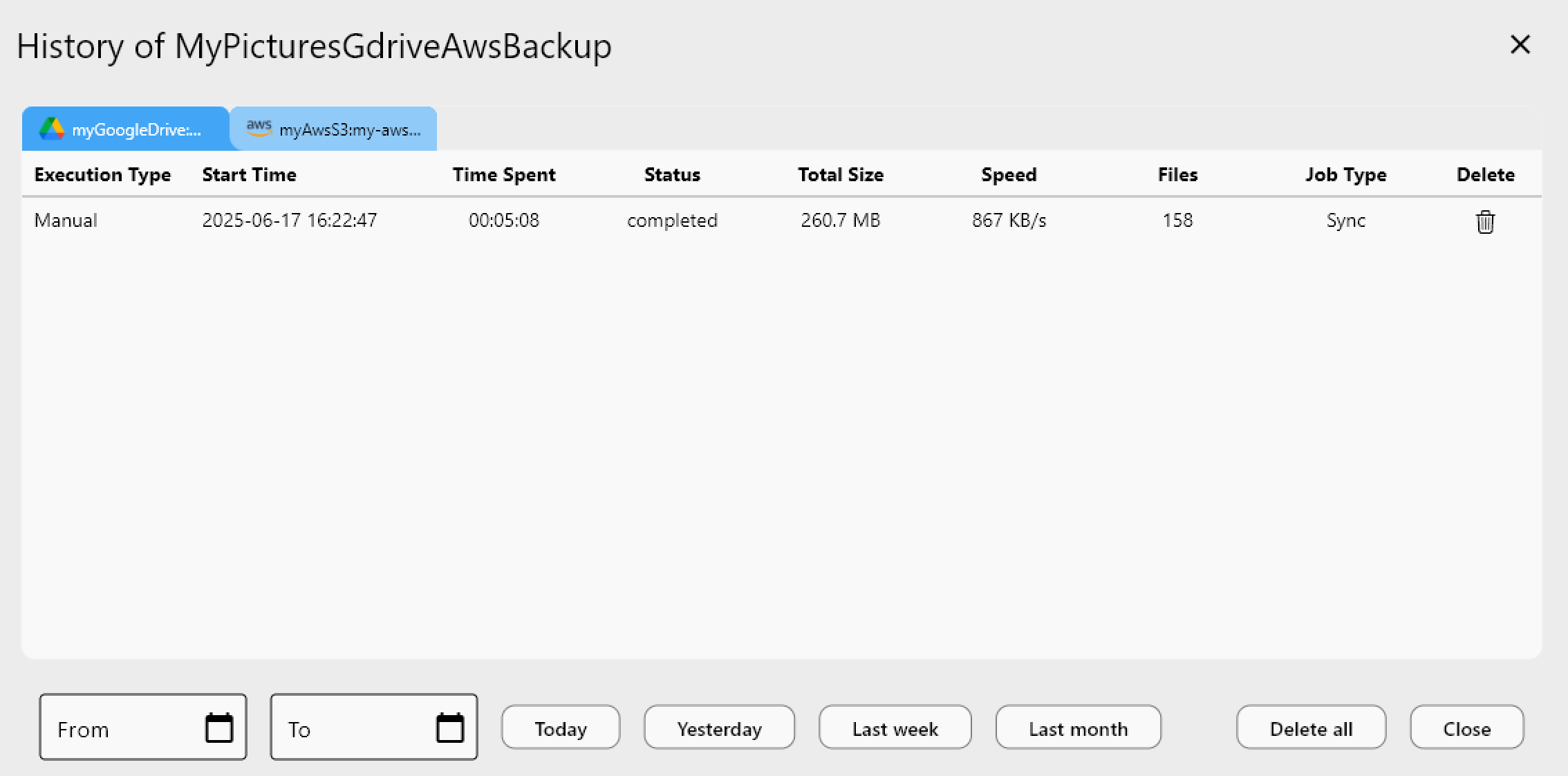
If the migration is interrupted (network drop, computer sleep, etc.), RcloneView's sync mode is inherently resumable. When you re-run the same Sync job, rclone compares the source and destination and transfers only files that aren't yet present or are different on the B2 side. No files already transferred need to be re-sent.
After the migration completes, use Folder Compare to verify that the Koofr source and B2 destination match. The compare view highlights any files present on Koofr but missing from B2, giving you a clear checklist of anything that needs a retry.
Getting Started
- Download RcloneView from rcloneview.com.
- Add Koofr (OAuth) and Backblaze B2 (Application Key) as remotes.
- Run a dry run to confirm scope, then execute the migration with checksum enabled.
- Use Folder Compare after completion to verify the migration is fully successful.
Migrating from Koofr to Backblaze B2 with RcloneView is a reliable, resumable process that protects your data integrity throughout.
Related Guides:
- Manage Koofr Cloud Storage with RcloneView
- Migrate Koofr to Google Drive with RcloneView
- Manage Backblaze B2 Cloud Storage with RcloneView
Supported Cloud Providers