Migrate OneDrive to Storj — Transfer Files with RcloneView

Move your OneDrive files to Storj's decentralized, end-to-end encrypted object storage — complete, verified, and GUI-driven with RcloneView.
Storj offers an interesting alternative for teams looking to reduce dependency on centralized cloud providers. Its decentralized architecture encrypts and shards files across a global network of independent nodes, providing strong privacy guarantees without a single point of failure. For organizations currently using OneDrive and considering a privacy-focused alternative, RcloneView makes the migration straightforward — connecting to both providers and streaming data directly between them.
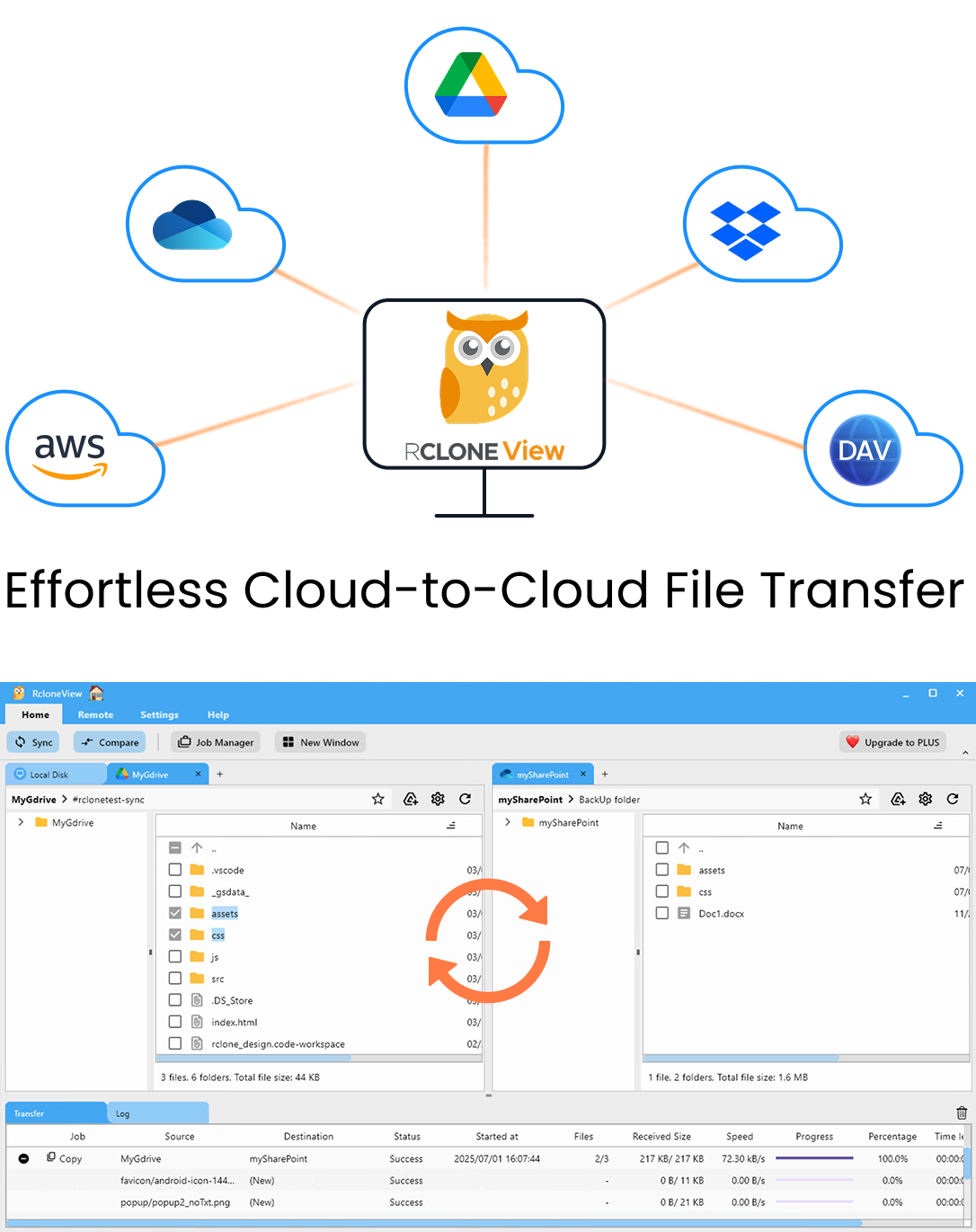
Manage & Sync All Clouds in One Place
RcloneView is a cross-platform GUI for rclone. Compare folders, transfer or sync files, and automate multi-cloud workflows with a clean, visual interface.
- One-click jobs: Copy · Sync · Compare
- Schedulers & history for reliable automation
- Works with Google Drive, OneDrive, Dropbox, S3, WebDAV, SFTP and more
Free core features. Plus automations available.
Connecting OneDrive and Storj to RcloneView
Add Microsoft OneDrive as a remote via Remote tab → New Remote and complete OAuth authentication with your Microsoft account. For Storj, you have two options: use the native Storj provider type (enter your Access Grant from the Storj console) or use S3-compatible access (Access Key + Secret Key + Storj S3 endpoint https://gateway.storjshare.io). The S3-compatible approach often provides better performance for large bulk transfers.
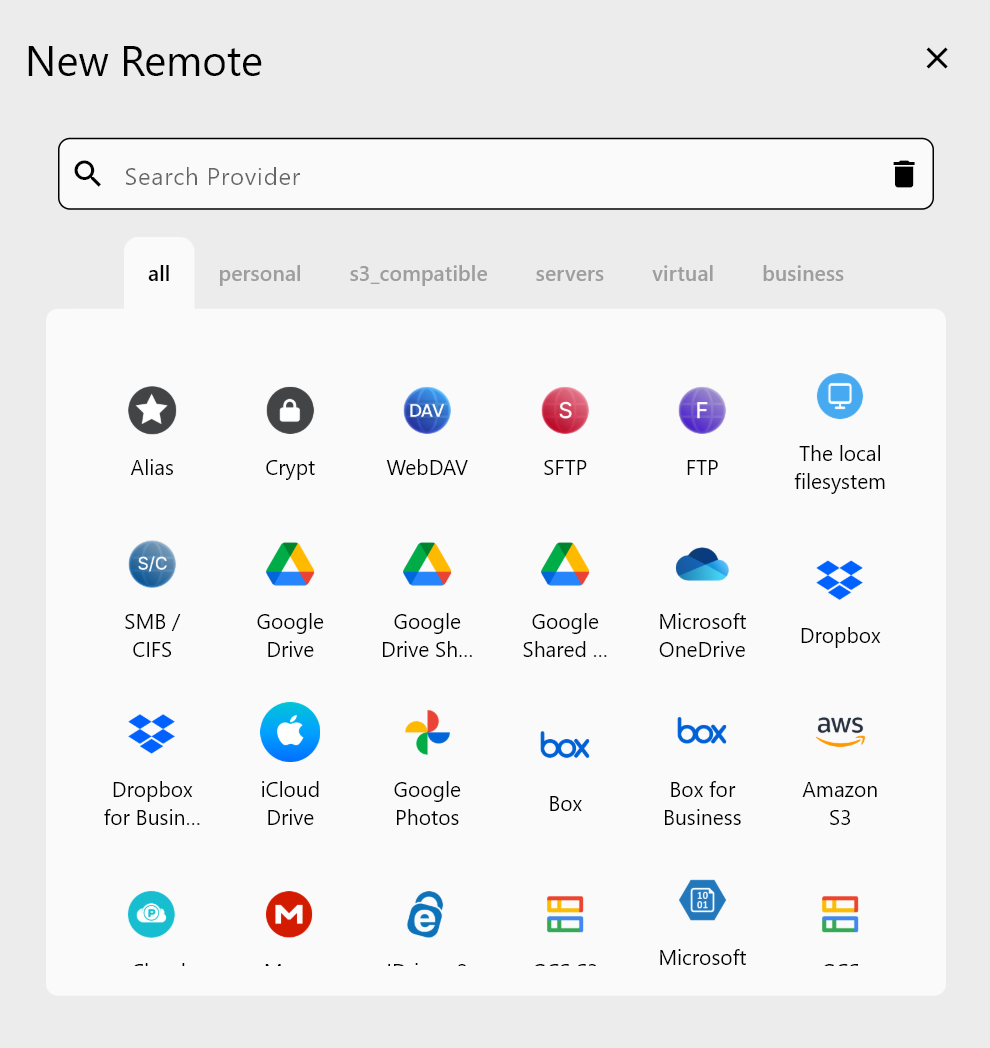
With both remotes configured, open OneDrive in the left panel and your Storj bucket in the right panel. Verify you can browse files on both sides before starting the migration.
Running the Migration
Open the job wizard via Home tab → Sync. Set your OneDrive source folder and the Storj destination bucket. In the Advanced Settings step, enable Checksum verification to confirm every file's integrity after transfer. Storj's distributed architecture means each file is split into pieces and reassembled on download — checksums confirm this process produces identical data on both ends.
Start with a Dry Run to preview which files will be migrated and catch any path issues or naming conflicts. OneDrive allows some special characters in filenames that Storj's S3-compatible interface may handle differently — the dry run output will flag any encoding issues.
Monitoring and Verifying the Transfer
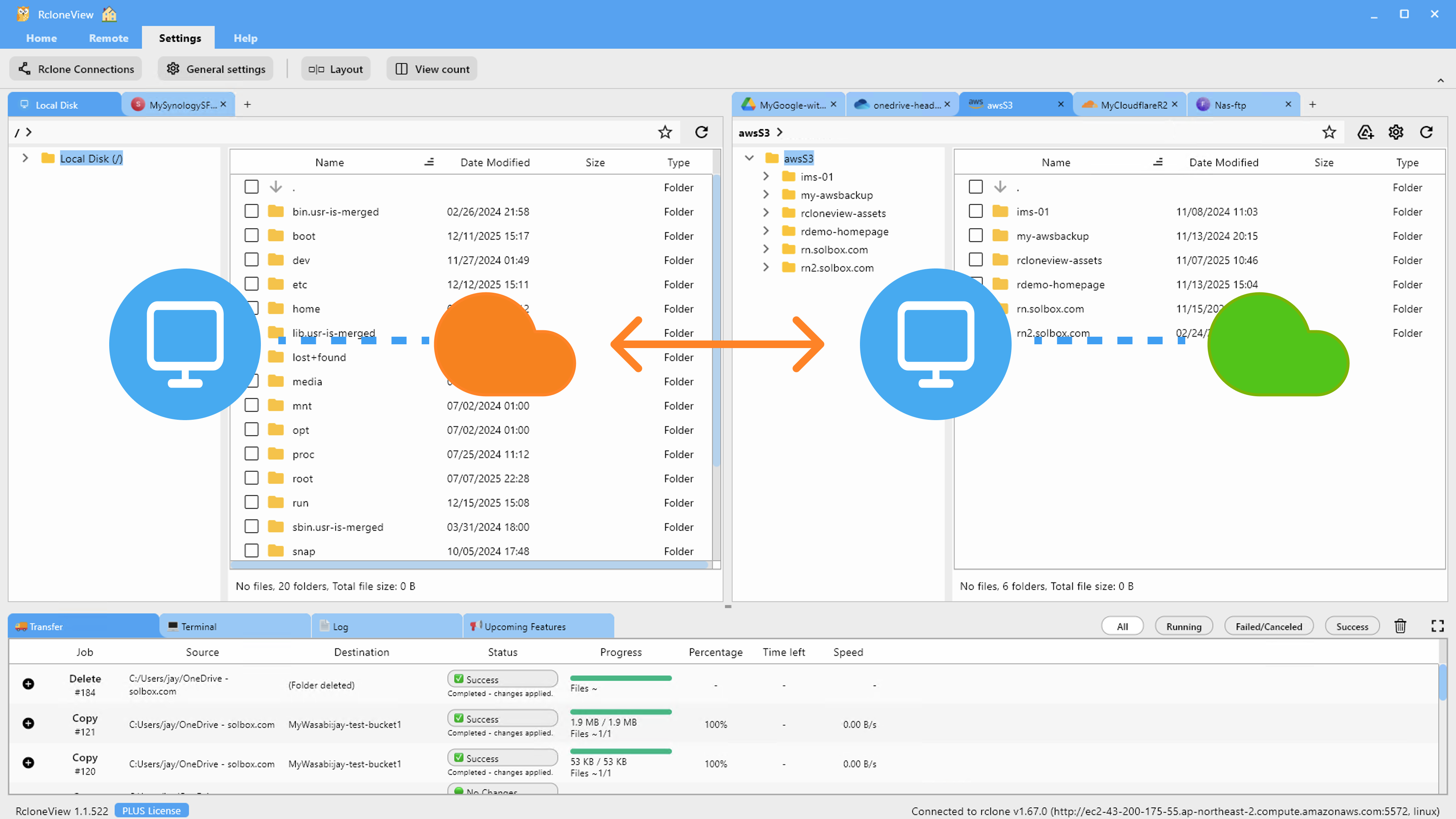
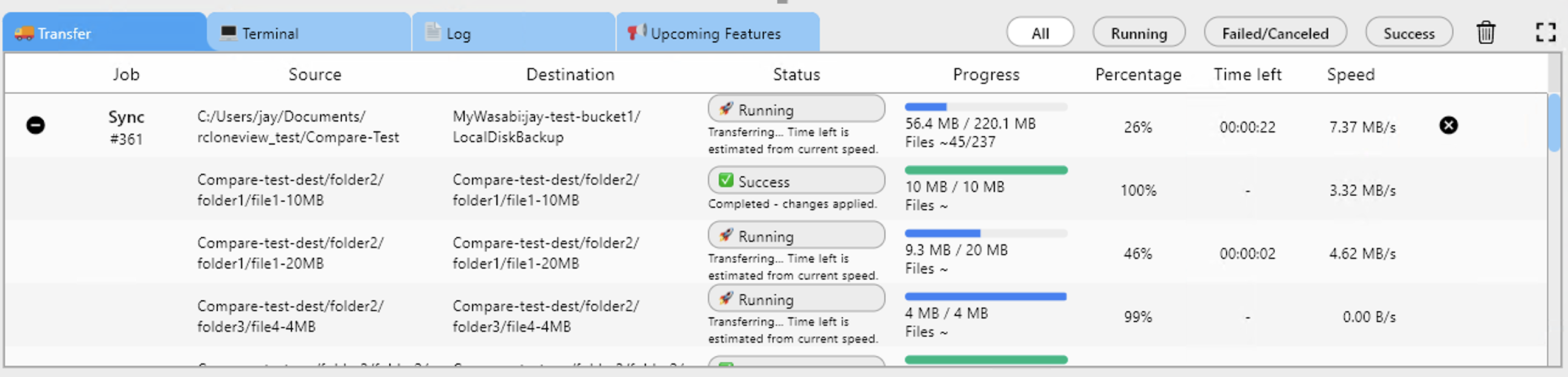
The Transferring tab shows live transfer progress including transfer speed, file count, and bytes moved. For large migrations, use 8–16 concurrent file transfers if your internet connection supports it.
After the migration completes, run a Folder Compare between the OneDrive source and Storj destination to confirm every file arrived correctly. Check the Job History for the final transfer summary and status.
Getting Started
- Download RcloneView from rcloneview.com.
- Add OneDrive (OAuth) and Storj (S3-compatible or native) as remotes.
- Create a Sync job with checksum enabled and run a dry run first.
- Monitor progress in the Transferring tab and verify with Folder Compare.
Migrating from OneDrive to Storj with RcloneView is a clean, auditable process that respects your data's integrity at every stage.
Related Guides:
- Manage Storj Cloud Storage with RcloneView
- Manage OneDrive Cloud Storage with RcloneView
- Migrate Dropbox to Storj with RcloneView
Supported Cloud Providers