Manage Koofr Storage — Sync and Backup Files with RcloneView
Koofr is a privacy-focused European cloud storage provider with strong GDPR credentials — RcloneView connects to Koofr and integrates it into your multi-cloud backup and sync workflow.
Koofr is a privacy-respecting European cloud storage service that stands out for its commitment to data security and its ability to aggregate external cloud accounts. Using RcloneView alongside Koofr gives you an additional layer of flexibility — managing Koofr's native storage from a dedicated multi-cloud file management interface that works with 90+ cloud providers simultaneously.
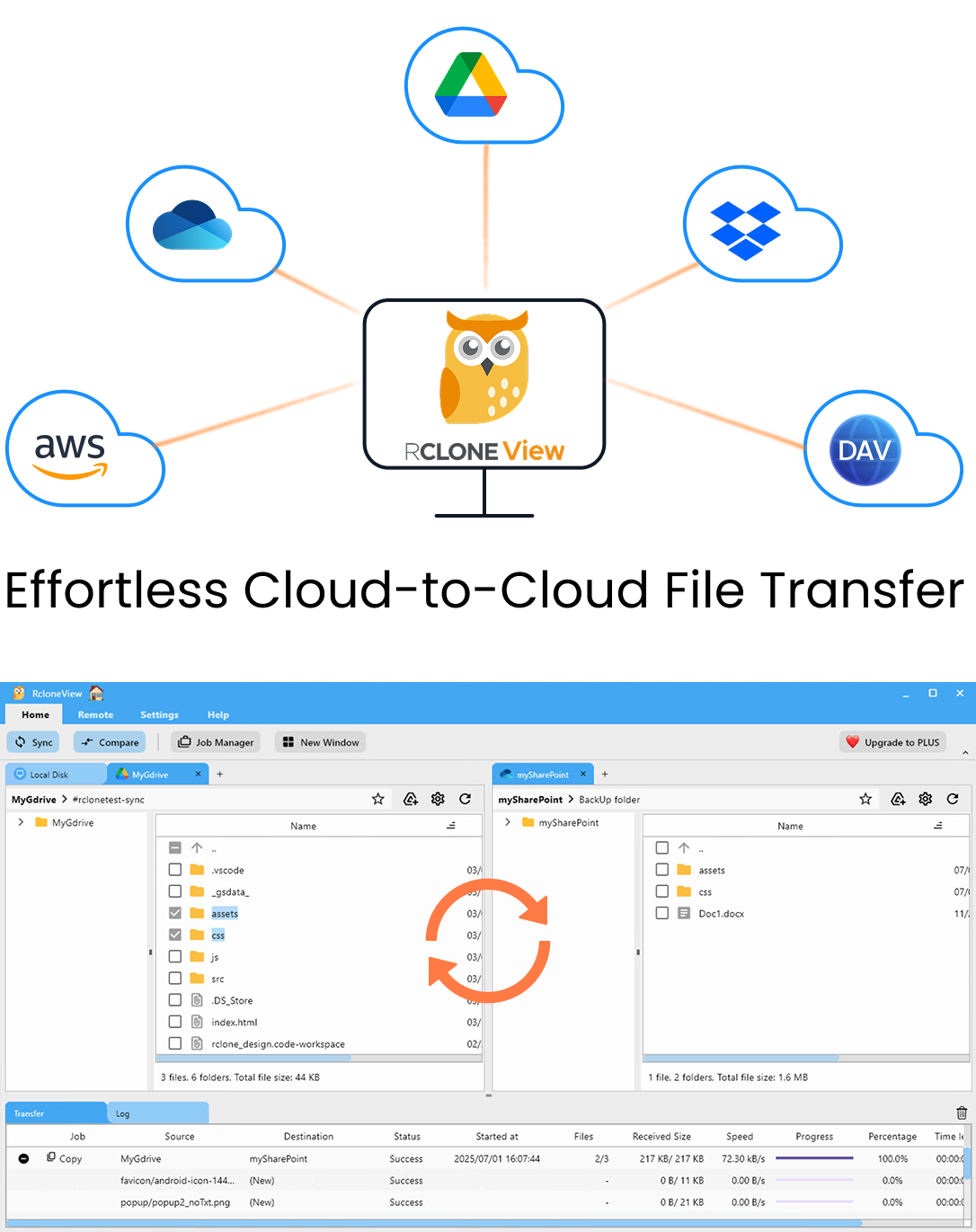
Manage & Sync All Clouds in One Place
RcloneView is a cross-platform GUI for rclone. Compare folders, transfer or sync files, and automate multi-cloud workflows with a clean, visual interface.
- One-click jobs: Copy · Sync · Compare
- Schedulers & history for reliable automation
- Works with Google Drive, OneDrive, Dropbox, S3, WebDAV, SFTP and more
Free core features. Plus automations available.
Connecting Koofr to RcloneView
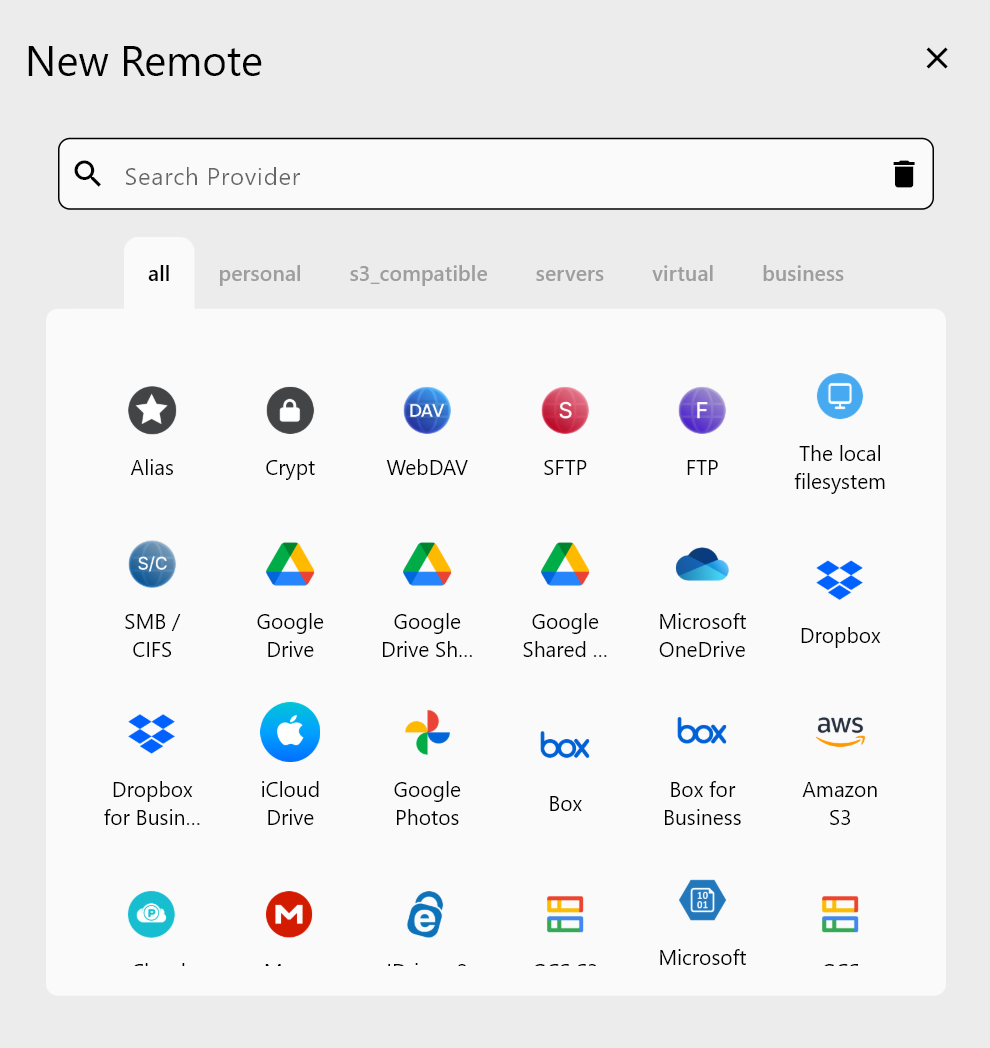
To add Koofr as a remote in RcloneView, navigate to Remote tab > New Remote and select Koofr from the provider list. Enter your Koofr credentials to complete the setup. Once saved, your Koofr storage appears in the explorer panel as a browsable remote — you can navigate folders, view file sizes, and manage content directly without opening the Koofr web interface.
For teams already using Koofr's account aggregation feature (which connects Dropbox, Google Drive, or OneDrive accounts through Koofr's interface), RcloneView provides a complementary view — managing Koofr's own storage bucket independently alongside those external services.
Syncing Files with Koofr
A freelance developer using Koofr as a personal backup destination can configure a sync job in RcloneView's Job Manager: local project folder as source, Koofr remote as destination. RcloneView handles incremental syncing — only changed files are transferred on subsequent runs, reducing bandwidth use significantly compared to full re-uploads.
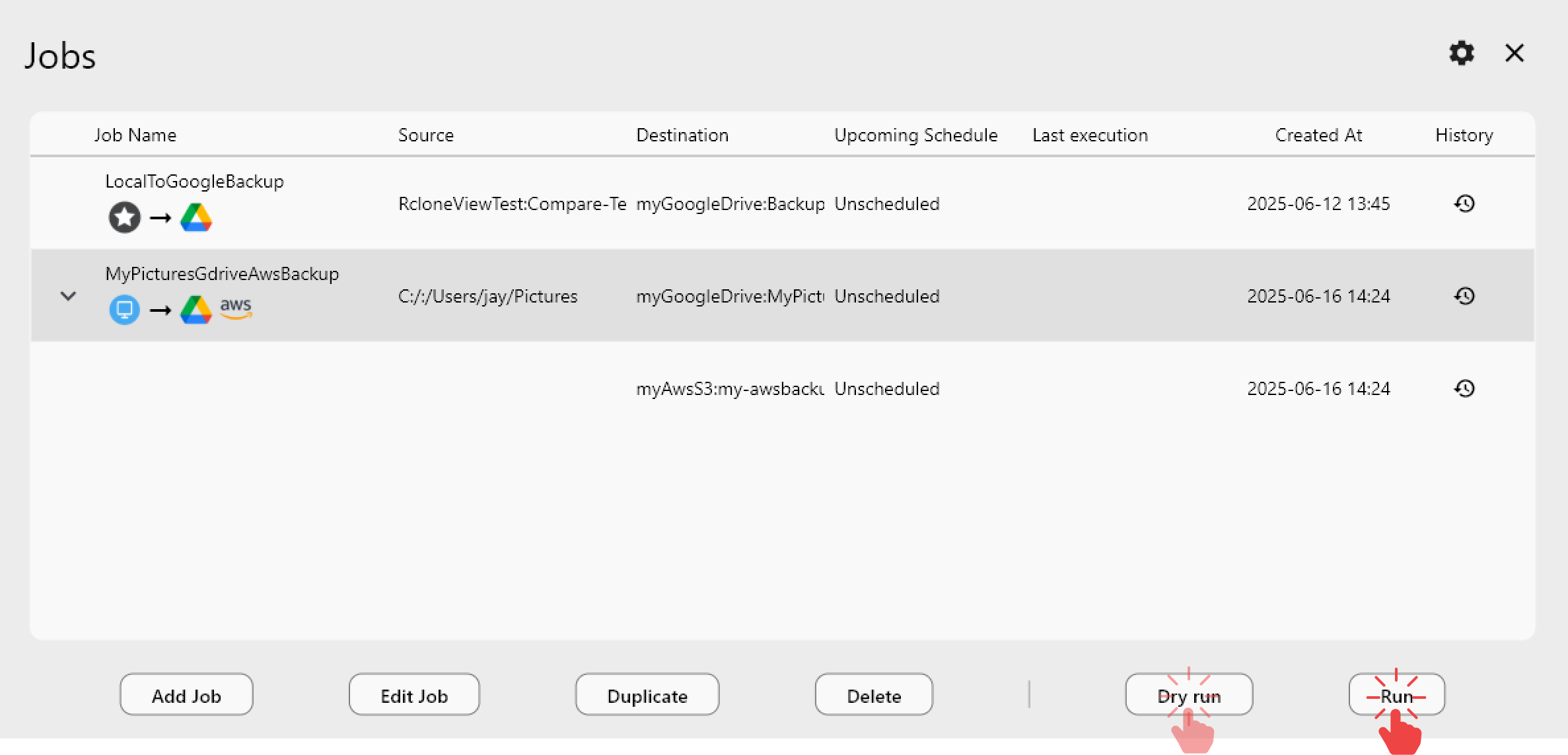
Koofr's European data center location makes it an attractive GDPR-compliant backup destination. Companies needing European-hosted backups for regulatory compliance can configure automated transfers from internal file servers to Koofr using RcloneView's scheduling feature (PLUS license). The Dry Run preview confirms exactly which files will move before any data is touched, preventing accidental overwrites.
Cross-Provider Transfers Involving Koofr
RcloneView treats Koofr like any other cloud remote — you can configure transfers freely between Koofr and any other provider. A small design agency backing up their Google Drive project folders to Koofr monthly sets up a copy job between both remotes in the dual-panel explorer, verifying both sides before running.
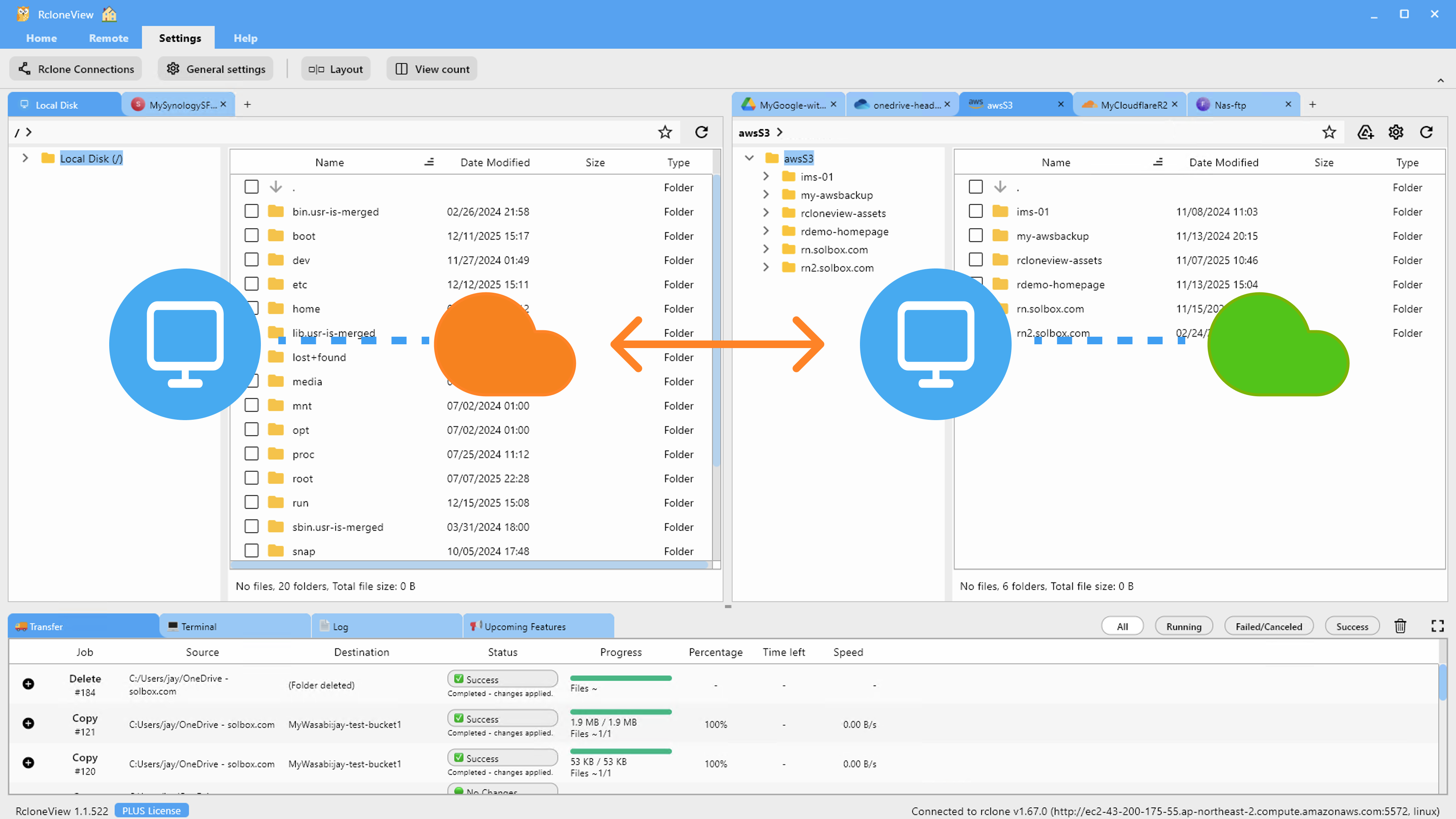
The Folder Compare feature lets you compare your Koofr storage against any other remote, identifying files that exist on one side but not the other. This is useful for verifying that recent transfers completed fully, or for catching discrepancies before they become data loss events.
Getting Started
- Download RcloneView from rcloneview.com.
- Go to Remote tab > New Remote, select Koofr, and enter your credentials.
- Browse your Koofr storage in the explorer panel.
- Create sync or copy jobs in Job Manager between Koofr and your local storage or other clouds.
For privacy-conscious users and GDPR-compliant teams, Koofr through RcloneView delivers professional cloud management with full European data residency.
Related Guides:
- Koofr as a Multi-Cloud Hub — Google Drive, OneDrive, Dropbox with RcloneView
- Koofr vs Jottacloud — European Cloud Storage Comparison with RcloneView
- Manage Jottacloud Cloud Sync and Backup with RcloneView
Supported Cloud Providers