How to Migrate from pCloud to OneDrive with RcloneView
Moving from pCloud to OneDrive? RcloneView handles the entire migration visually — set up both remotes, transfer your files, verify everything, and schedule sync during your transition.
pCloud is a solid cloud storage provider with attractive lifetime plans and a clean interface. But when your workplace standardizes on Microsoft 365, or you need deeper integration with Office apps, SharePoint, and Teams, OneDrive becomes the practical choice. The question is how to get your files from one to the other without losing anything in the process.
RcloneView makes this straightforward. It connects to both pCloud and OneDrive, displays them side by side, and lets you copy, verify, and schedule transfers — all through a GUI. No scripts, no manual downloads and re-uploads, no risk of missing nested folders.
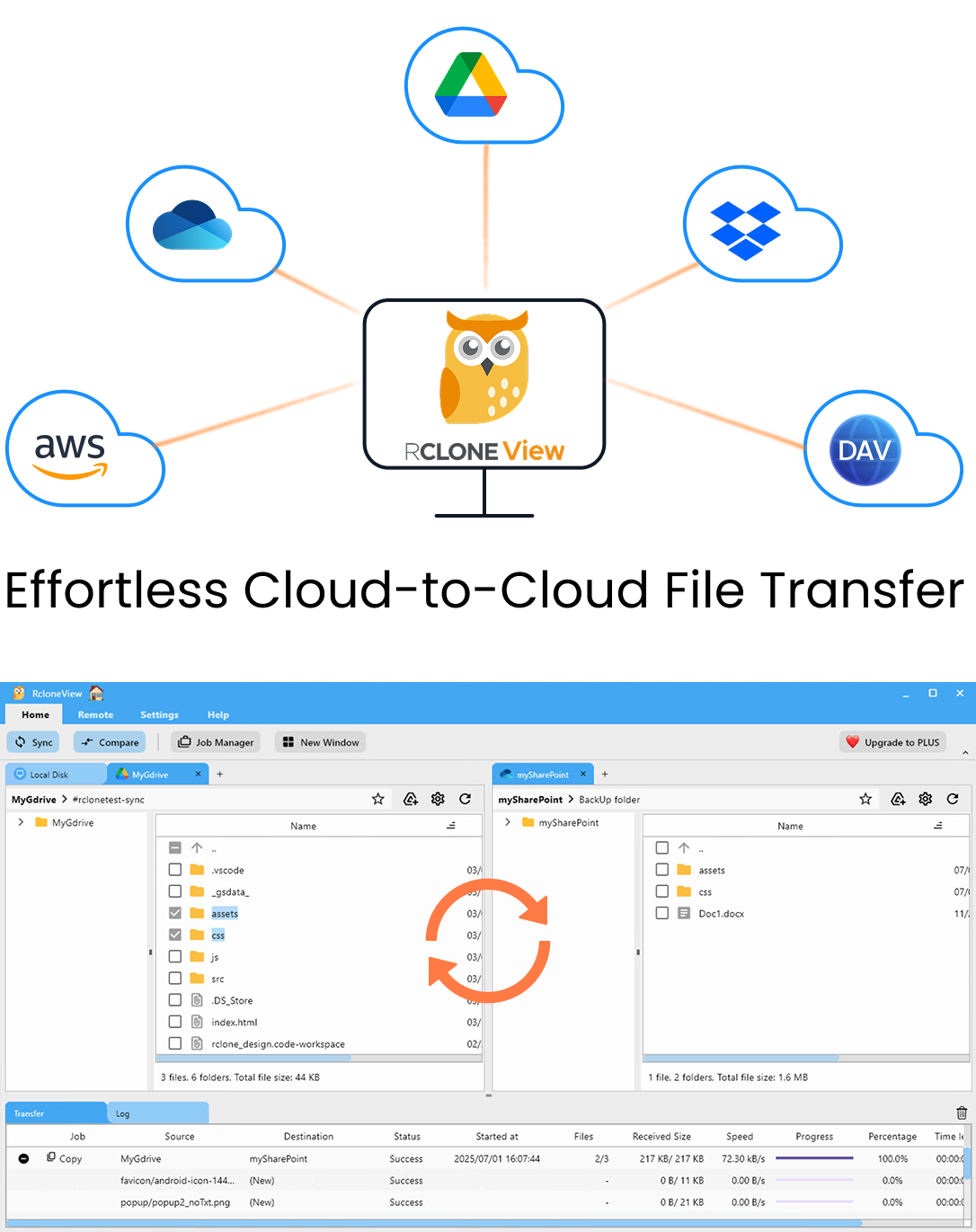
Manage & Sync All Clouds in One Place
RcloneView is a cross-platform GUI for rclone. Compare folders, transfer or sync files, and automate multi-cloud workflows with a clean, visual interface.
- One-click jobs: Copy · Sync · Compare
- Schedulers & history for reliable automation
- Works with Google Drive, OneDrive, Dropbox, S3, WebDAV, SFTP and more
Free core features. Plus automations available.
Why Migrate from pCloud to OneDrive
Common reasons for making this switch:
- Microsoft 365 integration: OneDrive integrates directly with Word, Excel, PowerPoint, Outlook, Teams, and SharePoint. If your organization runs on Microsoft 365, OneDrive is the natural file hub.
- Collaboration features: Real-time co-authoring, version history, and sharing permissions are built into OneDrive and the Office suite.
- IT management: OneDrive for Business offers admin controls, compliance features, data loss prevention, and eDiscovery that pCloud does not provide.
- Storage included with subscriptions: Microsoft 365 plans include 1 TB of OneDrive storage per user. If you are already paying for Microsoft 365, the storage is effectively free.
- Cross-platform sync: OneDrive's desktop client supports Windows, macOS, iOS, and Android with Files On-Demand for selective sync.
Step 1: Set Up Both Remotes
Connect pCloud and OneDrive in RcloneView:
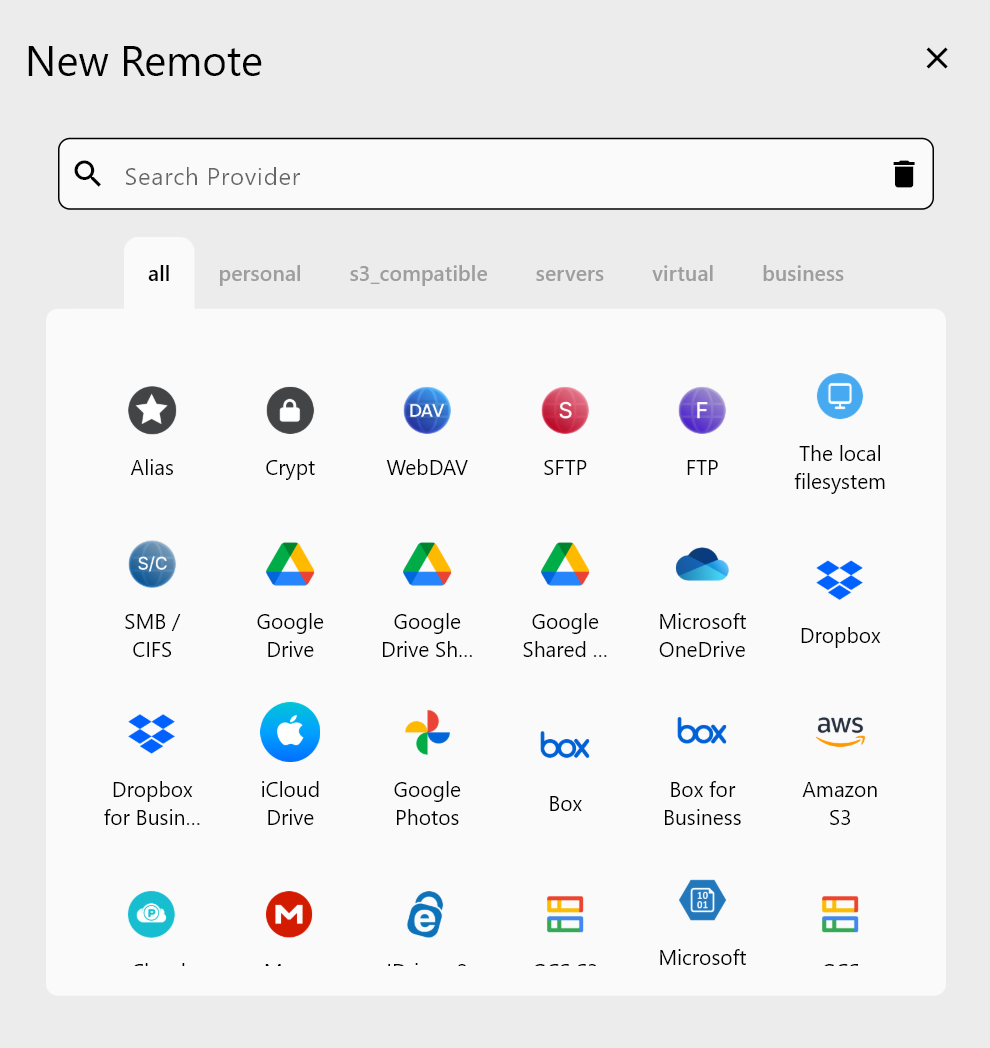
- Open RcloneView and click + New Remote.
- Add pCloud: Select pCloud from the provider list, complete the OAuth authorization, and name it (e.g.,
MyPCloud). - Add OneDrive: Select OneDrive, complete the Microsoft OAuth login, select your OneDrive account type (Personal or Business), and name it (e.g.,
MyOneDrive). - Both remotes now appear in the Explorer, ready to browse.
Step 2: Plan Your Migration
Before transferring files, take a few minutes to plan:
- Audit your pCloud storage: Browse your pCloud remote in RcloneView to see the full folder structure and total size. Identify folders you actually need versus old files that can be left behind.
- Check OneDrive capacity: Ensure your OneDrive has enough free space for the incoming data. Microsoft 365 Business plans include 1 TB per user; personal plans vary.
- Map your folder structure: Decide whether to replicate pCloud's structure exactly or reorganize during the migration. RcloneView lets you copy to any destination path.
- Note pCloud-specific features: pCloud Crypto folders use client-side encryption that does not transfer as encrypted content — the files will arrive decrypted on OneDrive. Plan accordingly if privacy is a concern.
- Handle shared links: Shared links in pCloud will not carry over to OneDrive. Document any critical shared links before migration so you can recreate them.
Step 3: Transfer Your Files
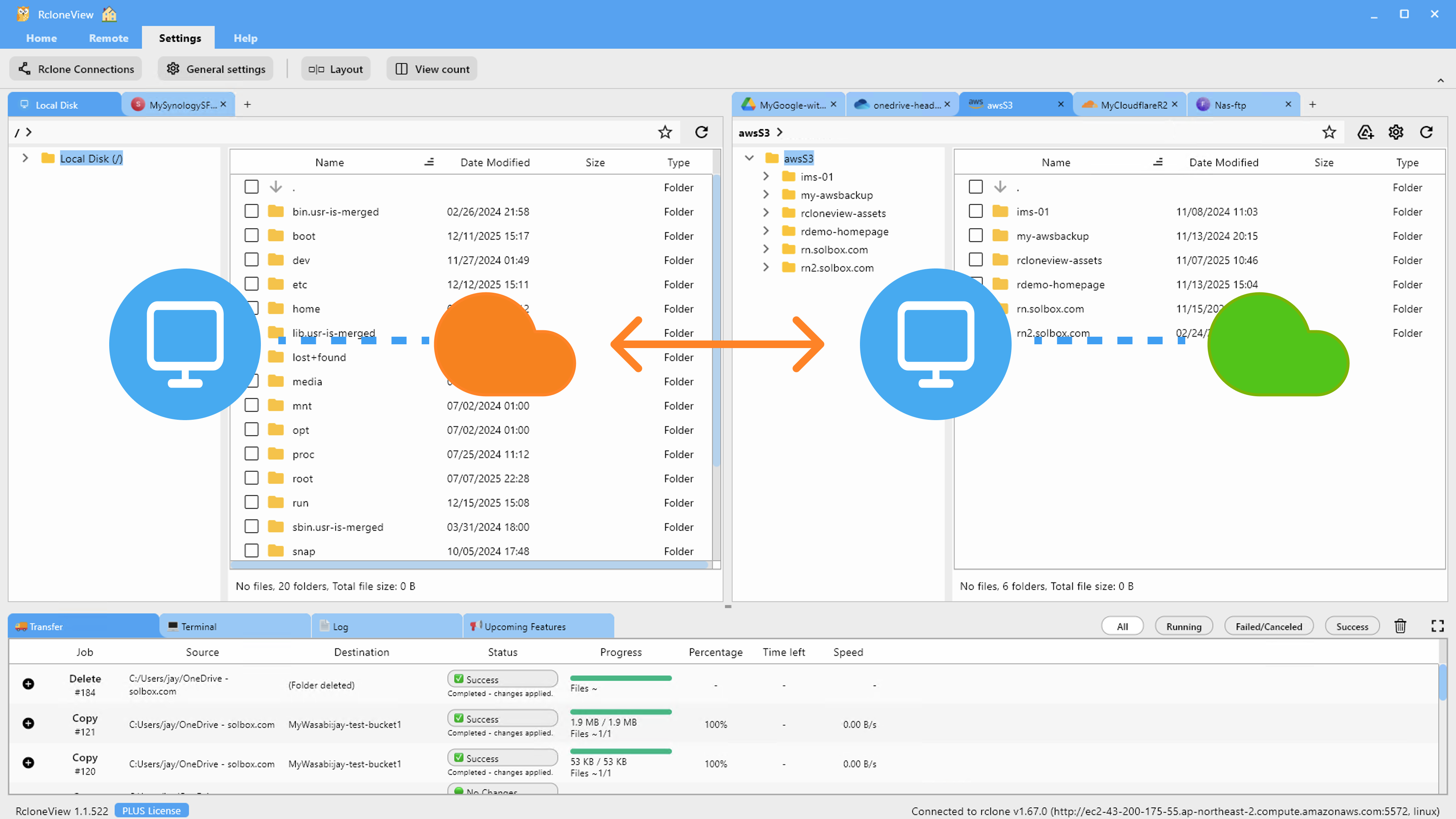
Open pCloud on one side and OneDrive on the other in the Explorer.
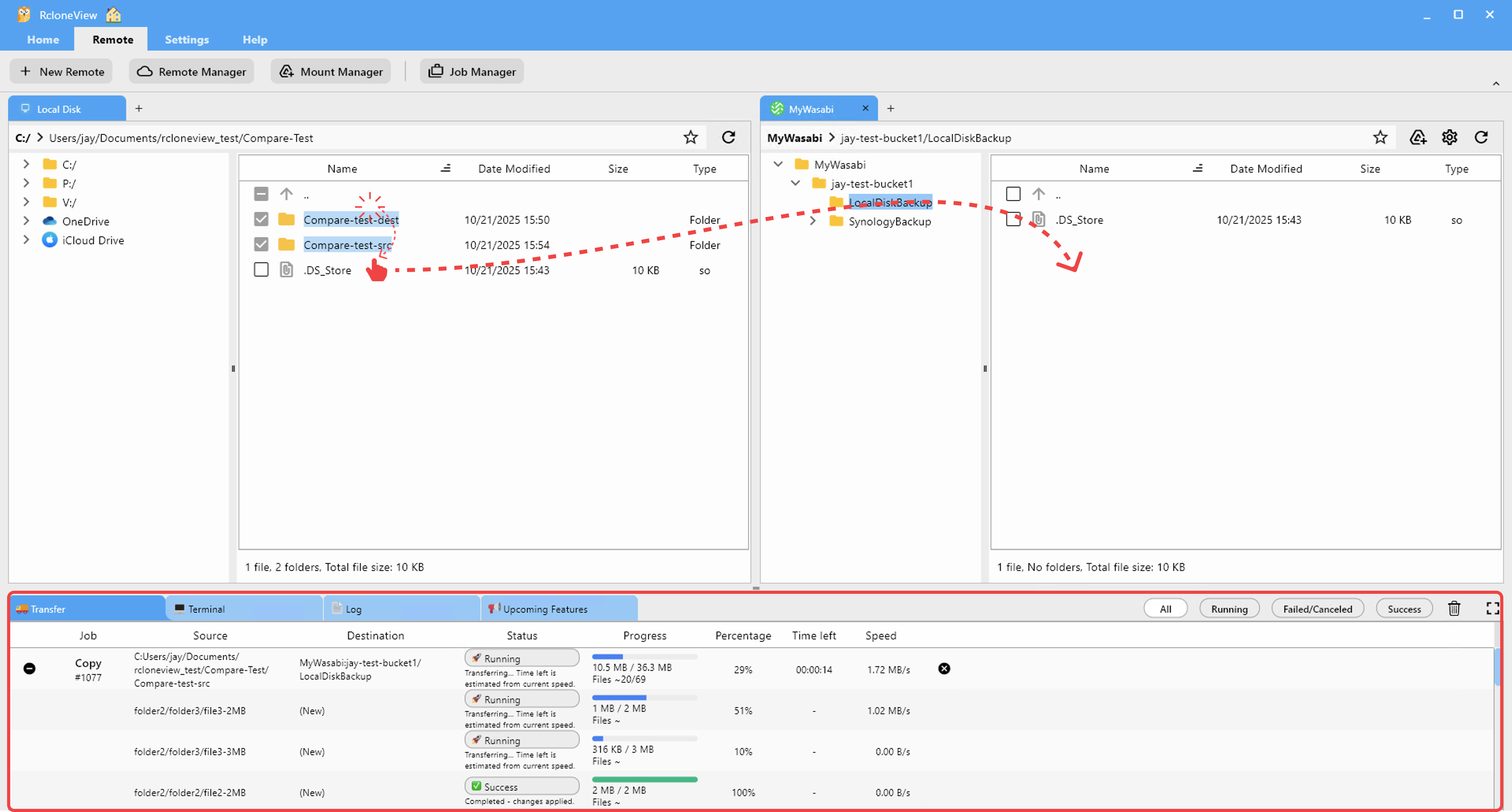
Small Migrations: Drag and Drop
For a few gigabytes or specific folders, drag them directly from pCloud to OneDrive. RcloneView handles the transfer and shows progress in real time.
Large Migrations: Copy Job
For larger datasets, create a Copy job:
- Select the pCloud root (or specific folders) as the source.
- Select the OneDrive destination folder.
- Run a Dry Run to preview what will be copied — check file counts and total size.
- Execute the job and monitor progress in the transfer panel.
RcloneView handles retries automatically if any individual file fails due to a timeout or rate limit.
Step 4: Verify the Migration
After the transfer completes, verify that everything arrived intact:
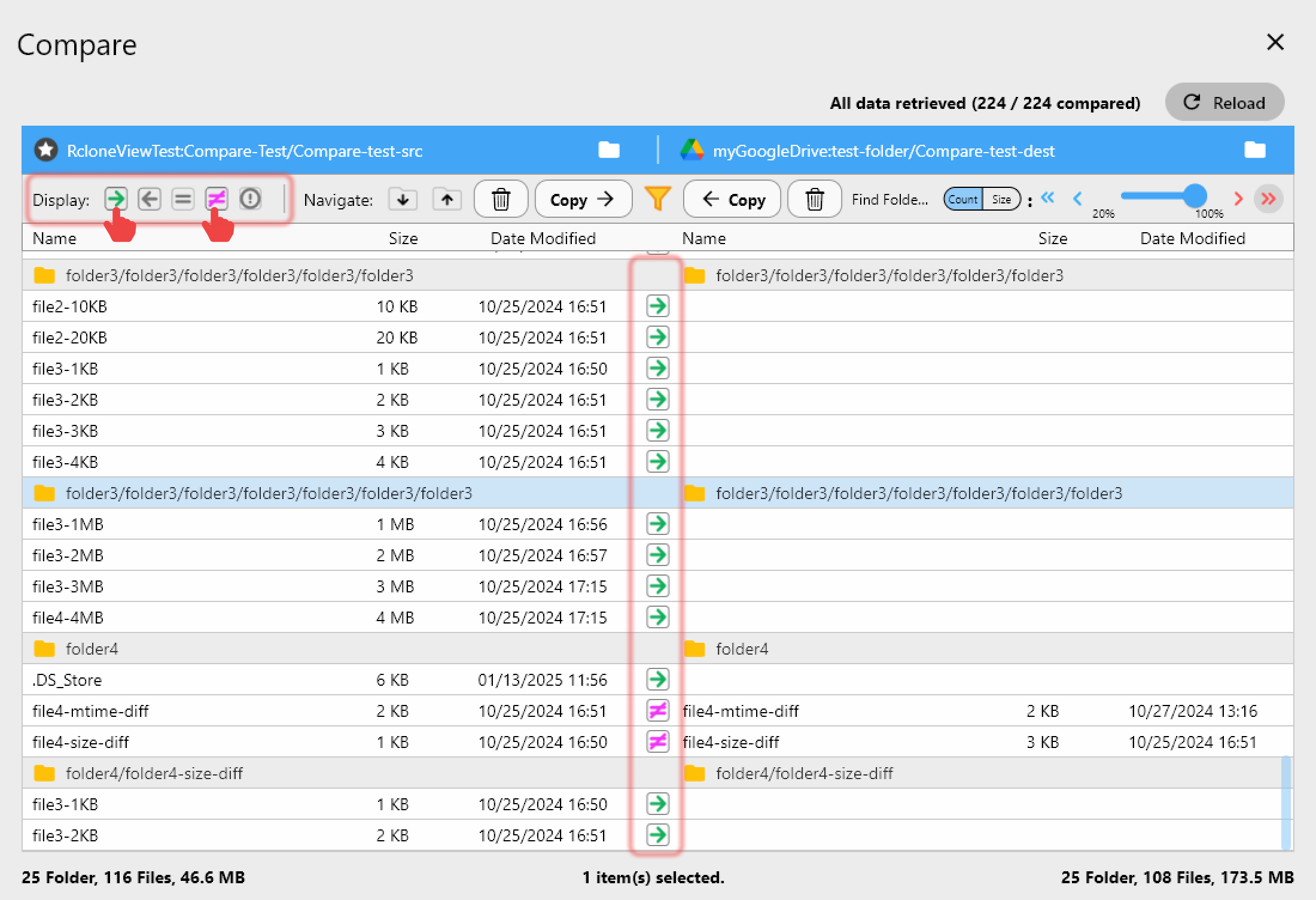
- Use the Compare feature to check pCloud against OneDrive.
- Review the comparison results for any files marked as missing or different in size.
- Re-copy any failed files individually.
Pay special attention to:
- Files with special characters: OneDrive has restrictions on certain characters in file names (e.g.,
#,%,*). RcloneView will report these as errors — rename the files in pCloud first, then re-copy. - Path length limits: OneDrive has a 400-character path length limit. Deeply nested folders with long names may fail to copy.
- File size limits: OneDrive supports files up to 250 GB. This is rarely an issue, but check if you have very large archives.
Step 5: Schedule Transition Sync
If you need a transition period where both clouds stay in sync while your team switches over:
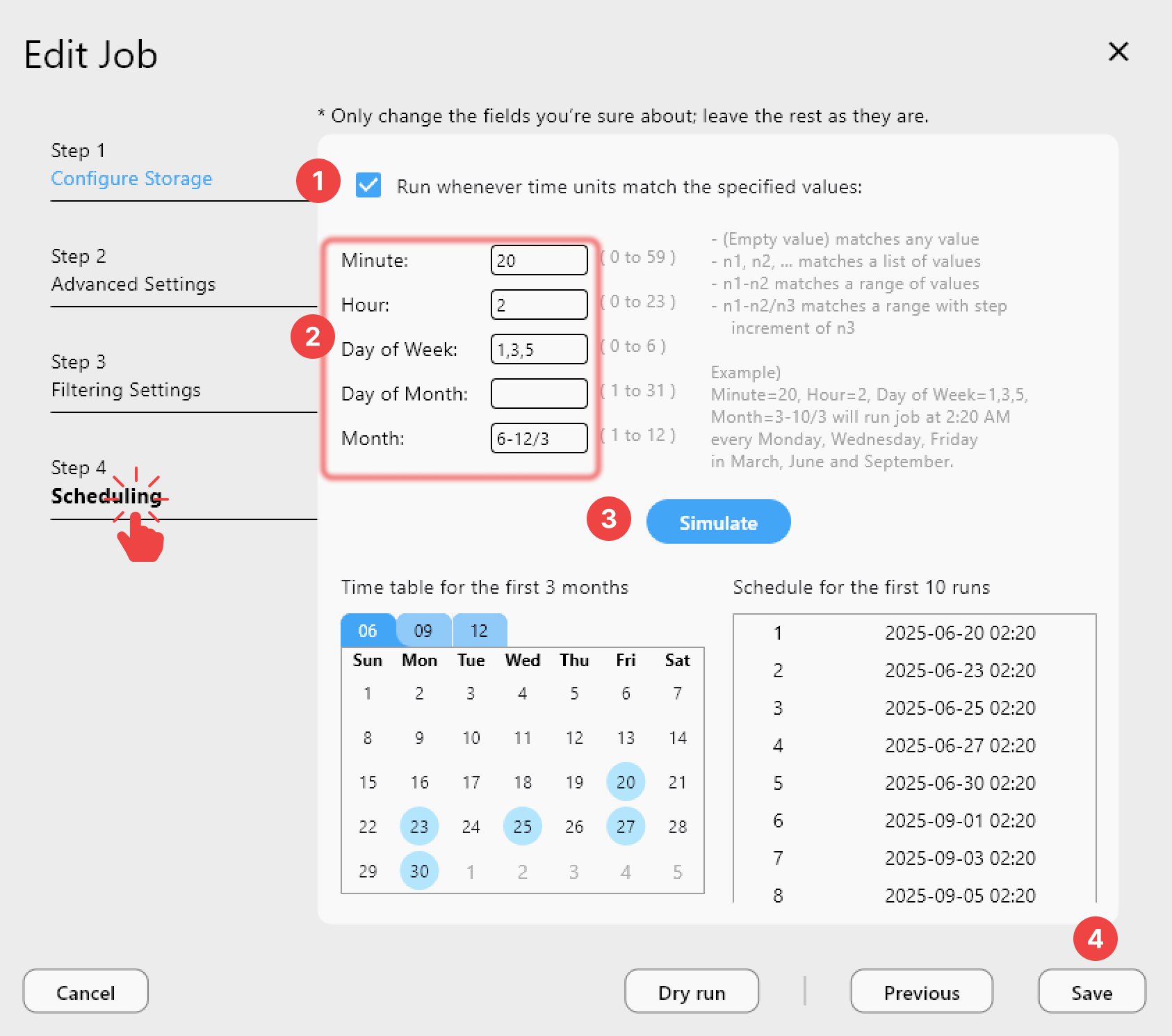
- Create a Sync job from pCloud to OneDrive.
- Open the Job Scheduling panel and set a daily schedule.
- New files added to pCloud will automatically appear in OneDrive at the next scheduled run.
- Once everyone has migrated their workflows to OneDrive, disable the schedule.
Post-Migration Checklist
After verifying and completing the migration:
- Recreate shared links in OneDrive for any files or folders that were shared from pCloud.
- Update bookmarks and shortcuts across your team to point to OneDrive locations.
- Configure OneDrive sync client on each team member's machine for local access.
- Keep pCloud active for a rollback period (30-60 days is reasonable), then cancel or downgrade your plan.
- Review OneDrive sharing permissions to match the access patterns you had in pCloud.
Getting Started
- Download RcloneView from rcloneview.com.
- Connect pCloud and OneDrive using their OAuth flows.
- Copy, verify, and schedule your migration — move at your own pace with full control.
From pCloud to OneDrive in a managed, visual workflow. No files left behind.
Related Guides:
- pCloud to Google Drive with RcloneView
- Seamless Dropbox to OneDrive Migration with RcloneView
- Effortless Transfers Between Google Drive and OneDrive
Supported Cloud Providers