Migrate Yandex Disk to Dropbox — Transfer Files with RcloneView
RcloneView migrates your Yandex Disk content to Dropbox in a direct cloud-to-cloud transfer — no local downloads, full folder structure preserved, every file verified.
Users transitioning from Yandex Disk — whether relocating, consolidating storage accounts, or moving to a provider with broader app integrations — often have years of documents, photos, and project files to move. RcloneView makes this migration reliable: connecting to both accounts simultaneously and handling the transfer through a single guided workflow.
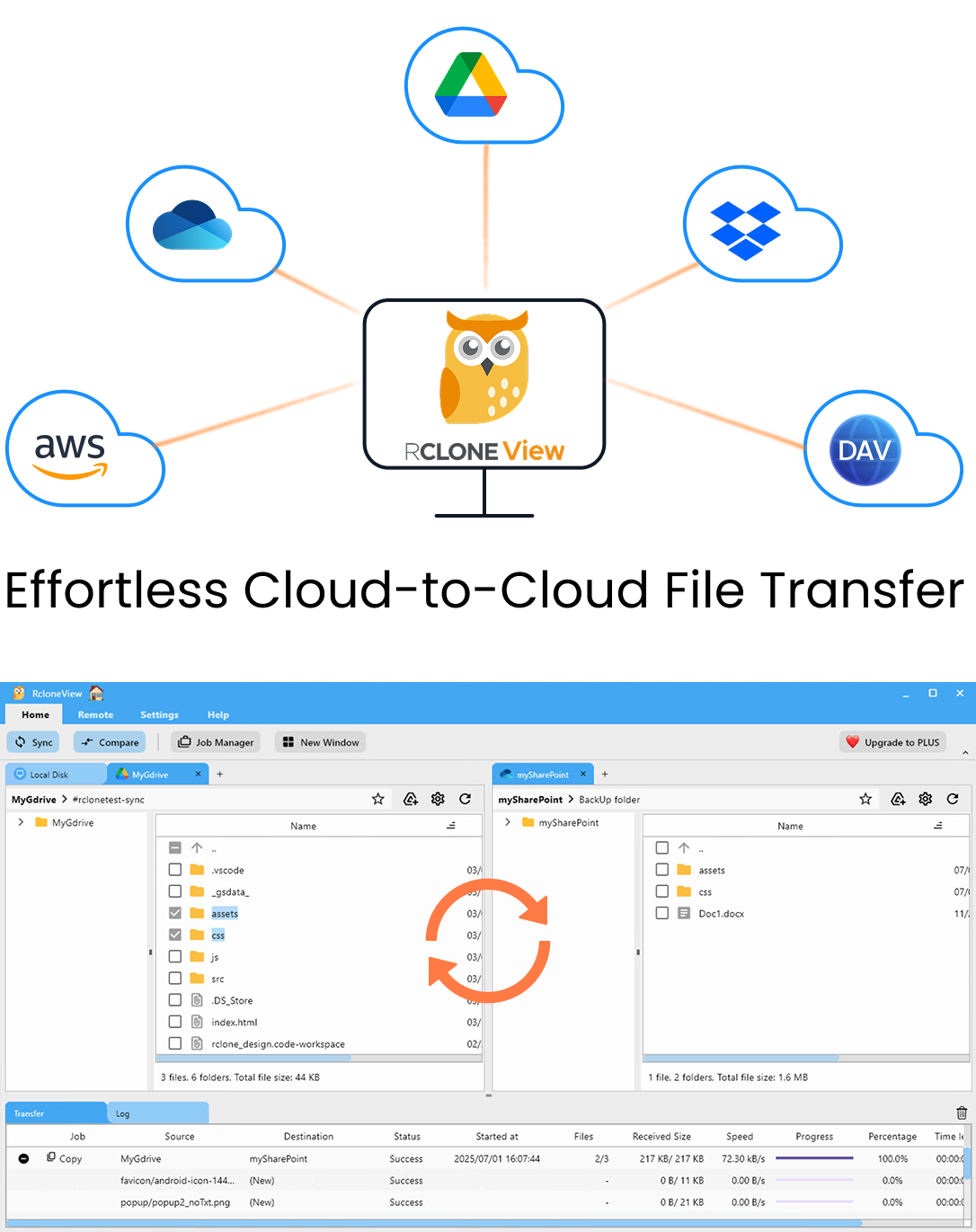
Manage & Sync All Clouds in One Place
RcloneView is a cross-platform GUI for rclone. Compare folders, transfer or sync files, and automate multi-cloud workflows with a clean, visual interface.
- One-click jobs: Copy · Sync · Compare
- Schedulers & history for reliable automation
- Works with Google Drive, OneDrive, Dropbox, S3, WebDAV, SFTP and more
Free core features. Plus automations available.
Connect Yandex Disk and Dropbox in RcloneView
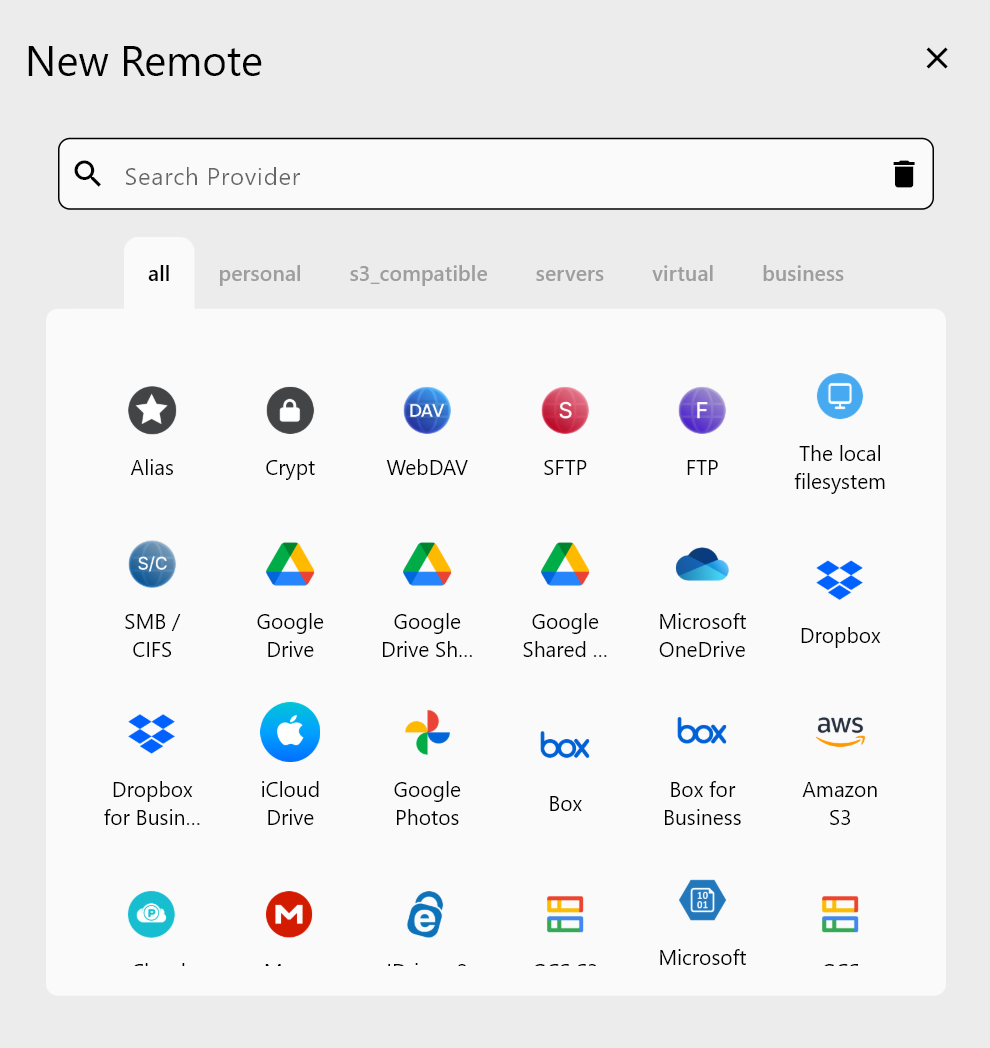
Both Yandex Disk and Dropbox use OAuth browser authentication in RcloneView. Go to Remote tab > New Remote and add each provider:
- Yandex Disk: Select Yandex Disk and complete browser login with your Yandex account
- Dropbox: Select Dropbox and complete browser authentication with your Dropbox account
RcloneView stores OAuth tokens securely and refreshes them automatically. With both remotes configured, open the dual-panel explorer — Yandex Disk on the left, Dropbox on the right — to see exactly what you'll be migrating.
Plan and Configure the Migration
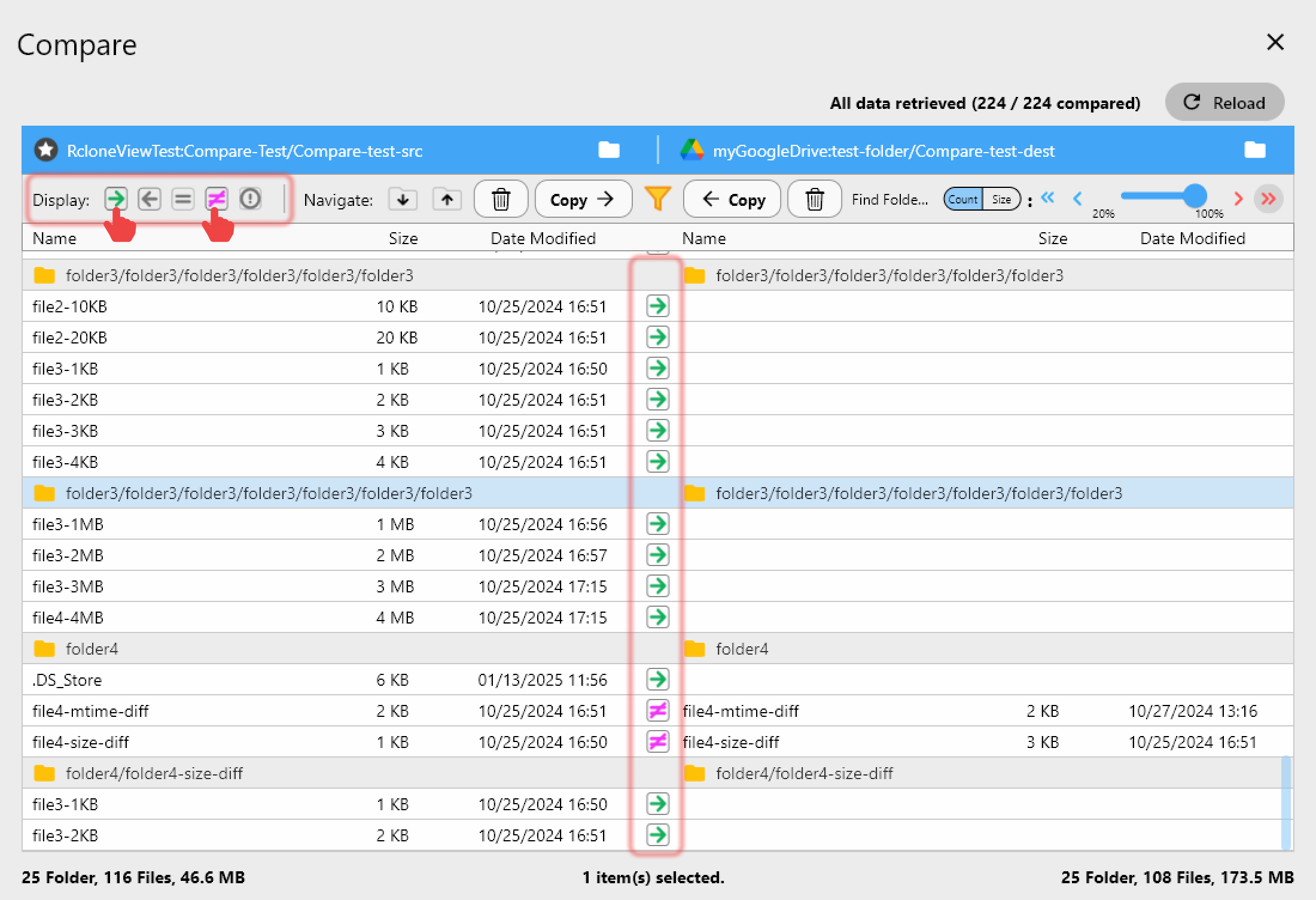
Before running the full transfer, use RcloneView's folder compare feature to assess the current state of both accounts. This is especially useful if you've been partially migrating files manually — the compare view shows files that exist on Yandex but not Dropbox, preventing duplicates and confirming the migration scope.
Create a Copy or Sync job in the wizard with Yandex Disk as source and your Dropbox folder as destination. For large libraries (a designer with 50GB of creative assets, for example), increase the concurrent transfer count in advanced settings to accelerate the job.
Execute the Transfer and Monitor Progress
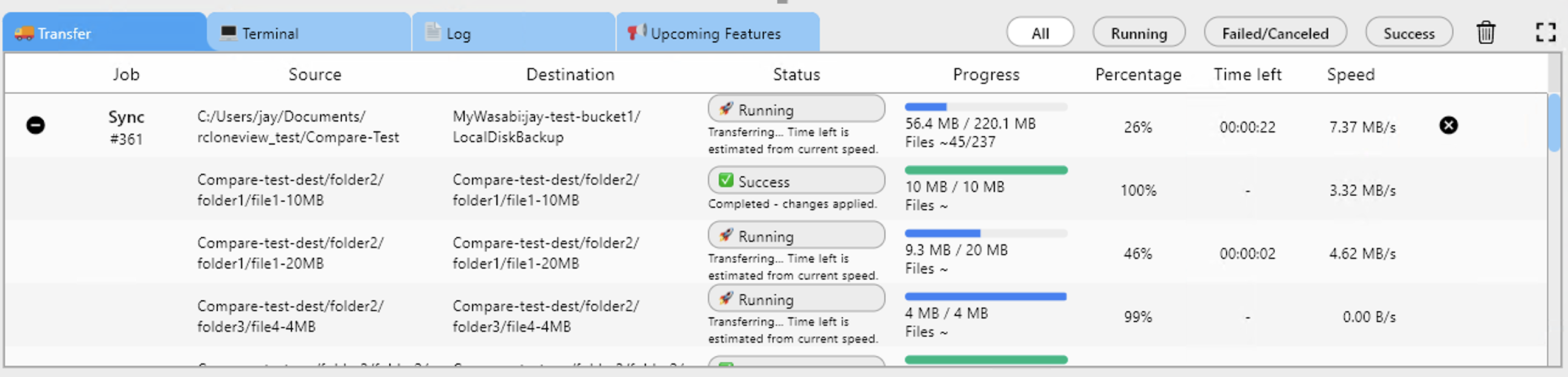
Use dry run mode to preview which files will be copied before committing. Once confirmed, run the migration job and watch progress in RcloneView's Transfer tab — file names scroll by as they're transferred, with live speed and total bytes updated in real time.
Dropbox has API rate limits that can throttle high-volume transfers. RcloneView handles retries automatically when Dropbox returns throttling errors, so the migration continues without requiring manual intervention.
Verify Completion with Job History
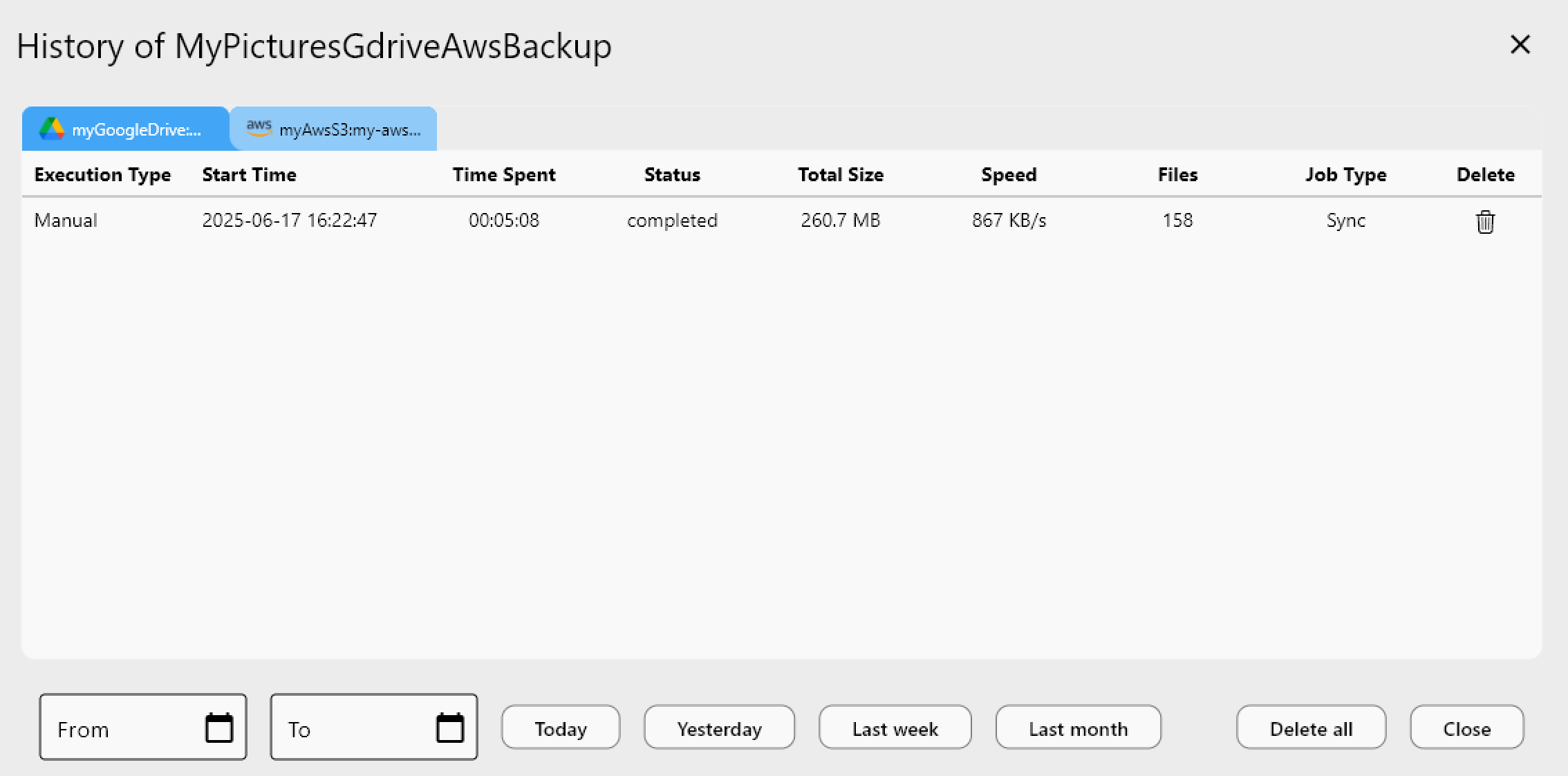
After the migration finishes, Job History records the full transfer summary: total files migrated, total bytes, duration, and any errors. Compare this against your Yandex Disk folder sizes to confirm everything was transferred successfully. If any files errored (often caused by filename characters unsupported by Dropbox), the log identifies them for manual remediation.
Getting Started
- Download RcloneView from rcloneview.com.
- Add Yandex Disk and Dropbox as OAuth remotes in Remote tab > New Remote.
- Use folder compare to assess migration scope, then create a Copy job.
- Run a dry run to preview, execute the full migration, and verify with Job History.
Migrating from Yandex Disk to Dropbox is reliable and auditable with RcloneView — the entire process happens in the cloud, with no local storage involvement.
Related Guides:
- Manage Yandex Disk Storage — Sync and Backup Files with RcloneView
- Manage Dropbox Storage — Sync and Backup Files with RcloneView
- Sync Yandex Disk with Google Drive Using RcloneView
Supported Cloud Providers