Sync Yandex Disk with Google Drive Using RcloneView — Multi-Cloud Workflow Made Simple
· 4 min read
Move and sync files between Yandex Disk and Google Drive without touching CLI flags. RcloneView gives you side-by-side compares, checksum-verified jobs, and a scheduler to keep both clouds in lockstep.
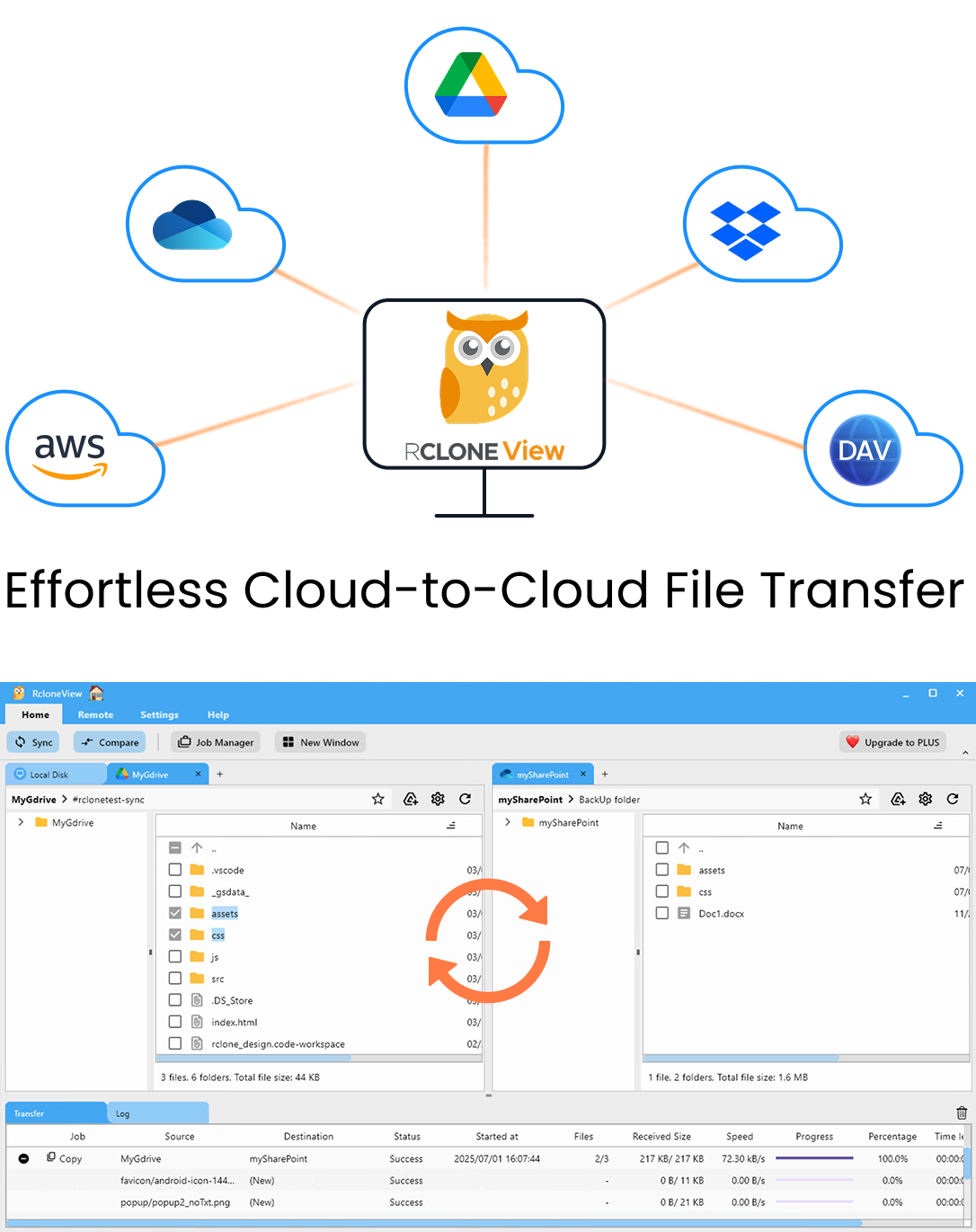
Manage & Sync All Clouds in One Place
RcloneView is a cross-platform GUI for rclone. Compare folders, transfer or sync files, and automate multi-cloud workflows with a clean, visual interface.
- One-click jobs: Copy · Sync · Compare
- Schedulers & history for reliable automation
- Works with Google Drive, OneDrive, Dropbox, S3, WebDAV, SFTP and more
WindowsmacOSLinux
Get Started Free →Free core features. Plus automations available.
Why Sync Yandex Disk and Google Drive?
- Consolidate scattered folders across personal and team accounts.
- Keep a live mirror for redundancy or regional access.
- Stage migrations safely with previews, dry-runs, and checksums before cutover.
- Reduce lock-in: keep a verified copy in another cloud without manual exports.
- Maintain uptime: if one provider throttles, the other remains usable.
Step 1 — Connect Both Remotes
- Add Yandex Disk (WebDAV or OAuth) via
+ New Remote. Guide: add-oath-online-login. - Add Google Drive with the same flow; choose the right scope (My Drive or Shared Drive).
- Verify both in Remote Explorer so you know paths and permissions are correct.
- Optional sanity checks: confirm time zone and modified-time consistency on a few test files to avoid surprise overwrites.
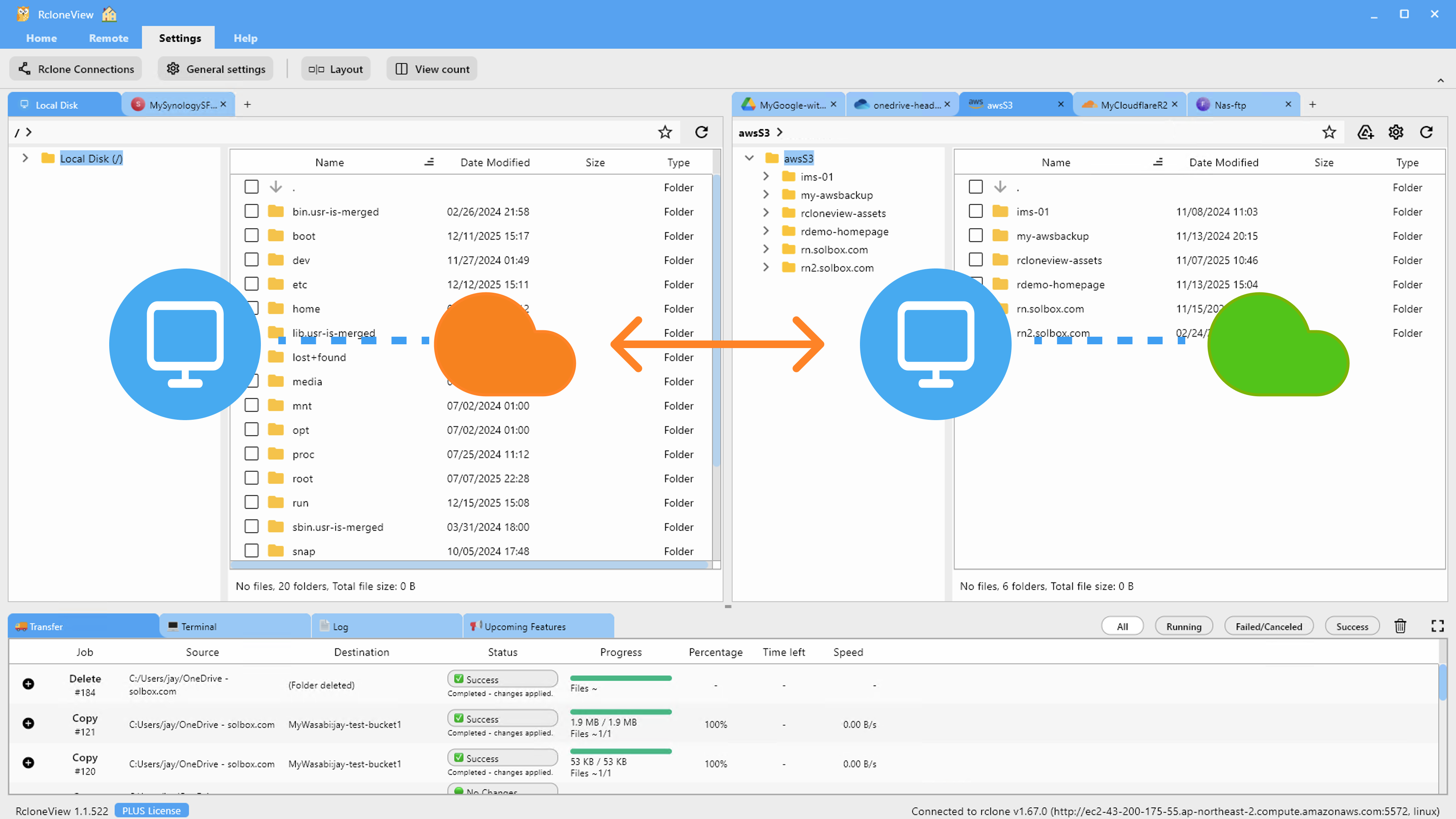
Step 2 — Compare Before You Sync
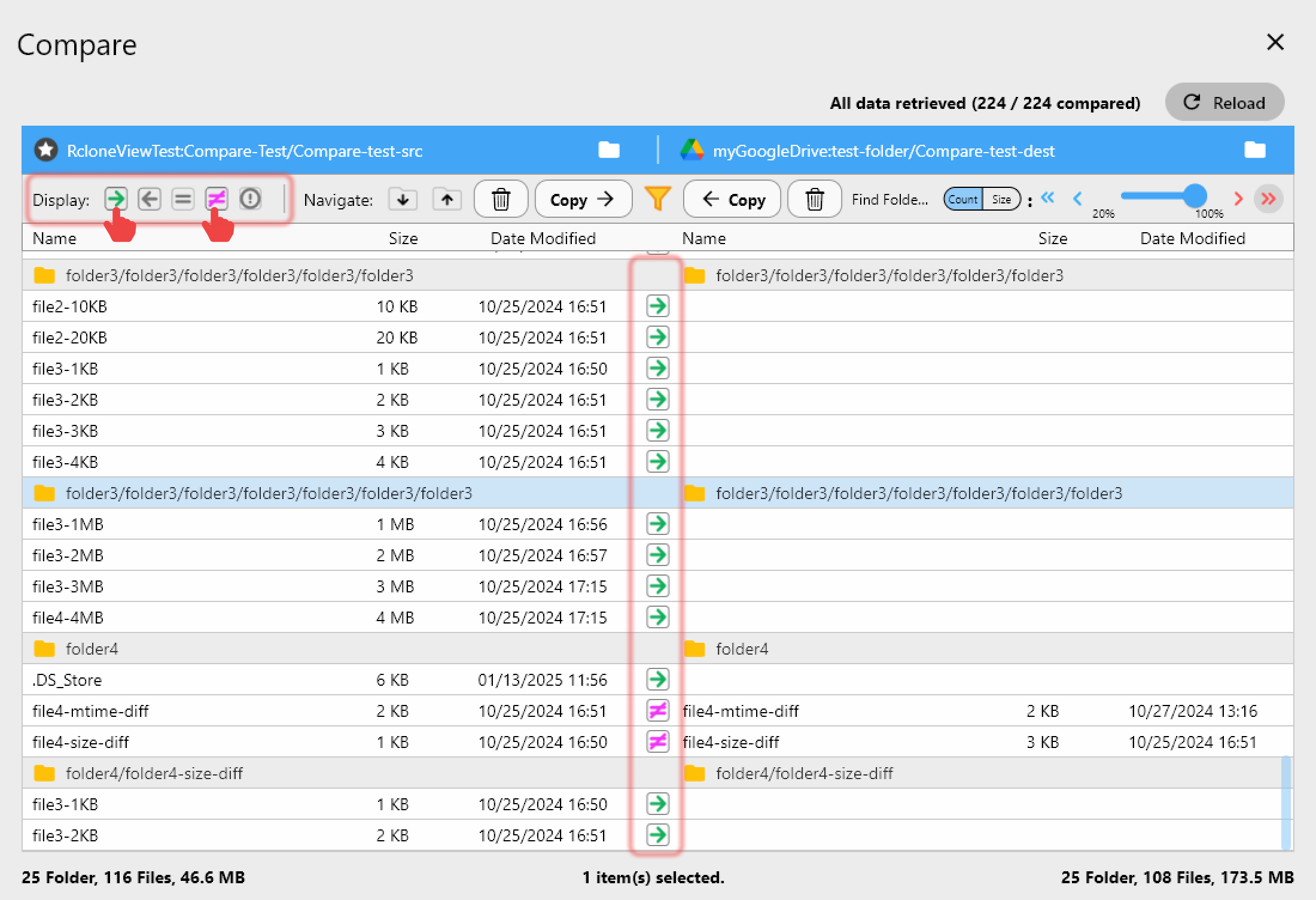
- Open Compare to see what differs between Yandex Disk and Google Drive: compare-folder-contents.
- Filter by extensions if you want to focus on docs, media, or archives.
- Save the compare as a job so you can re-run checks after each sync.
- Use compare as your dry-run: it shows adds/updates/deletes without changing data.
- If you see unexpected deletes, change your job to
copy(notsync) until you are confident.
Step 3 — Build a Safe Sync Job
- Create a job from Yandex Disk to Google Drive (or bidirectional if needed): create-sync-jobs.
- Start with copy for the first run to avoid unintended deletes; switch to sync once validated.
- Enable checksum verification to catch any silent corruption.
- Exclude temp/cache folders so you only move what matters.
- For Shared Drives, pick the correct destination folder (avoid root) to keep ACLs clean.
- Keep path casing consistent to avoid duplicate-looking folders on case-sensitive vs case-insensitive backends.
- Consider chunk sizes and concurrency only if you hit API limits; defaults are fine for most users.
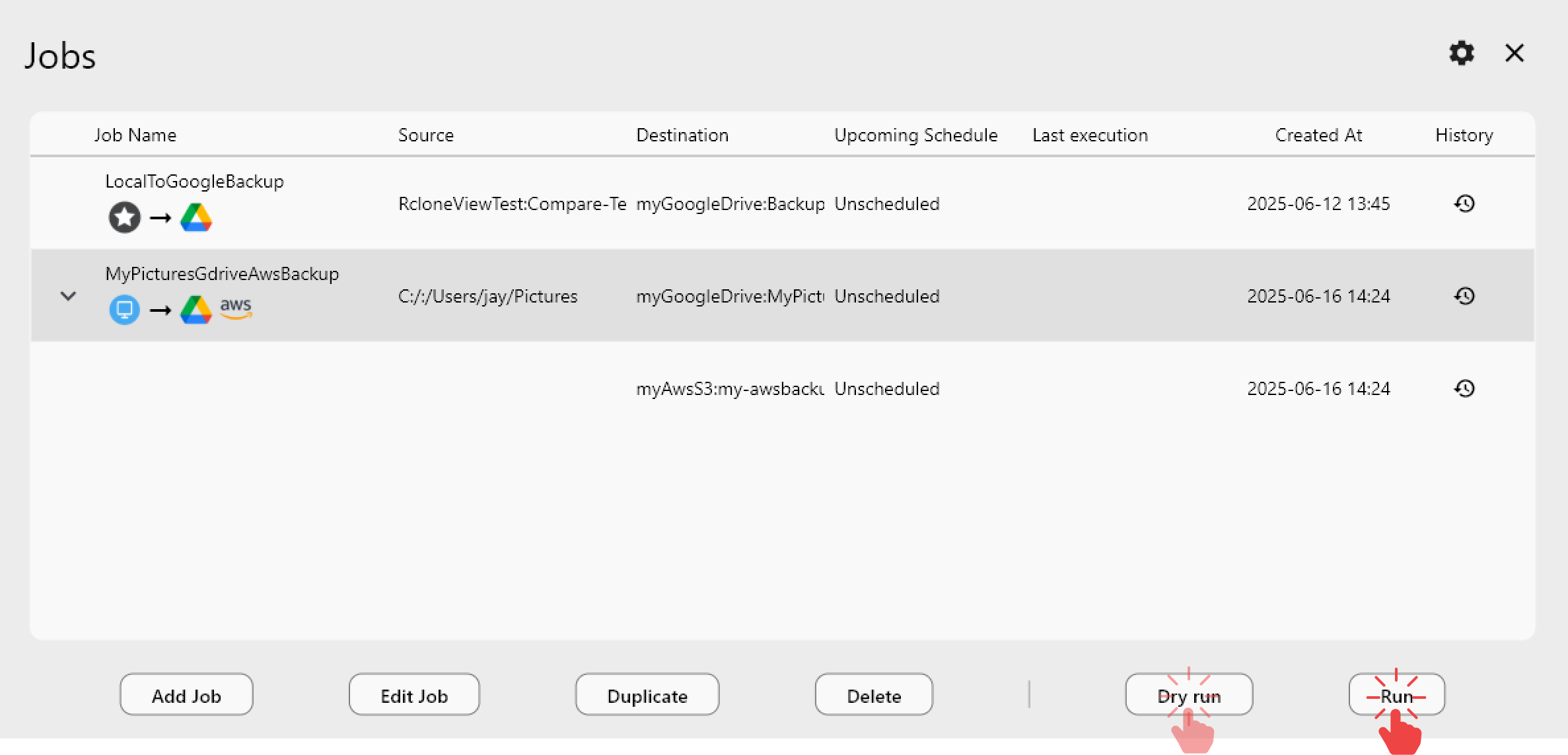
Step 4 — Schedule and Monitor
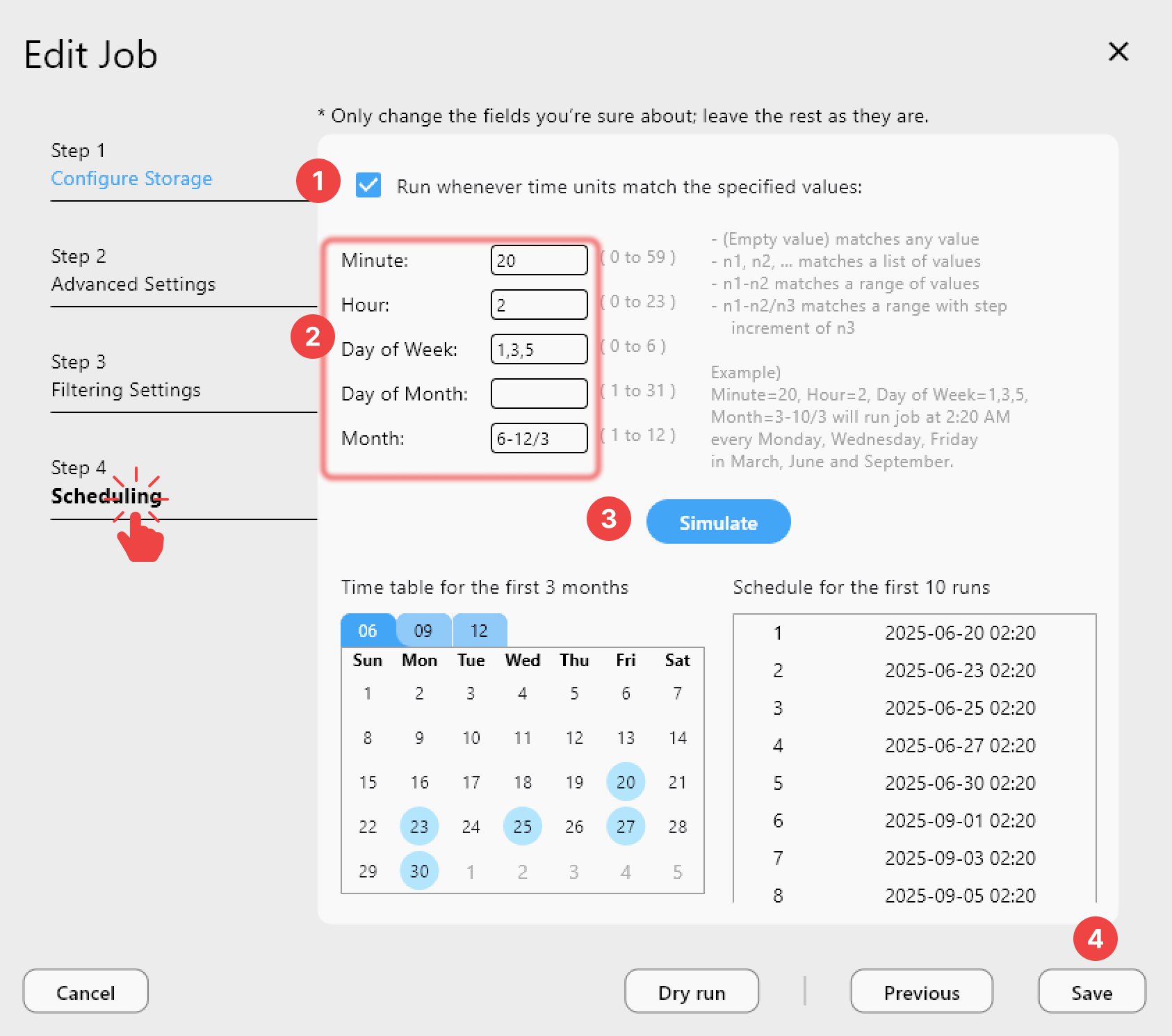
- Set the scheduler for off-hours to reduce API throttling: Job Scheduling
- Watch live throughput and stalled files in Transfer Monitor: real-time-transfer-monitoring.
- Notification habit: review Job History each morning during migration weeks to catch anomalies early.
Step 5 — Mount for On-Demand Access (Optional)
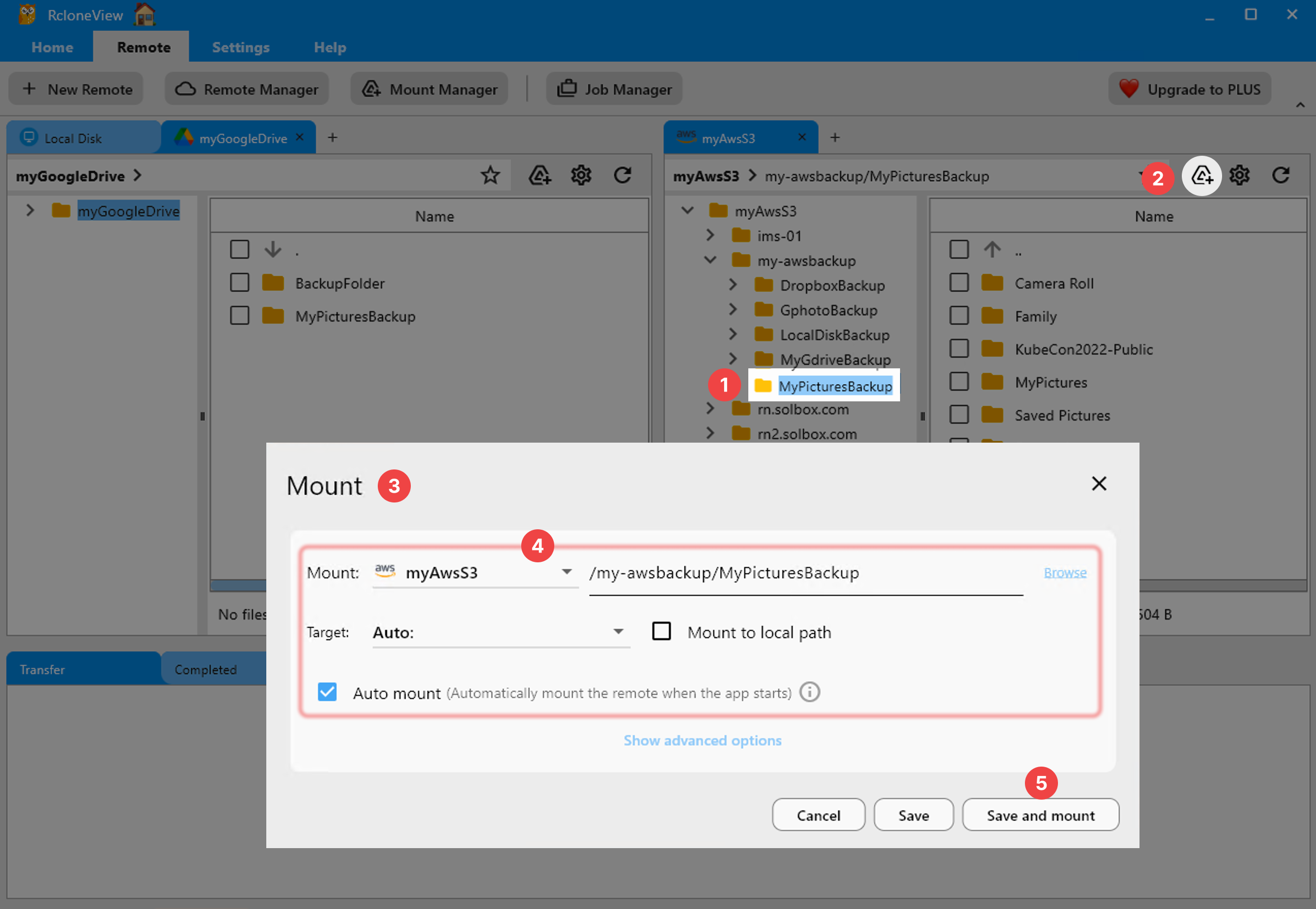
- Mount either cloud locally to browse without downloading everything: mount-cloud-storage-as-a-local-drive.
- Windows: assign a drive letter; macOS: choose a mount path under
/Volumes. - Good for validation: open a few files directly from each mount after a sync to confirm permissions and readability.
Restore or Reverse
- To reverse direction (Google Drive to Yandex Disk), duplicate the job and flip source/target.
- For selective restores, run copy on a scoped include list to avoid overwriting good data.
- Keep a small, known-good "canary" folder and ensure every run preserves it unchanged; it is your quick health check.
Quick Tips
- Keep consistent folder structures on both sides to reduce path mismatches.
- Use presets per team (Docs, Media, Archives) so runs stay predictable.
- Test with a small folder first, then scale to the full tree.
- Document your job settings (mode, filters, schedule) so anyone on the team can re-run safely.
- During heavy migrations, keep mounts read-only for users to prevent mid-run edits.
RcloneView makes Yandex Disk ↔ Google Drive sync straightforward: compare first, copy safely, schedule the rest, and monitor everything from one dashboard.
Supported Cloud Providers