Sync Azure Blob Storage to AWS S3 — Reverse Cloud Migration with RcloneView
The S3-to-Azure migration guide exists. But what about going the other direction? Whether you're leaving Azure, adding AWS redundancy, or running multi-cloud, here's how to sync Azure Blob to S3.
Most cloud migration guides assume you're moving to Azure. But plenty of organizations need the reverse — syncing Azure Blob Storage to AWS S3 for multi-cloud redundancy, cost optimization, or a full platform switch. RcloneView handles this direction just as easily, with visual transfer management and verification.
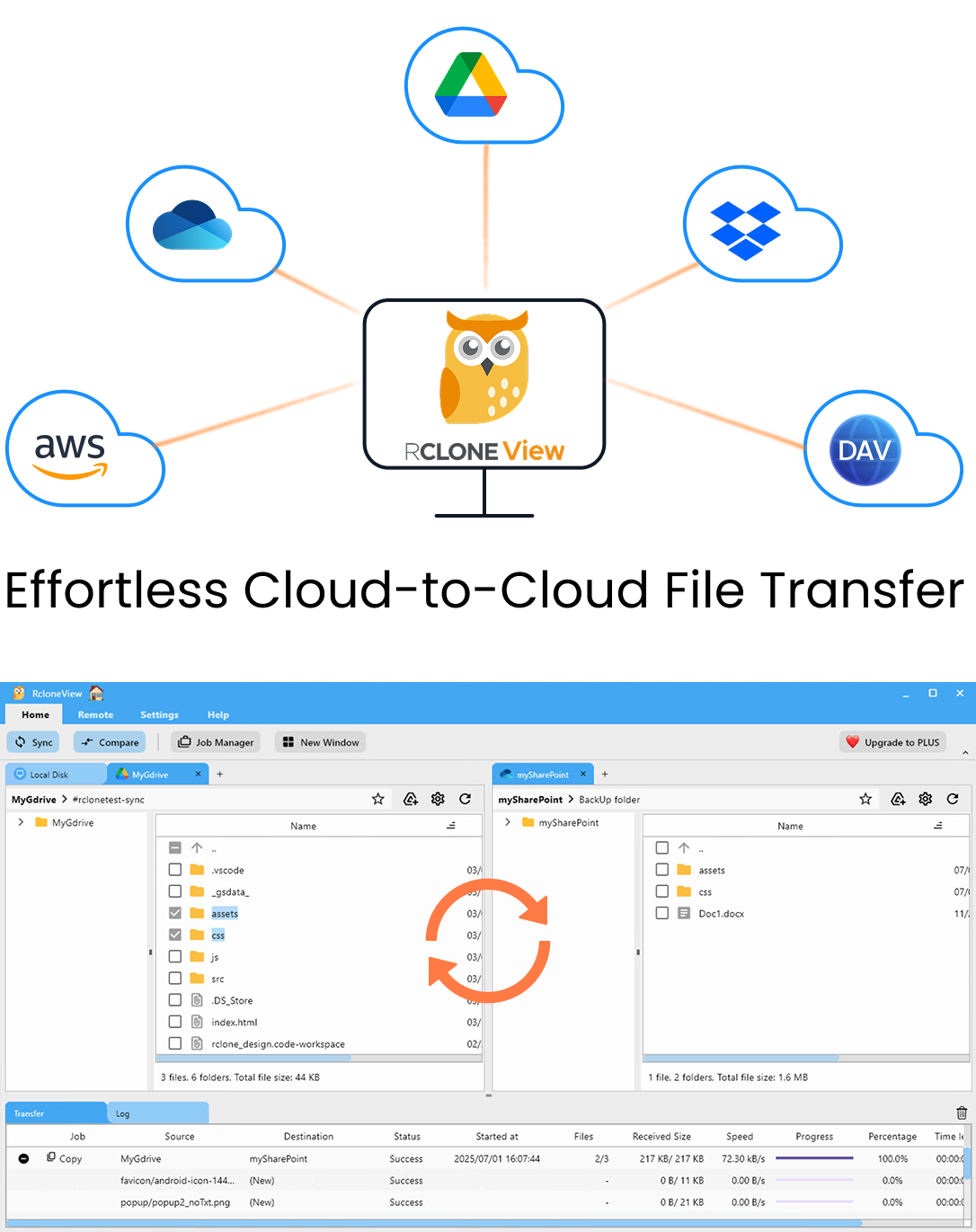
Manage & Sync All Clouds in One Place
RcloneView is a cross-platform GUI for rclone. Compare folders, transfer or sync files, and automate multi-cloud workflows with a clean, visual interface.
- One-click jobs: Copy · Sync · Compare
- Schedulers & history for reliable automation
- Works with Google Drive, OneDrive, Dropbox, S3, WebDAV, SFTP and more
Free core features. Plus automations available.
Why Azure to S3?
There are several reasons organizations sync in this direction:
- Multi-cloud strategy: avoid single-vendor dependency
- Cost arbitrage: S3 pricing may be better for specific workloads
- AWS ecosystem: moving workloads to AWS that need local data access
- Disaster recovery: maintaining cross-provider backups
Set Up the Connection
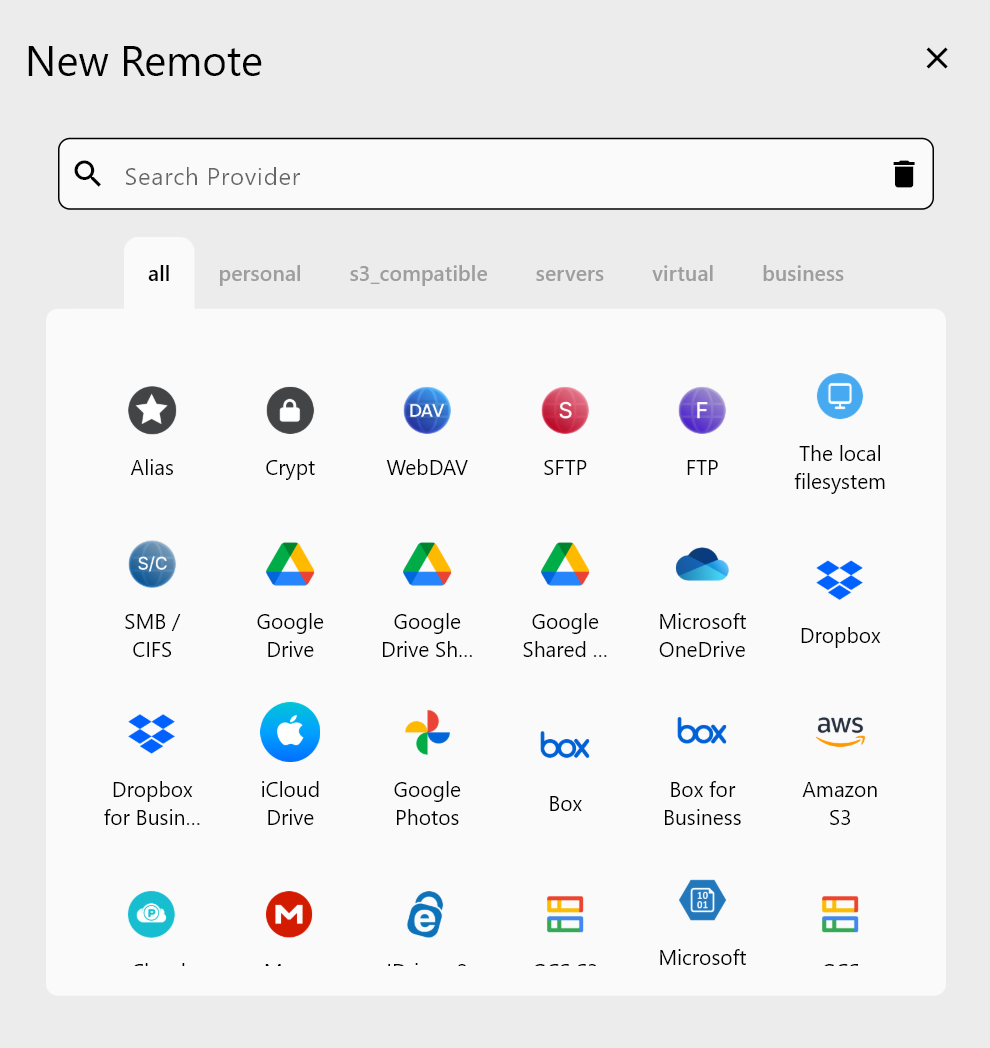
Add both your Azure Blob Storage and AWS S3 as remotes in RcloneView. Once connected, you can browse both side by side.
Transfer Methods
One-time migration
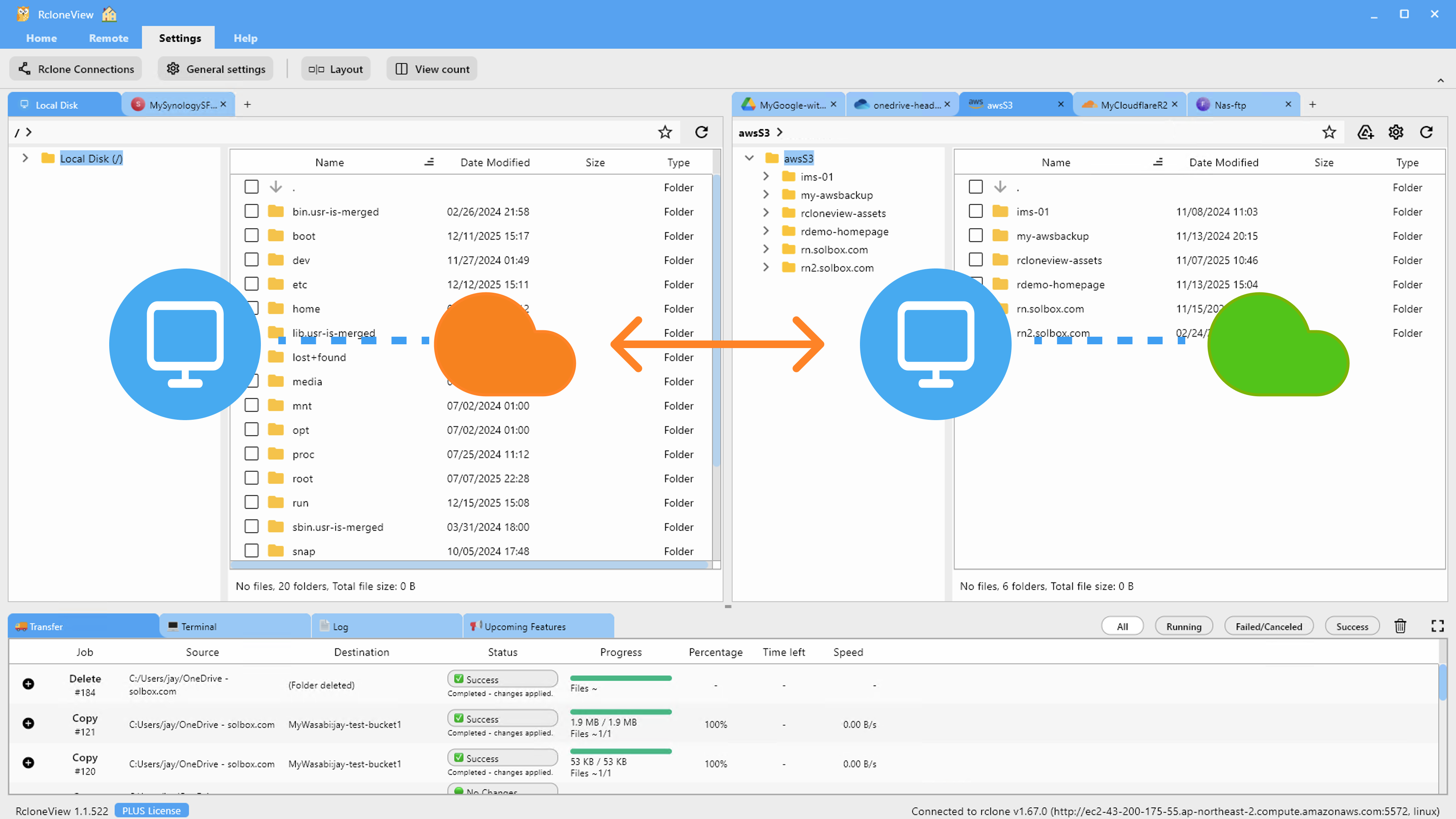
Open Azure Blob in one pane, S3 in the other. Select containers and transfer:
Ongoing sync
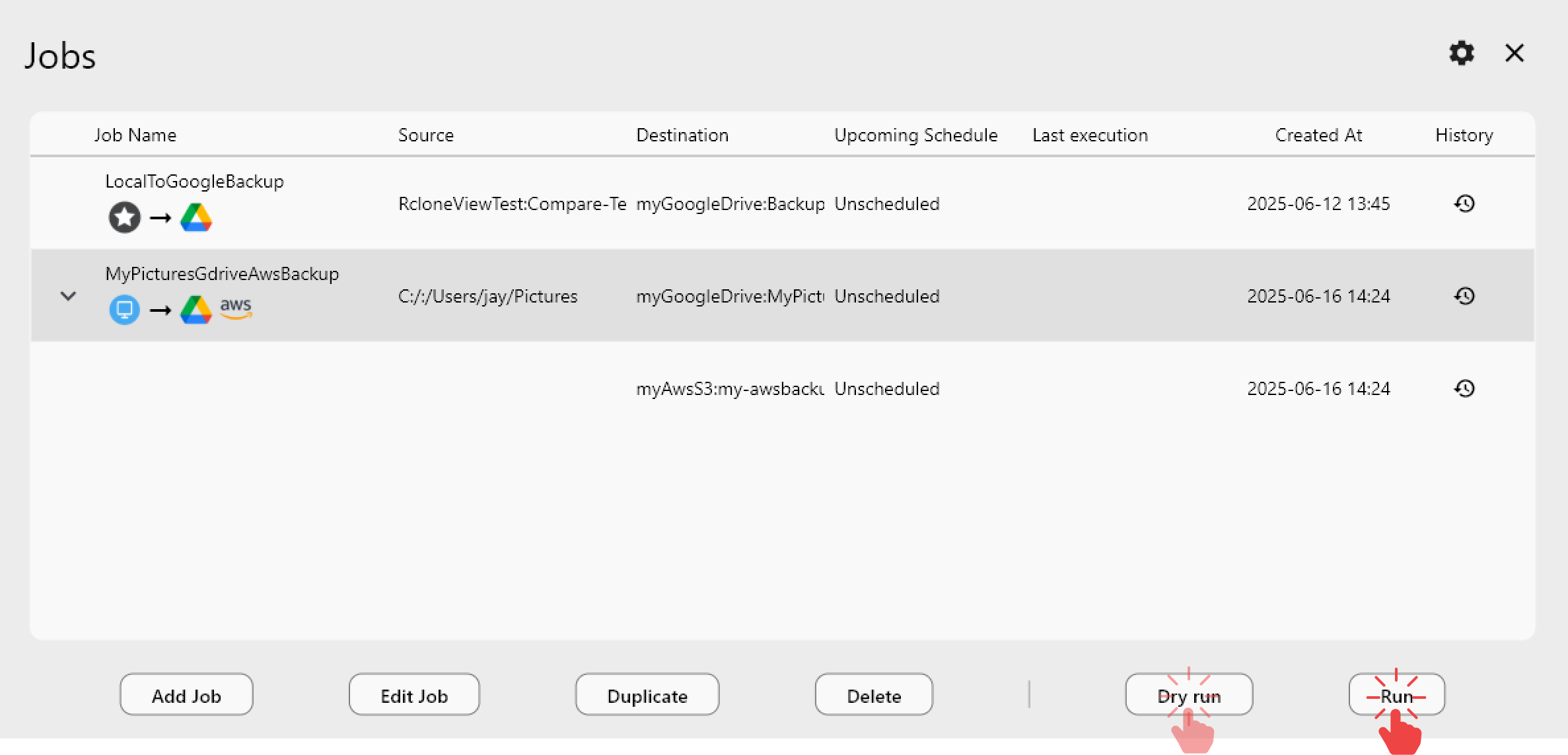
For continuous multi-cloud replication, create a sync job that keeps S3 mirrored with Azure:
Scheduled replication
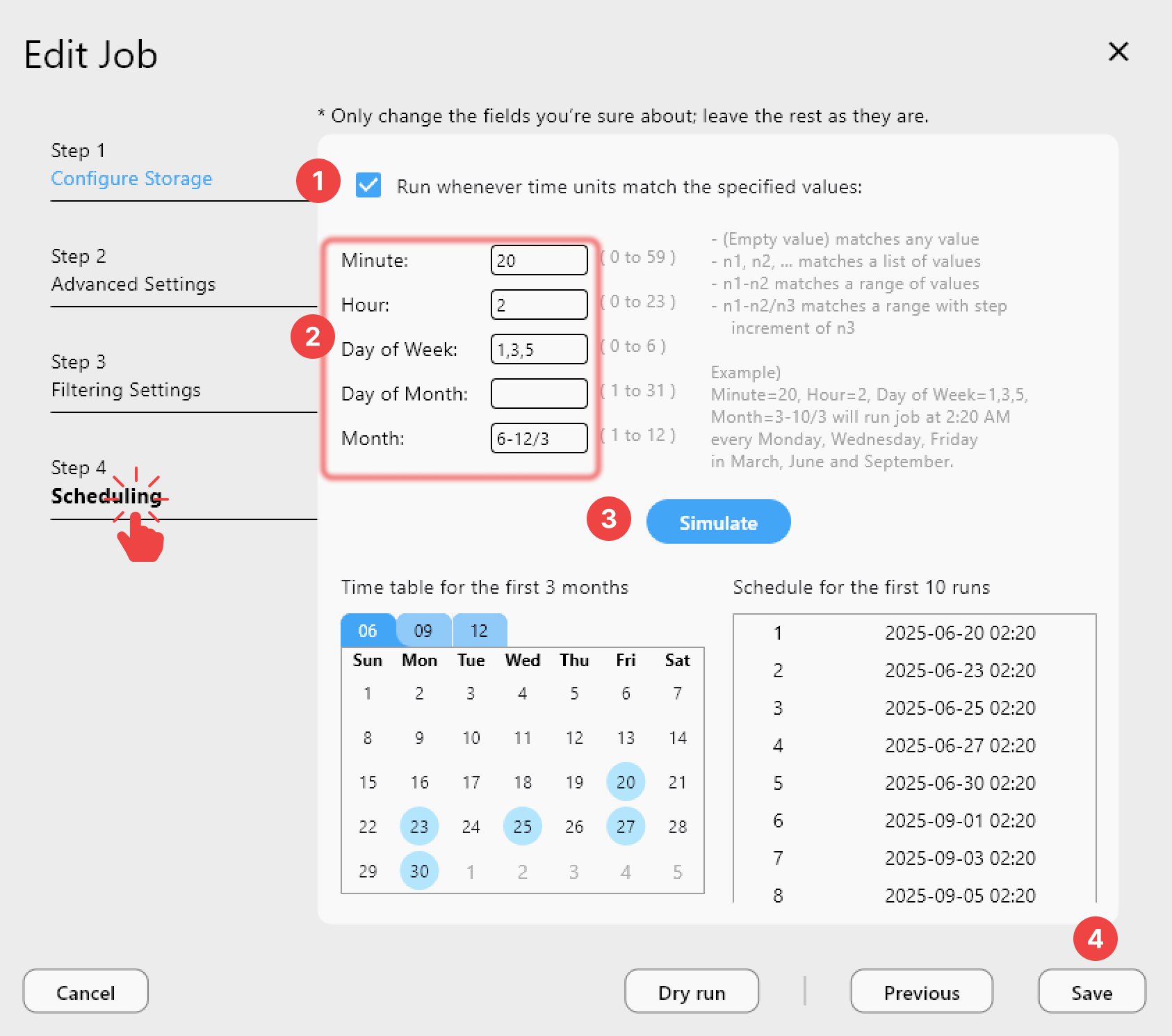
Run nightly syncs to maintain near-real-time parity between Azure and S3:
Verify the Transfer
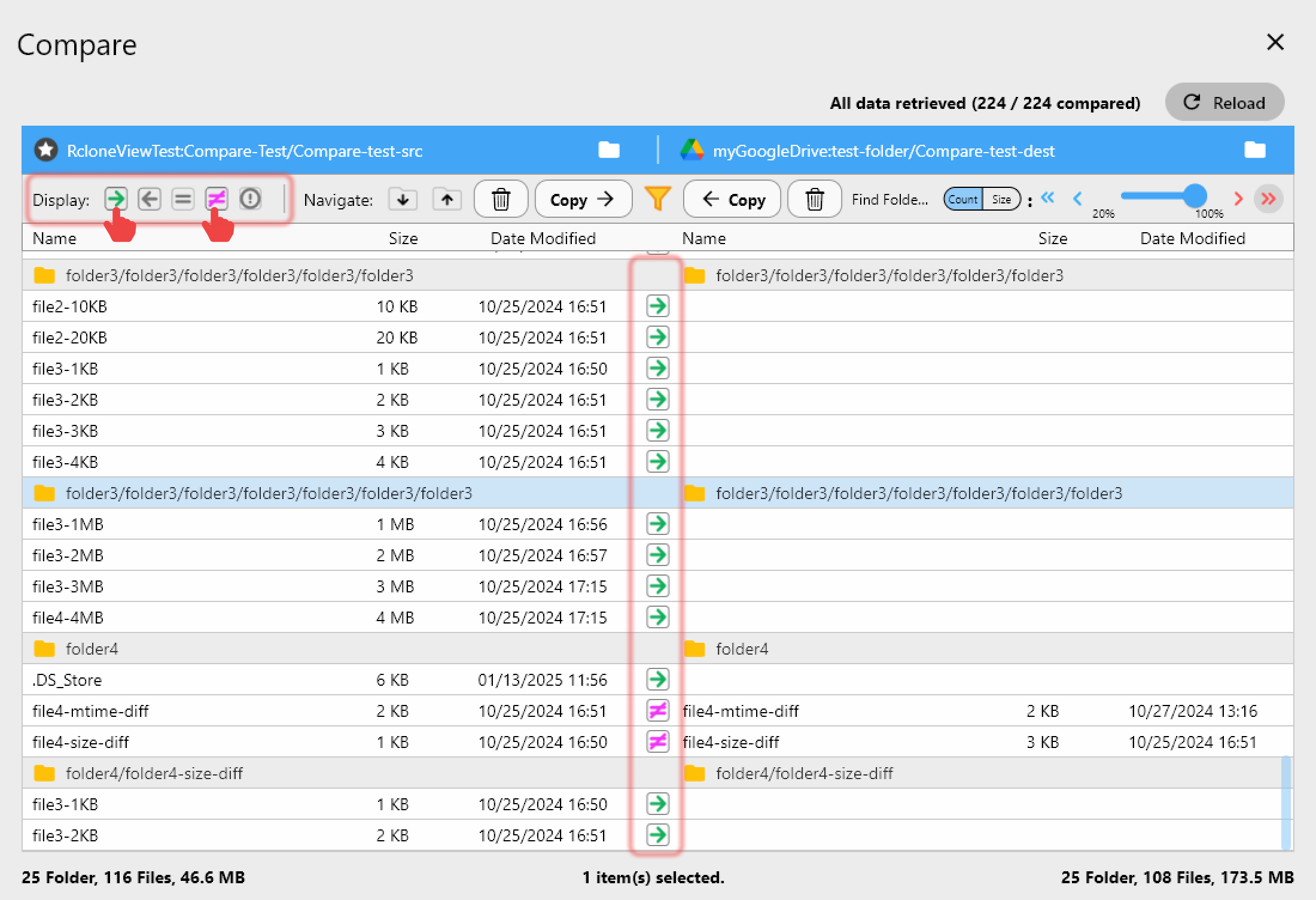
After any migration, Folder Comparison confirms data integrity across providers:
Performance Tips
- Use server-side operations where available
- Set appropriate concurrency — 4-8 parallel transfers for large datasets
- Transfer during off-peak hours to avoid API throttling
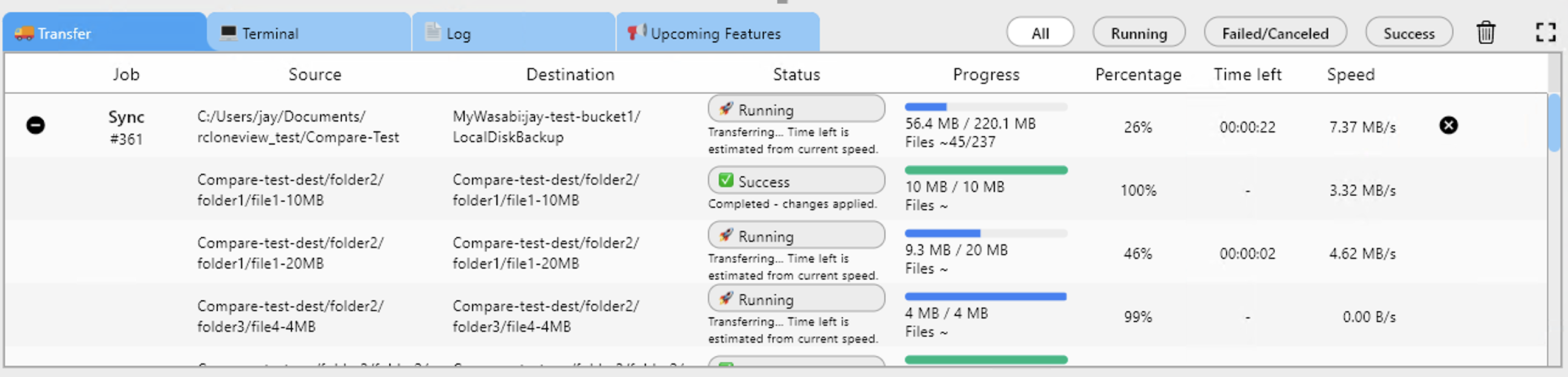
- Monitor job history to track transfer rates and identify bottlenecks
Getting Started
- Download RcloneView from rcloneview.com.
- Add Azure Blob and AWS S3 remotes.
- Choose your approach — one-time migration or ongoing sync.
- Transfer and verify with Folder Comparison.
Multi-cloud doesn't have to be complicated.
Related Guides:
Supported Cloud Providers