Sync Seafile to Dropbox — Cloud Backup with RcloneView

Give a self-hosted Seafile server an off-site copy in Dropbox without scripting anything by hand.
Seafile is popular precisely because it keeps data under an organization's own control, but that same independence means there's no built-in path to an external backup. If the server, its disk, or its host goes down, whatever isn't copied elsewhere is gone. RcloneView connects to Seafile alongside Dropbox in the same window and moves files between them as a scheduled sync job, so the self-hosted server gets a real off-site copy without anyone writing a cron script or rclone command by hand. RcloneView mounts and syncs 90+ providers from one window, on Windows, macOS, and Linux, so the same setup works whether the sync job runs from an admin's laptop or a dedicated backup machine.
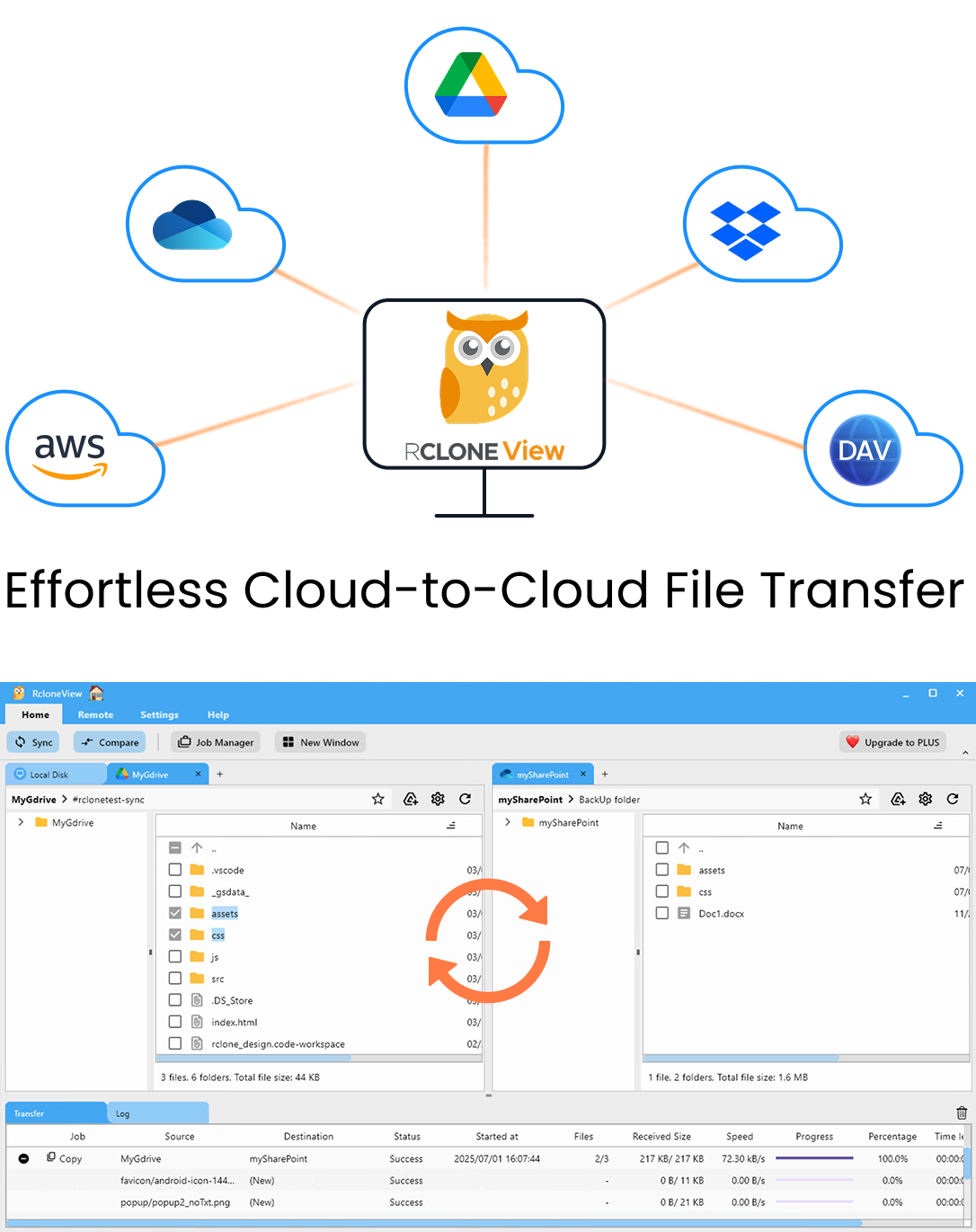
Manage & Sync All Clouds in One Place
RcloneView is a cross-platform GUI for rclone. Compare folders, transfer or sync files, and automate multi-cloud workflows with a clean, visual interface.
- One-click jobs: Copy · Sync · Compare
- Schedulers & history for reliable automation
- Works with Google Drive, OneDrive, Dropbox, S3, WebDAV, SFTP and more
Free core features. Plus automations available.
Connecting Seafile and Dropbox
Seafile is added as a remote with its server URL, library, and account credentials, and RcloneView verifies the connection before saving. Dropbox uses the simpler OAuth flow: a browser window opens, the account is authorized, and the remote appears as a tab automatically. Once both are configured, the Remote Manager lists them side by side, and either can be edited later without disturbing the other.
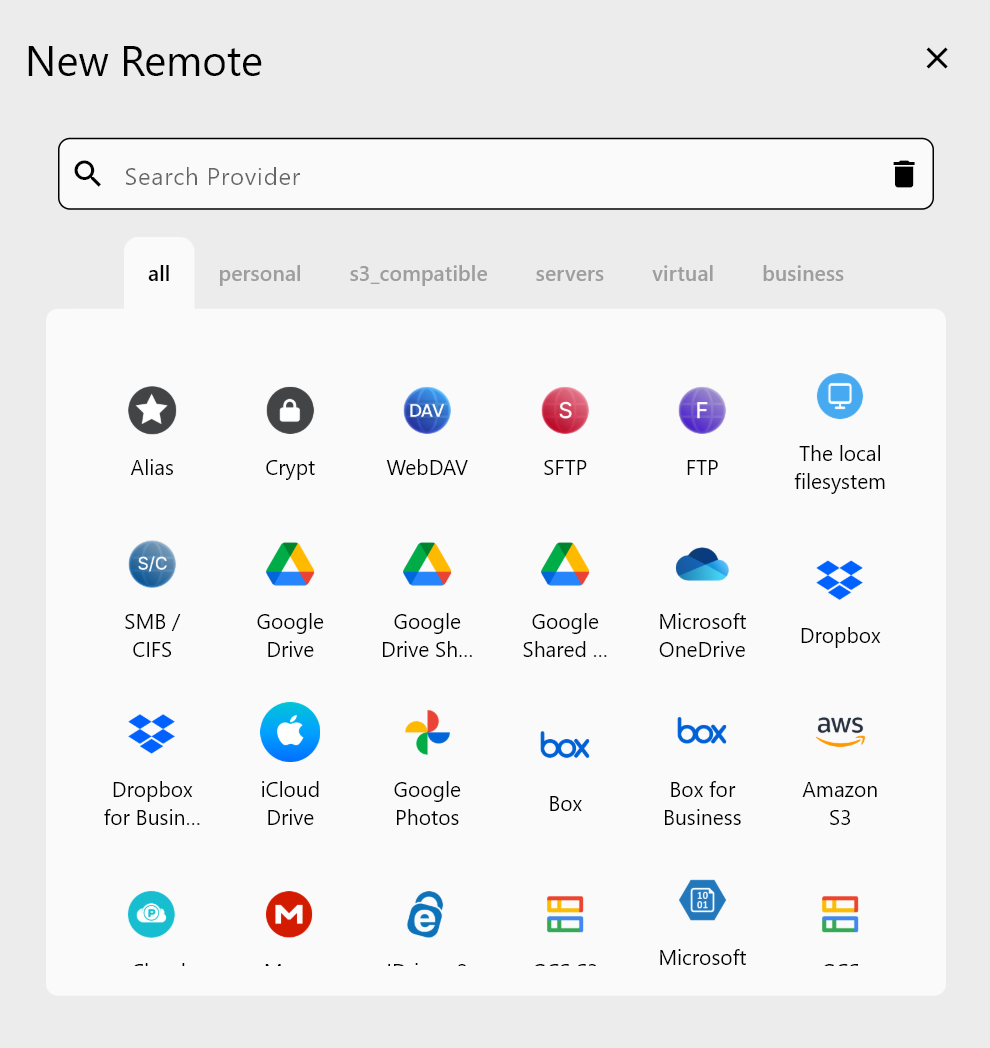
With both remotes connected, open a two-panel layout to browse the Seafile library and the Dropbox destination folder together before committing to a full sync.
Building the Sync Job
Create a one-way sync job with the Seafile library as the source and a dedicated Dropbox folder as the destination, so backup runs never accidentally modify the original Seafile data. In Filtering Settings, exclude anything that shouldn't leave the server — temporary files, .git/ folders from any versioned projects, or file types over a size threshold — using the same custom filter syntax RcloneView applies to any sync job. Run a Dry Run first: it lists every file that would copy without transferring anything, which is the fastest way to catch a wrong source folder before it costs bandwidth.
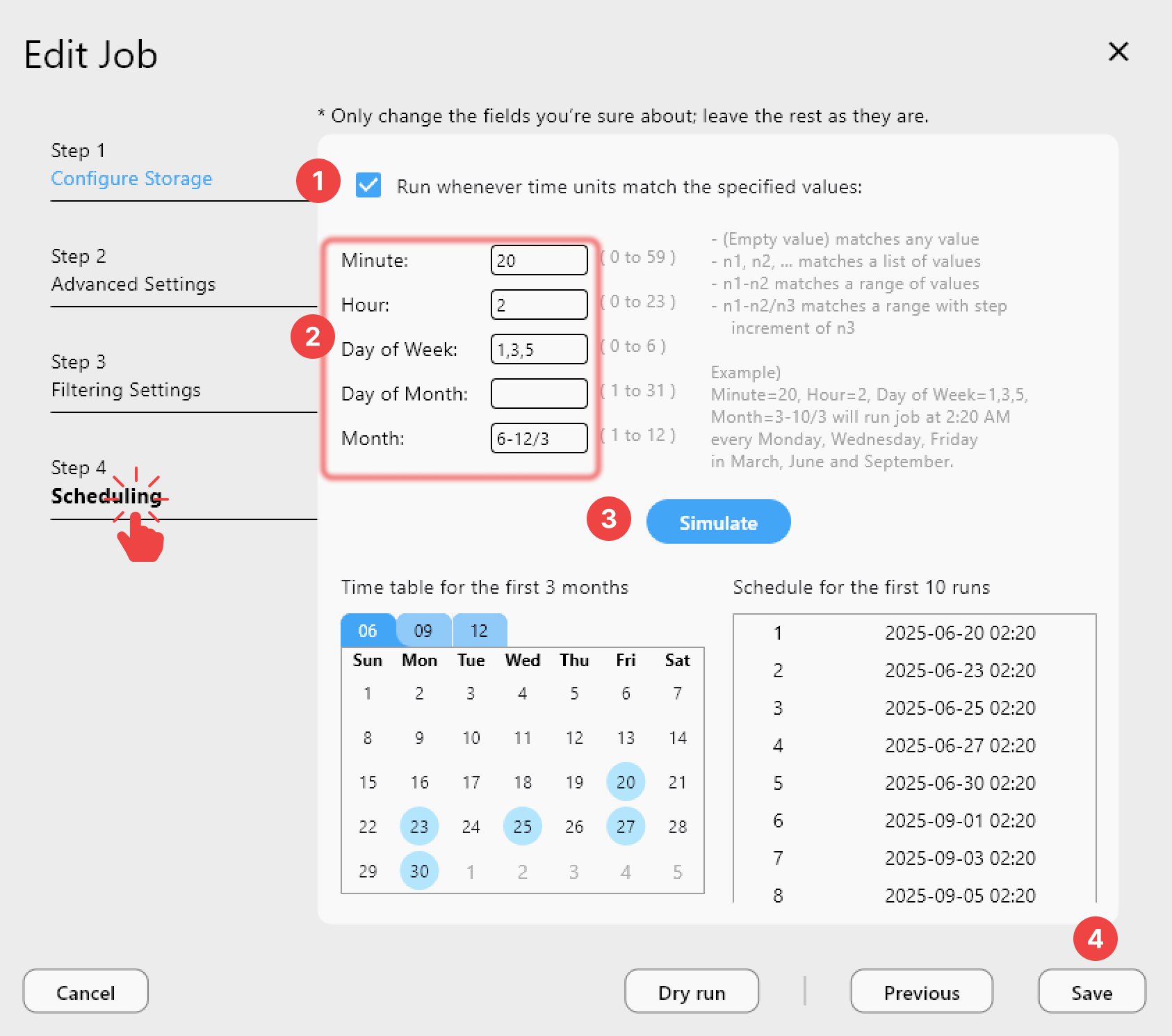
PLUS license users can attach a crontab-style schedule to the job so the backup runs nightly without anyone starting it manually — useful for a Seafile server that changes throughout the business day.
Verifying the Backup in Job History
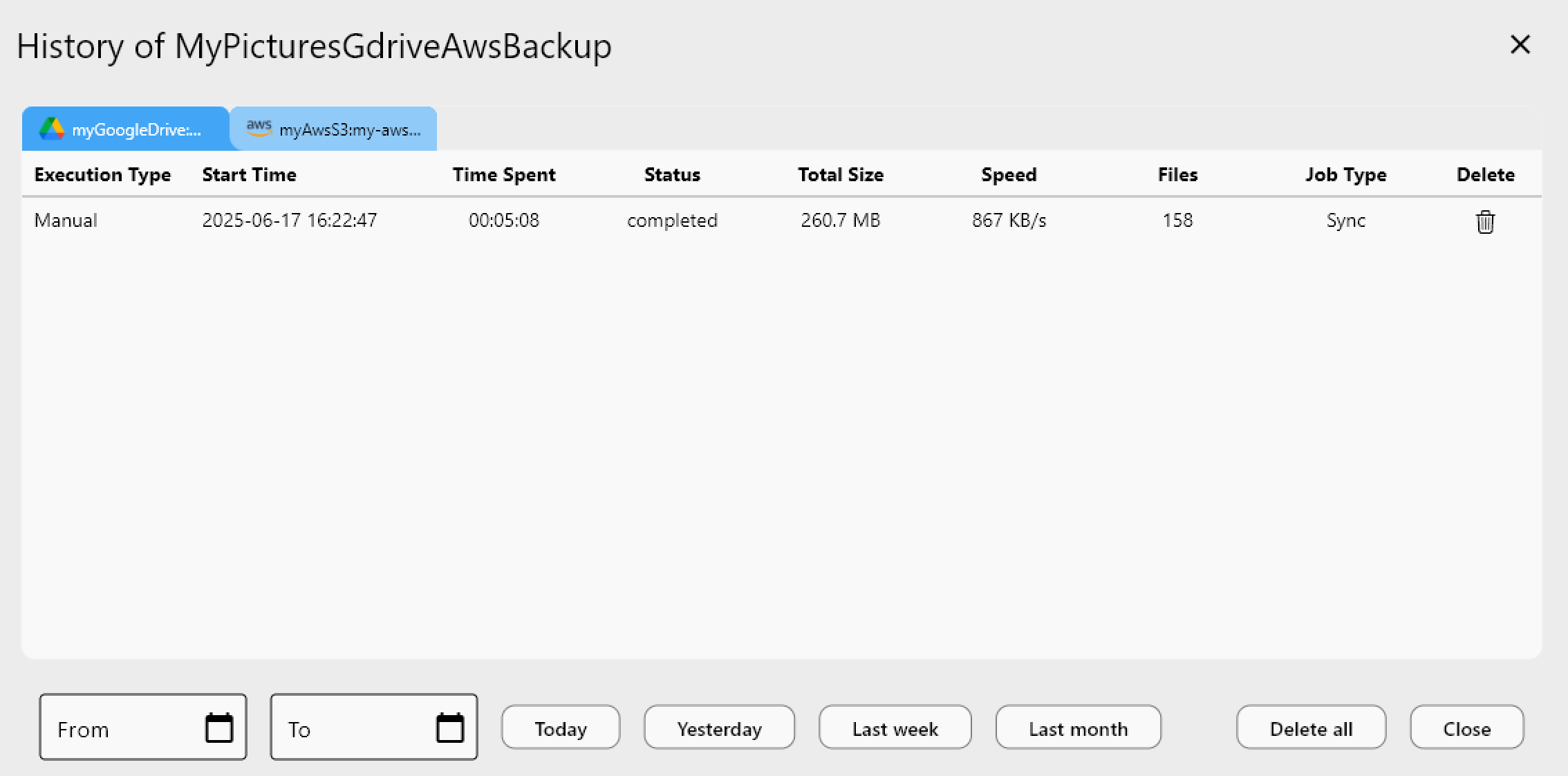
Turn on checksum comparison in Advanced Settings so RcloneView confirms files match by hash and size rather than relying on file size alone, which matters when Seafile's versioning can leave files with identical sizes but different content. After each run, Job History shows total files transferred, time spent, and any errored items, making it straightforward to confirm the Dropbox copy is actually current before trusting it as a restore point.
Getting Started
- Download RcloneView from rcloneview.com.
- Add your Seafile server as a remote with its library path and credentials.
- Add Dropbox via the OAuth login flow.
- Run a Dry Run, then execute the sync job and confirm results in Job History.
A scheduled, verified copy in Dropbox turns a self-hosted Seafile install from a single point of failure into a server with a real fallback.
Related Guides:
- Sync Seafile Self-Hosted Cloud with Google Drive, S3, and External Storage Using RcloneView
- Manage Dropbox — Sync and Backup Files with RcloneView
- Fix Seafile Sync Errors with RcloneView
Supported Cloud Providers