Cloud Storage for E-commerce Businesses: Manage Product Assets and Backups with RcloneView
E-commerce businesses generate thousands of product images, variant photos, marketing creatives, inventory CSVs, and order exports — stored across platforms that don't talk to each other. RcloneView connects them all.
Running an online store means living in multiple cloud systems simultaneously: Shopify or WooCommerce for your storefront, Google Drive for team collaboration, Dropbox for agency creatives, S3 for CDN-served product images, and a NAS for original high-res photo archives. Each system has files the others need. RcloneView acts as the connective tissue — copying, syncing, and backing up data between all of them without manual downloads or expensive integration tools.
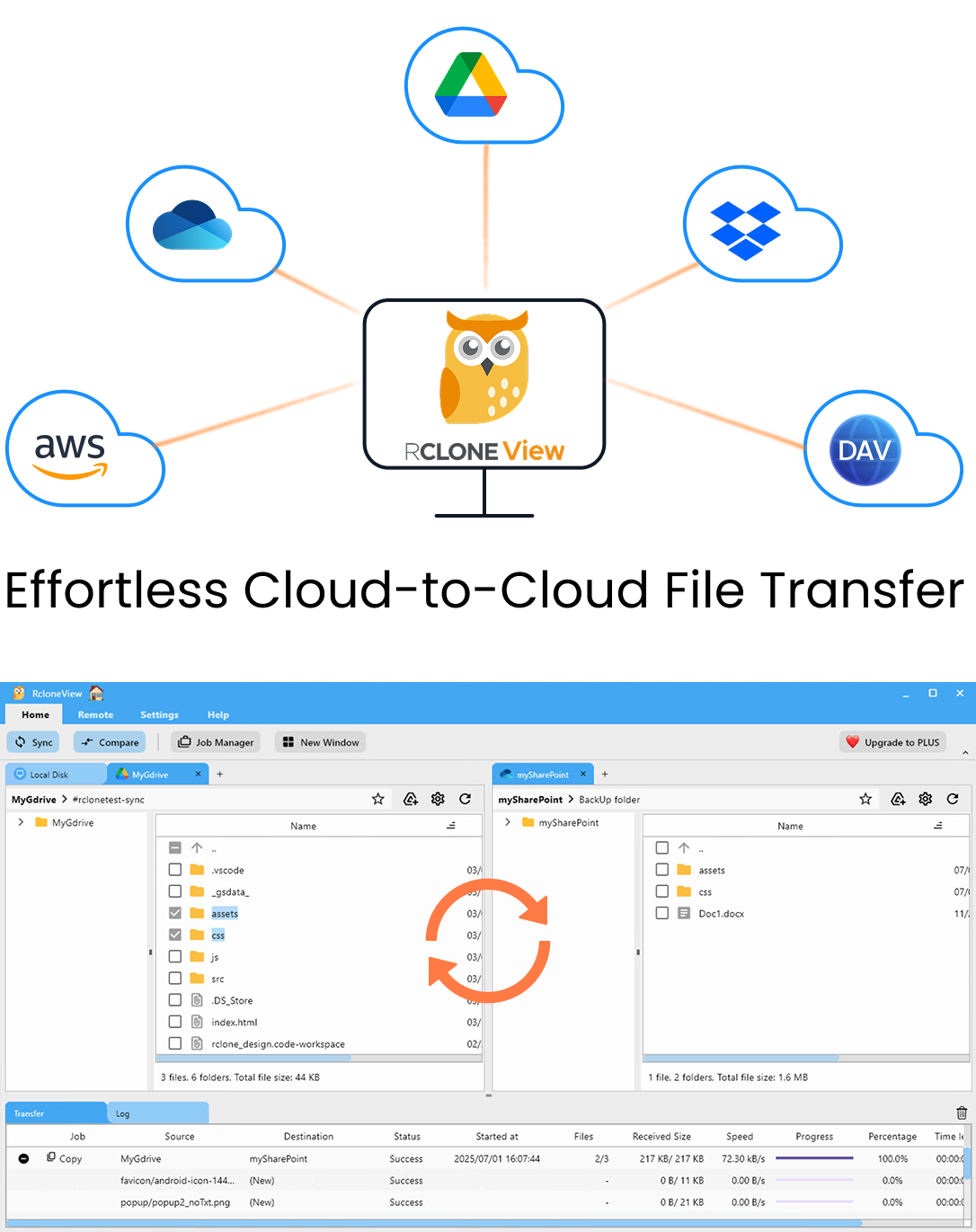
Manage & Sync All Clouds in One Place
RcloneView is a cross-platform GUI for rclone. Compare folders, transfer or sync files, and automate multi-cloud workflows with a clean, visual interface.
- One-click jobs: Copy · Sync · Compare
- Schedulers & history for reliable automation
- Works with Google Drive, OneDrive, Dropbox, S3, WebDAV, SFTP and more
Free core features. Plus automations available.
The E-commerce File Landscape
| Asset Type | Typical Volume | Where It Lives |
|---|---|---|
| Product photos (RAW) | 5–50 MB each | NAS / Photographer Dropbox |
| Optimized product JPEGs | 200–500 KB each | AWS S3 / CDN |
| Marketing creatives | 2–20 MB each | Google Drive / Canva exports |
| Inventory exports (CSV) | MB range | ERP / local |
| Order exports | MB range | Platform export / Google Sheets |
| Theme/template backups | MB range | Git / local |
| Email campaign assets | 1–5 MB each | Klaviyo / Mailchimp |
Managing these manually at scale — even for a mid-size store with 5,000+ SKUs — is a bottleneck. RcloneView automates the repetitive parts.
Key Workflows for E-commerce
1) Product photo pipeline: photographer → CDN
When photographers deliver new product photos, automate the pipeline:
Stage 1: Copy from photographer Dropbox to local NAS (master archive):
Source: dropbox:/Product Shoots/[SKU]/
Destination: nas:/products/originals/[SKU]/
Stage 2: Copy processed/optimized images to S3 for CDN delivery:
Source: nas:/products/web-ready/[SKU]/
Destination: s3-bucket:product-images/[SKU]/
2) Sync marketing assets to agency partners
Marketing teams and external agencies often need access to brand assets and product images. Instead of maintaining manual downloads or paying for enterprise DAM software, use RcloneView to sync a folder:
- Keep master assets in your Google Drive.
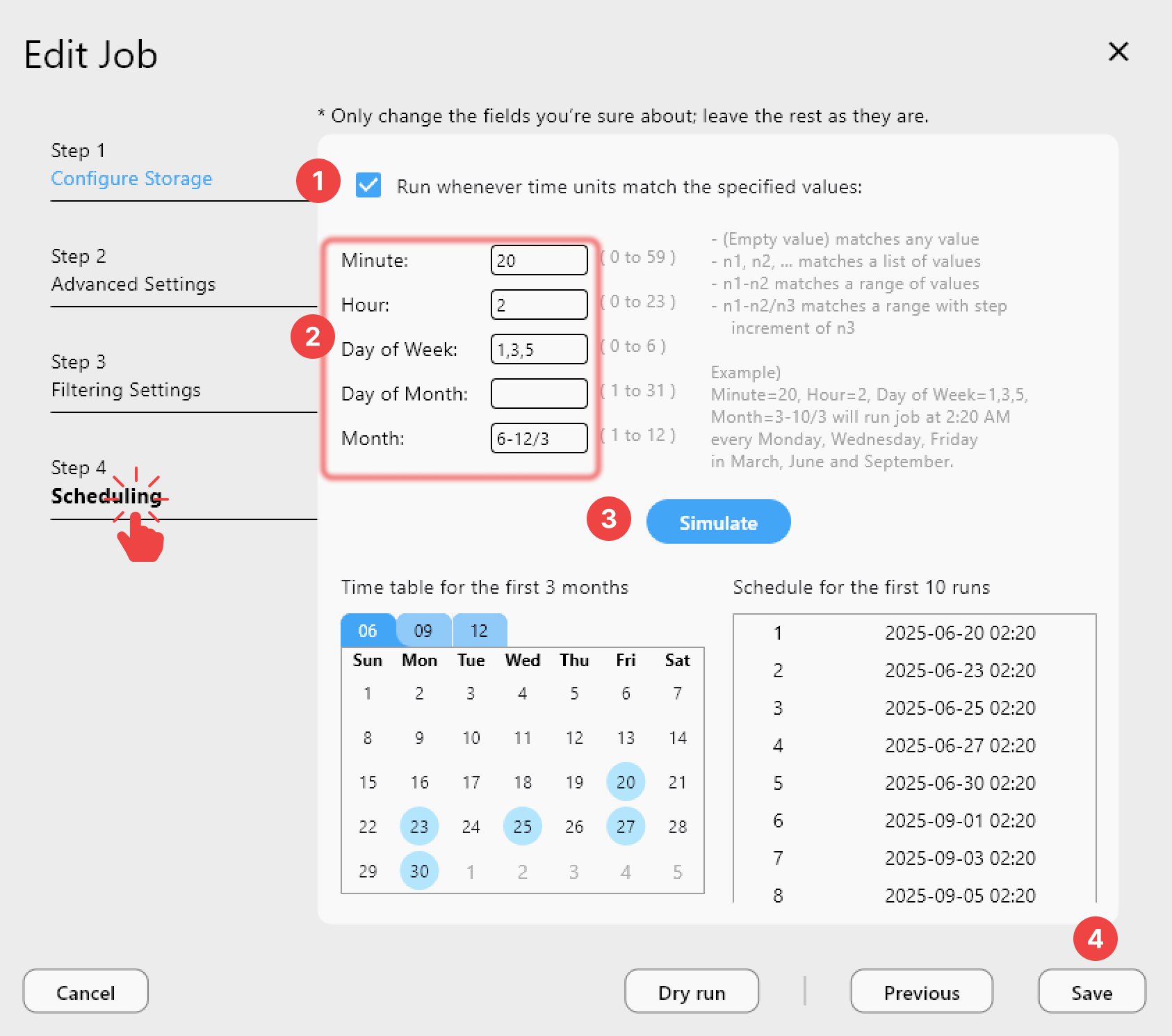
- Set up a daily Sync job to push updated assets to a shared Dropbox or S3 bucket the agency can access.
- Agencies always have the latest assets — no back-and-forth emails.
3) Backup your e-commerce platform data
Shopify, WooCommerce, and other platforms let you export order data, product CSVs, and theme backups. Automate these backups to cloud storage:
- Export data from your platform to a local folder.
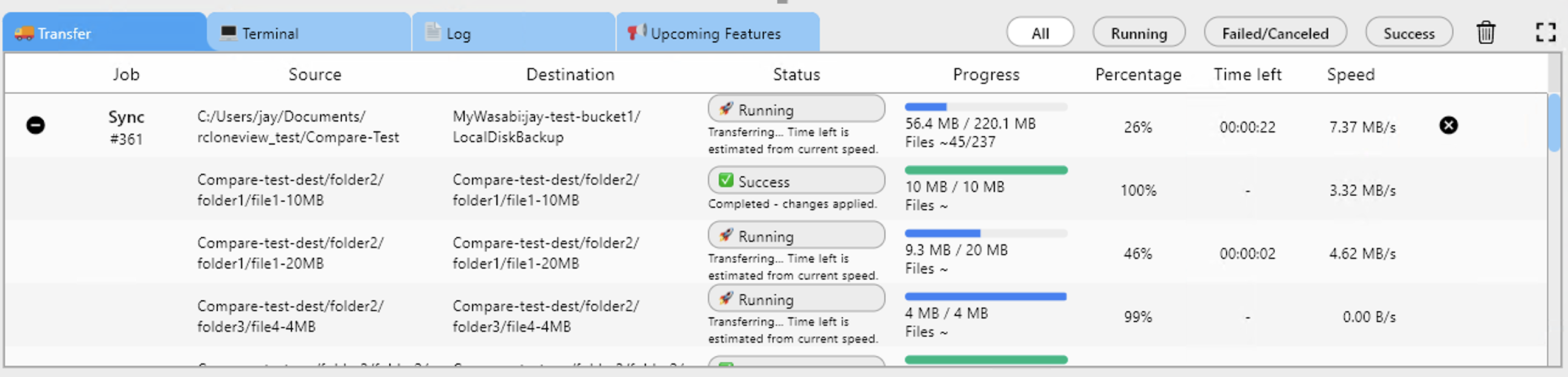
- RcloneView copies the export folder to S3 or Backblaze B2 on a schedule.
- 90-day retention with versioning protects against accidental overwrites.
4) Archive seasonal campaign assets
After each seasonal campaign (Black Friday, summer sale), archive the creative assets to low-cost cold storage:
- Move campaign assets from Google Drive to Backblaze B2 or S3 Glacier.
- Free up expensive Google Workspace storage.
- Assets remain accessible if you need to repurpose them.
5) Multi-region redundancy for product images
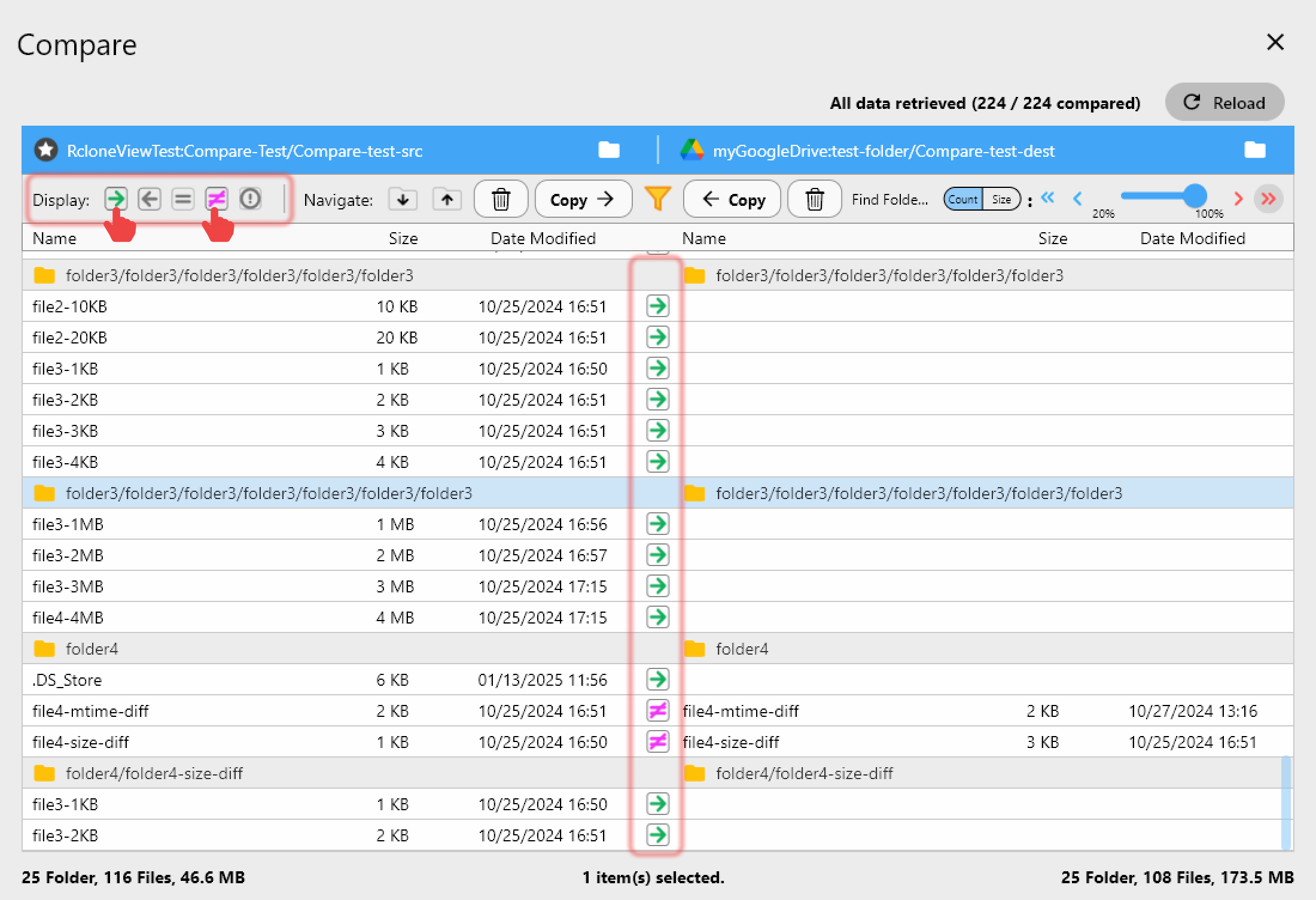
If your store serves international customers, product image delivery speed matters. Use RcloneView to replicate your S3 bucket to multiple regions or providers:
- Primary:
aws-s3:product-images-us-east/ - Replica:
wasabi-eu:product-images-eu/
Cost Optimization for E-commerce Storage
E-commerce companies accumulate storage debt quickly. Common savings with RcloneView:
| Strategy | Savings |
|---|---|
| Move old campaigns to cold storage | 60–80% cost reduction |
| Replace per-user cloud with object storage for assets | 40–60% cost reduction |
| Eliminate duplicate copies across tools | 20–30% storage reduction |
Security for Order and Customer Data
Order exports and customer CSVs contain sensitive data. Best practices with RcloneView:
- Encrypt backups using a Crypt remote before uploading to any cloud provider.
- Use private buckets — never store customer data in publicly readable storage.
- Limit retention — auto-delete exports older than your data policy allows.
Getting Started
- Download RcloneView from rcloneview.com.
- Connect your cloud accounts — Google Drive, Dropbox, S3, NAS.
- Build your product photo pipeline with Copy jobs for each stage.
- Schedule backup jobs for platform data exports.
E-commerce moves fast. Your file management should keep up automatically — not manually.
Related Guides:
- Manage Digital Assets with RcloneView
- Reduce Multi-Cloud Costs with RcloneView
- Automate Daily Cloud Backups
Supported Cloud Providers